
 Chat with us on WhatsApp


Best Single Barrel Bourbon: What It Means & Top Bottles
Single barrel bourbon is bourbon bottled from one individual barrel, rather than blended from several barrels to create a consistent batch. That means every bottle from that barrel carries the character of one specific cask, shaped by its age, warehouse position, proof, mash bill and maturation conditions.
For buyers, single barrel bourbon is less about finding the “best” bourbon overall and more about understanding variation. One barrel may be rich, sweet and polished; another from the same producer may be spicier, oakier or higher proof. If you want to explore this style directly, our single barrel bourbon selection is the natural place to start.

What Is Single Barrel Bourbon?
Single barrel bourbon comes from one selected cask. The contents are not mingled with other barrels to smooth out differences or recreate a house style. Once that barrel is emptied, that exact expression is gone.
It still has to meet the rules for bourbon. Under the US standards of identity, bourbon must be made in the United States from a mash containing at least 51% corn, distilled to no more than 160 proof, and stored in charred new oak barrels at no more than 125 proof, as set out in the official federal whisky standards.
The “single barrel” part does not change the legal bourbon definition. It tells you how the whiskey was selected and bottled.

Single Barrel vs Small Batch Bourbon
Single barrel bourbon is about individuality. Small batch bourbon is about controlled consistency. A small batch is made by combining a limited number of barrels, though “small batch” has no fixed legal barrel count.
| Factor | Single Barrel Bourbon | Small Batch Bourbon |
|---|---|---|
| Source | One individual barrel | Several selected barrels blended together |
| Consistency | Can vary from barrel to barrel | Usually more repeatable |
| Flavour | More distinctive and cask-specific | More balanced and house-style focused |
| Price | Often higher due to limited yield | Usually broader in price range |
| Best for | Discovery, gifting, collectors, enthusiasts | Reliability, repeat buying, cocktails, everyday drinking |
If you are still choosing between bourbon styles more generally, our Best Bourbon Brands guide gives the wider context without going too deep into single barrel detail.

Why Single Barrel Bourbon Tastes Different
No two barrels mature in exactly the same way. Even when the mash bill, distillation run and age are similar, the barrel’s position in the warehouse can change the final whiskey.
Higher warehouse floors are often warmer, which can increase interaction between whiskey and oak. Lower floors may mature more slowly and retain a different balance of sweetness, spice and alcohol strength. This is why producers and private selectors sometimes talk about “honey barrels” — casks that stand out during tasting.
We find our customers often underestimate this variation until they compare two single barrel releases from the same producer side by side; the label may look similar, but the glass can tell a different story.
Does Single Barrel Mean Barrel Proof?
No. Single barrel and barrel proof describe different things. Single barrel tells you the bourbon came from one cask. Barrel proof means it was bottled at or close to the strength it reached in the barrel, without being diluted down to a lower bottling strength.
Some single barrel bourbons are bottled at 45–50% ABV. Others may be cask strength and sit above 55% ABV. Always check the ABV before buying, especially if the bottle is intended as a gift or for someone newer to American whiskey.
What To Look For On A Single Barrel Bourbon Label
A good single barrel label gives more than just the name. Useful details include:
- ABV or proof: higher proof usually means more intensity, but not always better balance.
- Age statement: many strong single barrel bourbons sit around 6–10 years, though age is not the only quality marker.
- Barrel number: confirms the individual cask identity.
- Warehouse or rickhouse details: useful when disclosed, especially for enthusiasts.
- Mash bill clues: high-rye bourbon tends to bring more spice; wheated bourbon is usually softer and sweeter.
Top Single Barrel Bourbon Styles To Consider
Classic 45–50% ABV Single Barrel Bourbon
This is the safest starting point for most drinkers. These bottles usually offer clear oak, vanilla, caramel and spice without overwhelming alcohol heat. They suit neat drinking and also work well with a few drops of water.
High-Proof Single Barrel Bourbon
High-proof releases are better suited to drinkers who already enjoy stronger whiskey. Expect more concentration, more oak grip and a bigger finish. These can be excellent value when the balance is right, but they are not always the easiest introduction.
Store Picks And Private Barrel Selections
Store picks are single barrels chosen by a retailer, group or buyer rather than released as a standard distillery batch. The appeal is specificity. The risk is that quality depends heavily on the selector’s palate and the barrel options available.
Collectible Single Barrel Bourbon
Some single barrel bourbons attract collector interest because each barrel is finite. A standard barrel may only yield around 150–250 bottles, depending on age, evaporation and bottling strength. That scarcity can make certain releases harder to replace, especially where barrel details are clearly disclosed.
When Single Barrel Bourbon Makes Sense
Single barrel bourbon is a strong choice when you want a bottle with a clear point of difference. It works well for enthusiasts, collectors, gifts and drinkers who enjoy comparing releases rather than buying the same profile every time.
It also makes sense when the label gives enough information to judge the bottle properly. Barrel number, proof, age, warehouse notes and mash bill details all help the buyer understand what they are paying for.
When To Avoid Single Barrel Bourbon
Avoid single barrel bourbon if you want exact consistency. If you tasted one bottle last year and expect the next bottle to taste identical, a single barrel release may disappoint. Small batch or standard bottlings are usually better for repeatability.
It may also be the wrong choice for cocktails where subtle barrel variation will be lost. For mixed drinks, a reliable bourbon at a steady proof often makes more sense than paying extra for cask individuality.
Single Barrel Bourbon Buyer’s Checklist
- Check the ABV first. Decide whether you want approachable strength or a more intense pour.
- Look for barrel details. Barrel number, dump date or warehouse information adds confidence.
- Consider the mash bill. High-rye, wheated and traditional bourbon recipes will drink differently.
- Match the bottle to the drinker. Beginners usually suit lower proof; enthusiasts may prefer cask strength.
- Do not assume single barrel means better. It means more individual, not automatically higher quality.

FAQ
What is the difference between single barrel and small batch bourbon?
Single barrel bourbon comes from one individual barrel. Small batch bourbon is made by blending selected barrels together. Single barrel offers more individuality and variation. Small batch usually offers greater consistency and a more repeatable house style.
Is single barrel bourbon better than small batch?
Not automatically. Single barrel bourbon is better if you value uniqueness, barrel character and one-off variation. Small batch is better if you want consistency, balance and a bottle that tastes broadly the same each time you buy it.
Does single barrel bourbon mean cask strength?
No. Single barrel refers to the source of the whiskey: one cask. Cask strength or barrel proof refers to bottling strength. A bourbon can be single barrel and diluted to 45–50% ABV, or single barrel and bottled at much higher proof.
Why does single barrel bourbon cost more?
Single barrel bourbon often costs more because each barrel yields a limited number of bottles. Selection also takes more time, and producers often position these releases as more specialist expressions. The premium is usually for scarcity and individuality, not guaranteed superiority.
How does warehouse location affect bourbon flavour?
Warehouse location affects temperature exposure. Barrels higher up often mature in warmer conditions, increasing oak interaction and evaporation. Lower floors may mature more slowly. These differences can create noticeable variation between barrels from the same distillery.
Final Thoughts
Single barrel bourbon is best understood as a bottle of place, time and cask individuality. It is not automatically better than small batch bourbon, but it gives you something more specific: one barrel, one profile, one limited run.
For buyers who enjoy detail, variation and discovery, single barrel bourbon is one of the most interesting corners of American whiskey.

Related Products
-
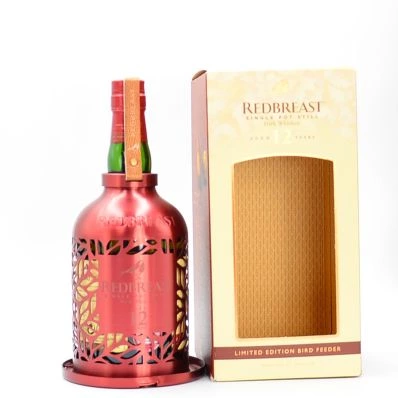 Redbreast 12 Year Old Irish Whiskey Birdlife InternationalSpecial Price £63.98 Regular Price £69.99 Inc VATSaving £6.01
 -
-

Comments