
 Chat with us on WhatsApp


Campbeltown Whisky: Region Guide & Surviving Distilleries
Campbeltown is Scotland’s smallest recognised whisky region, but its influence is much larger than its size suggests. Once known as the “whisky capital of the world”, the town now has only three surviving working distilleries: Springbank, Glen Scotia and Glengyle, whose whisky is bottled as Kilkerran.
For buyers, the Campbeltown whisky region matters because its bottles often carry a distinctive mix of coastal weight, oily texture, restrained smoke and old-style production character. This guide explains where Campbeltown fits, why so many distilleries disappeared, and how the remaining producers differ.
What Is The Campbeltown Whisky Region?
Campbeltown is one of Scotland’s legally recognised whisky-producing localities under the Scotch Whisky Regulations 2009. It sits on the Kintyre peninsula on Scotland’s west coast, separate from the larger Highland, Speyside, Lowland and Islay regions.
The region is unusual because it is defined by a single town rather than a broad area. That narrow geography gives Campbeltown whisky a strong identity, but it also means production is limited. Compared with wider Scotch whisky categories, Campbeltown is a small, specialist segment where distillery identity matters more than volume.
Why Was Campbeltown Called The Whisky Capital Of The World?
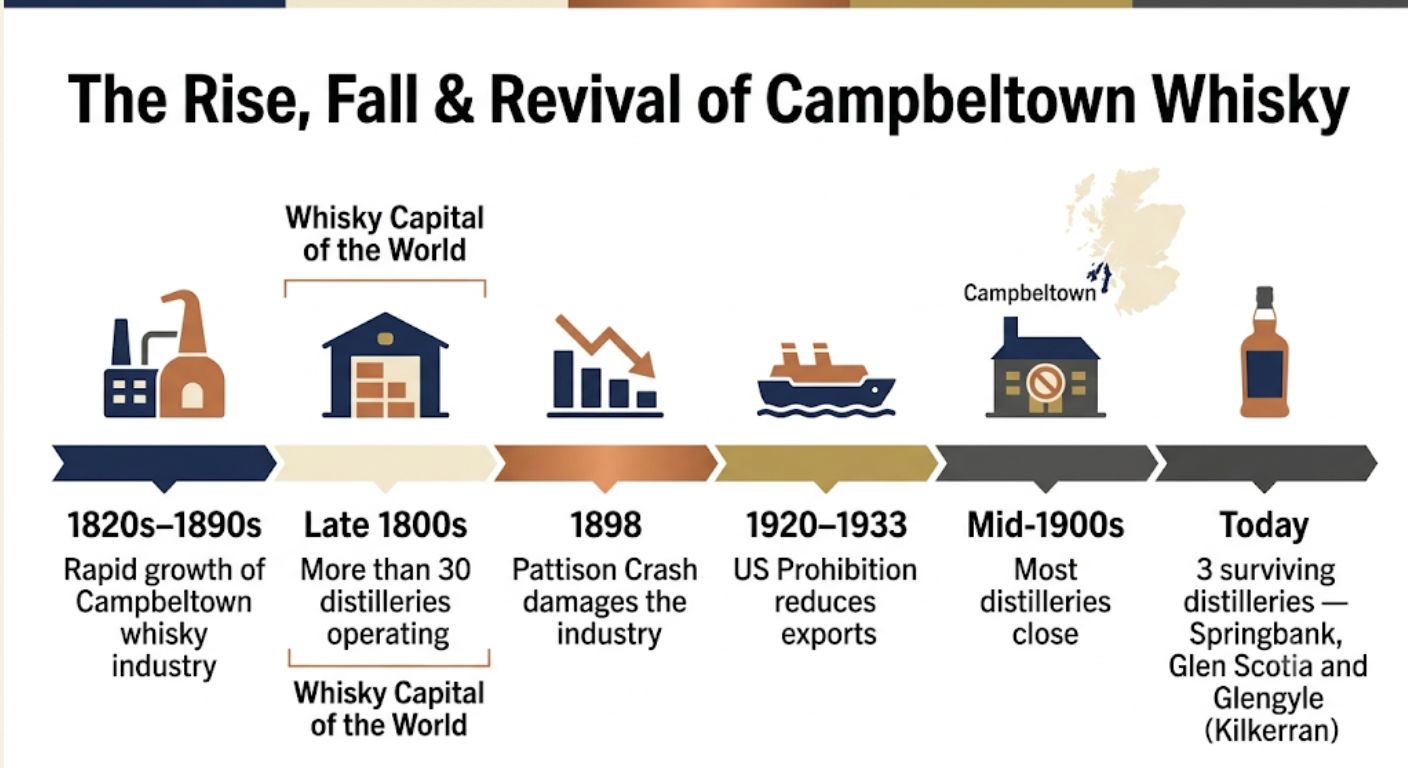
Campbeltown earned that reputation during the 19th century, when more than 30 distilleries operated in and around the town. Its harbour, local barley access, coal links and trading position helped whisky production grow quickly.
At its peak, Campbeltown was not a niche region. It was a major whisky-producing centre with a dense network of distilleries, warehouses, merchants and shipping connections. The town’s scale was extraordinary when compared with its size.
Why Did So Many Campbeltown Distilleries Close?
Campbeltown declined because several pressures arrived together: overproduction, falling quality, changing demand, economic shocks and the impact of US Prohibition. The result was a severe contraction from more than 30 distilleries to only three surviving producers.
- Overproduction: too much whisky was produced too quickly, and quality became inconsistent.
- The Pattison Crash: the late-1890s whisky industry collapse damaged confidence and finance.
- US Prohibition: a major export market was closed between 1920 and 1933.
- Changing transport and trade: Campbeltown became less commercially convenient than larger connected regions.
- Reputation damage: lower-quality output weakened confidence in the region’s name.
The Three Surviving Campbeltown Distilleries
Modern Campbeltown whisky is built around three working distilleries. Each has a different role, and understanding those differences helps prevent buying the wrong style.
Springbank
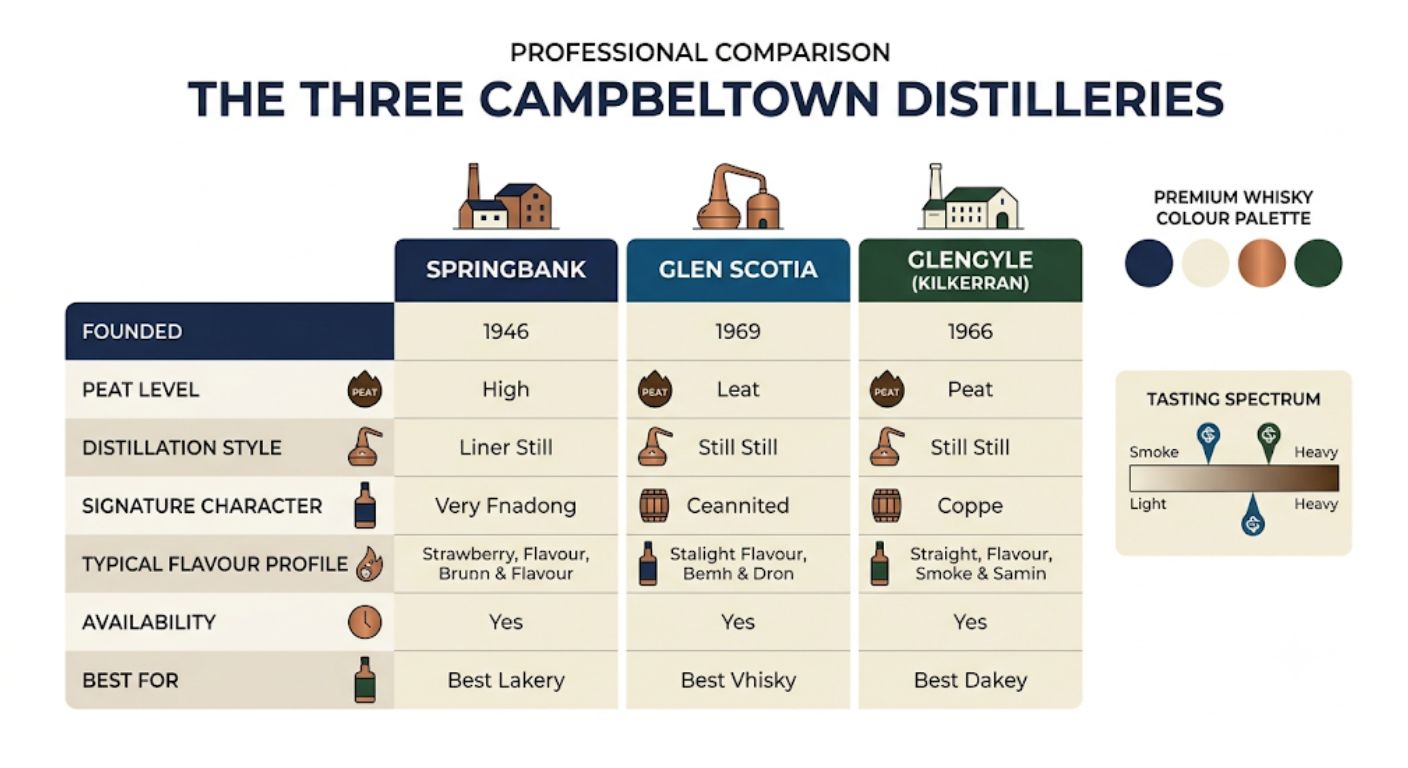
Springbank is the best-known Campbeltown producer and is closely associated with traditional production. It is known for floor malting, on-site production and a distinctive oily, coastal style. Its main Springbank spirit is lightly peated and famously uses 2.5 times distillation.
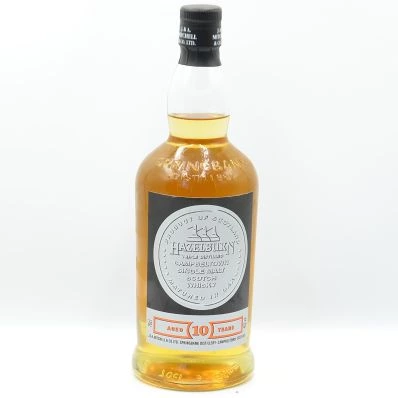
Springbank also produces Longrow and Hazelburn. Longrow is heavily peated and double distilled. Hazelburn is unpeated and triple distilled. This means three very different whiskies can come from the same site.
Glen Scotia
Glen Scotia is usually the most accessible modern Campbeltown distillery for many buyers. Its whiskies often show coastal, maritime and cask-led character without always having the same scarcity pressure as Springbank.
Glen Scotia is a practical starting point if you want Campbeltown character but do not want to chase heavily allocated bottles. We often find our customers underestimate how different Glen Scotia and Springbank can feel in the glass, even though both carry the same regional name.
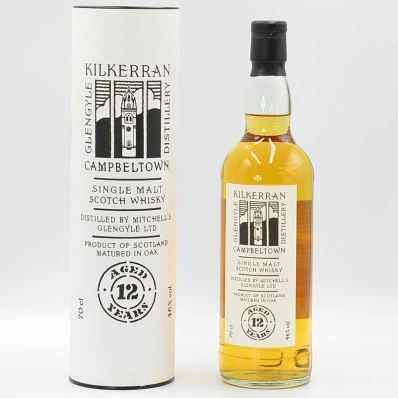
Glengyle / Kilkerran
Glengyle / Kilkerran represents Campbeltown’s modern revival. The distillery reopened in the 2000s, but the whisky is bottled under the Kilkerran name because the Glengyle name was already associated elsewhere.
Kilkerran often appeals to drinkers who want structure, mineral character and a more restrained profile than some heavier Campbeltown styles. It can be an excellent bridge between classic regional character and modern balance.
What Does Campbeltown Whisky Taste Like?
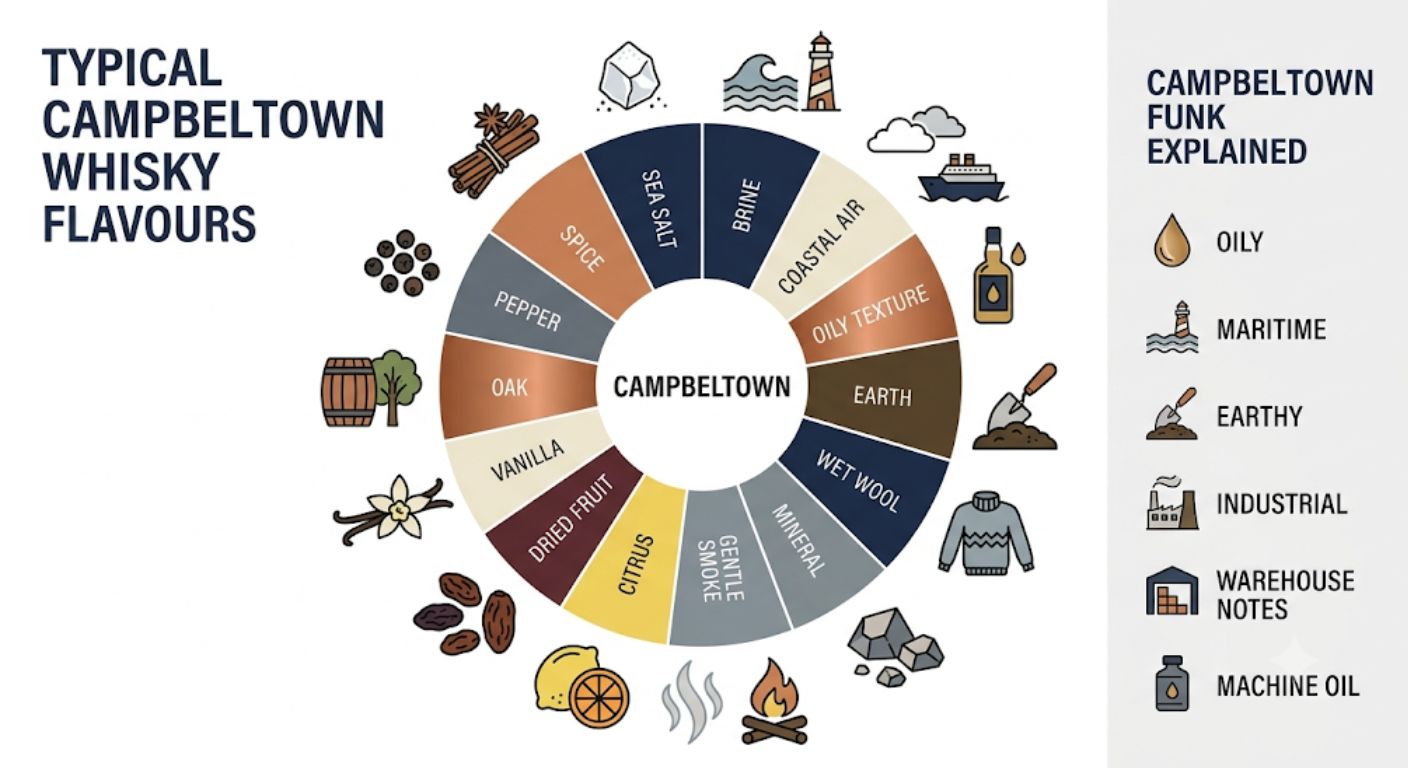
Campbeltown whisky often tastes oily, coastal, earthy and slightly industrial. Common descriptions include brine, sea air, wet wool, dunnage warehouse, machine oil, gentle smoke, dried fruit and mineral notes. Not every bottle shows all of these traits, but the style is often weightier and more characterful than lighter regional malts.
The phrase “Campbeltown funk” is used to describe this unusual mix of savoury, coastal and industrial notes. It is not a fault. It is part of what many enthusiasts actively look for, especially in more traditional bottlings.
Springbank, Longrow And Hazelburn Compared
| Style | Peat Level | Distillation | Typical Character |
|---|---|---|---|
| Springbank | Light to medium peat | 2.5 times distilled | Oily, coastal, complex, lightly smoky |
| Longrow | Heavily peated | Double distilled | Smoky, robust, earthy, maritime |
| Hazelburn | Unpeated | Triple distilled | Cleaner, fruitier, softer, more rounded |
When Campbeltown Whisky Makes Sense
Campbeltown whisky makes sense if you want Scotch with strong distillery identity, traditional production interest and a more distinctive flavour profile than light, easy-drinking malts. It suits buyers who enjoy texture, complexity and regional character.
It may not suit you if you want a very soft, sweet or predictable whisky. Some Campbeltown bottles can feel oily, briny or earthy, and cask-strength releases can be powerful. Always check ABV, cask type and peat level before buying.
FAQ
How many distilleries are left in Campbeltown?
There are three surviving working Campbeltown distilleries: Springbank, Glen Scotia and Glengyle, whose whisky is bottled as Kilkerran. This is a sharp reduction from the town’s 19th-century peak, when more than 30 distilleries operated in the area.
Is Campbeltown an official Scotch whisky region?
Yes. Campbeltown is recognised as a protected Scotch whisky locality under the Scotch Whisky Regulations 2009. Although it is much smaller than regions such as Speyside or the Highlands, it remains one of Scotland’s recognised whisky-producing areas.
Why is Springbank whisky so hard to find?
Springbank is hard to find because production is limited, demand is global, and many releases are allocated quickly. Traditional production methods also limit how much whisky can be made. This creates scarcity, especially for core age statements and limited releases.
What is the difference between Springbank, Longrow and Hazelburn?
Springbank is lightly peated and 2.5 times distilled, Longrow is heavily peated and double distilled, and Hazelburn is unpeated and triple distilled. They come from the same distillery but are designed to show different spirit styles.
Is Campbeltown whisky good for beginners?
Some Campbeltown whisky is suitable for beginners, especially approachable Glen Scotia releases or softer Hazelburn styles. Heavier Springbank, Longrow or cask-strength bottlings may be better for drinkers who already enjoy oily, smoky or coastal whisky.
-
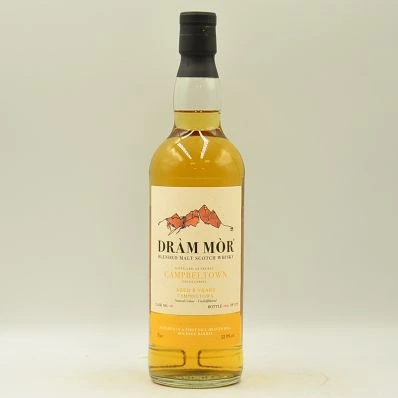
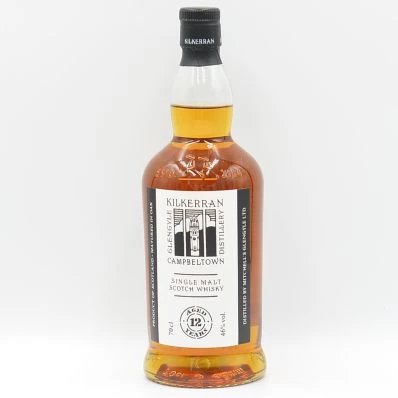 Kilkerran 12 year Old Campbeltown Single Malt WhiskySpecial Price £51.98 Regular Price £59.99 Inc VATSaving £8.01
 -
-
-
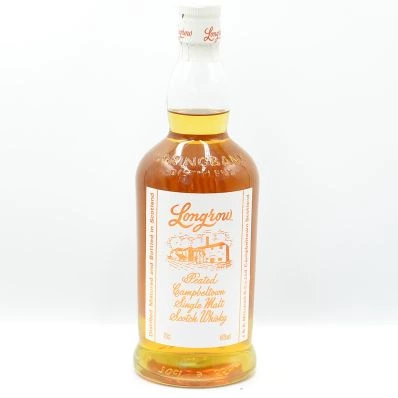 Longrow Single Malt Peated Whisky CampbeltownSpecial Price £48.98 Regular Price £54.99 Inc VATSaving £6.01
 -
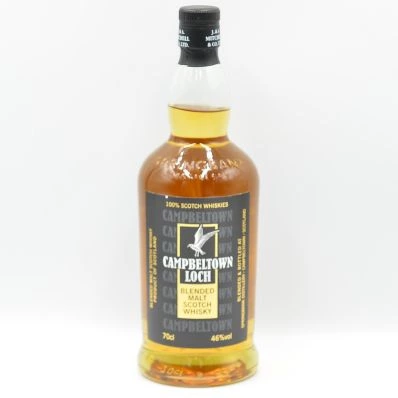 Springbank Campbeltown Loch Blended Scotch WhiskySpecial Price £40.98 Regular Price £43.99 Inc VATSaving £3.01
 -
Final Thoughts
Campbeltown whisky is small in output but large in identity. Its value lies in surviving distillery character, traditional methods and a flavour profile that can feel oily, coastal, mineral and direct.
For a focused selection of bottles from this historic region, explore our Buchanan's guide for related Scotch context, or browse the wider Campbeltown whisky category when choosing your next bottle.

Comments