
 Chat with us on WhatsApp


The Top Father’s Day Whisky Gifts
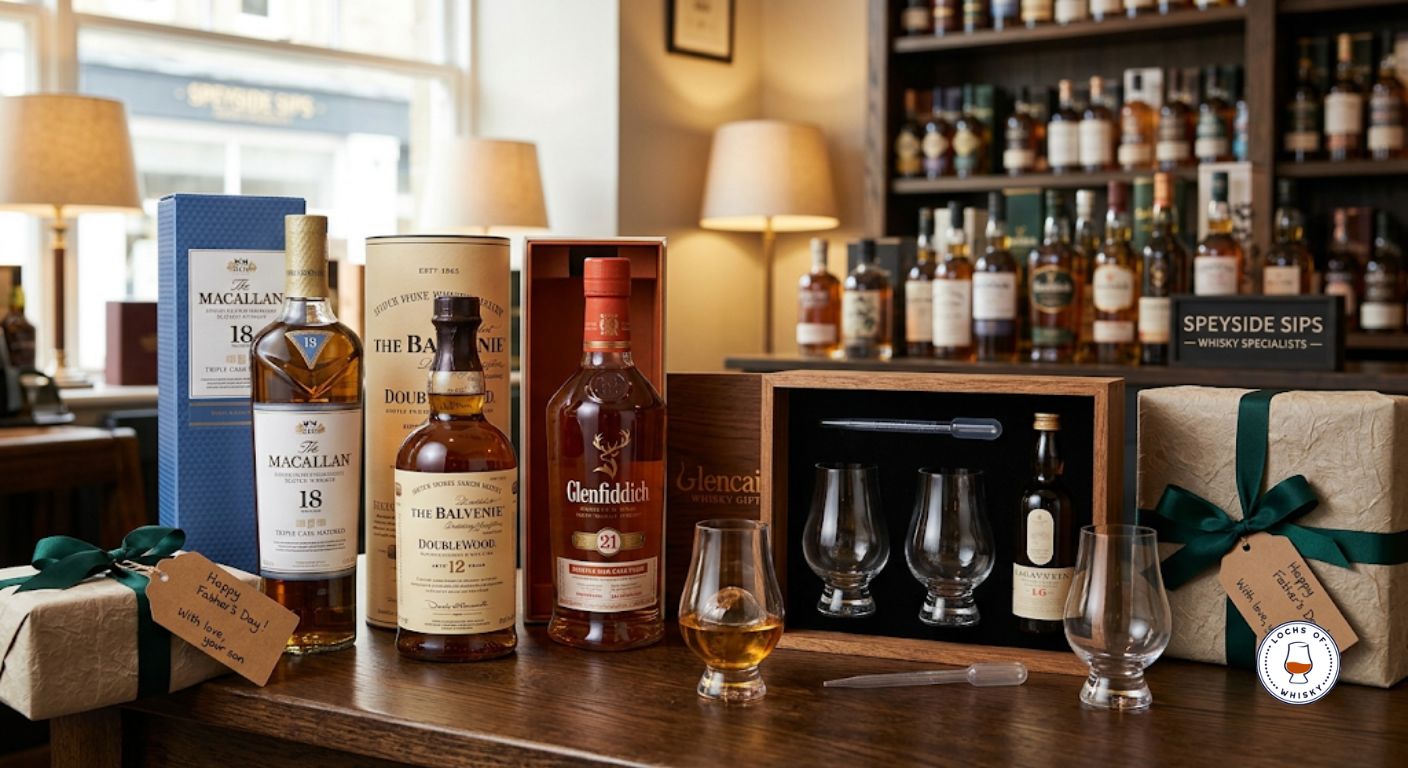
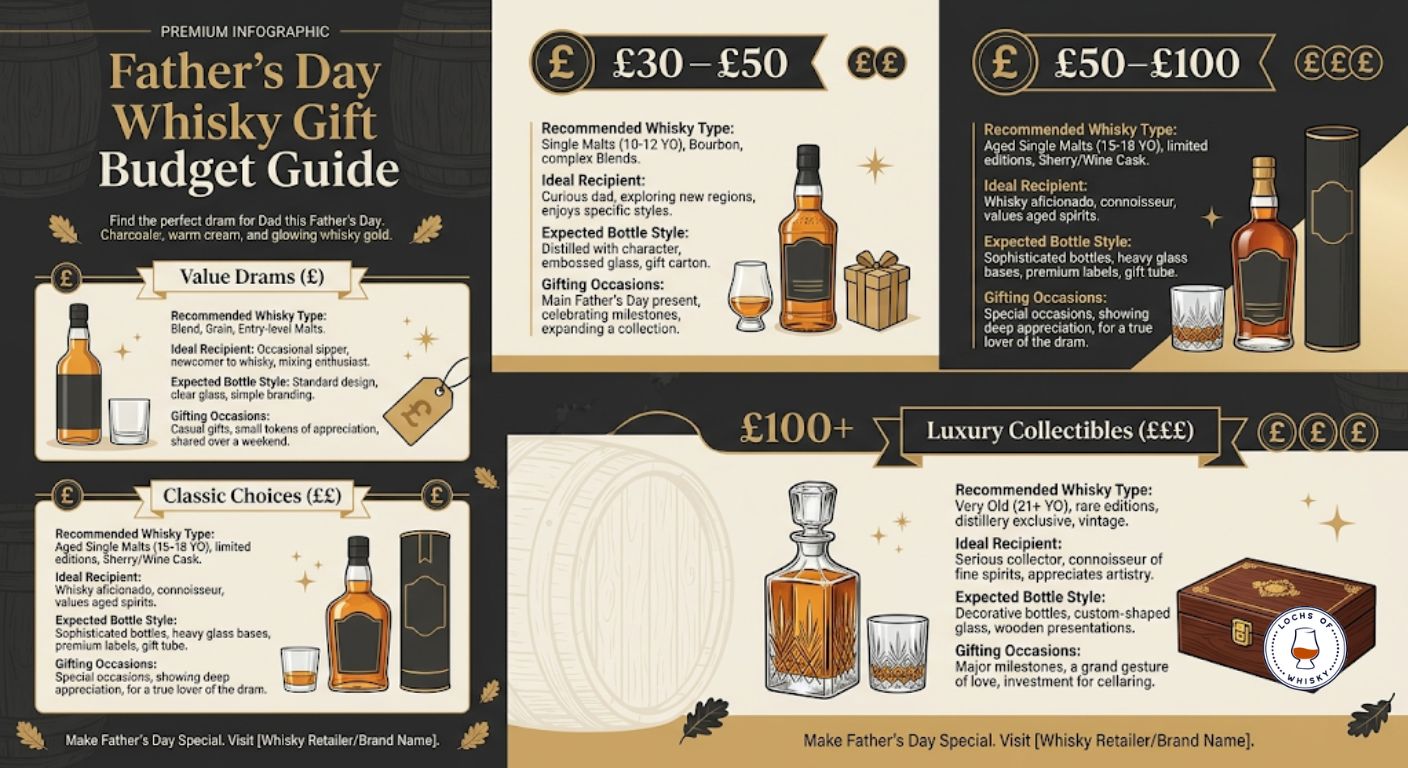
Choosing a Father’s Day whisky gift is easier when you start with what your dad already enjoys rather than looking for the most expensive bottle. His preferred region, level of peat, usual whiskey style and tolerance for higher alcohol strengths are all more useful than age or price alone.
A familiar bottle can be a safe choice, while a tasting set or carefully selected bottle from another region can offer something new without moving too far from his usual tastes. Our wider range of whisky gifts and miniatures includes options for established enthusiasts, occasional drinkers and fathers who enjoy discovering smaller distilleries and independent bottlings.
Father’s Day Whisky Gifts at a Glance
| Type of Dad | Whisky Style | What to Look For | Typical Budget |
|---|---|---|---|
| The traditional Scotch drinker | Single malt or established blend | 40–46% ABV, clear age statement and a familiar regional style | £35–£70 |
| The bourbon drinker | Kentucky bourbon or Tennessee whiskey | Vanilla, caramel, charred oak and 40–50% ABV | £30–£65 |
| The adventurous drinker | Independent or world whisky | Unusual cask finishes, smaller producers or limited releases | £45–£90 |
| The occasional whisky drinker | Approachable blend or Irish whiskey | Balanced flavour, moderate ABV and little or no peat | £25–£50 |
| The collector | Older, discontinued or limited bottling | Provenance, condition, release details and original packaging | £80+ |
| The dad who likes variety | Miniature or tasting selection | Several clearly labelled samples covering different styles | £20–£60 |
What Whisky Should I Buy for Father’s Day?
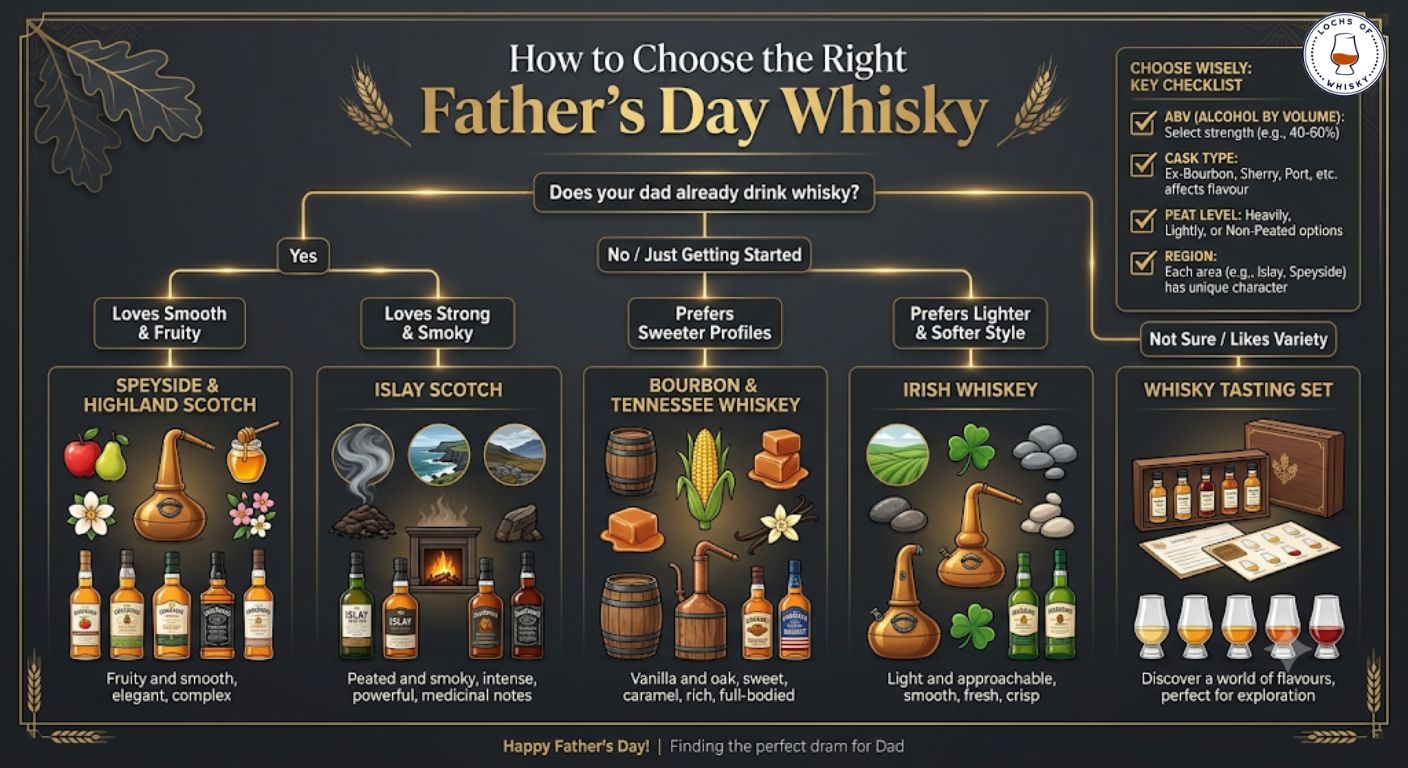
Buy a whisky that connects with the flavours your dad already chooses. Select an unpeated Speyside or Highland malt for someone who enjoys soft fruit and honey, an Islay malt for a peat drinker, or bourbon for someone who prefers vanilla, caramel and charred oak. When his preferences are unclear, choose a varied tasting set rather than one strongly flavoured bottle.
Start by checking any bottles he already owns. Distillery names are useful, but the label can reveal more specific information:
- Region: Speyside, Highland, Islay, Lowland and Campbeltown can provide an initial indication of style, although regional characteristics are not fixed rules.
- ABV: Bottles at 40–46% ABV are usually safer gifts than cask-strength releases above 55% ABV.
- Cask type: Ex-bourbon casks often bring vanilla and citrus, while sherry casks can contribute dried fruit, spice and richer sweetness.
- Age statement: Age indicates maturation time, but it does not guarantee that a whisky will suit the recipient better.
- Peat level: Smoke is one of the most divisive whisky characteristics, so avoid heavily peated bottles unless you know they are enjoyed.
One thing our customers often underestimate is how significant the jump from a familiar 40% bottling to a cask-strength whisky can feel, even when both bottles come from the same distillery.
Best Father’s Day Whisky Gifts UK Buyers Can Consider
1. A Familiar Scotch with a Clear Distillery Identity
A familiar Scotch is a dependable option for a dad who knows what he likes. Look for a bottle from a distillery he already drinks, or remain within the same broad flavour profile. A Speyside drinker may appreciate another fruit-led, lightly spiced single malt, while a coastal or peated whisky drinker may prefer something drier and more maritime.
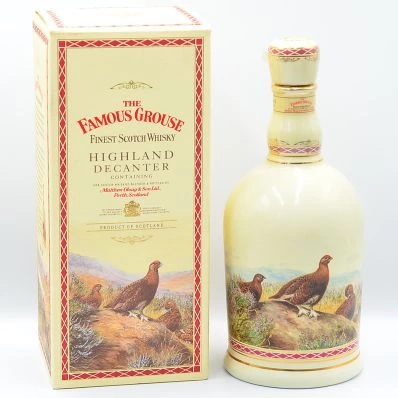
Blended Scotch can also make a suitable gift. Established blends such as The Famous Grouse are built around consistency and accessibility. This can make them more appropriate than a powerful single malt for someone who drinks whisky occasionally or usually serves it with water.
2. An American Whiskey for a Bourbon Drinker
For a dad who likes bourbon, look for flavours associated with new charred American oak: vanilla, caramel, baking spice and toasted wood. A higher rye content may add pepper and spice, while a wheated bourbon will generally feel softer and sweeter.
Tennessee whiskey offers a similarly approachable route. Bottles from Jack Daniel’s will be familiar to many drinkers, making them a lower-risk choice when you know the recipient enjoys American whiskey but do not know which specialist bourbon to choose.
A Scotch matured in virgin oak can also appeal to a bourbon drinker because the fresh oak produces some comparable vanilla and spice notes. It will not taste the same as bourbon, but it can provide a useful bridge into Scotch.
3. Irish Whiskey for a Softer, Accessible Gift
Irish whiskey often suits drinkers who prefer a lighter, smoother style with orchard fruit, cereal sweetness and restrained oak. It can be a practical choice for someone who finds heavily peated Scotch too smoky or cask-strength bourbon too intense.
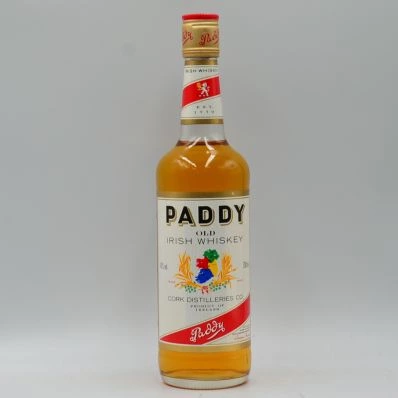
Blended Irish whiskeys, including bottles associated with Paddy, are generally designed for balance and easy drinking. More experienced drinkers may prefer a single pot still or age-stated Irish whiskey with greater spice, texture and cask influence.
4. A Tasting Set for Whisky Discovery
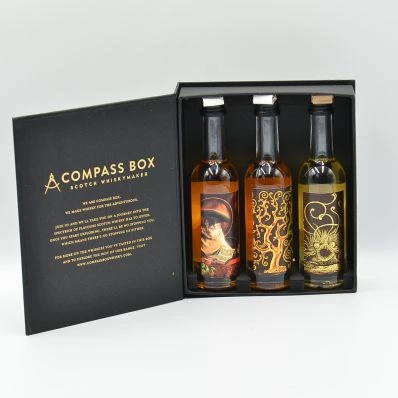
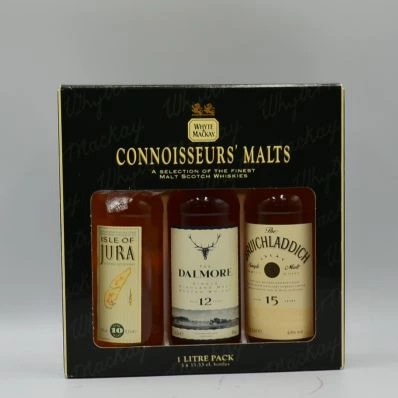
A tasting set makes sense when your dad enjoys trying new bottles or when you are uncertain about his preferences. Several smaller measures allow him to compare regions, cask types or production styles without committing to one full bottle.
Check the sample size before buying. A 30ml miniature provides one standard tasting measure, while 50ml bottles allow a more generous serve or a smaller shared tasting. The strongest sets have clearly identified whiskies rather than anonymous samples and include enough variation to make comparisons meaningful.
A set could focus on:
- peated and unpeated Scotch;
- Speyside, Highland and Islay malts;
- Scotch, bourbon, Irish and world whisky;
- bourbon-cask and sherry-cask maturation; or
- official and independent bottlings.
5. An Independent Bottling for an Experienced Enthusiast
Independent bottlings are particularly suitable for fathers who already know the major distilleries and want to explore less familiar expressions. An independent bottler may release whisky from a single cask, use a different maturation profile or bottle at a higher strength than the distillery’s regular range.
Check whether the bottle is chill-filtered, naturally coloured, single cask or cask strength. These details matter more to an experienced enthusiast than elaborate packaging. They also explain why two bottles carrying the same distillery name can taste quite different.
6. An Older or Collectible Bottle for a Milestone Father’s Day
An older or discontinued bottle can mark an important birthday, retirement or other family milestone. The strongest choices have a clear personal connection, such as a significant vintage, a favoured distillery or a discontinued version of a whisky the recipient previously enjoyed.
Condition is essential. Check the fill level, closure, label, original box and any evidence of leakage. An older bottle should be selected for its provenance and relevance, not simply because the age or packaging makes it appear prestigious.
Best Scotch Whisky Under £50 for Gifts
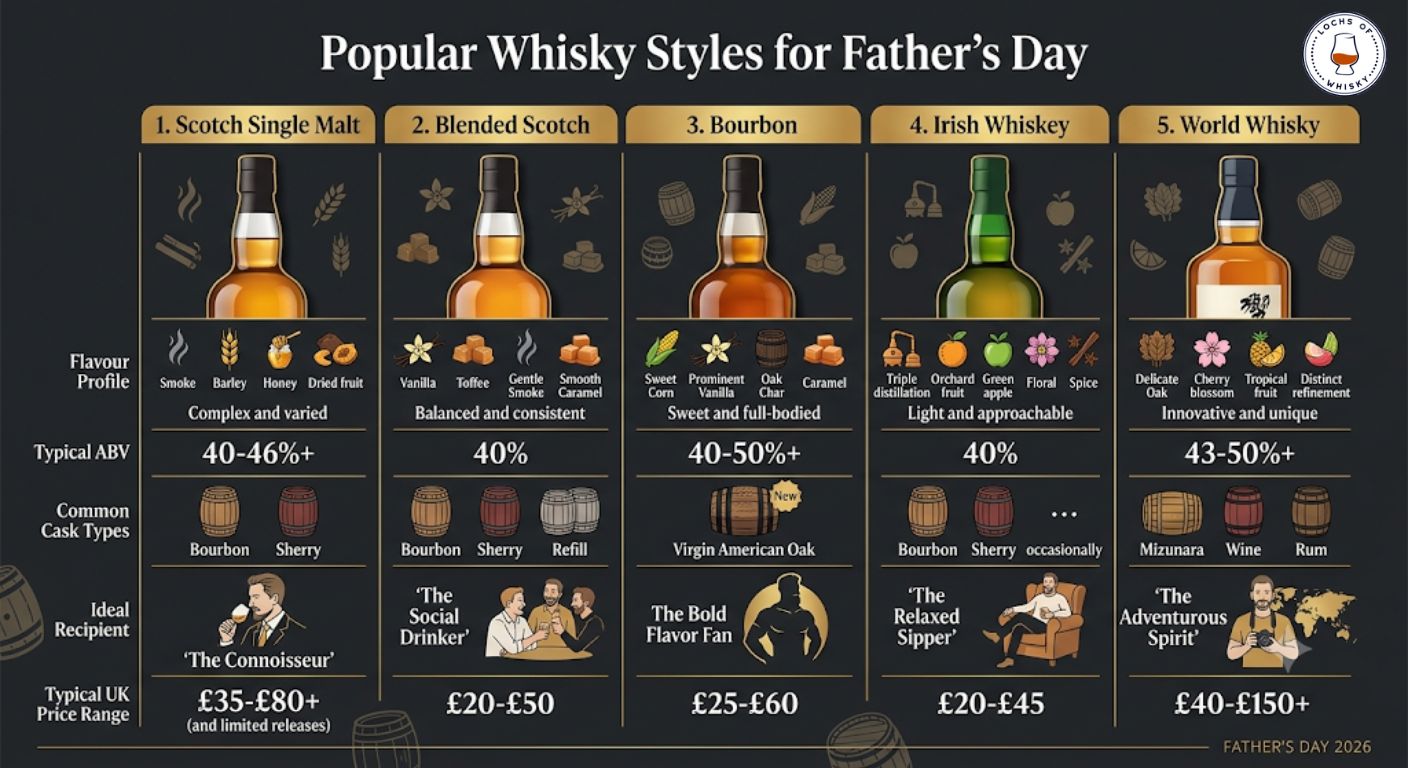
Under £50, choose according to style rather than age alone. A fruit-led Speyside single malt is a reliable option for beginners, a lightly peated blend suits drinkers who want gentle smoke, and a good blended malt can offer more character than a basic blend. Prioritise a recognised flavour profile, clear bottle information and an approachable 40–46% ABV.
This price range includes both single malts and blends, but it is important not to treat the words “single malt” as an automatic quality guarantee. Cask selection, spirit character and balance remain more useful indicators of whether the bottle will make a suitable gift.
Is Single Malt Better Than Blended Scotch for a Gift?
Single malt is not inherently better than blended Scotch. A single malt is produced at one distillery using malted barley, while blended Scotch combines malt whisky with grain whisky from one or more distilleries. Premium examples exist in both categories, so the better gift is the style that most closely matches the recipient’s preferences.
The Scotch Whisky Association’s category definitions provide a useful explanation of the legal distinctions between single malt, single grain, blended malt and blended Scotch whisky.
A single malt often makes sense when your dad follows a particular distillery or region. A blend may be more suitable when he values consistency, drinks whisky in longer serves or prefers a balanced style without one dominant characteristic.
How Cask Type Changes a Father’s Day Whisky Gift
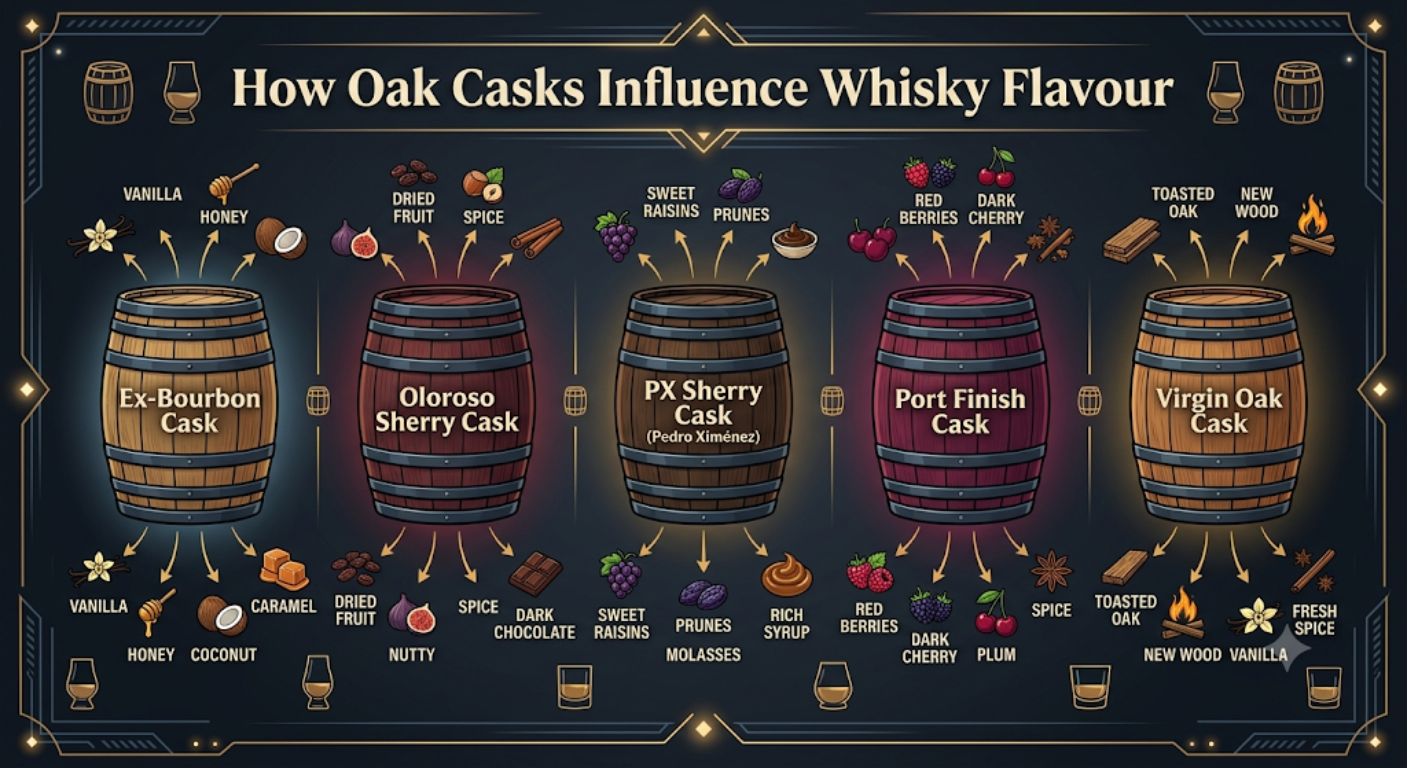
Cask information can help you choose between two otherwise similar bottles. Most Scotch whisky is matured in previously used oak, while bourbon must mature in new charred oak containers. The previous contents and condition of the cask influence the resulting flavour.
- Ex-bourbon casks: Often associated with vanilla, citrus, coconut and lighter oak spice.
- Sherry casks: May contribute dried fruit, nuts, baking spice and a richer texture.
- Port or wine finishes: Can add red fruit, sweetness or tannin, depending on the wine and finishing period.
- Virgin oak: Usually creates stronger vanilla, toasted wood and spice notes.
- Refill casks: Allow more of the distillery’s underlying spirit character to remain visible.
A “finish” means the whisky spent most of its maturation in one cask before moving to another for a shorter period. This is different from full-term maturation in the named cask and can produce a more restrained influence.
When a Premium Whisky Gift Makes Sense
A premium bottle makes sense when you know the recipient’s preferences, the occasion marks a genuine milestone or the bottle has a direct connection to his collection. Higher price alone does not make a gift more thoughtful.
Consider spending more when:
- he collects bottles from a particular distillery or independent bottler;
- you have identified an age statement or vintage with personal significance;
- the bottle is a discontinued expression he has previously enjoyed; or
- you know he is comfortable with higher-strength or more specialist releases.
Avoid an expensive cask-strength or heavily peated bottle when his usual tastes are unknown. In that situation, a balanced full bottle or varied tasting set is a more controlled choice.
Frequently Asked Questions
What is the best whisky for Father’s Day?
The best whisky is one that matches the recipient’s established preferences. Choose by style first: fruit-led Speyside for an approachable Scotch drinker, peated Islay for someone who enjoys smoke, bourbon for vanilla and oak, or a tasting set when you are unsure. Price and age should remain secondary considerations.
What is a good Father’s Day whisky gift under £50?
Look for an approachable single malt, a well-made blended malt, a reliable bourbon or a tasting set with clearly labelled samples. Bottles between 40% and 46% ABV are generally safer for broad gifting. Avoid choosing solely by age statement, packaging or discount level.
Is an expensive whisky always a better gift?
No. Expensive whisky may reflect age, scarcity, cask type, packaging or limited availability, but none of these guarantees that the recipient will enjoy it. A moderately priced bottle in a familiar style is usually a better gift than a costly release with heavy peat, unusual maturation or very high strength.
Should I choose whisky by age statement?
Age can provide useful context, but older whisky is not automatically better. Longer maturation may bring deeper oak influence, while younger whisky can preserve more fresh distillery character. Use age alongside cask type, ABV, region and the recipient’s preferences rather than treating it as the main quality measure.
Is Islay whisky always heavily peated?
No. Islay is strongly associated with peated whisky, but not every Islay release is smoky. Distilleries can produce unpeated spirit, and peat levels can vary substantially between expressions. Check the bottle description rather than relying on the region alone, particularly when buying for someone who dislikes smoke.
Choosing the Right Father’s Day Whisky Gift
The safest approach is to match the bottle to what your dad already drinks, then decide whether to stay familiar or introduce one controlled point of difference. Region, peat, cask type and ABV are usually more informative than age or packaging.
For a dad who enjoys comparing styles or whose preferences are difficult to judge, a curated whisky gift set provides a practical route into several distilleries, regions or cask types without the risk of choosing one unsuitable full bottle.


Comments