Chat with us on WhatsApp


Everything you need to know about Glenesk Distillery
Most popular bottles from the distillery
A brief History
 Glenesk, Highlands Region, Scotland. Founded in 1897.
A Quiet Legacy from the Eastern Lowlands
Let’s be honest — Glenesk isn’t the first name that pops up when folks talk whisky. In fact, unless you’re a serious whisky geek or collector, you might’ve never come across it. That’s because Glenesk, like many distilleries from its era, has slipped into history. But that doesn’t make its story any less worth telling.
Glenesk was founded back in 1897, right in the middle of the whisky boom that saw distilleries springing up like midges in summer. Located near Montrose in Angus, it started life as the Highland Esk Distillery, quickly changed hands, and then changed names a few more times over the decades. It did a bit of everything: grain, malt, blending — Glenesk was a shapeshifter.
Production at Glenesk ended in the early 1980s, and by 1992 it was officially closed. The site itself later became a maltings facility, which it still is today under the control of Diageo. So, while the stills have long since gone quiet, Glenesk’s DNA lives on in the background of many blends — and in the occasional rare single malt bottling.
Flavour Profile:
 |
 |
 |
| Fruity | Spicy | Malty / Cereal |
Glenesk whiskies (when you can find them) tend to have a soft, easy-going character. Expect light orchard fruits, gentle spices, and a clean, malty backbone. Some expressions show a bit more oak and subtle sweetness — but nothing too heavy or bold. It’s a style that reflects its Lowland roots: calm, balanced, and smooth.
Top 4 Flavour Profile Ingredients
 |
Apple / Pear |
 |
Vanilla |
 |
Honey |
 |
Oak / Wood Spice |
Notable Bottles from Glenesk
Glenesk single malts are rare, but here are a few that have made their mark:
-
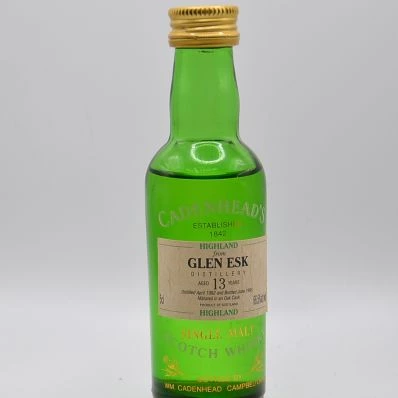
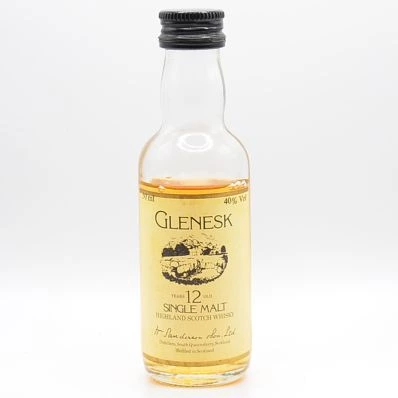
Glenesk 12 Year Old (Rare Malts Selection) – One of the few official bottlings, and quite collectible. Crisp, malty, with delicate spice.
-
Independent Bottlings – Occasional releases from Signatory, Gordon & MacPhail, and others. These are typically older casks, often from the 1970s or early ‘80s.
-
Highland Esk / Hillside Bottles – Earlier names under which Glenesk was sometimes bottled, before it settled on its final name.
.
Join our whisky mad family
Learn more about Whisky as well as enjoying exclusive offers and product news
The Distillery
The Distiller: Glenesk Distillery
Address: Montrose, Angus, Scotland (now a maltings facility)
 Open in maps Open in maps |
 Unavailable Unavailable |
 Unavailable Unavailable |
Visitor Centre
No visitor centre is available, as Glenesk no longer operates as a distillery. The site is now used as an industrial maltings plant under Diageo’s ownership and isn’t open to the public.
Ownership & History
Current Site Owner:
-
Diageo (as part of their maltings network)
Former Names & Owners:
-
1897: Founded as Highland Esk Distillery by Septimus Parsonage
-
1919: Purchased by J. F. Caille Heddle
-
1938: Became a grain distillery under the name Montrose
-
1964: Converted back to malt and renamed Glenesk
-
1985: Closed permanently
-
1992–present: Site repurposed as a maltings facility by Diageo
Glenesk’s many name changes and roles make it one of the more complex distilleries to track — Highland Esk, Montrose, Hillside, and finally Glenesk. Whichever name it wore, its character remained light and approachable.
Distillery Facts
Overview & History
Glenesk Distillery was located in Hillside near Montrose, Angus, and had one of the most complicated histories of any Scotch distillery.
Originally founded in 1897 as Highland Esk Distillery, it later operated under several names, including:
- Highland Esk
- Hillside
- Glenesk
The distillery also briefly produced malt whisky under different styles and names depending on ownership and production requirements.
Glenesk closed permanently in 1985 during the major Scotch whisky downturn and was later demolished.
Production
- Spirit Type: Single malt Scotch whisky
- Region: Highlands
- Production Role: Primarily blending component
- Stills: Copper pot stills
- Operational Complexity: Produced multiple whisky styles over its history
At different times, the distillery experimented with various production methods and whisky profiles, making its history unusually complex.
Whisky Style
Glenesk whisky is generally described as:
- Medium-bodied
- Malty and waxy
- Citrus and herbal notes
- Gentle spice
- Dry, structured finish
Older bottlings often display distinctive mineral and oily characteristics.
Key Expressions
Official bottlings are rare and mostly historical, including:
- Rare Malts Selection Glenesk
- Independent bottlings from surviving casks
- Older Diageo-era releases
As a closed distillery, all remaining stocks are finite.
Significance
Glenesk is regarded as one of Scotland’s more unusual lost distilleries due to its changing identities and production styles throughout its lifetime.
Its surviving bottlings are particularly valued by enthusiasts interested in closed distilleries and lesser-known Highland malts.
Glenesk Whisky to Buy
Carefully Packed
& Protected
Every bottle is securely packed to ensure it arrives safely.
Free UK Delivery
Over £99
Secure delivery across the UK. Excludes Highlands & Islands.
Expert Whisky
Advice
Our whisky specialists are on hand to help you choose.