
 Chat with us on WhatsApp


Best Whisky Under £200
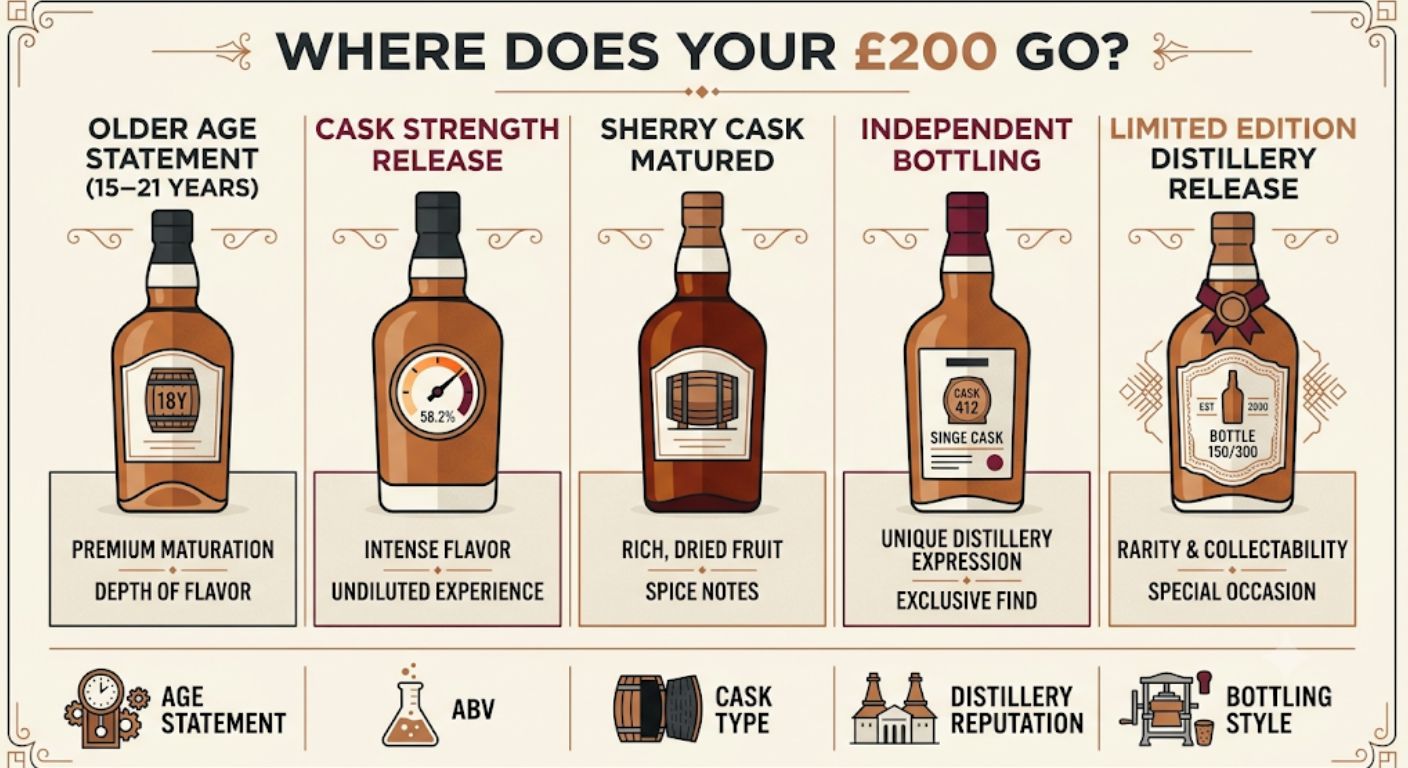
Buying whisky under £200 is less about chasing the highest price and more about knowing where the money goes. In this range, you can find older age statements, cask-strength releases, sherry-led single malts, limited independent bottlings and serious gifting bottles without moving into true luxury pricing.
For buyers comparing bottles in this bracket, the strongest options usually show clear distillery character, honest specifications and a flavour profile that suits the occasion. Our Best Scotch 100 to 250 selection is a useful starting point if you want to compare bottles in this higher-quality price range.
What Makes a Whisky Worth Buying Under £200?
A whisky under £200 should justify its price through more than packaging. Look for evidence in the bottle details:
- Age statement: 15, 18 and 21 year old whiskies can offer mature oak, deeper texture and more developed flavour.
- ABV: Bottles at 46% ABV or above often carry more weight and flavour concentration.
- Cask type: Sherry, bourbon, port, wine and refill casks all shape the final character.
- Bottling style: Single cask, small batch and independent bottlings can offer more individuality.
- Integrity specs: Natural colour and non-chill filtration are useful quality indicators, especially for enthusiast buyers.
The best bottles in this range usually feel specific. They have a clear distillery, cask, age, bottler or production reason behind them. If the label gives little information beyond a luxury name, the value is harder to judge.
Best Styles of Whisky Under £200
Older Single Malt Scotch
Older single malt is one of the safest areas to explore under £200. Many 15 to 18 year old bottles still sit within this range, although availability varies by distillery and release.
This is where distillery character becomes more important. A sherried Highland malt, a coastal Island malt and a smoky Islay-style whisky can all sit near the same price, but they suit very different drinkers. For broader smoky styles, our Best Peated Whisky buyer’s guide gives the wider context without replacing this price-led guide.
Sherry-Cask Whisky
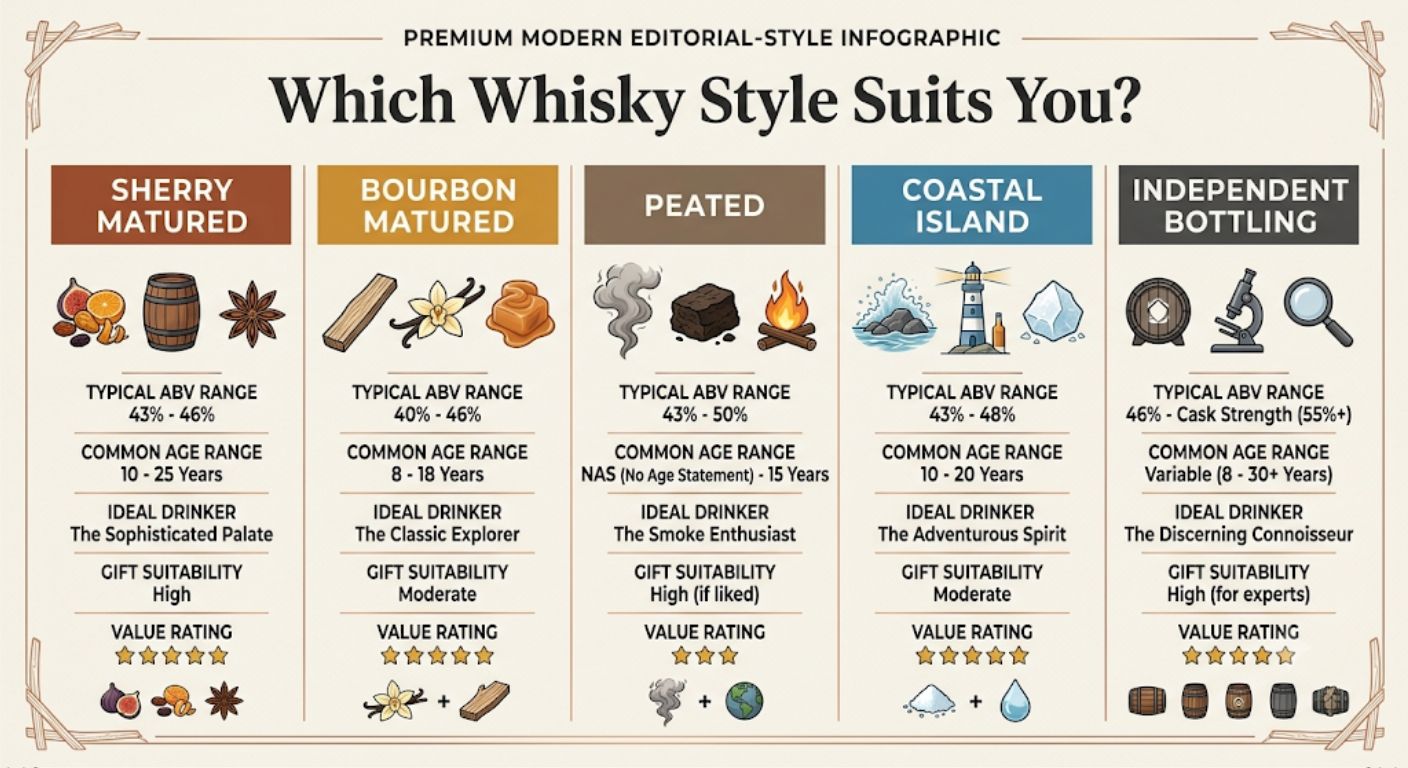
Sherry influence is common in this bracket because buyers often expect richness, depth and a sense of occasion. Oloroso casks tend to bring dried fruit, spice and walnut notes. Pedro Ximénez casks usually lean sweeter, with raisin, date, treacle and dark chocolate character.
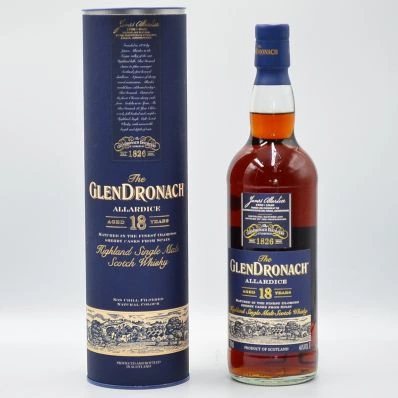
Distilleries such as Glendronach are closely associated with sherry-led Scotch, making them relevant for buyers who want a fuller, darker style. The key is to check whether the whisky is fully sherry matured or only finished in sherry casks, as the difference affects both flavour and price.
Peated and Coastal Whisky
Peated whisky under £200 can deliver real character, but it is not always the safest gift choice. Smoke, iodine, seaweed, medicinal peat and bonfire notes can be divisive.
For confident peat drinkers, distilleries such as Ledaig offer bold coastal character, often with strong value compared with more famous smoky names. We find our customers are often surprised by how much ABV matters here: a cask-strength peated whisky can feel far more intense than a 46% bottle from the same broad style.
Island and Maritime Whisky
Island whisky can be a strong choice under £200 because it often balances smoke, salt, fruit and oak rather than pushing one flavour too far. It works well for drinkers who want complexity without choosing a heavily medicinal Islay profile.
Highland Park is a useful reference point for this style, with a reputation for combining gentle smoke, sherry influence and Orcadian distillery identity.
Independent Bottlings
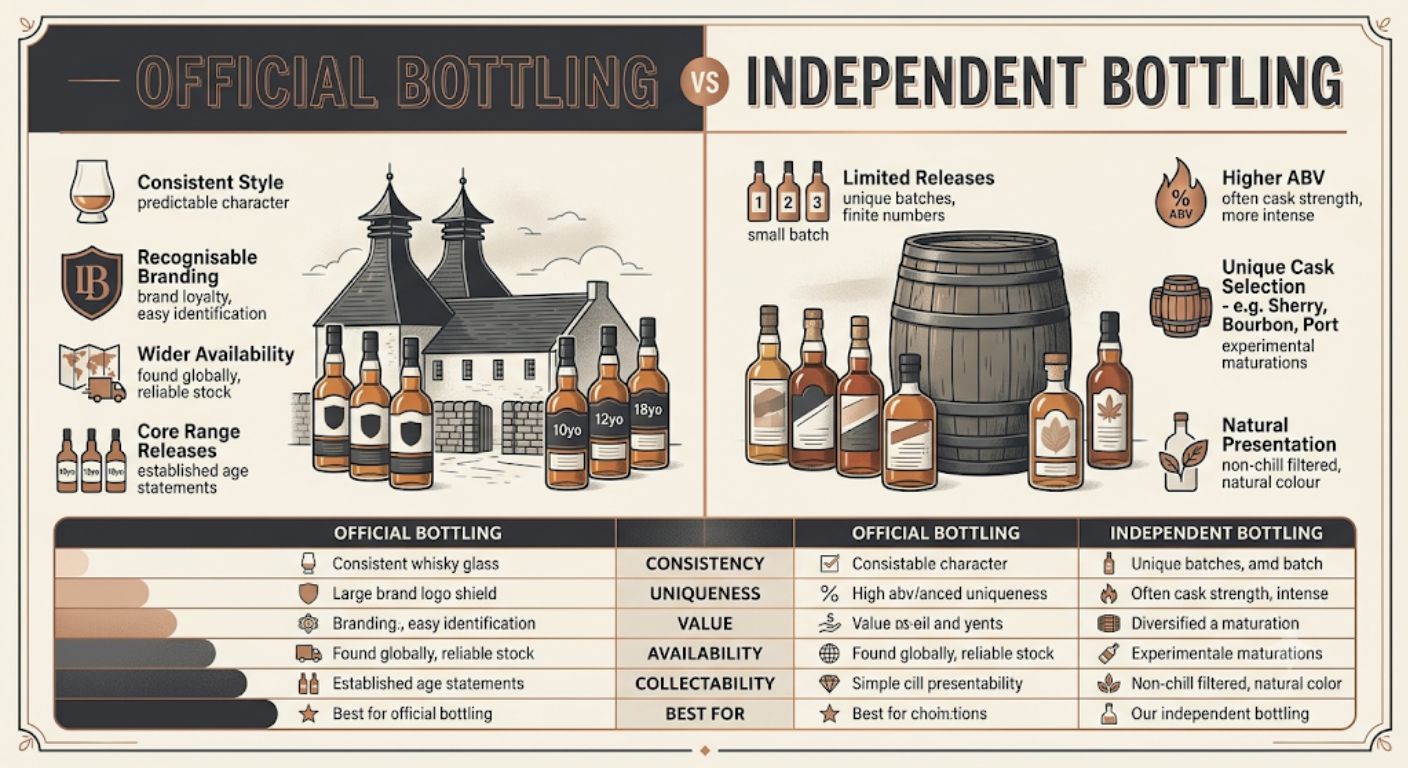
An independent bottling is a whisky distilled at one distillery but selected and bottled by a separate company under its own label. These releases can offer single-cask character, unusual maturation and strong liquid value, especially when the distillery’s official bottlings carry a brand premium.
Under £200, independent bottlings are often worth serious consideration. You may find older age statements, higher ABV, natural colour and non-chill filtration at prices that compare well against official releases. The trade-off is that each bottle can be more specific and less predictable.
How to Choose the Best Whisky Under £200
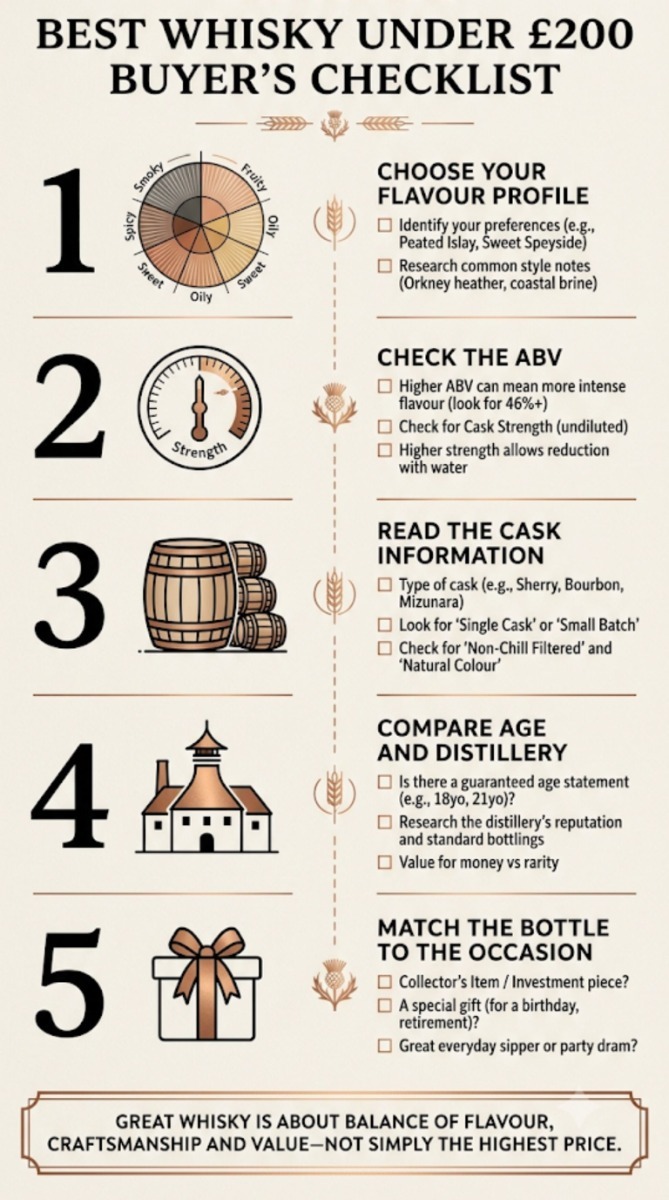
- Start with the drinker’s flavour preference. Sherry, peat, bourbon-cask fruit, coastal salt and cask strength all suit different buyers.
- Check the ABV. 46% is a good marker for presence. Cask strength is better for experienced drinkers.
- Read the cask information. A first-fill sherry cask and a refill hogshead will produce very different whisky.
- Do not chase age alone. A well-made 12 or 15 year old can outperform a tired older whisky.
- Match the bottle to the occasion. Gifting, collecting and drinking all require different levels of risk.
For buyers focused specifically on this price band, the Scotch Whisky £100 - £200 range keeps the search tighter and avoids drifting into lower everyday bottles or much higher collector pricing.
Is Whisky Under £200 Collectible?
Some bottles under £200 can be collectible, but that does not make them a safe investment. Collectibility usually depends on scarcity, distillery reputation, discontinued status, bottler interest and condition. A limited single cask from a respected distillery may attract more attention than a widely available premium bottle.
Whisky should not be treated as a guaranteed financial return. Auction interest can change, storage matters, fees reduce margins and demand is not evenly spread across all distilleries.
When This Price Range Makes Sense
Whisky under £200 makes most sense when you want a bottle with more depth, age or individuality than standard shelf options. It is a good range for milestone gifts, serious home drinking, sherry-led single malts, independent bottlings and bottles from distilleries with strong enthusiast followings.
It may not be the right range for someone new to whisky unless you already know their preferred style. A heavily peated, cask-strength or unusual wine-cask release can be excellent for the right drinker and completely wrong for someone expecting a soft, easy dram.
-
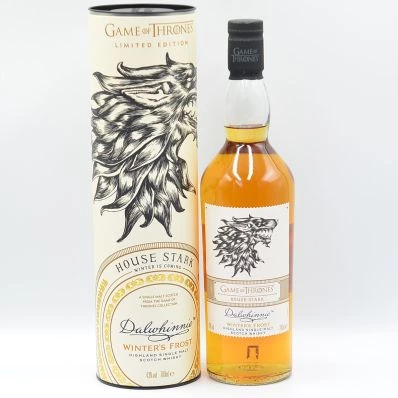 Game Of Thrones Whisky Dalwhinnie Winter's Frost House StarkSpecial Price £104.98 Regular Price £134.99 Inc VATSaving £30.01Out of stock
 -
-
-
-
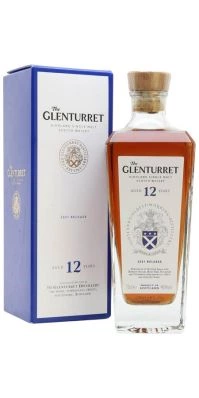
-
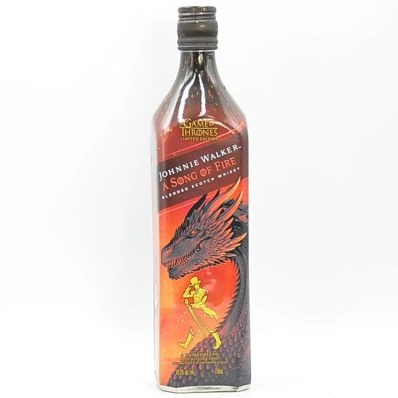 Game of Thrones Whisky Johnnie Walker A Song Of FireSpecial Price £139.98 Regular Price £144.99 Inc VATSaving £5.01
 -
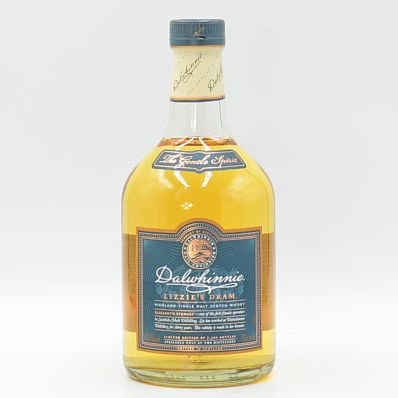
-
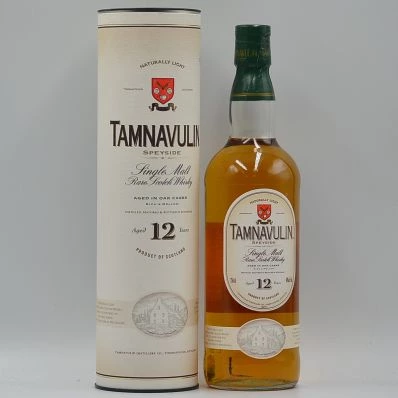
-
-
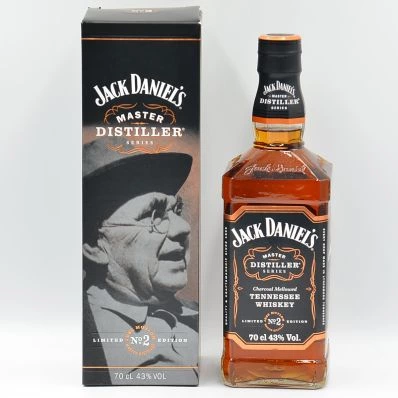 Jack Daniel's - Master Distiller Batch 2 Jess Motlow Limited Edition Bourbon Whiskey£164.99 Inc VATOut of stock
 -
-
FAQ
What is the best whisky under £200?
The best whisky under £200 is usually the one that matches the drinker’s preferred style while offering clear value through age, cask type, ABV or bottling detail. For most buyers, strong options include mature single malts, sherry-cask Scotch, coastal Island whisky and well-selected independent bottlings.
Is cask strength whisky worth buying under £200?
Cask strength whisky can be very good value under £200 if the buyer enjoys stronger, more concentrated drams. It gives more control because water can be added gradually. It is less suitable as a blind gift unless the recipient already drinks higher-ABV whisky.
Should I buy official bottlings or independent bottlings?
Official bottlings are often safer for gifting because the distillery name is familiar and the style is more consistent. Independent bottlings can offer better value, higher ABV and more unusual cask character, but they require more attention to the label details.
Are no age statement whiskies worth buying under £200?
Some no age statement whiskies are worth buying, but the label needs to justify the price in other ways. Look for clear cask information, strong ABV, limited-release context, natural colour or non-chill filtration. Without those details, an age-stated whisky may be easier to assess.
Is whisky under £200 good for gifting?
Yes, but only if the style is chosen carefully. Sherry-led and balanced Highland or Speyside styles are usually safer than heavily peated or very high-ABV bottles. For enthusiasts, a specific distillery, independent bottler or cask type can make the gift feel more considered.
Final Thoughts
The best whisky under £200 should feel purposeful. Look for age, cask detail, ABV, distillery character and bottling transparency before judging the label or packaging. This is a strong price range for serious drinkers, careful gifters and collectors who want interest without moving into very high-end pricing.
If you are comparing bottles now, start with the style you want, then use the bottle details to narrow the choice. The most useful shortlist will usually come from clear, well-specified releases rather than the most expensive-looking bottle on the shelf.

Comments