
 Chat with us on WhatsApp

How Much Is A Cask Of Whisky?
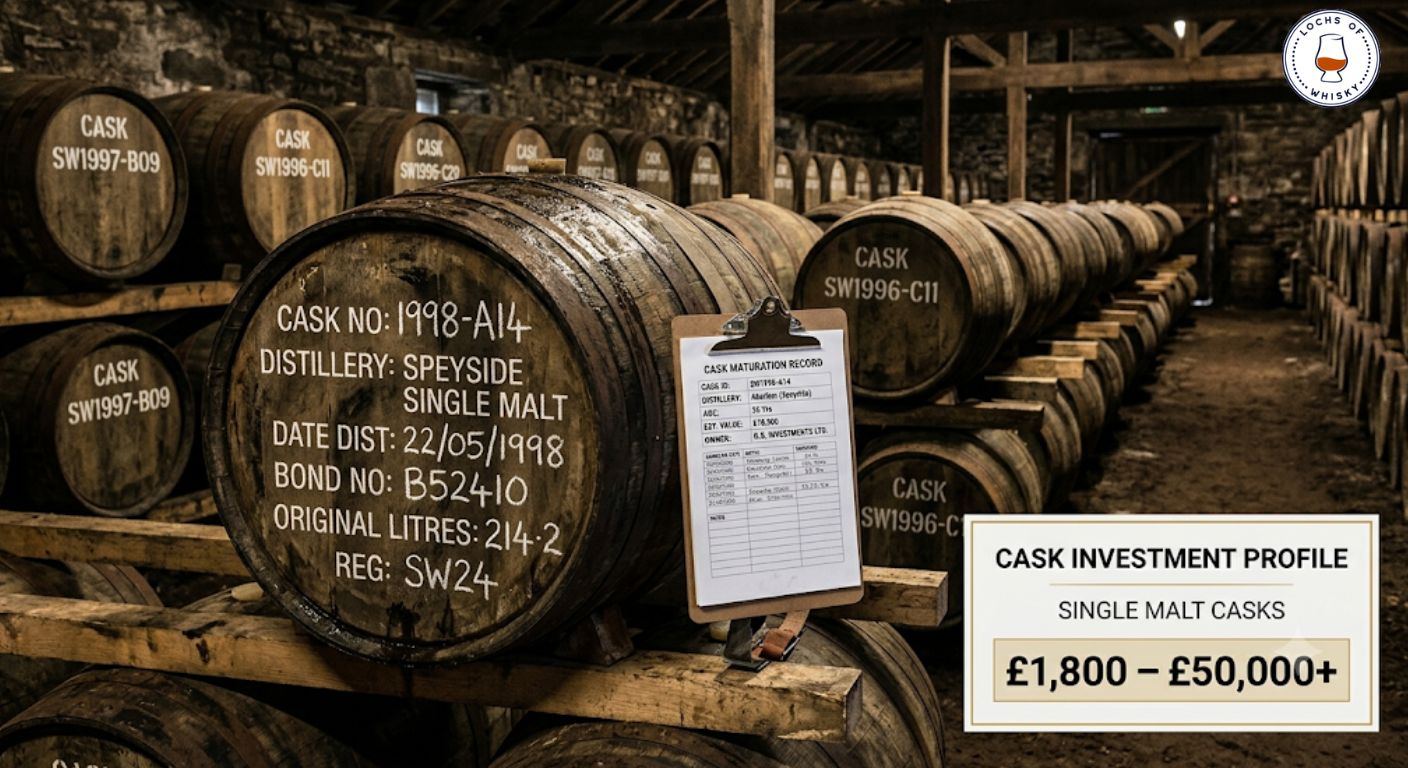
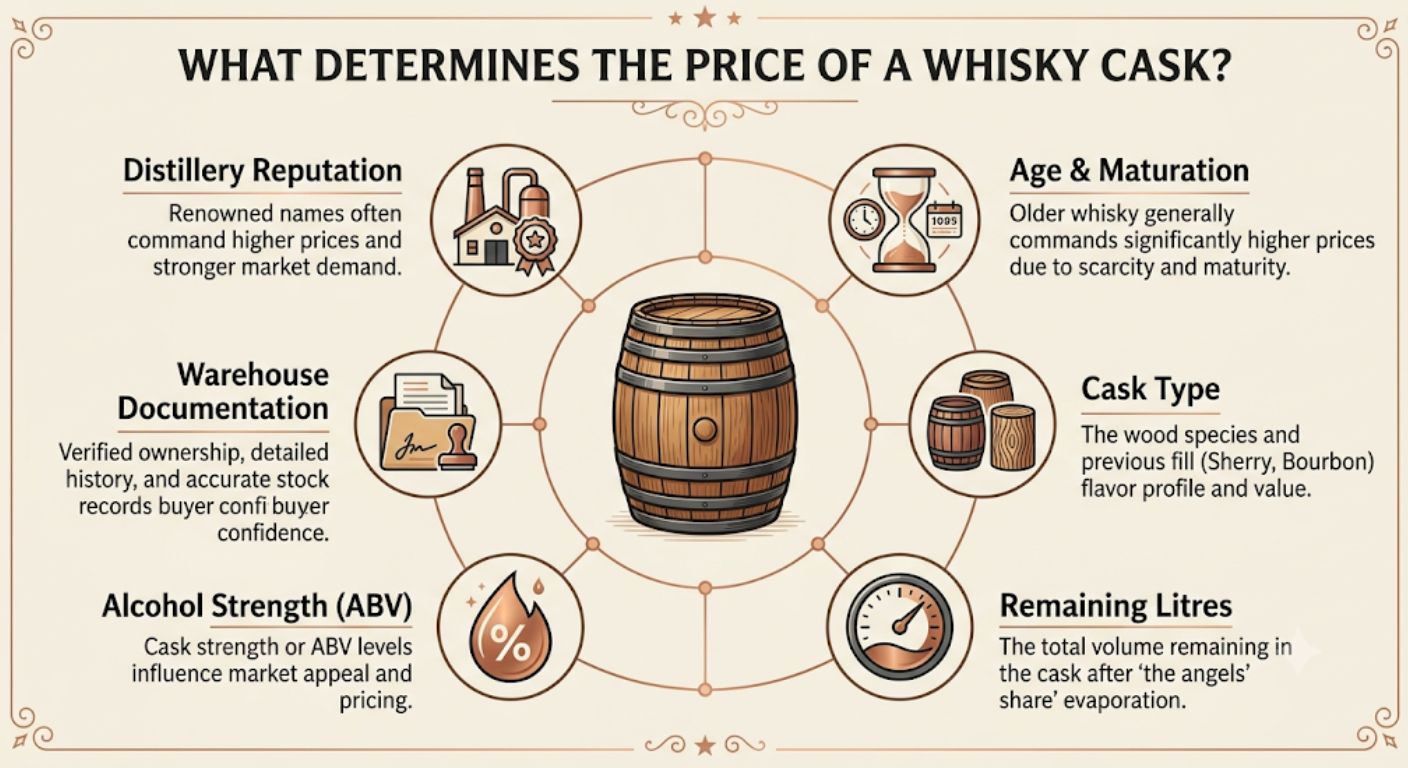
A cask of Scotch whisky can cost from around £1,800 for young new-make spirit to more than £50,000 for an older cask from a recognised distillery. Exceptional mature casks can cost considerably more. The purchase price depends on the distillery, age, cask type, remaining volume, alcohol strength and whether the distillery name can be used when the whisky is bottled.
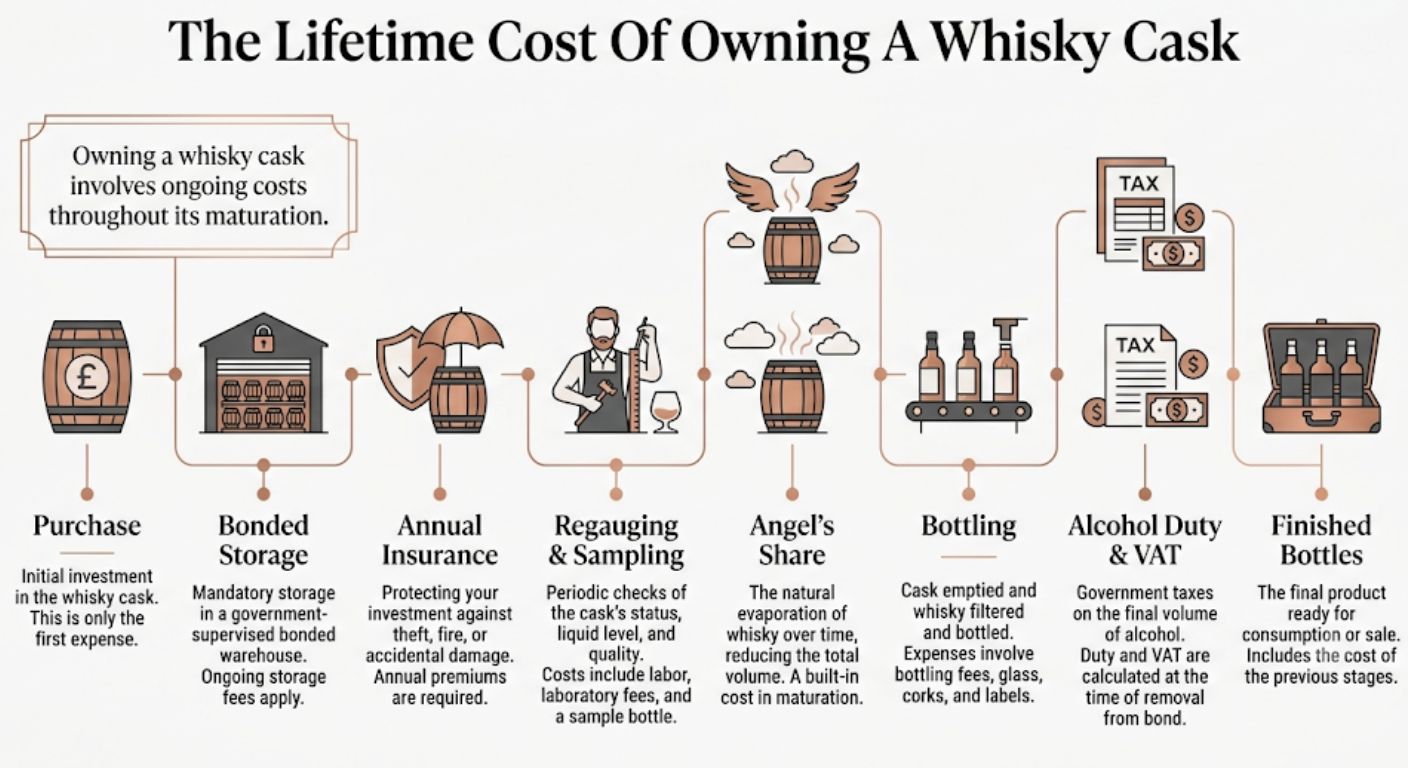
The headline price is only part of the calculation. Buyers must also account for bonded storage, insurance, regauging, bottling, Alcohol Duty and VAT. Those looking at mature or discontinued releases can compare the wider context through our old and rare whisky collection, but buying an entire cask involves different ownership, storage and exit considerations from buying individual bottles.
Typical Whisky Cask Prices
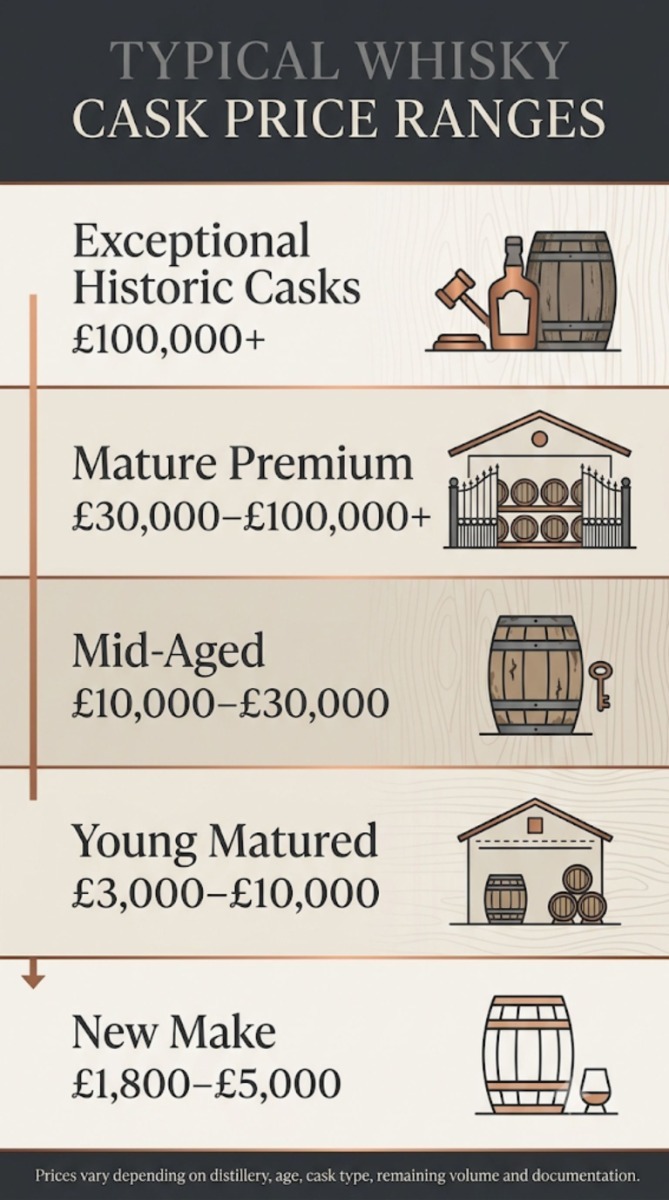
There is no standard price for a whisky cask. Two casks filled at the same distillery in the same year can have different values because of their size, wood type, alcohol strength and remaining liquid.
| Cask category | Typical price range | What the buyer is purchasing |
|---|---|---|
| New-make spirit | Approximately £1,800–£5,000 | Spirit under three years old that cannot yet legally be called Scotch whisky |
| Young Scotch whisky | Approximately £3,000–£10,000 | A cask that has matured for at least three years but may require a long further holding period |
| Established mid-aged cask | Approximately £10,000–£30,000 | Whisky with a clearer maturation history and a shorter route to common age statements |
| Older or recognised-distillery cask | £30,000–£100,000+ | Mature whisky where provenance, naming rights, condition and scarcity carry greater weight |
| Exceptional mature cask | £100,000 to several million pounds | Highly unusual stock from prestigious, closed or historically significant distilleries |
These figures are broad market ranges rather than fixed valuations. A low initial price does not automatically represent better value. It may reflect young spirit, limited documentation, a lesser-known producer, restricted naming rights or a cask that will require many more years of storage.
What Determines The Price Of A Whisky Cask?
Distillery Reputation And Naming Rights
Casks associated with established distilleries generally cost more because bottlers and buyers already recognise the producer. However, ownership of the liquid does not always include permission to use the distillery’s name on a future label.
A cask sold as an unnamed Speyside or Highland malt may contain whisky from a known producer, but contractual restrictions can prevent the owner from identifying it publicly. That restriction may materially affect the cask’s resale and bottling options. Buyers should obtain written confirmation of naming rights rather than relying on verbal descriptions.
Age And Maturation
Older whisky normally carries a higher price because the owner has already absorbed years of storage, evaporation and risk. Age alone is not enough to establish quality or value. The condition of the spirit, remaining alcohol strength and suitability of the cask must also be assessed.
Whisky does not improve indefinitely. A tired or overly active cask can produce unbalanced spirit, while an older cask approaching 40% ABV may have limited time left before bottling becomes necessary.
Cask Size And Wood Type
Cask capacity affects both the amount of liquid purchased and the speed of maturation. Common Scotch whisky cask sizes include:
- American standard barrel: usually around 180–200 litres.
- Hogshead: usually around 225–250 litres.
- Butt: commonly around 475–500 litres.
- Puncheon: often around 450–500 litres, although dimensions vary.
Ex-bourbon barrels and hogsheads are widely used and are generally less expensive than high-quality first-fill sherry butts or puncheons. The previous contents, number of earlier fills and condition of the oak all influence the price.
A first-fill cask usually contributes flavour and colour more quickly than a refill cask. That does not automatically make it superior. Refill wood can support longer maturation by allowing the distillery character to remain more prominent.
Remaining Volume And Alcohol Strength
Cask listings may show original litres of alcohol, remaining litres of alcohol, bulk litres or a projected bottle yield. These figures are not interchangeable.
- Bulk litres: the physical volume of liquid remaining in the cask.
- ABV: the percentage of that liquid which is alcohol.
- Remaining litres of alcohol: the quantity of pure alcohol still present.
- Estimated bottle yield: the likely number of bottles after dilution, processing and bottling losses.
A 250-litre cask that was filled several years ago will not necessarily still contain 250 litres. Evaporation reduces both the volume and, depending on warehouse conditions, the alcohol strength.
We often find that our customers focus first on the distillery name, but the regauged litres and current ABV can tell you more about what is physically left in the cask.
How Many Bottles Are In A Whisky Cask?
A standard 200-litre barrel may initially contain enough liquid for approximately 285 bottles at cask strength if every litre were recoverable. In practice, maturation losses, bottling losses and dilution mean the final outturn will differ. A current regauge is more useful than the cask’s original capacity.
| Cask type | Typical capacity when filled | Approximate 70cl bottle equivalent before losses |
|---|---|---|
| Barrel | 180–200 litres | 257–285 bottles |
| Hogshead | 225–250 litres | 321–357 bottles |
| Butt | 475–500 litres | 678–714 bottles |
| Puncheon | 450–500 litres | 642–714 bottles |
These figures divide the stated liquid capacity by 0.7 litres. They do not account for the angel’s share, sediment, sampling, filtration, bottling losses or dilution to the final bottling strength.
What Ongoing Costs Come With A Whisky Cask?
The cask’s purchase price should be treated as the starting cost rather than the complete cost. Annual and eventual charges can materially change the economics of ownership.
Bonded Storage
Scotch whisky normally remains in an approved bonded warehouse while it matures. Alcohol Duty is suspended while the spirit stays in bond. Storage charges vary by warehouse and agreement, but private owners may pay approximately £20–£100 per year for storage and basic administration.
Some agreements include several years of storage within the original price. Buyers should confirm what happens after that period, how charges can change and whether the warehouse will deal directly with them.
Insurance And Regauging
Insurance may be included with storage or charged separately. The policy should cover the cask at an appropriate value rather than simply covering the warehouse operator’s general liability.
A regauge measures the remaining bulk litres and alcohol strength. It may also involve sampling the whisky. Periodic regauging helps establish the physical condition of the asset, but each procedure may incur a warehouse and administration fee.
Alcohol Duty And VAT
Alcohol Duty becomes relevant when the whisky is removed from bond for bottling or other domestic release. From 1 February 2026, spirits above 22% ABV are charged at £33.99 per litre of pure alcohol. VAT may then be payable on the combined value of the spirit, duty and associated services.
For example, a cask containing 120 litres of pure alcohol would generate £4,078.80 in Alcohol Duty at that rate before VAT, bottling, transport, labelling and packaging charges are considered.
What Is The Angel’s Share?
The angel’s share is the whisky lost through natural evaporation while a cask matures. A frequently used planning estimate is around 2% per year, although the actual rate varies according to warehouse temperature, humidity, cask condition, size and location.
The loss compounds over time. A cask does not simply lose the same fixed quantity every year. Both the remaining liquid and its alcohol strength must therefore be monitored, especially during long maturation.
To be bottled as Scotch whisky, the spirit must meet the legal definition, including a minimum bottling strength of 40% ABV. A cask approaching this threshold may need to be bottled or managed before its strength falls too far.
How Is Ownership Of A Whisky Cask Confirmed?
Cask ownership should be recorded and acknowledged by the warehousekeeper holding the cask. A sales certificate issued by a broker may describe the purchase, but it does not by itself prove that the warehouse has recognised the buyer as the owner.
Traditionally, ownership transfers have been documented through a delivery order signed by the buyer and seller and passed to the warehousekeeper. Other documentation may be accepted, but the warehouse should confirm the required process directly. The Scotch Whisky Association’s personal cask guidance recommends ensuring that the transfer is properly recorded and acknowledged by the warehousekeeper.
Before paying, the buyer should confirm:
- The cask number, distillery and year of filling.
- The warehouse name and exact location.
- Whether the warehousekeeper acknowledges private ownership.
- The current bulk litres and ABV.
- The type of cask and its previous contents.
- Whether distillery naming rights are included.
- Storage, insurance and regauge charges.
- Any restrictions on moving, sampling, selling or bottling the cask.
How Long Should You Hold A Whisky Cask?
A whisky cask generally suits a long holding period. New-make purchases may require at least ten years before they reach an age that attracts broader commercial interest, while casks approaching 18 years may enter a more established premium age bracket.
The value curve is not linear. A cask does not automatically gain the same percentage each year, and reaching a recognised age statement does not guarantee that a buyer will pay more. Market demand, spirit quality, remaining yield and exit options still matter.
Anyone assessing the wider risks and role of casks within a portfolio should first read our guide to whisky as an investment. A cask should not be treated as a liquid asset or a substitute for a regulated investment product.
Can You Bottle Your Own Whisky Cask?
Yes, but private owners normally need an established bottling company to manage the process. The bottler may arrange the cask transfer, regauge, reduction, filtration, bottle supply, labels, packaging, duty records and final delivery.
Before buying, confirm whether the whisky can legally carry the distillery’s name and whether the proposed label complies with Scotch whisky labelling rules. Bottling a cask also brings Alcohol Duty, VAT and production costs into the calculation, so the bottled value should not be estimated from bottle count alone.
Owners can choose to bottle at natural strength or reduce the whisky with water, depending on its condition and intended release. Readers comparing the style and strength of undiluted releases can explore our cask strength Scotch whisky selection.
When Does Buying A Whisky Cask Make Sense?
Buying a cask may suit someone who understands the long holding period, can verify warehouse-recognised ownership and can afford the ongoing costs without relying on a quick sale. It may also suit a group, business or independent bottler with a defined plan for eventually bottling the whisky.
A cask purchase is less suitable when:
- The buyer needs access to the money within a few years.
- The seller cannot provide warehouse-verifiable ownership records.
- The projected returns depend entirely on optimistic annual growth claims.
- The current volume and ABV have not been confirmed.
- The purchase price excludes significant storage or management fees.
- There is no realistic resale or bottling route.
- The buyer assumes that an established distillery name guarantees a profit.
For many enthusiasts, individual bottles provide clearer pricing, easier storage and more flexible resale options than an entire cask. Casks involve greater commitment, specialist documentation and fewer potential buyers.
-
-
-
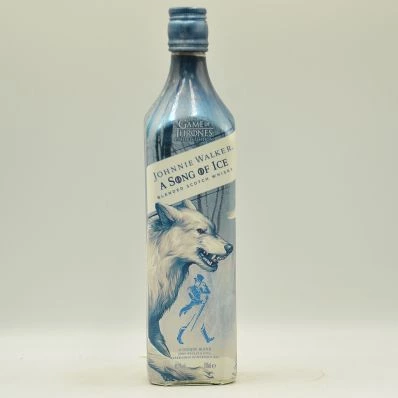
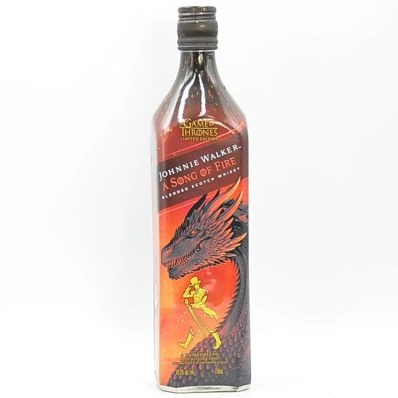 Game of Thrones Whisky Johnnie Walker A Song Of FireSpecial Price £139.98 Regular Price £144.99 Inc VATSaving £5.01
 -
-
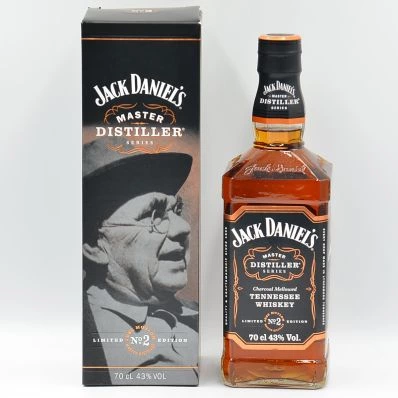 Jack Daniel's - Master Distiller Batch 2 Jess Motlow Limited Edition Bourbon Whiskey£164.99 Inc VATOut of stock
 -
-
-
-
-
-
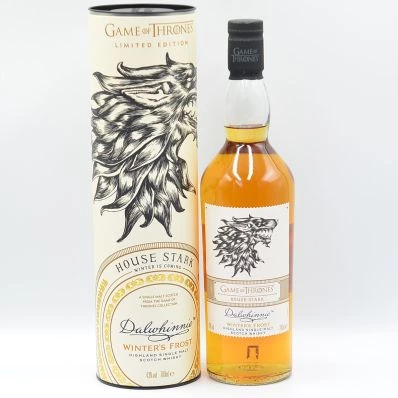 Game Of Thrones Whisky Dalwhinnie Winter's Frost House StarkSpecial Price £104.98 Regular Price £134.99 Inc VATSaving £30.01Out of stock
Final Considerations
A whisky cask can cost less than £5,000 for new-make spirit or more than £50,000 for mature stock from an established producer. The meaningful figure is the total ownership cost, including storage, insurance, regauging, maturation losses, bottling, duty and VAT.
The safest starting point is to verify the warehouse, confirm that ownership will be acknowledged, obtain a recent regauge and understand the exit route before paying. For bottle-led research into producers, regions and maturation styles, our Scotch whisky collection provides further context without the storage and ownership obligations of a full cask.

Comments