
 Chat with us on WhatsApp


How To Drink Scotch Whisky: A Beginner's Guide
Learning how to drink Scotch whisky starts with one simple idea: taste it slowly before deciding how you prefer it. Scotch can be enjoyed neat, with water, over ice, or in a longer serve, but beginners usually get the most value from understanding the whisky first.
Start with a small pour, the right glass, and a little patience. If you are choosing your first bottle, our Scotch whisky collection is a useful place to compare styles across regions, age statements and flavour profiles.
This guide focuses on the practical steps. For the wider decision between neat whisky, water, ice and cocktails, read our complete guide to drinking single malt whisky.
Step 1: Choose The Right Glass
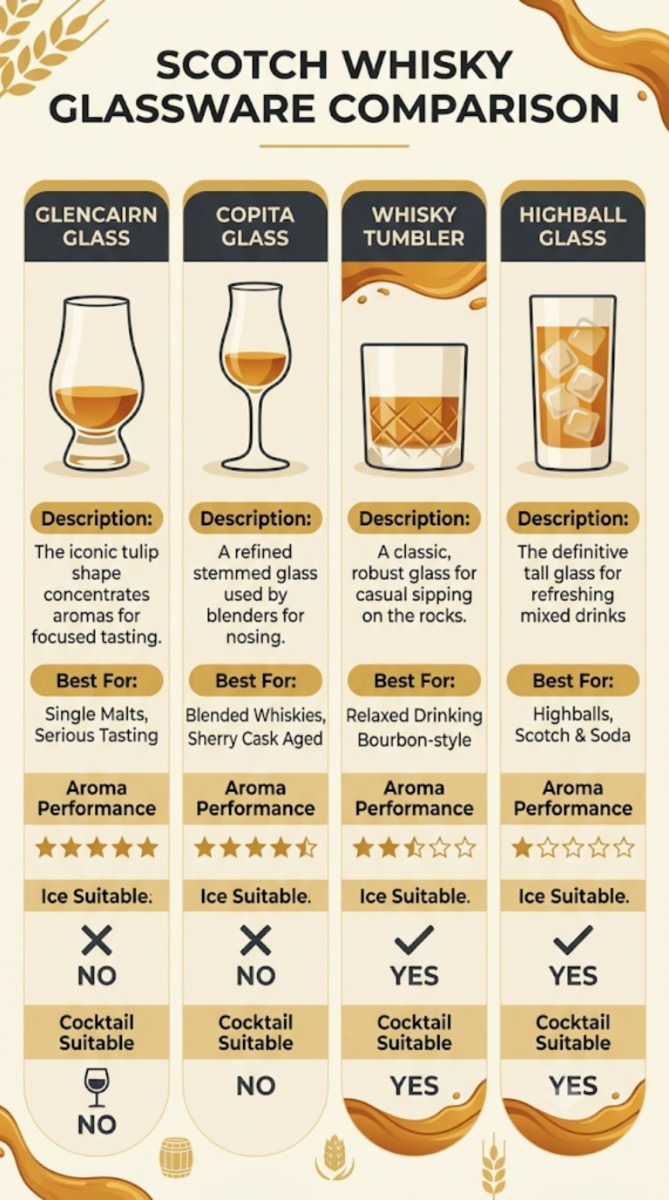
The best beginner glass for Scotch whisky is a tulip-shaped glass, such as a Glencairn or copita. The narrow rim helps concentrate aroma, which makes it easier to notice fruit, malt, oak, spice, smoke or sherry-cask influence.
- Glencairn: best all-round glass for nosing and tasting Scotch.
- Copita: useful for comparing several whiskies side by side.
- Tumbler: better for relaxed drinking, ice, or mixed serves.
- Highball glass: best for Scotch and soda or longer serves.
A tumbler is not wrong, but it does not show aroma as clearly. If you are trying to understand a bottle, use a Glencairn first, then switch glass later if you prefer a different drinking style.
Step 2: Pour A Small Dram
Pour around 25ml to 35ml. This is enough to nose, taste, and revisit with water without overwhelming your palate. Let the whisky sit for one or two minutes before drinking. This helps some of the initial alcohol vapour soften, especially if the whisky is above 46% ABV.
Check the ABV before tasting. A 40% Scotch will usually feel softer than a cask-strength release at 55–65%. One thing our customers often underestimate is how differently a high-ABV whisky drinks compared with the same distillery’s standard bottling.
Step 3: Nose The Whisky Before Drinking
Nosing is the part beginners often rush. Bring the glass towards your nose gently rather than pushing your nose deep into the glass. Take short, light sniffs. If the alcohol feels sharp, move the glass slightly lower and breathe in through both nose and mouth.
Look for broad categories first:
- Fruit: apple, pear, citrus, peach, dried fruit.
- Sweetness: honey, vanilla, toffee, malt, caramel.
- Oak: spice, dryness, toasted wood, chocolate.
- Smoke: peat, ash, bonfire, seaweed, medicinal notes.
You do not need to find every note. The aim is to understand the whisky’s direction before tasting it.
Step 4: Take A Small Sip
Take a small sip and let it coat your tongue before swallowing. The first sip often tastes stronger because your palate is adjusting. The second sip usually tells you more.
Think about three things:
- Arrival: what you notice first.
- Texture: light, oily, creamy, drying or spicy.
- Finish: what remains after swallowing.
For approachable beginner Scotch, distilleries such as Glenmorangie, Glenfiddich and Balvenie are useful reference points because their core styles tend to show fruit, malt, oak and sweetness clearly.
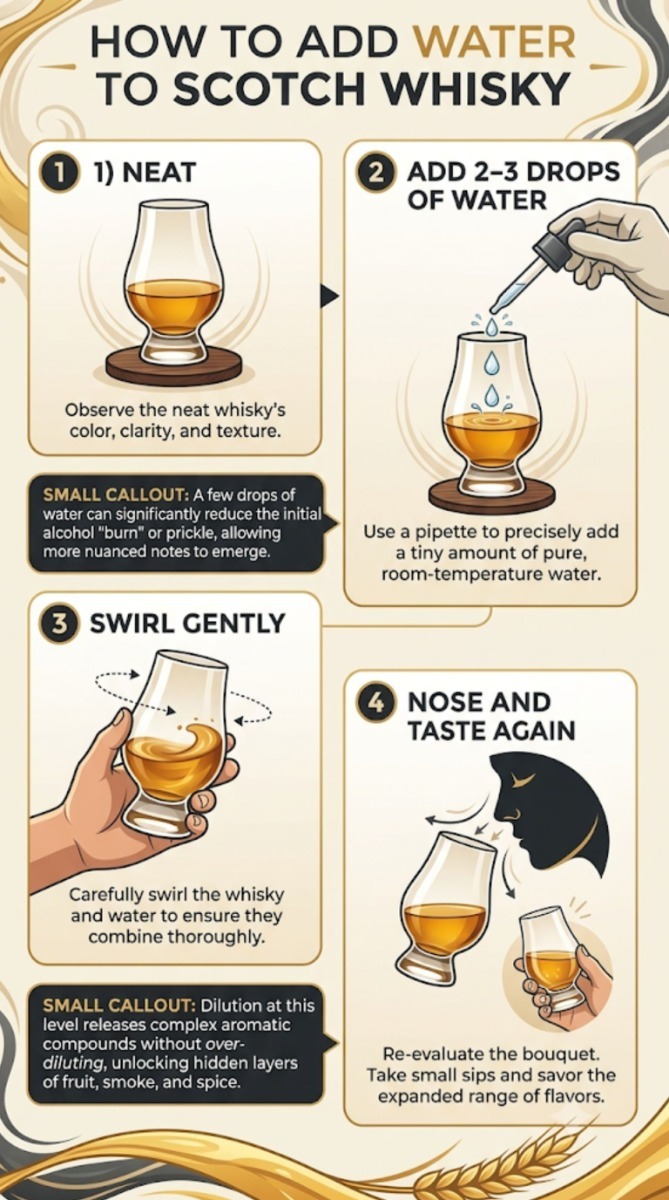
Step 5: Add Water Carefully
Water can make Scotch easier to taste, especially if the alcohol feels hot or the whisky is cask strength. Add only a few drops at a time, then nose and taste again. Do not pour in a large splash immediately. Once a whisky is over-diluted, you cannot reverse it.
Should You Drink Scotch Whisky Neat First?
Yes, taste Scotch neat first if you want to understand the bottle. A neat first sip gives you a baseline before adding water or ice. After that, adjust it. Drinking neat is not a rule; it is simply the clearest way to judge aroma, texture and strength before changing the whisky.
Should You Put Ice In Scotch Whisky?
Ice is fine if you enjoy Scotch colder or want to soften a strong dram. The trade-off is that chilling can reduce aroma and mute flavour. Use one large cube rather than several small cubes, because it melts more slowly and gives you better control.
Ice suits casual drinking, warmer weather, smoky whisky, blended Scotch and high-ABV bottles that feel too intense neat. For detailed tasting, use water instead.
Best Beginner Scotch Styles To Start With
Beginners usually do best with Scotch that has clear flavour without too much alcohol heat, heavy oak or intense peat. Start with lighter and balanced styles before moving into stronger or more specialised bottles.
- Speyside single malts: often fruity, malty and approachable.
- Highland single malts: broad range, from light fruit to richer oak.
- Sherry-cask Scotch: dried fruit, spice, chocolate and richness.
- Lightly peated Scotch: smoke without overwhelming intensity.
- Blended Scotch: often softer and easier for casual drinking.
Food Pairings For Scotch Whisky
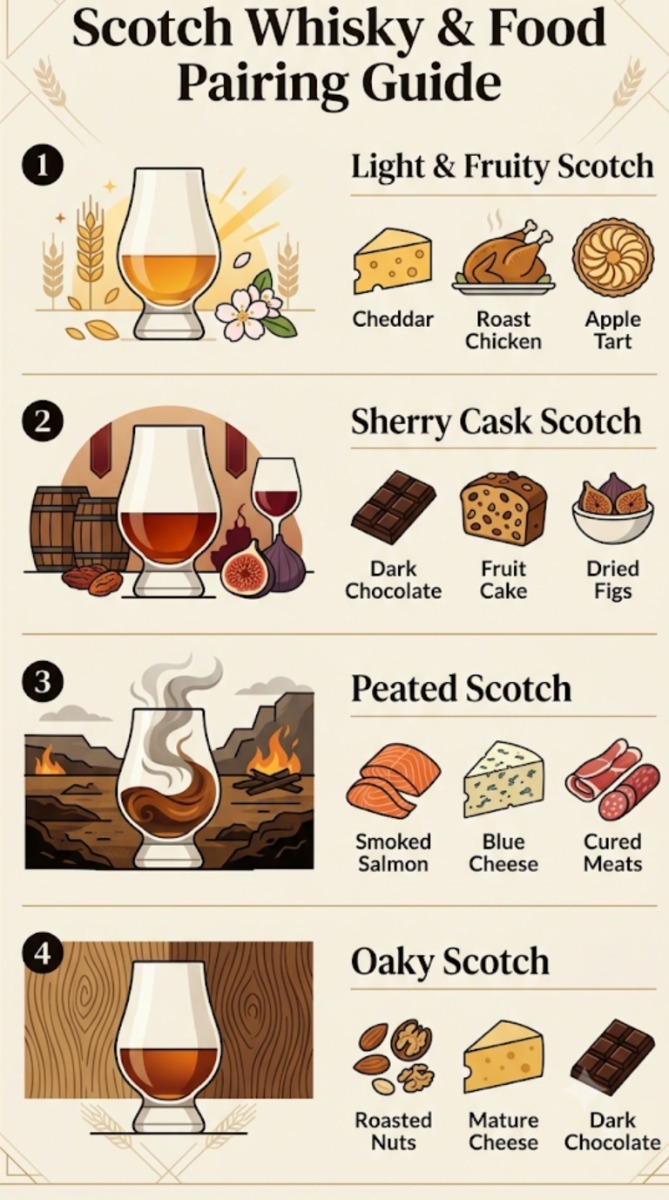
Food can make Scotch easier to understand because it softens alcohol and highlights certain flavours. Keep pairings simple at first.
- Light fruity Scotch: cheddar, shortbread, roast chicken, apple tart.
- Sherry-cask Scotch: dark chocolate, fruit cake, dried figs, hard cheese.
- Peated Scotch: smoked salmon, blue cheese, cured meats, grilled mushrooms.
- Oaky Scotch: roasted nuts, mature cheese, dark chocolate.
For a deeper pairing guide, use our whisky food pairing guide.
Common Beginner Mistakes To Avoid
- Pouring too much: a smaller dram is easier to assess.
- Drinking too quickly: Scotch opens up with time in the glass.
- Adding too much water: use drops, not a splash.
- Ignoring ABV: stronger bottles need more care.
- Starting with heavy peat: intense smoke can dominate your first impression.
- Using only a tumbler: fine for drinking, weaker for nosing.
-

-
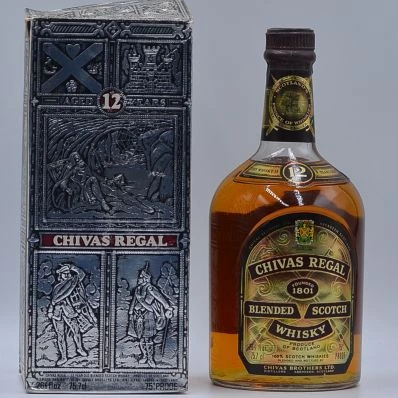 Chivas Regal 12 Year Old Scotch Whisky 75 Proof 1970sSpecial Price £47.98 Regular Price £59.99 Inc VATSaving £12.01
 -
-
-
-
-
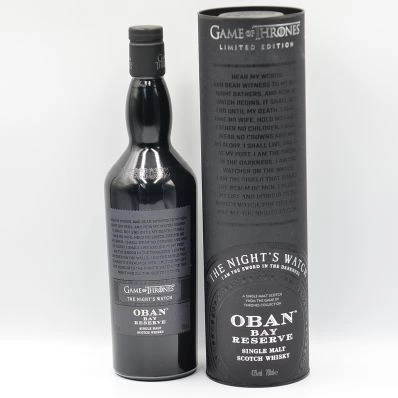 Game of Thrones Whisky Oban Bay Reserve The Night's WatchSpecial Price £72.98 Regular Price £84.99 Inc VATSaving £12.01
 -
 Arran Cask Finishes Port Scotch WhiskySpecial Price £87.98 Regular Price £97.99 Inc VATSaving £10.01
 -

Key Takeaway
The best way to drink Scotch whisky as a beginner is to start neat in a tulip-shaped glass, nose it gently, take small sips, then adjust with water or ice if needed. There is no need to follow rigid rules. The aim is to understand the whisky and find the serve that suits you.
Once you know whether you prefer lighter, richer, smoky or sherried styles, it becomes much easier to choose your next bottle from the Best Scotch Under £50 range.


Comments