
 Chat with us on WhatsApp


Single Malt vs Blended Whisky
Single malt and blended whisky are often treated as opposites, but the reality is more nuanced. Both styles sit at the centre of Scotch whisky history, and both include outstanding bottles across every price level. The main difference comes down to how the whisky is made, where it comes from, and how flavour is built.
A single malt Scotch whisky is made from 100% malted barley at one distillery using copper pot stills. A blended Scotch whisky combines multiple whiskies together — usually single malts and grain whiskies from different distilleries — to create a consistent house style.
That distinction affects flavour, texture, pricing, collectability, and how the whisky is used. It also explains why some drinkers gravitate towards distillery-led single malts from places like Macallan, Springbank, or Laphroaig, while others prefer the balance and accessibility of blends such as Johnnie Walker, Compass Box, or Chivas Regal.
This guide breaks down the differences clearly, including production methods, flavour styles, pricing, buying advice, and the common myths surrounding blended whisky.

What Is the Difference Between Single Malt and Blended Whisky?
The main difference is origin and composition.
Single malt whisky comes from one distillery and is made using only malted barley. Blended whisky combines whisky from multiple distilleries, often mixing malt whisky with lighter grain whisky to achieve a balanced flavour profile.
The word “single” does not mean one cask or one batch. It simply means the whisky was produced at a single distillery.
| Feature | Single Malt Whisky | Blended Whisky |
|---|---|---|
| Distillery Source | One distillery | Multiple distilleries |
| Main Ingredients | 100% malted barley | Malt whisky + grain whisky |
| Still Type | Copper pot stills | Pot stills + column stills |
| Production Style | Batch distillation | Continuous grain distillation plus blending |
| Typical Style | Distillery-led character | Balanced and consistent |
| Typical Price | Usually higher | Usually broader price range |
| Common Usage | Neat sipping and collecting | Everyday drinking and cocktails |
Under Scotch whisky regulations, both categories must still be matured in oak casks for at least three years in Scotland and bottled at a minimum of 40% ABV.
What Does “Single” Mean in Single Malt?
“Single” refers to the distillery, not the cask.
Most single malts are created by marrying whisky from dozens or even hundreds of casks together to maintain a recognisable house style. A bottle of Glenlivet 12 or Talisker 10 is not from one barrel. It is a carefully constructed vatting of casks from the same distillery.
Single cask whisky is a separate category entirely. Those bottlings come from one individual cask and are often released at cask strength with limited bottle counts.
This misunderstanding matters because many buyers assume single malt automatically means small-batch or highly exclusive. In reality, some of the largest whisky brands in the world are single malts.
If you want to explore distillery-led Scotch styles, Lochs of Whisky’s Scotch whisky range covers both official bottlings and independent releases from across Scotland.
How Single Malt Whisky Is Made
Single malt Scotch whisky follows a relatively strict production framework.
The whisky must:
- Be made at one distillery
- Use only malted barley
- Be distilled in copper pot stills
- Mature in oak casks in Scotland for at least three years
The production process strongly influences flavour.
Malted Barley and Fermentation
Single malt starts with malted barley. After milling and mashing, yeast is added to begin fermentation. Long fermentations often create more fruity and estery flavours, which is why distilleries like GlenAllachie or Ben Nevis can produce notably rich spirit character.
Pot Still Distillation
Pot stills operate as batch distillation systems. They are slower and less efficient than column stills, but they retain more congeners and heavier flavour compounds.
Still shape also matters. Tall stills at Glenmorangie encourage lighter spirit, while shorter stills at Mortlach produce heavier, meatier whisky.
Cask Maturation
Most single malts mature in ex-bourbon barrels, sherry casks, or a combination of both. Cask type heavily influences flavour.
- Ex-bourbon casks often bring vanilla, honey, coconut, and citrus
- Oloroso sherry casks add dried fruit, spice, and nuttier notes
- Peated coastal malts from Islay develop smoke, iodine, and maritime character
A bottle like Bunnahabhain 12 balances sherry richness with coastal salinity, while Ardbeg 10 focuses heavily on peat smoke and medicinal intensity.
How Blended Whisky Is Made
Blended whisky combines multiple whiskies to create a consistent flavour profile.
Most blends use:
- Single malt whisky for flavour complexity
- Grain whisky for texture, sweetness, and approachability
Grain whisky is usually distilled in column stills using grains such as wheat or corn alongside malted barley. Column stills allow continuous distillation at higher volumes and lower production cost.
This does not automatically mean grain whisky is lower quality. Well-aged grain whisky can be exceptionally good, particularly from closed distilleries such as Cambus or Port Dundas.
The Role of the Master Blender
Blended whisky depends heavily on blending skill.
The master blender’s job is to combine different casks and distillery styles into a stable house profile that tastes recognisable year after year.
That consistency is one reason blends dominate global Scotch sales. A bottle of Johnnie Walker Black Label bought today is designed to taste broadly similar to one purchased several years ago.
In my experience, many drinkers dismiss blends until they try higher-end examples side by side with entry-level single malts — the quality gap is often far smaller than people expect.
Is Blended Whisky Lower Quality Than Single Malt?
No. Quality depends on production standards, cask quality, maturation, and blending skill — not simply the category name.
Single malt has stronger prestige positioning, particularly among enthusiasts and collectors, but that does not mean every single malt is automatically better than every blend.
There are inexpensive single malts with thin spirit and tired casks. There are also blends with remarkable complexity and balance.
Higher-end blends worth exploring include:
- Johnnie Walker Blue Label
- Compass Box Hedonism
- Chivas Regal 18
- Royal Salute 21
- Hibiki Japanese Harmony
Blended malt whisky is also worth understanding. This category combines multiple single malts together without any grain whisky. Examples include Monkey Shoulder and Compass Box Orchard House.
Why Is Single Malt More Expensive Than Blended Whisky?

Single malt usually costs more because production is slower and more resource-intensive.
Several factors increase cost:
Pot Still Production
Pot still distillation is slower and less efficient than continuous column distillation. It produces lower volumes and requires more energy and labour.
Malted Barley Costs
Single malt uses only malted barley, which is more expensive than grains commonly used in grain whisky production.
Stock Management
Distilleries need large inventories of ageing casks to maintain age-stated releases. Holding whisky in warehouses for 10, 12, or 18 years ties up capital for long periods.
Brand Positioning
Some single malts also carry strong prestige pricing. Macallan is a good example. The brand’s emphasis on sherry cask maturation, luxury packaging, and collector demand pushes pricing far beyond simple production cost.
That said, excellent single malts still exist below £50.
Reliable entry points include:
- Glenfiddich 12
- Aberfeldy 12
- Deanston Virgin Oak
- Bunnahabhain 12
- Arran 10
Many of these bottles sit comfortably within the £40–£60 range and offer significantly more distillery character than supermarket entry-level blends.
What Are the Five Types of Scotch Whisky?
Scotch whisky legally falls into five categories:
- Single Malt Scotch Whisky
Malt whisky from one distillery made using pot stills. - Single Grain Scotch Whisky
Grain whisky from one distillery, usually produced in column stills. - Blended Scotch Whisky
A mix of one or more single malts and one or more grain whiskies. - Blended Malt Scotch Whisky
A blend of single malts from multiple distilleries with no grain whisky included. - Blended Grain Scotch Whisky
Grain whiskies from multiple distilleries blended together.
Most casual drinkers only encounter single malts and blends, but blended malts have become increasingly popular because they combine the accessibility of blends with the flavour intensity of malt whisky.
Flavour Differences Between Single Malt and Blended Whisky

Single malts usually present stronger distillery identity. Blends focus more on balance and consistency.
Typical Single Malt Characteristics
- More distillery-specific character
- Stronger regional identity
- Greater flavour intensity
- Wider stylistic variation
Examples:
- Islay malts like Lagavulin and Laphroaig are smoky and medicinal
- Speyside malts such as Glenlivet or Balvenie tend to be fruit-forward and softer
- Campbeltown distilleries like Springbank often show coastal salinity and oilier texture
Typical Blended Whisky Characteristics
- Smoother and more approachable
- Balanced sweetness
- Less aggressive peat or oak influence
- Designed for consistency
This makes blends particularly effective in highballs and cocktails.
Can Single Malt Whisky Be Used in Cocktails?
Yes. Single malt works well in cocktails, though style matters.
Lighter malts such as Glenkinchie or Auchentoshan work well in Whisky Sours and Highballs because they retain character without overwhelming other ingredients.
Heavily peated whisky can dominate cocktails quickly, although small amounts of Ardbeg or Caol Ila can add excellent smoky depth.
Blended whisky is still more commonly used for cocktails because the flavour profile is generally more balanced and cost-effective.
Which Style Should You Buy?
The answer depends on what you value most.
Choose Single Malt If:
- You want stronger distillery character
- You enjoy comparing regions and production styles
- You collect whisky
- You prefer drinking neat
- You are interested in cask influence and distillery identity
Choose Blended Whisky If:
- You want consistency
- You mainly drink whisky in cocktails or highballs
- You prefer softer flavour profiles
- You want better value at lower price points
- You are buying for mixed experience levels
Good Starting Points for Beginners
For approachable single malts:
For approachable blends:
If you are exploring smoky whisky for the first time, blended malts such as Monkey Shoulder Smokey Monkey often provide a gentler introduction than jumping straight into Octomore or heavily peated Islay releases.
How Regions Influence Single Malt Style
Single malt whisky often reflects regional production traditions.
Speyside
Known for fruit-forward and sherried styles. Distilleries such as Macallan, Glenfarclas, and Aberlour commonly use sherry casks heavily.
Islay
Famous for peat smoke, maritime influence, and medicinal character. Ardbeg, Lagavulin, and Bowmore all produce distinctly smoky whisky, though Bunnahabhain offers a softer alternative.
Highlands
The broadest region stylistically. Highland distilleries range from light and floral styles like Glenmorangie to waxier and heavier spirits like Clynelish.
Campbeltown
Small region with highly distinctive whisky. Springbank, Kilkerran, and Glen Scotia often produce oily, coastal, slightly funky spirit styles prized by enthusiasts.
You can browse regional styles through Lochs of Whisky’s wider Scotch whisky collection and distillery-led releases.
Frequently Asked Questions
Is blended whisky lower quality than single malt?
No. Blended whisky is not automatically lower quality. Premium blends use mature malt whisky, high-quality grain whisky, and skilled blending to achieve complexity and consistency. Brands like Compass Box and Hibiki demonstrate how sophisticated blended whisky can be.
What does “single” mean in single malt?
“Single” means the whisky comes from one distillery. It does not mean one cask or one batch. Most single malts combine multiple casks together to maintain a consistent house style.
Can single malt whisky be used in cocktails?
Yes. Lighter single malts work particularly well in cocktails such as Whisky Sours or Highballs. Peated malts can also add smoky character in smaller quantities. Blended whisky is more commonly used because it is usually softer and more economical.
What is the difference between blended whisky and blended malt?
Blended whisky combines malt whisky and grain whisky together. Blended malt contains only single malt whisky from multiple distilleries and includes no grain whisky at all.
Why is blended whisky more popular than single malt?
Blended whisky is generally more affordable, more consistent, and easier for new drinkers to approach. It also dominates cocktail culture and global export markets.
Is all Scotch whisky either single malt or blended?
No. Scotch whisky legally includes five categories: single malt, single grain, blended Scotch, blended malt, and blended grain whisky.
What are good single malts under £50?
Strong value options include Arran 10, Deanston Virgin Oak, Glenfiddich 12, Aberfeldy 12, and Bunnahabhain 12. These bottles provide clear distillery character without moving into higher collector pricing territory.
Summary: Single Malt vs Blended Whisky
Key Buying Rules
- Single malt means one distillery, not one cask
- Blended whisky combines multiple whiskies for consistency and balance
- Pot still production makes single malt more expensive to produce
- Blended whisky is not inherently lower quality
- Regional character matters far more in single malt whisky
- Blended malts offer a useful middle ground between both categories
Common Buyer Mistakes
- Assuming all single malts are premium
- Dismissing blends without trying higher-end examples
- Confusing single malt with single cask whisky
- Overvaluing age statements without considering distillery style
- Buying heavily peated whisky too early without understanding the style
Decision Shortcuts
- Want smoky and intense whisky? Look towards Islay single malts
- Want softer everyday whisky? Start with blends or Speyside malts
- Buying for cocktails? Blended Scotch is usually the better value option
- Buying for an enthusiast? Distillery-led single malts generally make safer gifts
- Interested in collecting? Focus on distillery reputation, bottler quality, and production era rather than category alone
For further exploration, Lochs of Whisky’s Scotch whisky category includes official distillery bottlings, independent releases, blended malts, and older collectible whiskies across every major Scotch region.

Related Products
-
-
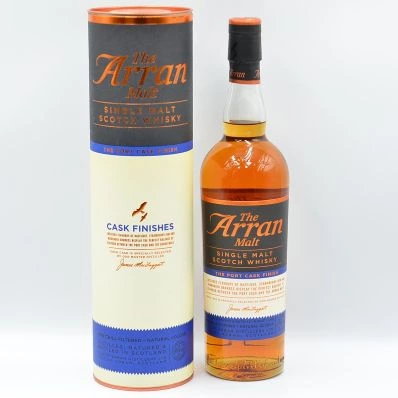 Arran Cask Finishes Port Scotch WhiskySpecial Price £87.98 Regular Price £97.99 Inc VATSaving £10.01
 -
Comments