
 Chat with us on WhatsApp


Best Peated Whisky: A Buyer's Guide
Peated whisky sits at one of the most distinctive ends of the Scotch whisky spectrum. The smoky character comes from burning peat during the barley drying process, creating flavours that range from soft wood smoke and earthiness to medicinal iodine, sea spray, ash, and barbecue char. While Islay is most closely associated with heavily peated whisky, smoky styles are produced across Scotland and increasingly beyond it.
For buyers, the challenge is usually not finding a peated whisky, but finding the right style of peat. A lightly peated Highland malt can feel completely different from an intense Islay cask strength release. Cask type, ABV, distillery style, and maturation all influence how smoke presents itself in the glass. This guide breaks down the main styles, explains how peat intensity works, and highlights bottles that suit different budgets and experience levels.
For a broader overview of Scotch styles, regions, and production methods, see our Scotch Whisky category.

What Is Peated Whisky?
Peated whisky is whisky made using malted barley dried over burning peat. Peat is partially decomposed vegetation cut from peat bogs and traditionally used as a fuel source in Scotland. During kilning, the smoke from the peat infuses the barley with phenolic compounds, creating smoky, earthy, medicinal, and maritime flavours that carry through distillation and maturation.
Not all smoky whisky is peated, and not all peated whisky tastes identical. The character depends on the type of peat used, the distillery process, cask maturation, and the balance between smoke and the spirit itself.
The Scotch Whisky Association provides a useful overview of Scotch production standards and regional styles.
Understanding PPM and Peat Intensity
PPM stands for phenol parts per million and is commonly used as a rough guide to peat intensity. However, it measures phenols in the malted barley before distillation rather than the final whisky in the bottle.
A whisky with an extremely high PPM does not automatically taste more smoky than a lower-PPM whisky. Distillation shape, cask maturation, age, and alcohol strength all influence the final profile. Long maturation often softens peat influence, while active sherry casks can add sweetness and dried fruit that balance heavier smoke.
Octomore is often cited as one of the highest-PPM Scotch whiskies produced, yet many drinkers are surprised by how refined and layered it feels compared to younger aggressively smoky malts bottled at lower phenol levels.
Islay Peat vs Highland Peat
| Region | Typical Peat Character | Common Notes | Example Distilleries |
|---|---|---|---|
| Islay | Medicinal and maritime | Iodine, seaweed, brine, ash, TCP | Ardbeg, Laphroaig, Lagavulin |
| Highlands | Earthier and softer | Heather smoke, wood smoke, herbs | Benromach, Ardnamurchan |
| Islands | Coastal and peppery | Salt, black pepper, bonfire smoke | Talisker, Ledaig |
| Speyside | Subtle and balanced | Gentle smoke, orchard fruit, malt | Benriach, Balvenie Week of Peat |
Islay remains the benchmark region for heavily peated whisky, particularly distilleries such as Ardbeg, Laphroaig, Caol Ila, and Lagavulin. These whiskies often show medicinal or coastal characteristics linked to the island's maritime climate and peat composition.
Highland and Island peat tends to be drier, earthier, and more restrained. Talisker combines smoke with peppery spice, while Benromach integrates peat into a more traditional Speyside malt profile.
Best Peated Whisky for Beginners
For newcomers, heavily medicinal Islay whisky can be overwhelming. Starting with lighter or more balanced styles usually gives a better introduction to peat.
Highland Park 12 Year Old
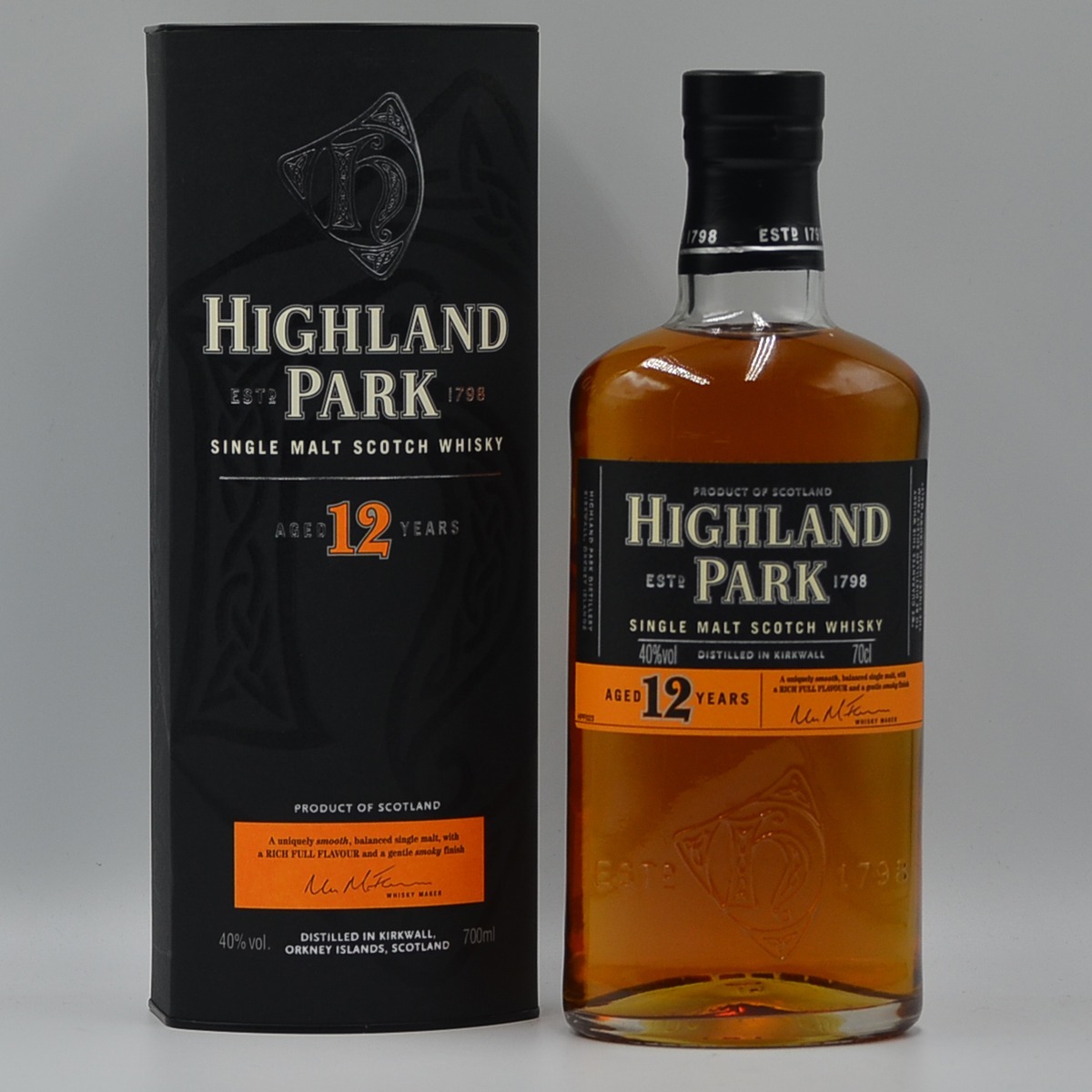
A gentle entry point combining honeyed malt, dried fruit, and light heathery smoke. The peat influence is noticeable without dominating the whisky.
Benromach 10 Year Old
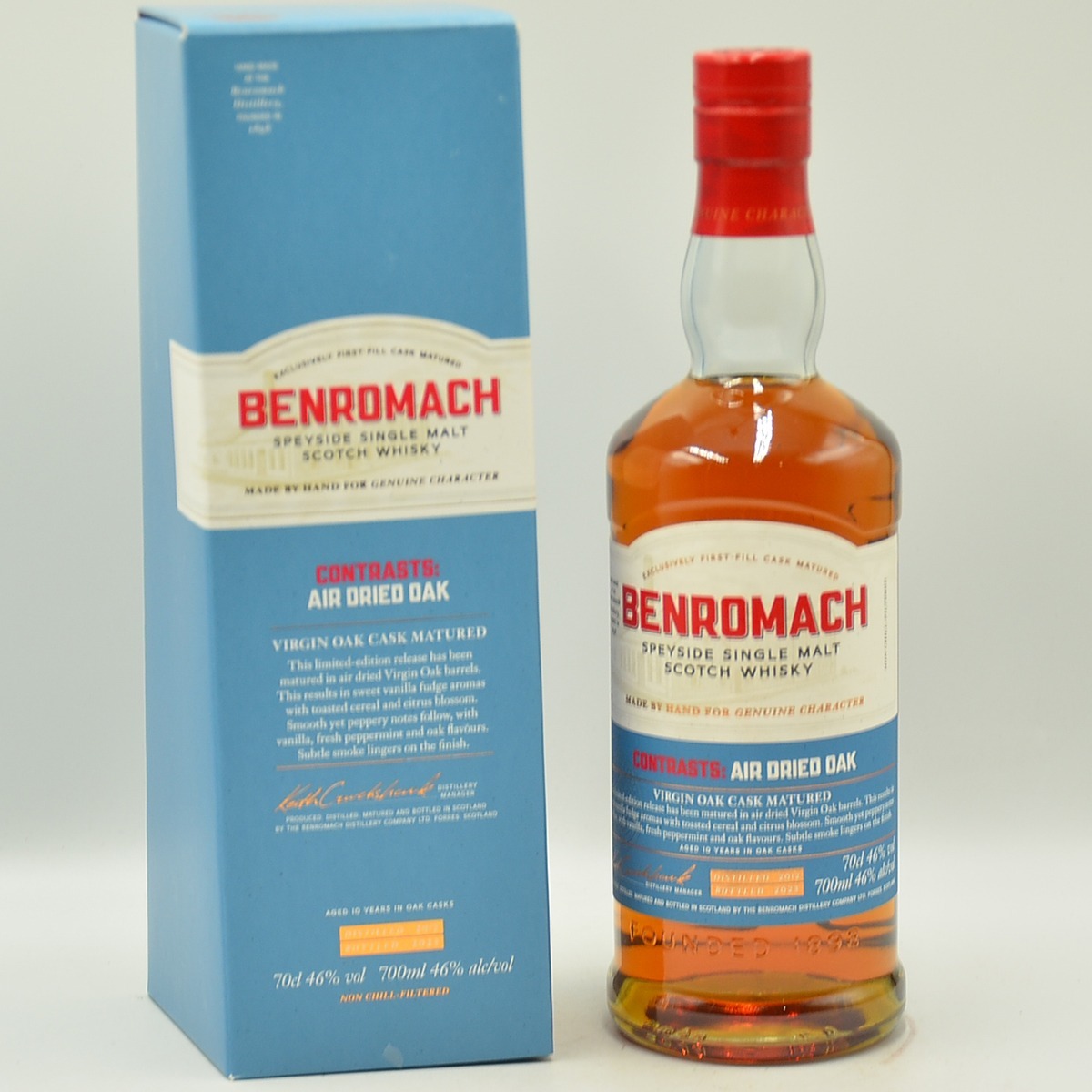
Moderately peated Speyside single malt matured in both bourbon and sherry casks. Smoke sits alongside orchard fruit, malt sweetness, and subtle spice.
Talisker 10 Year Old
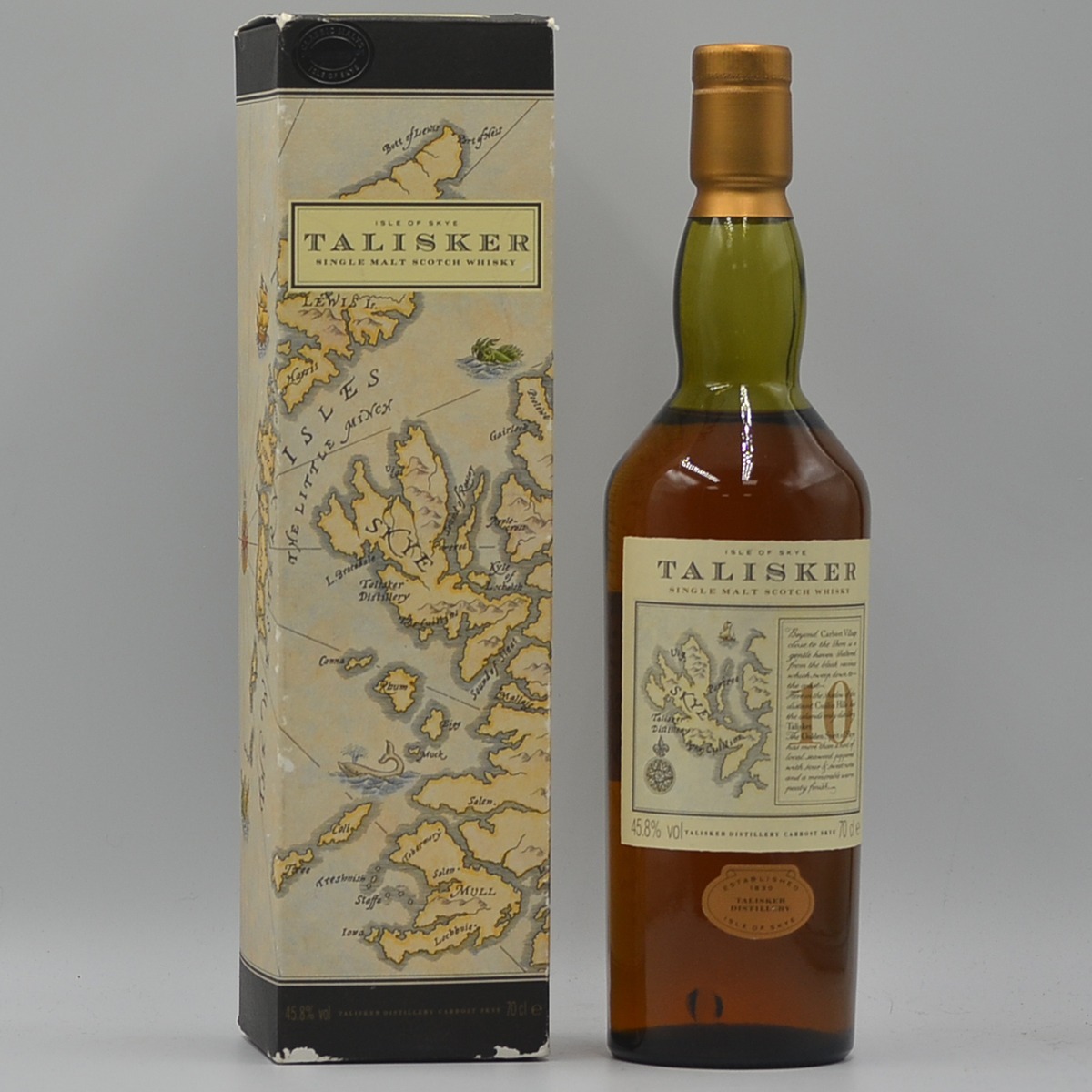
One of the more approachable coastal peated styles. Pepper, salt, smoke, and citrus combine without the heavier medicinal character found in some Islay releases.
Port Charlotte 10 Year Old
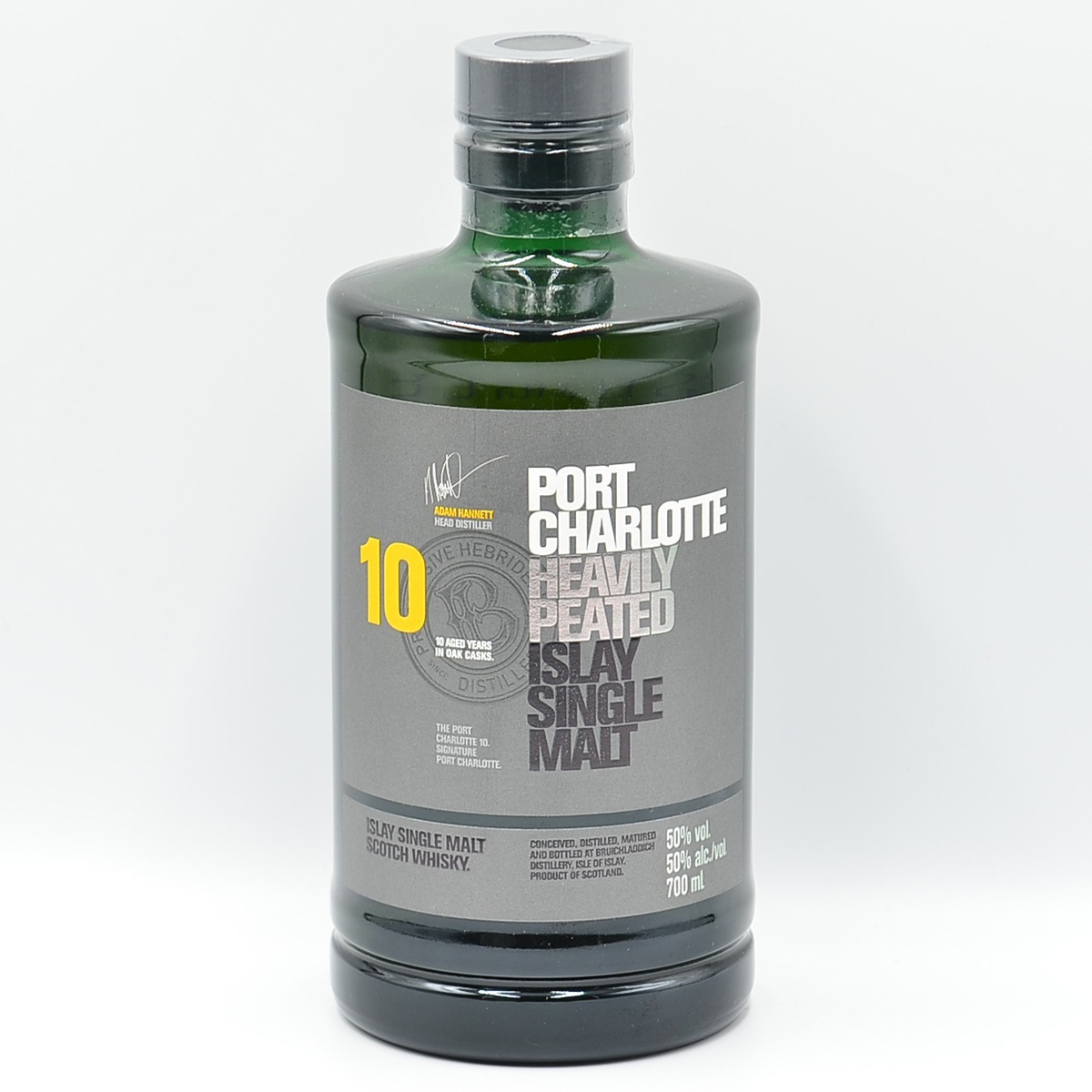
A heavily peated Islay whisky with strong structure and balance. Despite the peat level, the spirit retains freshness and malt character underneath the smoke.
This is one of those bottles I'd recommend to someone who thinks they do not like peated whisky. It tends to change minds once people realise smoky whisky can still feel balanced and precise.
Best Value Peated Whisky Under £50
There are still strong peated whiskies available below the £50 mark, particularly standard distillery bottlings that offer consistent quality and regional character.
Laphroaig 10 Year Old
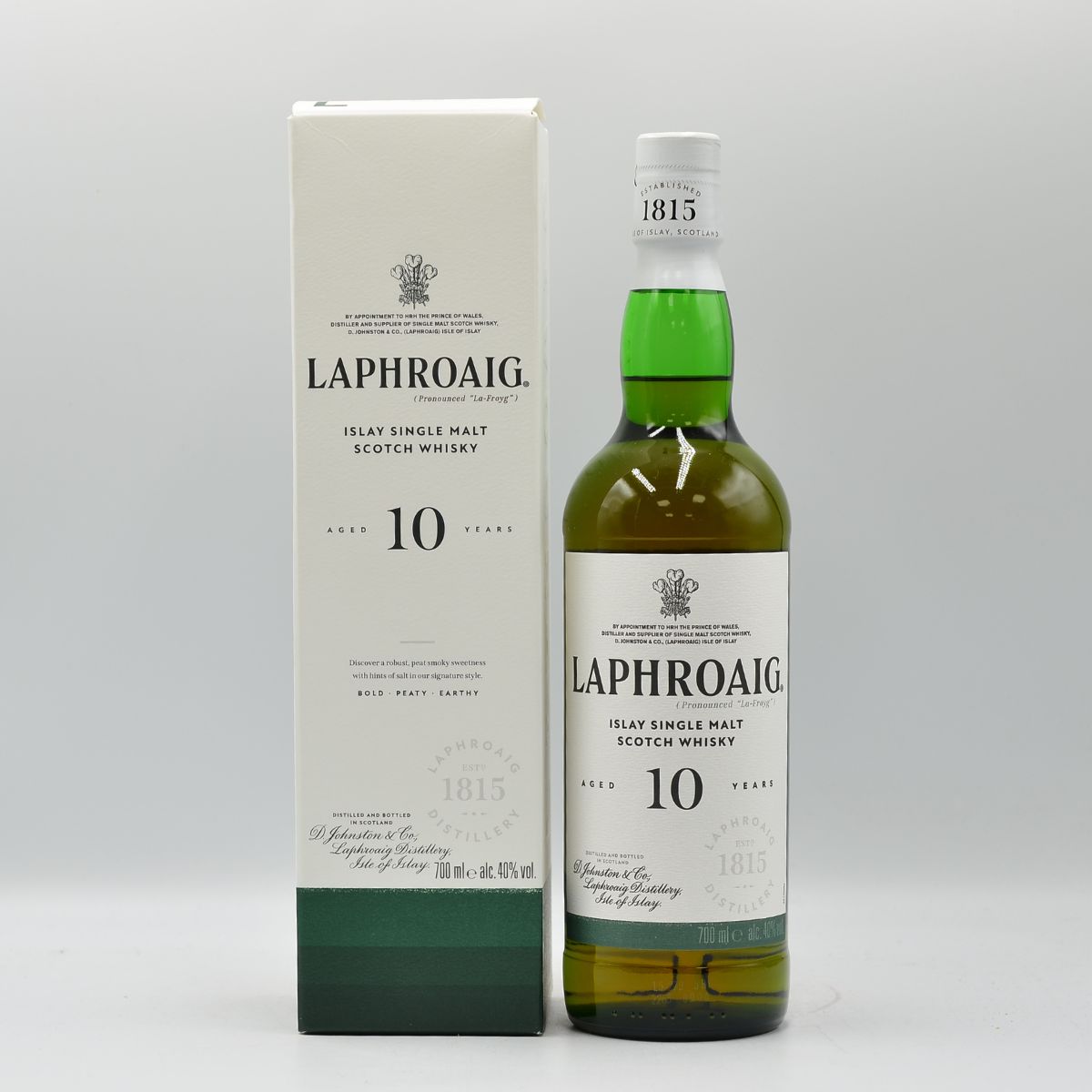
Medicinal Islay whisky with iodine, seaweed, smoke, and vanilla sweetness from bourbon cask maturation. One of the clearest examples of classic Islay peat.
Ardnamurchan AD
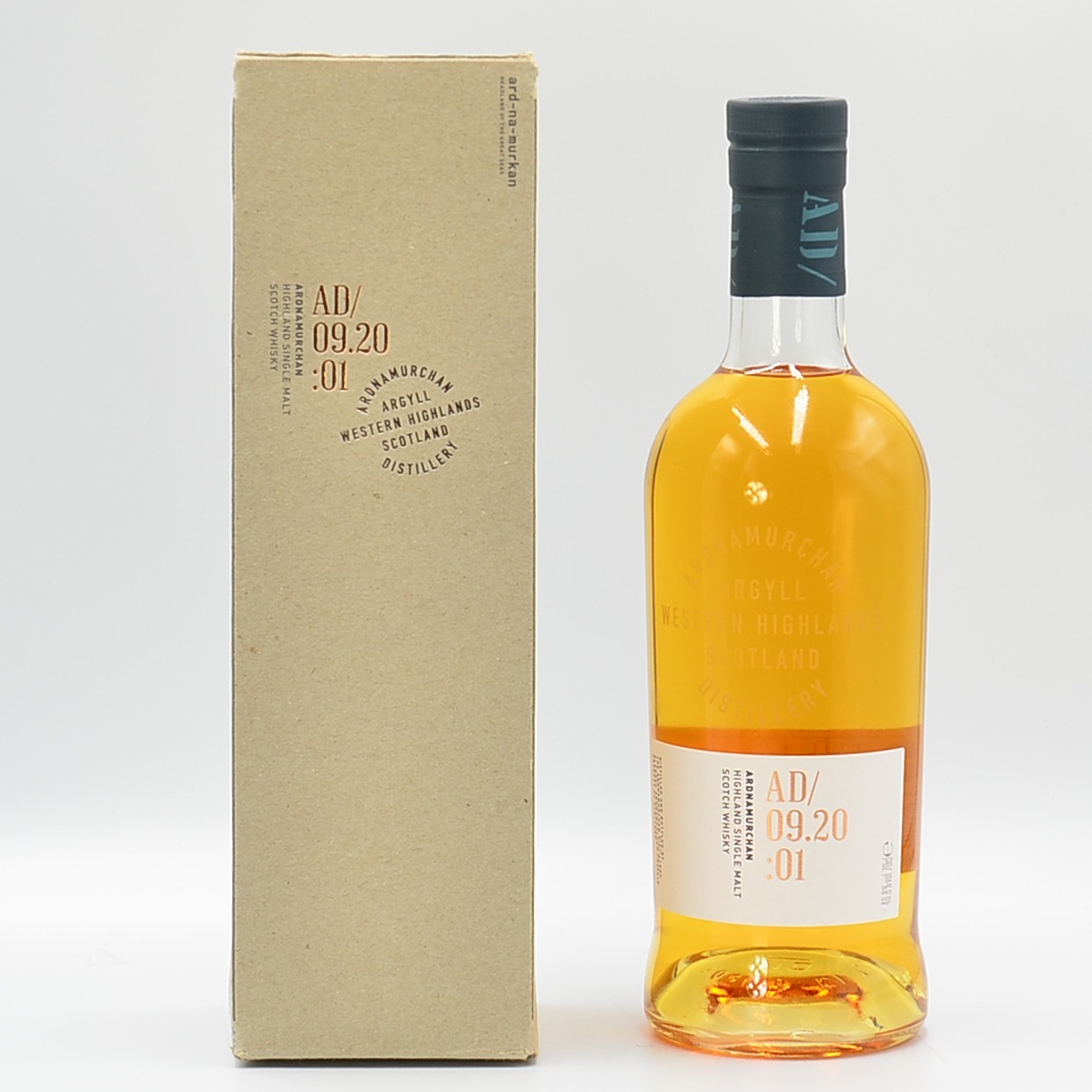
A modern Highland distillery bottling balancing peat, citrus, malt, and coastal minerality. Usually bottled around 46.8% ABV with natural presentation.
Big Peat
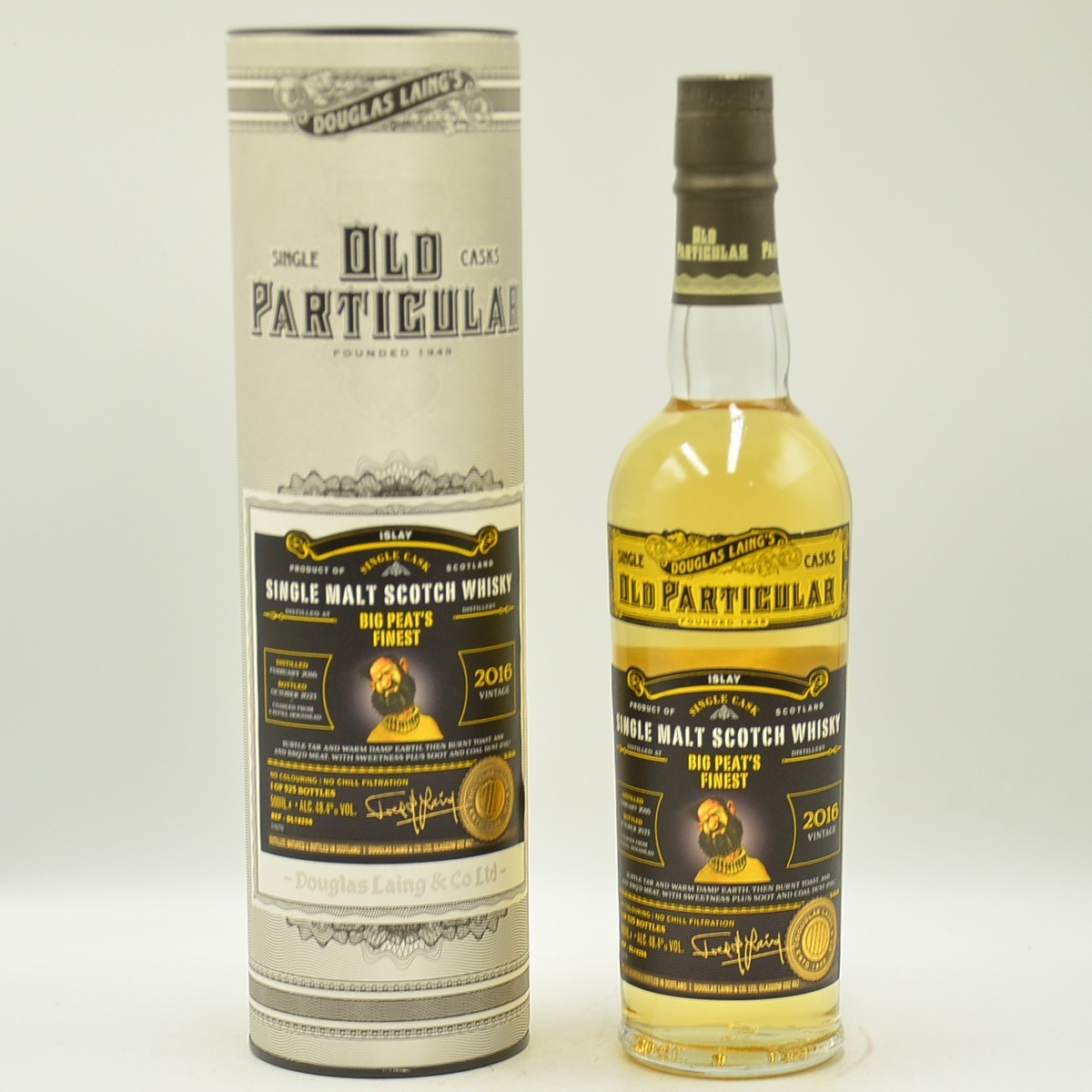
A blended malt combining several Islay distilleries into a smoky, maritime style aimed at peat enthusiasts seeking strong value.
Cask Strength and Sherry-Matured Peated Whisky
Cask strength peat can feel significantly more intense due to higher alcohol concentration, but it also tends to carry more texture and complexity. Adding a few drops of water often reveals hidden sweetness, fruit, or oily character beneath the smoke.
Ardbeg Uigeadail
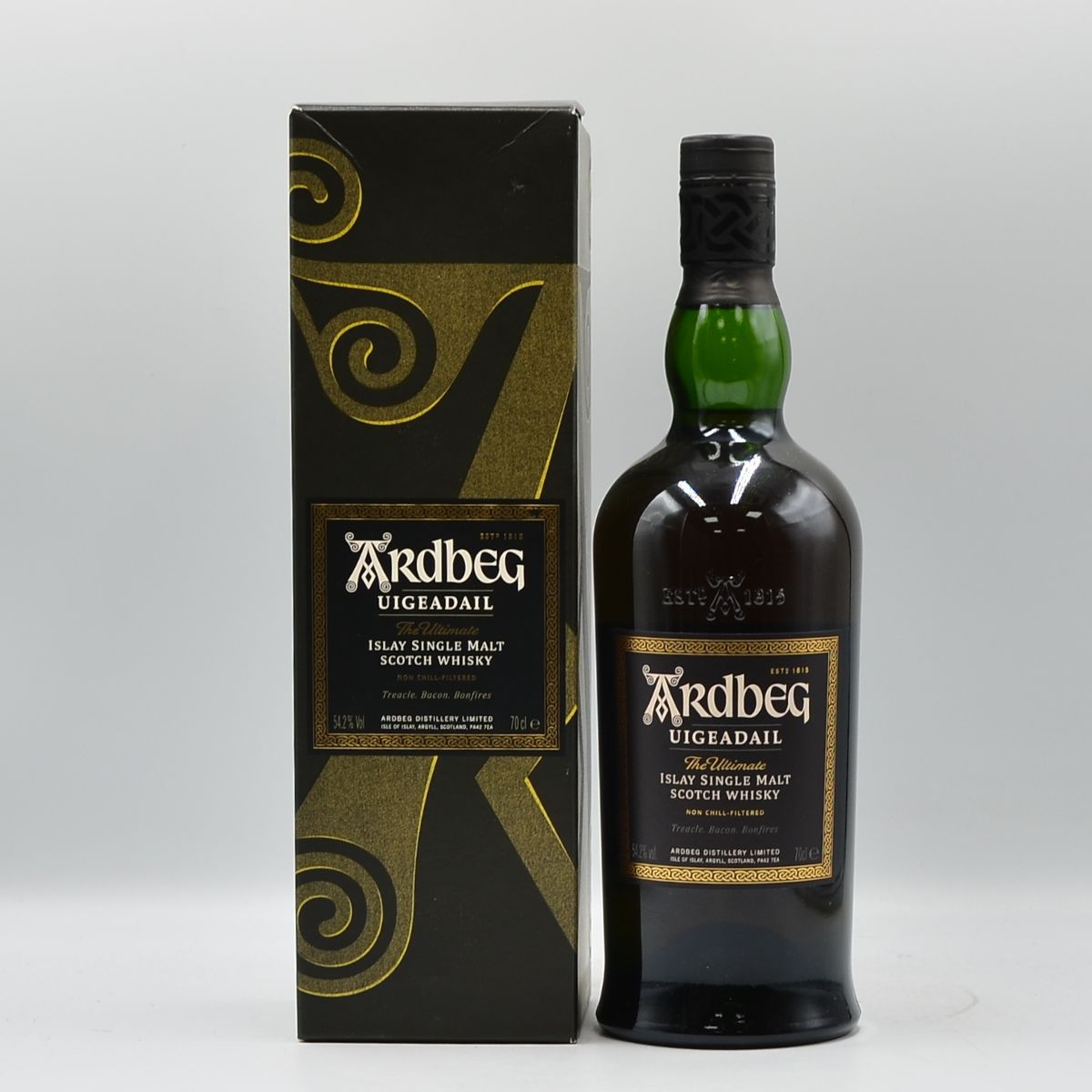
Combines heavy peat with sherry cask richness. Dark fruit, espresso, smoked meat, and spice sit alongside classic Ardbeg smoke.
Laphroaig 10 Cask Strength
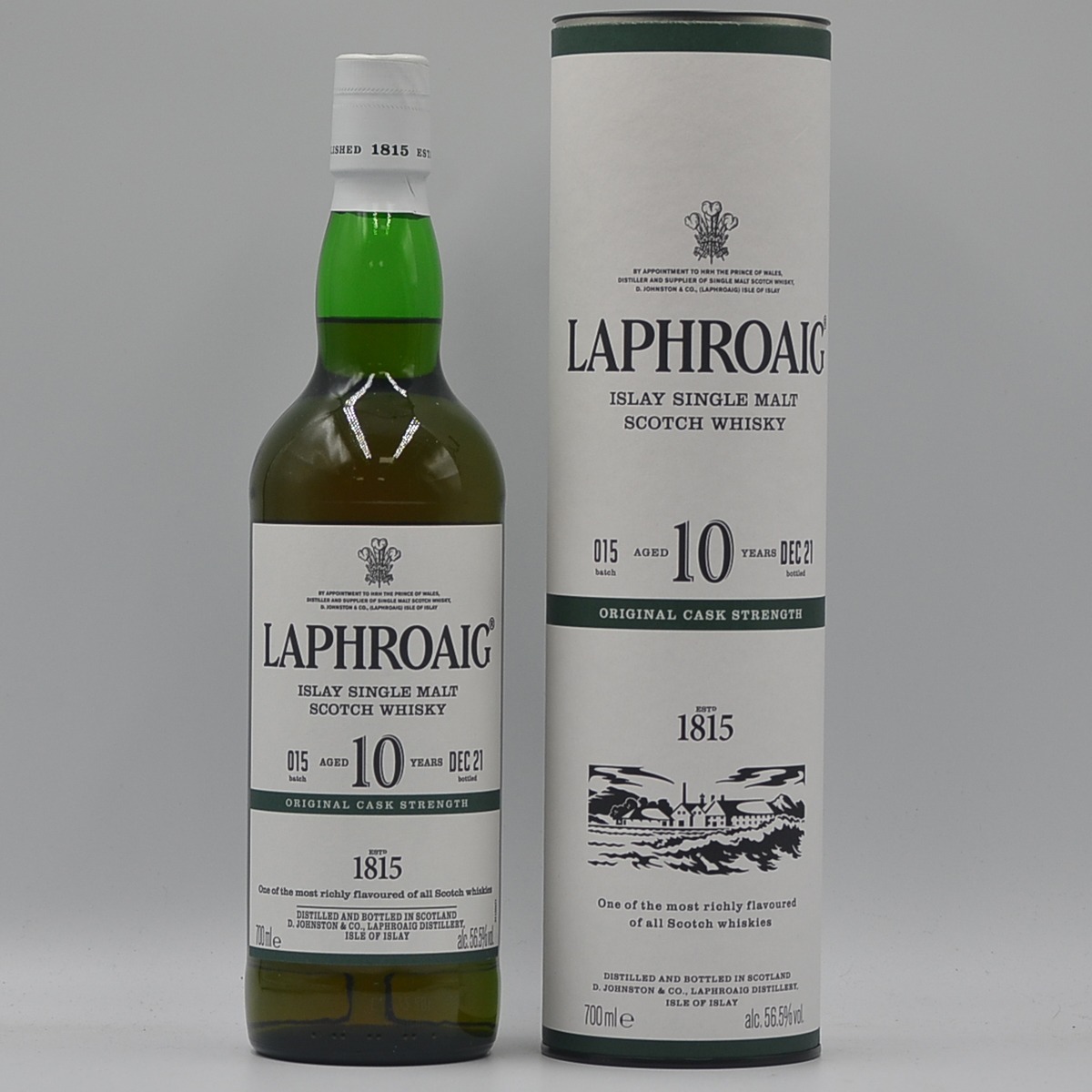
A more concentrated version of the standard 10 Year Old, delivering dense medicinal smoke, citrus oils, and maritime salinity at natural strength.
Lagavulin 12 Year Old Special Releases
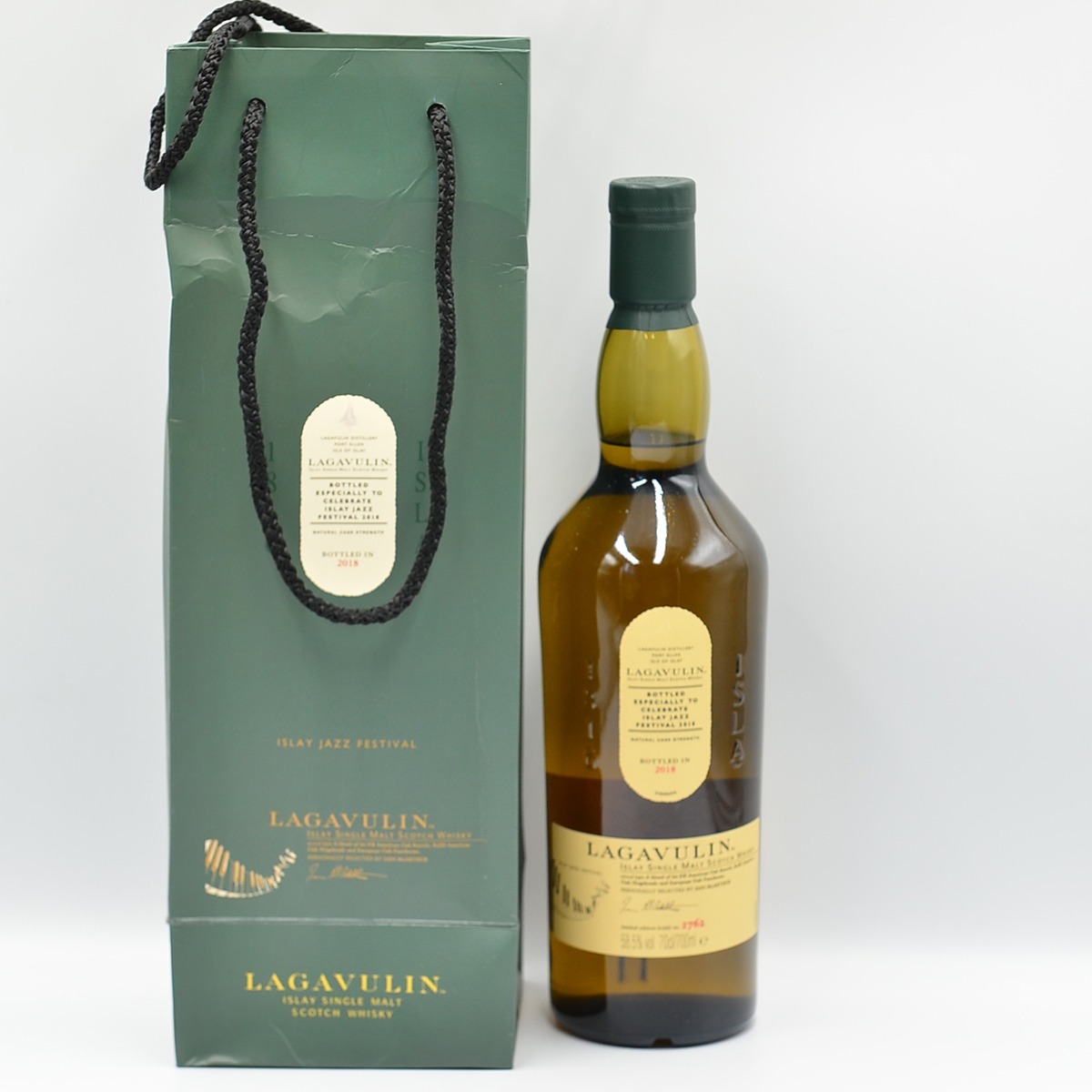
Frequently bottled at cask strength with a drier, more mineral profile than the standard 16 Year Old. These releases are often sought out by experienced peat drinkers.
Meikle Tòir The Sherry One
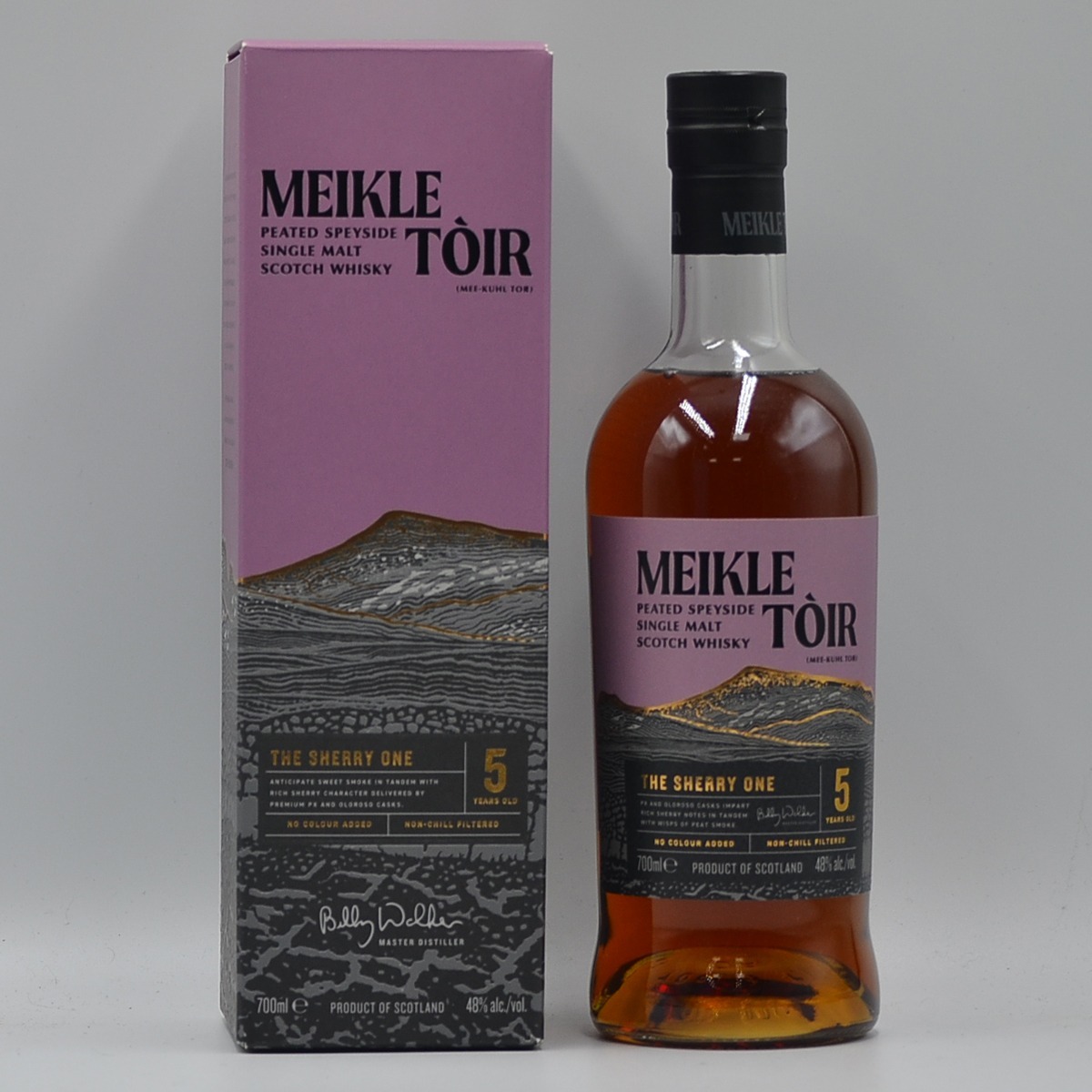
A newer peated style from GlenAllachie combining Highland peat influence with rich sherry cask maturation.
How to Taste Peated Whisky Properly
- Use the right glass. A tulip-shaped whisky glass concentrates aroma more effectively than a tumbler.
- Nose slowly. Avoid placing your nose deep into the glass immediately, particularly with higher ABV peat. Start gently to pick up smoke, coastal notes, fruit, or sweetness.
- Take small sips. Let the whisky coat the palate before swallowing. Peat often develops in layers rather than arriving all at once.
- Add a few drops of water. Water can soften alcohol intensity and reveal citrus, vanilla, malt sweetness, or dried fruit hidden beneath the smoke.
When Peated Whisky Makes Sense — And When It Does Not
Peated whisky suits drinkers who enjoy strong flavour definition and distinctive regional character. Smoky whiskies often appeal to people who already enjoy heavily roasted coffee, mezcal, smoked foods, or robust red wines.
Lightly peated styles work well for buyers moving beyond standard Speyside or Highland malts without jumping directly into heavily medicinal Islay whisky. Talisker 10 and Benromach 10 are common transition bottles.
Heavily peated cask strength whisky may not suit buyers seeking delicate fruit-led or dessert-style whisky. Bottles such as Octomore, Ardbeg Corryvreckan, or Laphroaig Cask Strength are intense even for experienced drinkers.
If you are exploring broader regional styles alongside peat, our Scotch Whisky selection includes Islay, Highland, Island, Campbeltown, and Speyside distilleries.
Frequently Asked Questions
Does high PPM mean a whisky tastes more smoky?
Not necessarily. PPM measures phenols in the malted barley before distillation. Distillation style, cask maturation, age, and ABV all affect how smoky the whisky feels in the glass. Some extremely high-PPM whiskies taste surprisingly balanced after maturation.
Is peated whisky only made on Islay?
No. Islay is the region most strongly associated with peat, but peated whisky is also produced in the Highlands, Islands, Speyside, Campbeltown, and internationally. Talisker, Benromach, Ardnamurchan, and Hakushu all produce distinctive peated styles outside Islay.
What is the best lightly peated whisky for beginners?
Highland Park 12 Year Old, Benromach 10 Year Old, and Talisker 10 Year Old are commonly recommended starting points. They introduce smoke gradually without the intense medicinal profile found in some heavily peated Islay malts.
Are all smoky whiskies peated?
No. Smoke can also come from toasted casks, charred barrels, or production techniques unrelated to peat. Peated whisky specifically refers to barley dried using peat smoke during the malting process.
Final Thoughts
The best peated whisky depends less on absolute smoke intensity and more on balance, regional style, and cask influence. Some buyers prefer medicinal coastal Islay whisky, while others gravitate toward softer Highland peat or sherry-matured smoke.
Understanding the differences between peat styles makes it easier to buy confidently and avoid bottles that feel too aggressive or too restrained for your preferences. For broader exploration, browse our Scotch Whisky collection and related distillery releases.

Related Products
-
-
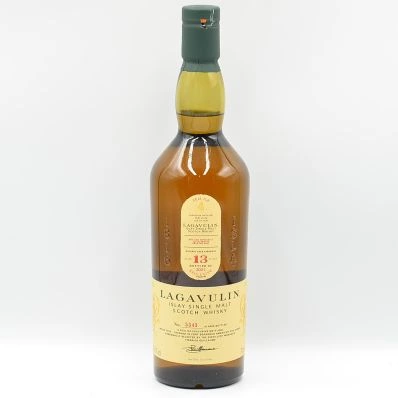 Lagavulin 13 Year Old Islay Whisky Feis Ile 2021Special Price £170.98 Regular Price £189.99 Inc VATSaving £19.01
 -
Comments