
 Chat with us on WhatsApp


What Makes A Bourbon? The Legal Definition Explained
Bourbon is a type of American whiskey defined by specific production rules. To qualify, it must be produced in the United States from a grain recipe containing at least 51% corn, distilled and barrelled within fixed proof limits, matured in new charred oak containers and bottled at no less than 40% ABV.
These requirements create a recognisable production framework, but they still leave distillers considerable room to shape flavour through grain selection, yeast, fermentation, distillation and maturation. Exploring the bottles in our Bourbon Whiskey collection shows how varied the category can be despite every release following the same core legal definition.
What Makes A Bourbon Bourbon?
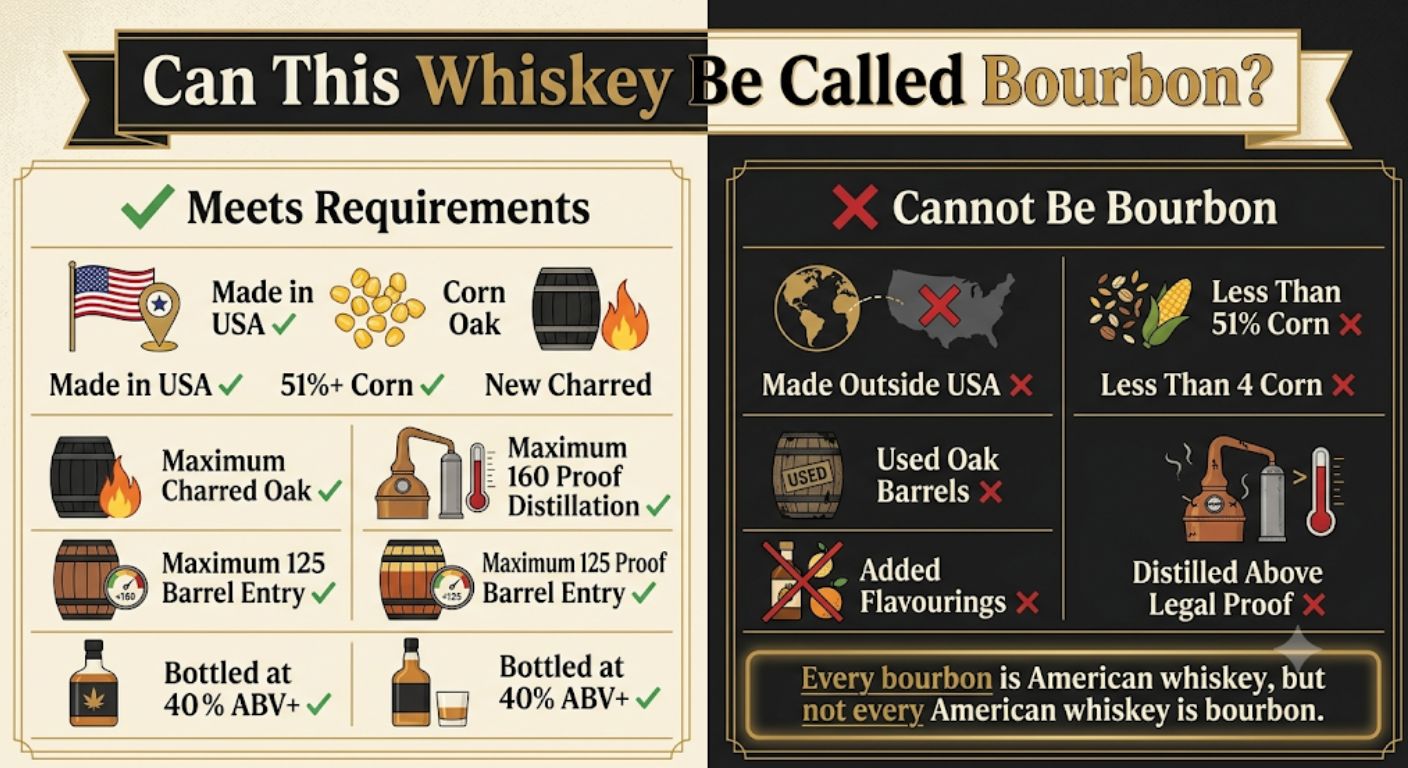
A whiskey can be labelled as bourbon only when it satisfies the legal standards governing its origin, grain composition, distillation strength, barrel entry strength and maturation container. It must also reach the required minimum strength when bottled.
- It must be produced in the United States.
- Its fermented grain mash must contain at least 51% corn.
- It must be distilled to no more than 160 proof, or 80% ABV.
- It must enter a new charred oak container at no more than 125 proof, or 62.5% ABV.
- It must be bottled at no less than 80 proof, or 40% ABV.
The detailed federal standards are set out in the US standards of identity for whisky. These rules define what producers may legally describe as bourbon rather than prescribing one fixed recipe or flavour profile.
Bourbon Must Be Made In The United States
Bourbon must be distilled and aged in the United States, but it does not have to come from Kentucky. Producers in other states can legally make bourbon when they meet the same federal production standards.
Kentucky remains closely associated with the category because of its established distilling industry, climate, limestone-rich water sources and concentration of historic producers. However, “Kentucky bourbon” is a more specific geographical description. A bottle using that wording must have been distilled and matured in Kentucky.
The broader American requirement also protects bourbon as a distinctive product of the United States. A whiskey made to a similar recipe in Scotland, England or another country cannot legally be sold as bourbon.
The Mash Bill Must Contain At Least 51% Corn
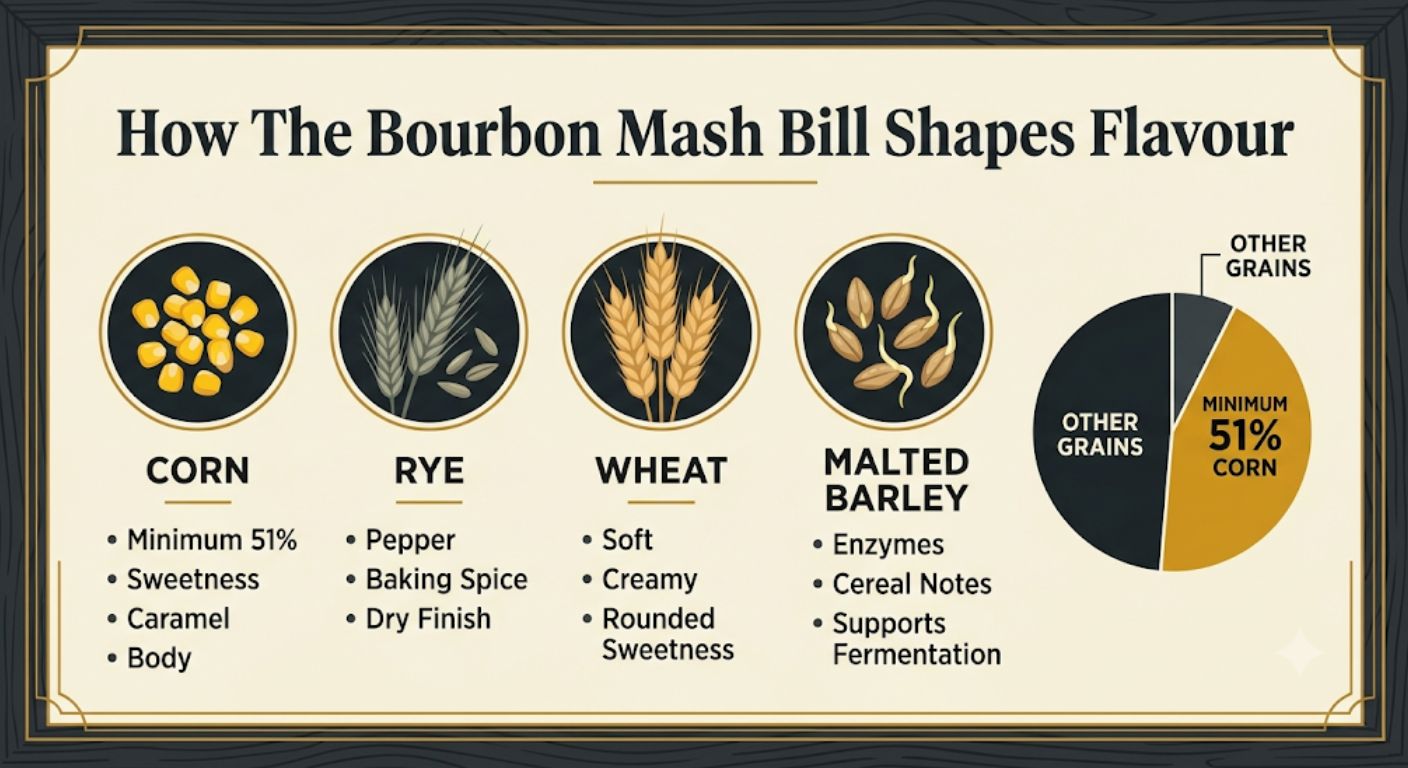
The mash bill is the combination of grains used to produce the fermentable liquid. For bourbon, corn must account for at least 51% of that recipe. The remaining proportion usually includes rye or wheat alongside malted barley, although producers can use other permitted cereal grains.
Corn generally contributes sweetness, body and flavours associated with caramel, vanilla, honey or cooked grain. It does not determine the finished character by itself. The secondary grain can noticeably alter the whiskey:
- Rye often adds pepper, baking spice and a firmer structure.
- Wheat usually produces a softer, rounder style with less overt spice.
- Malted barley supplies enzymes for converting starch into fermentable sugar and may add cereal or nutty notes.
The 51% rule is a minimum rather than a standard formula. Two bourbons can both comply with the law while using substantially different grain proportions. That is why wheated releases from Maker’s Mark and W.L. Weller can feel softer than rye-led recipes.
Bourbon Cannot Be Distilled Above 160 Proof
Bourbon must come off the still at no more than 160 proof, equivalent to 80% ABV. The limit prevents the spirit from being distilled so highly that most of the flavour created by the grain and fermentation is removed.
A higher distillation strength generally produces a lighter, cleaner spirit because fewer grain-derived compounds remain. A lower strength can retain more oils, congeners and texture. The legal ceiling therefore allows producers to refine the spirit while preserving enough character for it to remain recognisably whiskey.
The final distillation strength does not need to be exactly 160 proof. Distilleries can operate below the maximum according to their equipment and intended house style.
It Must Enter The Barrel At No More Than 125 Proof
Before maturation, the spirit may be reduced with water, but it cannot enter the oak container above 125 proof, or 62.5% ABV. Barrel entry strength affects how the spirit extracts flavour and structure from the wood.
Spirit entered at a lower proof contains more water, changing how it dissolves compounds such as sugars, tannins and aromatic substances from the oak. Producers choose an entry strength based on their desired flavour profile, maturation programme and warehouse conditions rather than automatically filling at the legal maximum.
One detail our customers often overlook is that barrel entry proof and bottling proof are not the same figure; the whiskey can change strength during maturation before it is diluted or bottled at cask strength.
Why Must Bourbon Use New Charred Oak?

Bourbon must be matured in new charred oak containers. “New” means the container has not previously matured another spirit, while “charred” means the inside surface has been exposed to flame before filling.
Charring alters the oak and creates several layers within the wood. The charred surface acts partly as a filter, while heat breaks down wood compounds beneath it. During maturation, the whiskey moves in and out of the oak as warehouse temperatures change. This interaction contributes colour and flavours commonly associated with vanilla, caramel, toasted oak, coconut and baking spice.
The new-oak requirement gives bourbon strong wood influence relatively quickly compared with whisky categories that commonly reuse casks. Once emptied, American oak barrels can be exported and reused by Scotch, Irish, Japanese and other whisky producers.
The law refers to oak “containers” rather than requiring one particular barrel size. Standard American whiskey barrels are common, but the legal definition does not depend on the familiar 200-litre format.
Does Bourbon Have A Minimum Age?
Standard bourbon has no stated minimum maturation period under the basic definition. It must spend time in new charred oak, but a bottle needs additional qualifications before the word “straight” can appear on its label.
How Long Must Straight Bourbon Be Aged?
Straight bourbon must be matured for at least two years. When it is less than four years old, its label must carry an age statement identifying the age of the youngest whiskey in the bottle.
A bourbon aged for four years or more does not normally need to display an age statement. Age provides useful production context, but it does not guarantee quality. Climate, warehouse position, barrel selection, entry proof and the distillery’s intended style can matter as much as the number on the label.
Can Bourbon Contain Added Colour Or Flavour?
Standard bourbon cannot rely on added colouring, flavouring or sweetening materials while retaining the unqualified bourbon designation. Its colour and much of its mature flavour must come from the interaction between the distilled spirit and new charred oak.
Producers may release bourbon-based products with additional flavours or secondary maturation, but the label must describe them appropriately. A whiskey finished in another type of cask may use a more detailed statement of composition rather than being presented simply as straight bourbon.
What Bottling Strength Does Bourbon Require?
Bourbon must be bottled at a minimum of 80 proof, equivalent to 40% ABV. There is no single standard strength above that floor, so bottles may appear at 43%, 45%, 50% ABV or at natural barrel strength.
Higher proof does not automatically mean higher quality. It usually delivers greater concentration and alcohol intensity, while lower-strength bottlings may be more immediately approachable. Checking the ABV is particularly important when comparing a standard release with a barrel-proof or cask-strength version from the same producer.
Producers such as Buffalo Trace release whiskey across several strengths, ages and mash bills. The shared bourbon rules establish the category, but those production choices determine how each bottle actually tastes.
What Is Bottled-In-Bond Bourbon?
Bottled-in-bond bourbon is a more tightly controlled designation that sits within the wider bourbon category. It follows the normal bourbon rules while adding requirements governing the producer, production period, maturation and bottling strength.
A bonded bourbon must:
- Come from one distiller at one distillery.
- Be produced during a single distilling season.
- Mature for at least four years in a federally bonded warehouse.
- Be bottled at exactly 100 proof, or 50% ABV.
The designation was created to give buyers clearer assurance about a whiskey’s origin and strength. It remains useful label information, although it should not be treated as an automatic guarantee that one bourbon will taste better than another.
How Bourbon Differs From Other American Whiskeys
Bourbon is part of the wider American whiskey category. Other styles may use different dominant grains, maturation rules or regional production methods.
| Style | Main Grain Rule | Oak Requirement | Key Distinction |
|---|---|---|---|
| Bourbon | At least 51% corn | New charred oak | Produced in the United States |
| Rye whiskey | At least 51% rye | New charred oak | Typically spicier and more grain-led |
| Wheat whiskey | At least 51% wheat | New charred oak | Wheat is the dominant grain rather than a secondary grain |
| Corn whiskey | At least 80% corn | Cannot be matured in new charred oak if it is aged | Separate legal identity despite its high corn content |
| Tennessee whiskey | Usually follows bourbon-style grain rules | New charred oak | Produced in Tennessee and generally charcoal mellowed before maturation |
Frequently Asked Questions
Does bourbon have to be made in Kentucky?
No. Bourbon can be produced in any US state provided it meets the federal production standards. Kentucky bourbon must be distilled and matured in Kentucky, but the broader bourbon designation applies across the United States.
Is bourbon a whiskey?
Yes. Bourbon is a legally defined type of American whiskey. Whiskey is the broader category, while bourbon is one particular style within it. Other whiskeys may use different grains, previously used casks or production methods that would prevent them from qualifying as bourbon.
Does bourbon have to be aged for two years?
No minimum age applies to the basic bourbon designation, although the spirit must be matured in new charred oak. The two-year minimum applies specifically to straight bourbon. Straight bourbon aged for less than four years must display an age statement.
Is Tennessee whiskey legally bourbon?
Many Tennessee whiskeys satisfy the main production standards associated with bourbon, including the corn percentage and new charred oak requirements. They are marketed under the separate Tennessee whiskey identity, which adds a state origin requirement and generally includes charcoal mellowing known as the Lincoln County Process.
Can bourbon be finished in another type of cask?
Yes, producers can transfer matured bourbon into another cask for additional maturation. However, the resulting labelling must accurately explain the treatment. Depending on how the whiskey is finished and presented, it may require a statement of composition rather than an unqualified straight bourbon designation.
-
-
-
-
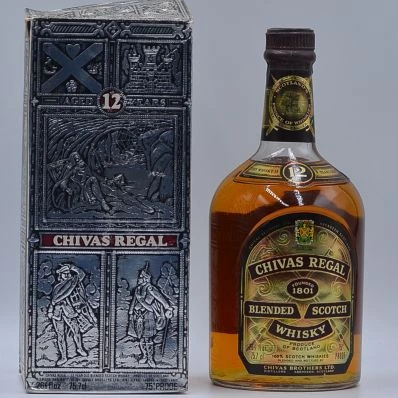 Chivas Regal 12 Year Old Scotch Whisky 75 Proof 1970sSpecial Price £47.98 Regular Price £59.99 Inc VATSaving £12.01
 -
-
-
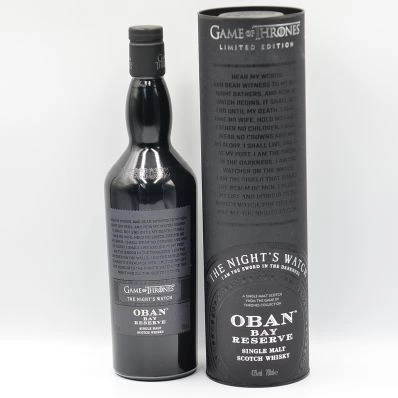 Game of Thrones Whisky Oban Bay Reserve The Night's WatchSpecial Price £72.98 Regular Price £84.99 Inc VATSaving £12.01
 -
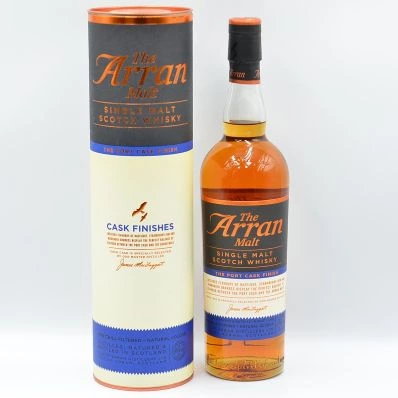 Arran Cask Finishes Port Scotch WhiskySpecial Price £87.98 Regular Price £97.99 Inc VATSaving £10.01
 -
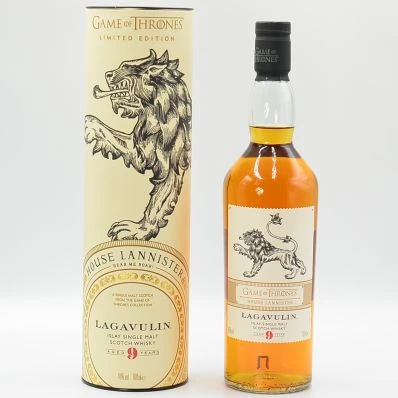
-
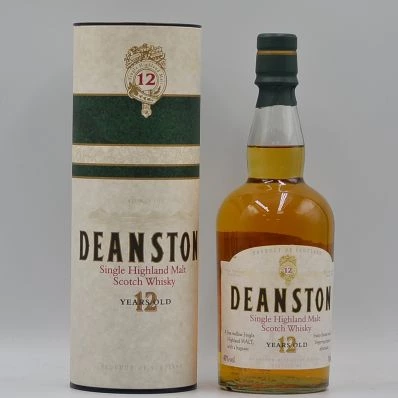 Deanston 12 Year Old Highland Whisky 2000sSpecial Price £56.98 Regular Price £63.99 Inc VATSaving £7.01
 -
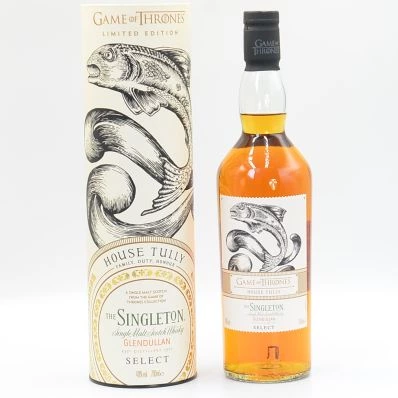 Game of Thrones Whisky Singleton Glendullan House TullySpecial Price £73.98 Regular Price £84.99 Inc VATSaving £11.01
The Legal Definition In Practical Terms
Bourbon is defined by origin and production method rather than by one brand, state or flavour. It must be American-made, use at least 51% corn, remain within the legal distillation and barrel-entry limits, mature in new charred oak and reach at least 40% ABV at bottling.
Those rules provide consistency without making every bourbon taste alike. Mash bill, yeast, distillation choices, warehouse conditions, maturation time and bottling strength still create meaningful differences between producers and releases. Readers comparing the wider range of styles can continue through our American Whiskey collection.

Comments