
 Chat with us on WhatsApp


What Makes English Whisky Different? A Guide for New Whisky Lovers
What Makes English Whisky Different? A Guide for Beginners
It’s a question that’s come up more often in recent years — and with good reason. English whisky stands apart for its creative freedom, use of local barley and grains, and the individuality of its distilleries. While Scotch whisky follows strict rules, English distillers experiment — with unique mash bills, diverse cask types, and regional ingredients. The result? A new generation of single malt whisky and rye whisky that’s rich, flavourful, and unmistakably English.
If you’ve always associated whisky with Scotland, it’s time to look south. Over the last two decades, English distilleries producing whisky have transformed curiosity into confidence. They’re proving that heritage, innovation, and craftsmanship can happily share the same glass. According to The Spirits Business (2024), England’s surge in distillery numbers marks “a golden age for English distilling,” as producers embrace creativity without losing sight of tradition.
A Beginner’s Guide to English Whisky
The story of English whisky begins long before the modern revival. Centuries ago, small distilleries dotted the countryside, often attached to breweries or farms. But by the early 1900s, whisky making had vanished from England altogether.
That all changed in 2006, when The English Whisky Company — at St George’s Distillery in Norfolk — distilled the first legal English single malt whisky in over a century. That first batch did more than produce spirit; it sparked a movement.
Soon after came Cotswolds Distillery, The Lakes Distillery, White Peak, and Spirit of Yorkshire, each bringing its own regional character. From local barley grown on Yorkshire farms to the honeyed malts of the Cotswolds, these English whisky distilleries redefined what whisky could taste like.
Today, more than 60 English whisky distilleries are in operation — most of them small, fiercely independent, and focused on quality over quantity.
The English Whisky Company: Where It All Began
No story of English whisky is complete without The English Whisky Company. Based in Norfolk, this family-run distillery was the first in over a century to produce whisky legally in England when it fired up its stills in 2006.
Using locally grown malted barley and traditional copper pot stills, The English Whisky Company helped re-establish England’s whisky credentials. Their single malt whiskies — from the unpeated “Original” to the gently smoked “Smokey” — set a new benchmark for quality and authenticity.
Today, it stands as a symbol of English whisky’s revival and a mentor to the new generation of English distilleries producing whisky across the country. Many of those inspired by their example now experiment with rye whisky, different cask finishes, and innovative blends — but the roots all trace back to Norfolk.
Scottish Whisky, Irish Whisky, and the English Evolution
When discussing English whisky, comparison is inevitable — and valuable. Scottish whisky is revered for its balance of regional identity and time-tested techniques, while Irish whisky is known for smoothness and triple distillation. English whisky sits proudly between the two.
Like Scotch, most English producers make single malt whisky from malted barley and age it in oak. Yet they embrace the softer, fruitier spirit more akin to Irish whisky. The difference lies in the approach: where Scotland guards tradition, England celebrates experimentation.
Across the growing English whisky scene, you’ll find distilleries testing unusual whisky casks — port pipes, rum barrels, even beer casks — to coax out layers of fruit and spice. This freedom, combined with small-batch craftsmanship, gives English whisky a distinct voice within the wider world of whisky.
For whisky lovers exploring beyond the Highlands or the Emerald Isle, England’s distilleries offer a new adventure — one dram at a time.
English Whisky Styles: From Single Malt to Rye
One thing that makes English whisky so exciting is the sheer variety of styles. Without a geographical indication restricting production methods, distillers have the freedom to explore.
Single Malt Whisky & the English Style
Single malt whisky is the beating heart of the English whisky industry. It’s made from 100% malted barley at a single distillery using copper pot stills — and it captures the essence of the local grain and climate.
English single malts tend to be fruit-forward, approachable, and subtly sweet. Expect notes of orchard fruit, honey, and cereal grain, balanced by the soft vanilla influence of oak barrels and ex-bourbon casks.
Rye Whisky and Peated Whisky in England
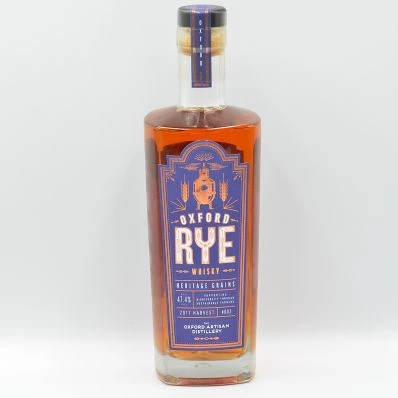
Rye whisky has made a remarkable comeback in recent years, led by producers like The Oxford Artisan Distillery, who use heritage rye grown on their own land. English rye whisky is spicier than malt but often softer than its American cousins, with flavours of clove, caramel, and nutmeg.
Peated whisky, meanwhile, is a rarity in England but growing in interest. Distillers such as White Peak and The English Whisky Company craft lightly peated malts that strike a beautiful balance between smoke and sweetness — proof that peat doesn’t have to dominate.
Single Grain and Blended English Whisky
Beyond single malt, English distilleries producing whisky are experimenting with single grain whiskies made from wheat, corn, and other cereals. Copper Rivet’s Masthouse Single Grain shows just how elegant these can be. Some producers are even blending their single malt and grain whiskies to create modern English blends with distinctive flavour profiles.
The Role of Casks, Oak, and Flavour Profile
No discussion of English whisky would be complete without talking about casks. Oak barrels are the unsung heroes, shaping the flavour profile and maturity of every dram.
Most English distilleries use a mix of ex-bourbon casks, sherry butts, and wine barrels. Bourbon casks bring vanilla and caramel; sherry adds dried fruit and nutty warmth. Some use beer or cider casks for extra depth.
The interaction between spirit and wood — especially in England’s warmer climate — leads to rapid flavour development. Even whiskies aged just three or four years can taste surprisingly mature, with soft spice, toasted oak, and a creamy finish.
How English Whisky Differs from Scotch Whisky
It’s impossible to talk about English whisky without mentioning its northern neighbour. But while Scotch whisky and English whisky share similar roots, their philosophies differ.
-
Regulation: Scotch whisky must follow strict laws; English whisky currently does not have an official geographical indication. That freedom encourages innovation.
-
Climate: England’s warmer, more variable climate accelerates maturation. Many English single malts taste older than their years.
-
Flavour Profile: Scotch whisky often leans heavier and oak-driven, while English whisky highlights fruit, cereal, and freshness.
-
Scale: English distilleries tend to be smaller — often single distillery operations crafting limited batches.
Rather than compete, English whisky complements Scotch — offering a lighter, fresher alternative that still respects tradition.
How English Whisky Is Made
Visit any English whisky distillery and you’ll find a blend of traditional craft and modern design. Most are built on sustainable principles — using local grains, renewable energy, and recycled water. But what really defines them is attention to detail.
Each stage of production is a chance to shape character:
-
Malted Grain & Local Barley: Many distillers use local barley grown within a few miles of the stillhouse. This focus on provenance helps define each whisky’s identity.
-
Mashing & Fermentation Process: Long fermentation (sometimes up to five days) allows fruity esters to develop, giving English single malt whisky its signature orchard fruit aroma.
-
Distillation: Most use copper pot stills, though some have introduced hybrid stills for precision control.
-
Cask Maturation: Oak barrels — often ex-bourbon or sherry casks — lend structure and flavour. Some producers experiment with beer casks, wine casks, and even cider barrels for unique finishes.
This balance of tradition and experimentation is what gives English whisky its edge.
The Cotswolds Distillery & The Lakes Distillery
Among all English producers, these two stand out for how they’ve shaped the national style.
Cotswolds Distillery makes unpeated single malt whisky using local barley and long fermentation times. The result is a spirit full of orchard fruit, malt sweetness, and creamy texture. Their Sauternes Cask and Sherry Cask editions showcase how oak casks influence richness and spice.
The Lakes Distillery, in Cumbria, takes a more sherried approach, maturing spirit in European oak barrels to achieve depth and complexity. The Whiskymaker’s Reserve series has earned international acclaim for its layered flavour and artistry in blending.
Both distilleries embody what English whisky stands for: authenticity, creativity, and uncompromising quality.
10 of the Best English Whisky Distilleries (and What to Try)
Every distillery brings something different to the glass. Here’s a snapshot of those shaping the story of English whisky today:
-
Adnams, Suffolk — Triple Malt Whisky: bright and malty, with notes of toffee apple and vanilla.
-
The English Whisky Company, Norfolk — Gently Smoked Sherry Cask: sweet oak with a whisper of peat.
-
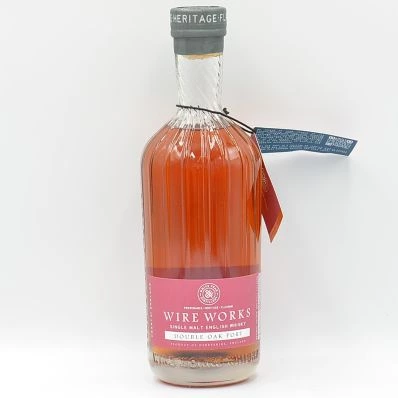
White Peak, Derbyshire — Wire Works First Release: malt-driven, elegant, and slightly mineral.
-
Samuel Gulliver & Co., Essex — Gulliver’s No.6: smooth single malt whisky with subtle spice.
-
The Oxford Artisan Distillery — Oxford Rye : heritage grains, bold spice — the English rye benchmark.
-
East London Liquor Co. — Single Malt Whisky: robust, urban, and full of personality.
-
Cotswolds Distillery — Sauternes Cask: rich, honeyed, and dripping with stone fruit.
-
Spirit of Yorkshire — Filey Bay 2nd Release: coastal single malt with sea breeze freshness.
-
The Lakes Distillery — The Whiskymaker’s Reserve: deep sherry influence, chocolate and fruitcake notes.
-
Bimber Distillery, London — The 1st Release: rare, collectible, and already legendary.
Each of these English distilleries producing whisky proves the same thing: passion and place matter more than age. They are the foundation of England’s single malt story.
English Whisky Festivals & Events 2026
If you want to experience the scene first-hand, 2026 is the year to do it. The first official English Whisky Week celebrates distillers nationwide — from Norfolk to Cornwall — showcasing the breadth and diversity of modern English whisky.
Other key events include:
-
York Whisky Festival — Featuring northern producers like Spirit of Yorkshire and Filey Bay.
-
Birmingham Whisky Club Tastings — Focused sessions highlighting craft single malt and rye.
-
London Whisky Show — A showcase for British spirits, where English whisky now commands serious attention.
These gatherings bring whisky lovers and whisky makers together — the perfect place to taste, learn, and share in the excitement of England’s whisky revival.
English Whisky Makers to Watch
The story doesn’t stop with the established names. A new generation of whisky makers is pushing boundaries.
-
Fielden — Using heritage grains grown on family farms to create distinctive rye whisky.
-
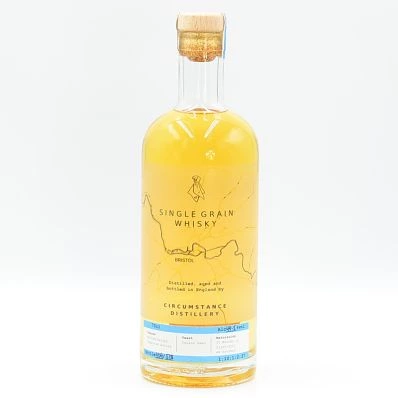
Circumstance — Producing experimental batches with creative mash bills and innovative ageing.
-
Copper Rivet — Precision-engineered distilling meets craft ethos in Kent.
-
Woven Experience — Collaborative blends showcasing the diversity of English whisky.
Each of these makers adds a new voice to England’s growing whisky scene — proof that innovation is part of the DNA.
Innovation and Sustainability in English Whisky
Modern English whisky isn’t just about flavour; it’s about responsibility. Distilleries are investing in renewable energy, recycling water, and sourcing local grains to reduce environmental impact. The whisky industry here sees sustainability as part of quality.
Producers also experiment with fermentation innovations and unusual mash bills. Some even blend whisky with other spirits traditions, using techniques from beer brewing and gin making to expand flavour.
This open-minded approach makes English whisky one of the most dynamic categories in the world of whisky today.
English Whisky’s Place in the World
England’s distilleries now stand shoulder to shoulder with Scotch and Irish whisky producers. Their single malt whiskies win awards, export to dozens of countries, and capture drinkers’ imaginations. The blend of heritage and innovation has placed English whisky firmly within the world of whisky.
As The English Whisky Guild continues to raise standards and promote best practices, we can expect more consistency, recognition, and growth. The once small group of English distilleries producing whisky has become a respected collective shaping the spirit’s global future.
Looking Ahead: The Next Chapter
English whisky is still young, but it’s maturing beautifully. Expect to see more single malt whiskies with age statements, more experimentation with casks, and more partnerships between brewers and distillers.
In time, the category may gain a protected geographical indication — an official recognition of what makes English whisky unique. But for now, freedom remains its defining feature.
The future looks bright (and golden amber). And for whisky lovers, that means one thing: more exceptional drams to discover.
Final Thoughts
English whisky is no longer the apprentice; it’s an equal among the greats. Each single malt whisky tells a story — of grain, of place, of people daring to create something new.
Whether you’re drawn to the elegance of Cotswolds, the depth of The Lakes, or the innovation of Oxford Rye, there’s a dram waiting with your name on it.
So pour a measure of English single malt, raise your glass, and toast the distillers writing this remarkable new chapter.
Slàinte Mhath — or simply, cheers.
Further Reading
If you’ve enjoyed this guide, continue your journey with Lochs of Whisky:

Comments