
 Chat with us on WhatsApp

10 Best Grain Whisky
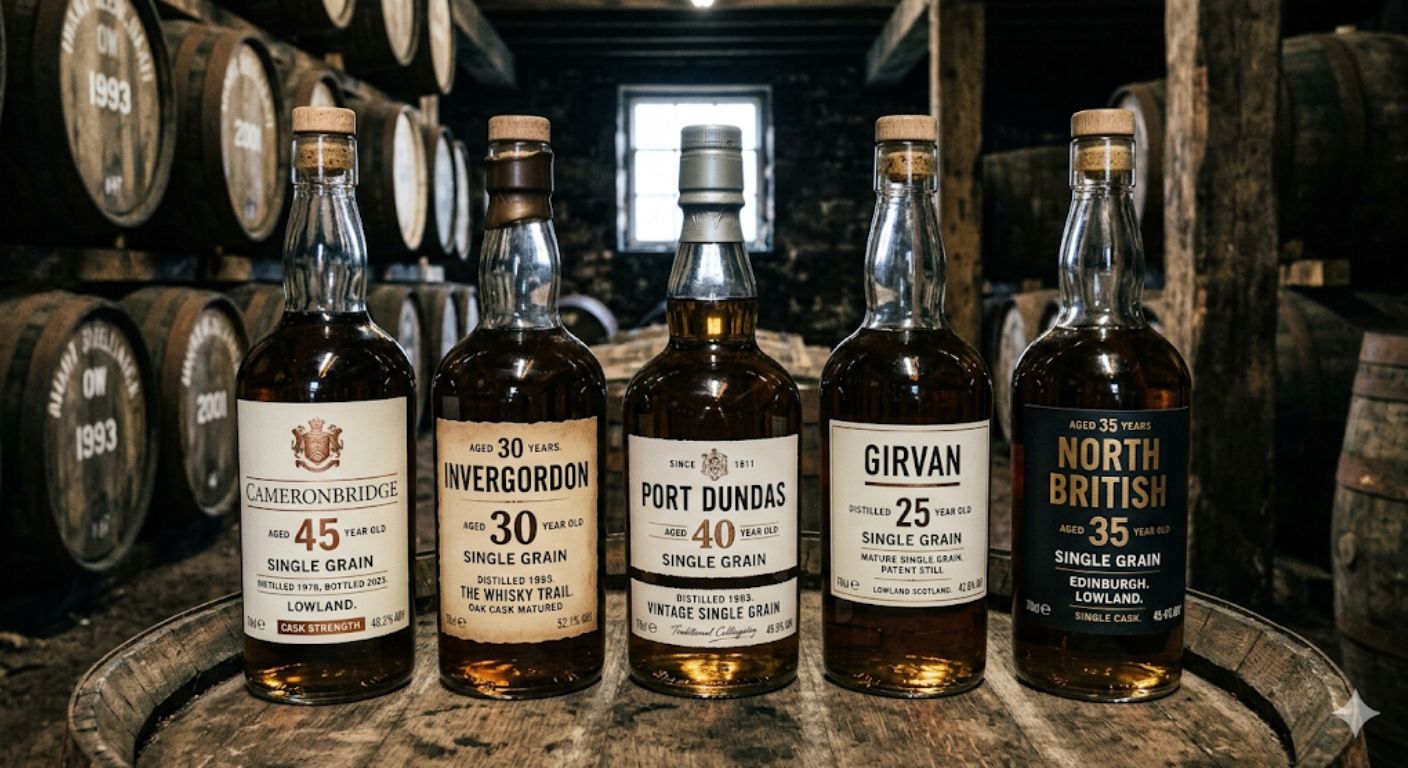
Grain whisky sits in a different part of the Scotch whisky world from heavily peated malts or sherried Highland drams. Most grain whisky is produced in large column stills using grains such as wheat or maize alongside malted barley, creating a lighter and more approachable spirit style. While much of it ends up in blends, single grain bottlings have developed a strong following among drinkers looking for mature whisky with softer oak influence and strong value for age.
Many well-aged grain whiskies now come from closed distilleries or long-running Lowland producers, making them particularly interesting for collectors and enthusiasts. If you are exploring older Scotch Whisky beyond smoky malts, the Grain Whisky category is one of the more overlooked parts of the market.
What Makes Grain Whisky Different?
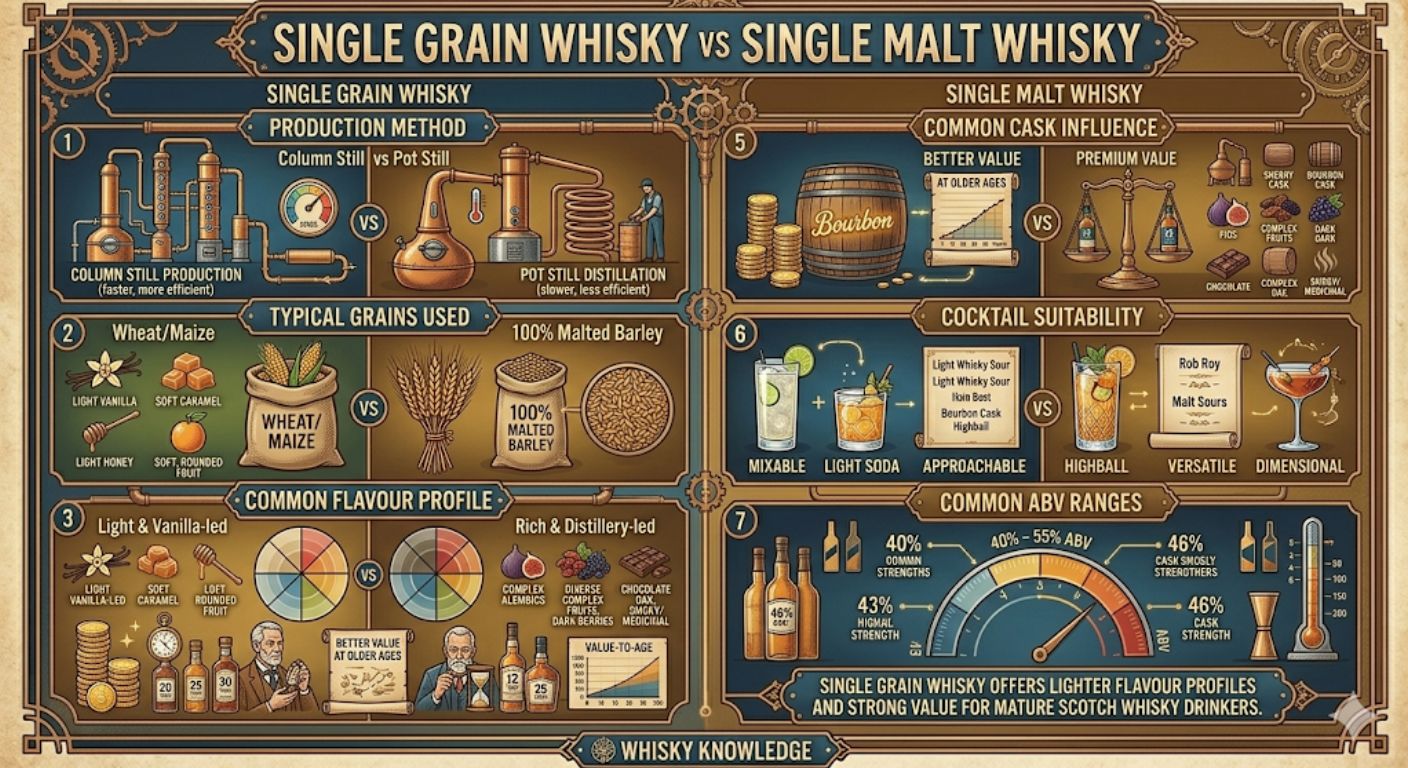
Single grain whisky refers to whisky produced at a single distillery using grains other than exclusively malted barley. Unlike single malt, grain whisky is usually distilled in continuous column stills rather than copper pot stills. This creates a lighter spirit at a higher ABV before maturation.
Typical grain whisky mash bills include:
- Wheat
- Maize
- Malted barley
- Occasionally rye
The lighter spirit character means cask influence plays a larger role during maturation. Bourbon barrels are especially common, giving mature grain whiskies notes of vanilla, coconut, caramel, and soft oak rather than dense smoke or heavy spice.
Why Is Grain Whisky Often Cheaper Than Single Malt?
Grain whisky is generally cheaper to produce because column still distillation is far more efficient than traditional pot still production. Distilleries can produce larger spirit volumes continuously, and grains such as wheat or maize typically cost less than fully malted barley.
Historically, grain whisky also carried a reputation as the “filler” component inside blends rather than a standalone product. That perception kept prices lower for decades, even when older stock reached 25–40 years of age.
Today, this creates a strong value gap. A 30-year-old single grain Scotch often costs significantly less than a single malt of similar age.
One thing we regularly notice with our customers is that older grain whisky surprises people most when tasted blind beside mature single malts — the texture is often richer than they expect from the lighter spirit style.
1. Cameronbridge 26 Year Old Diageo Special Releases
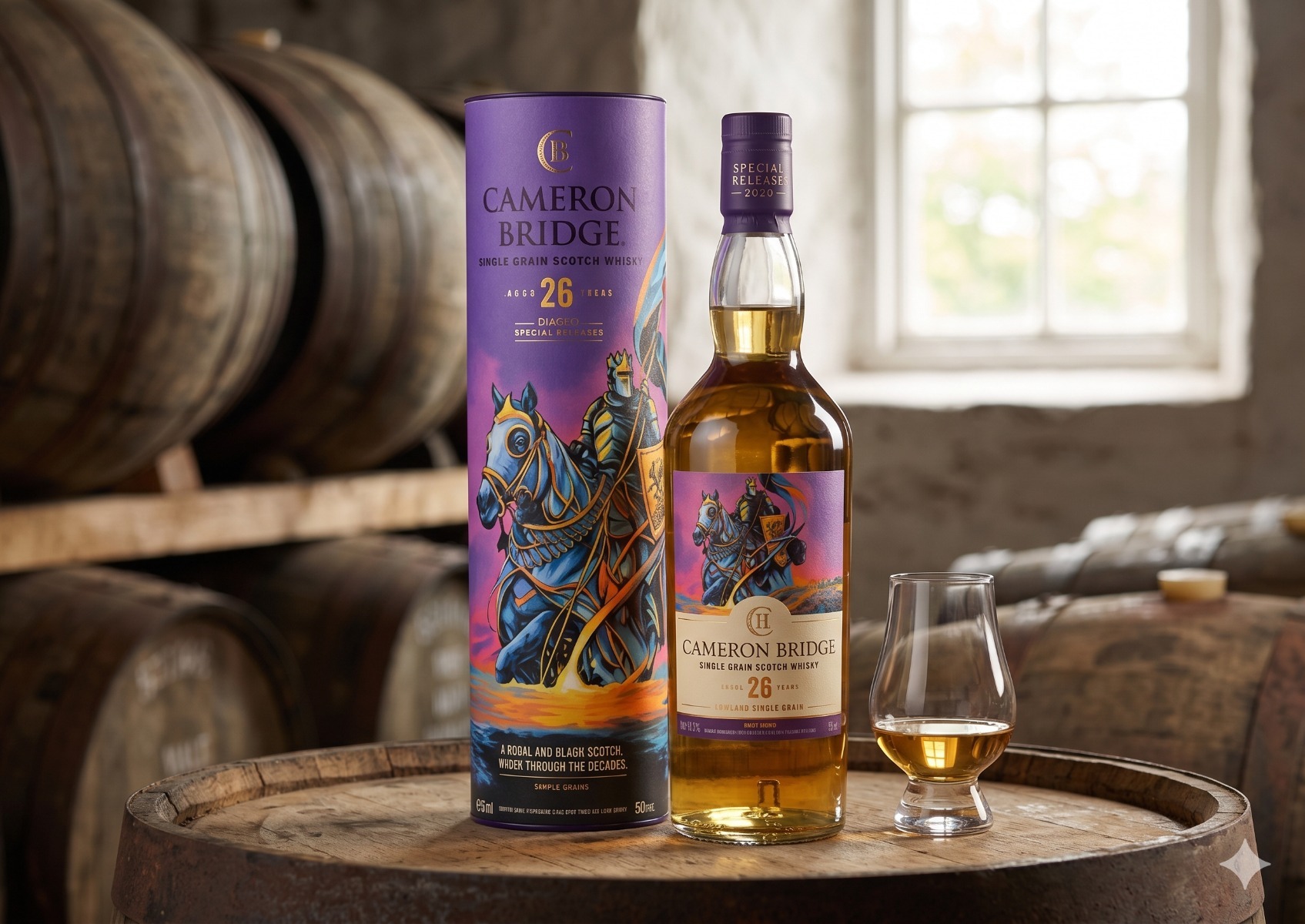
Produced at Cameronbridge, this release helped push modern single grain whisky further into enthusiast territory. Cameronbridge is one of Scotland’s largest grain distilleries, but older single cask and limited bottlings have developed a strong following.
Key details:
- Region: Lowlands
- ABV: Often bottled above 50%
- Cask style: Mostly refill American oak
- Profile: Vanilla cream, coconut, soft oak, honey
This style works particularly well for drinkers who enjoy mature bourbon-cask Scotch without heavy smoke or wine finishes.
2. Cambus Single Grain Scotch Whisky
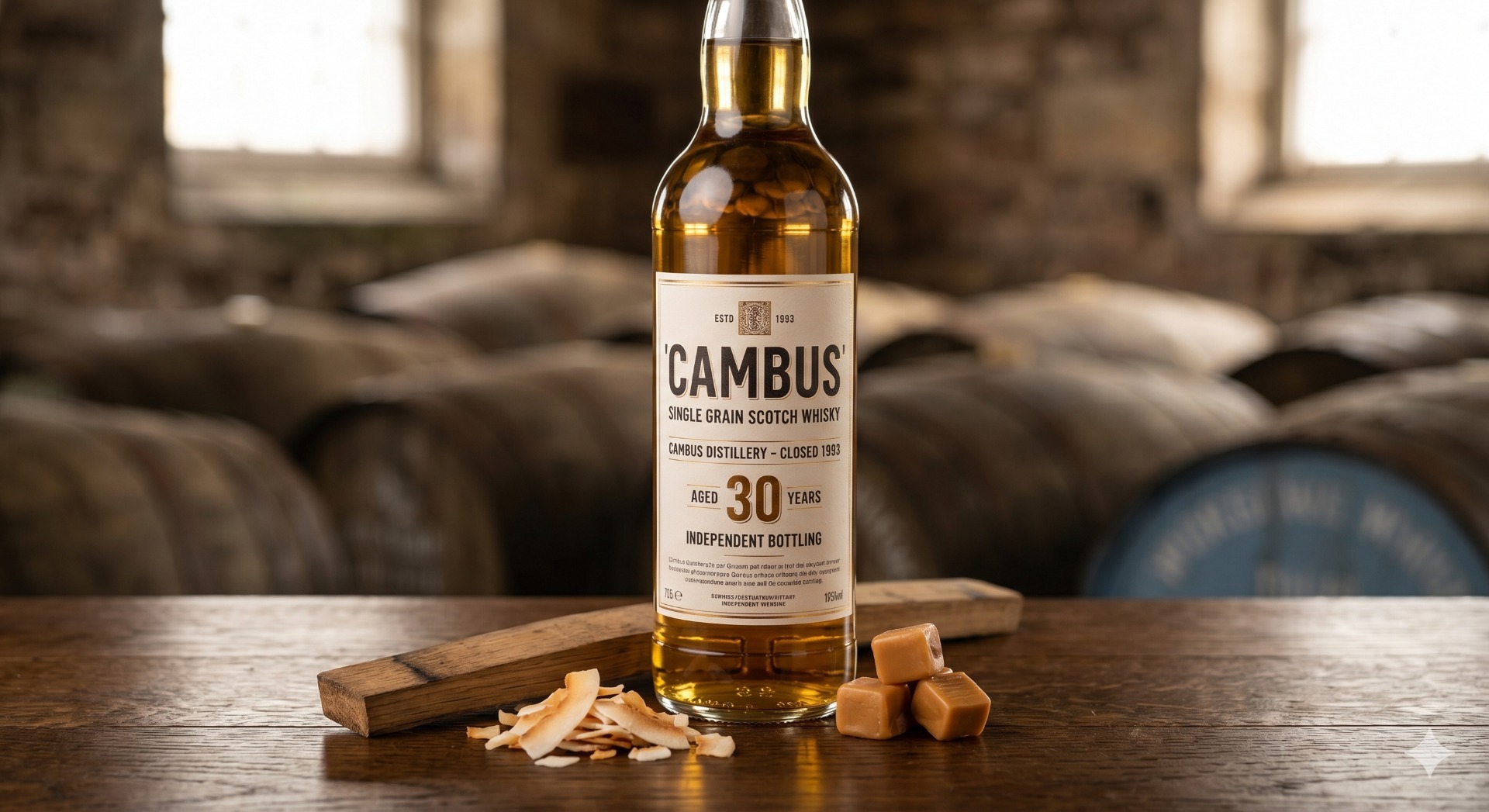
Cambus closed in 1993, making remaining stocks increasingly limited. Independent bottlers continue to release well-aged Cambus casks, often between 25 and 35 years old.
Typical characteristics include:
- Soft caramel
- Toasted coconut
- Polished oak
- Light tropical fruit
For collectors, closed distillery grain whisky offers access to older Scotch without the pricing normally attached to closed single malt distilleries.
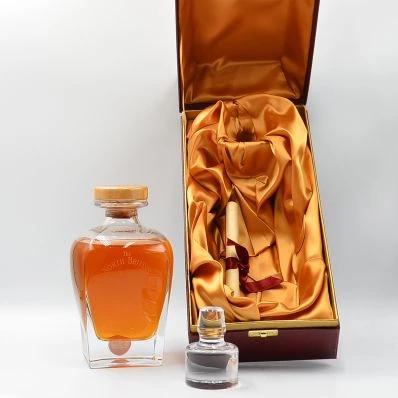
3. North British 30 Year Old
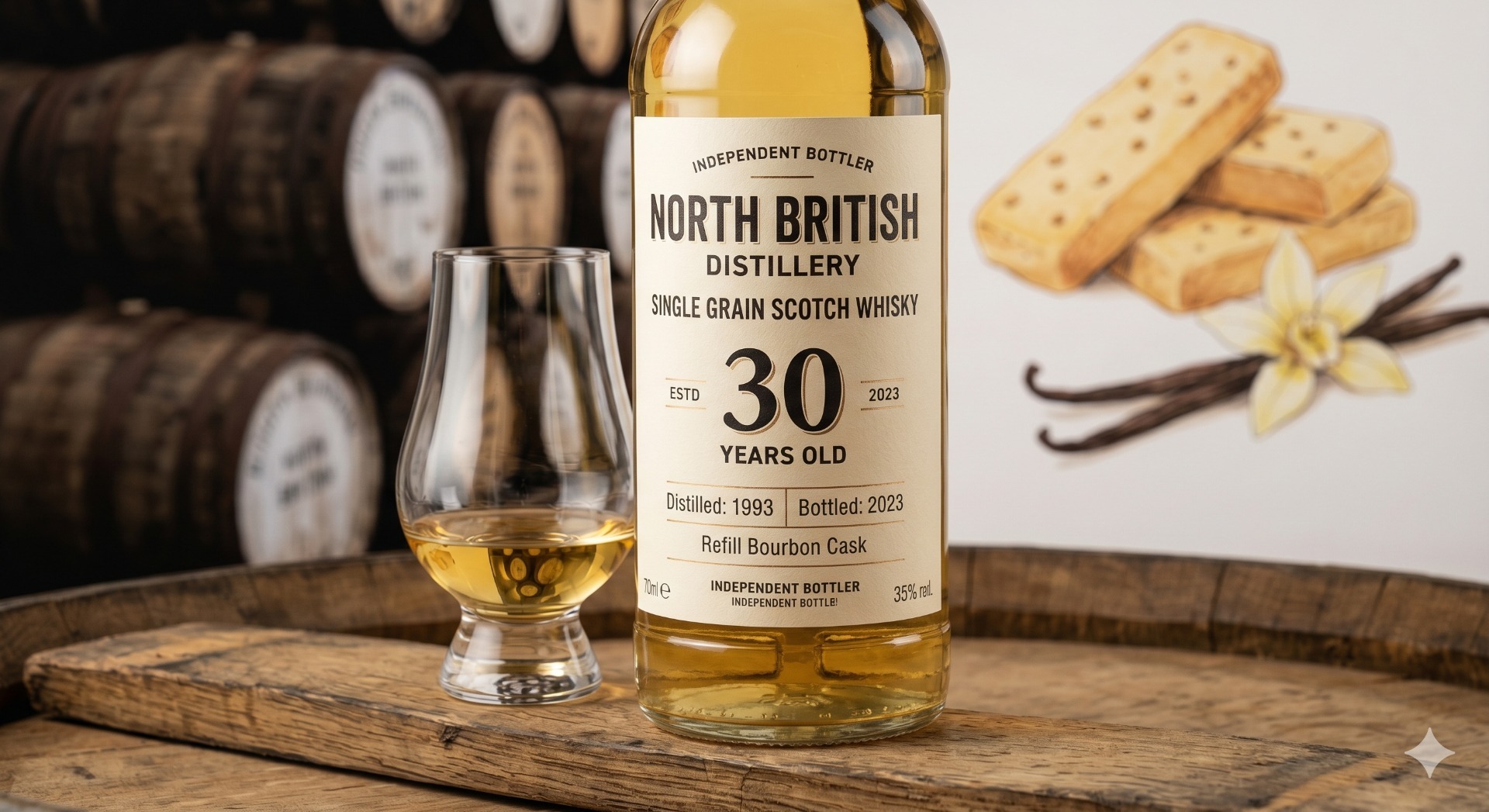
North British has supplied blending stock for decades, but independent bottlings have highlighted how well its spirit ages in refill bourbon wood.
Most releases focus on:
- Creamy vanilla
- Butter shortbread
- Light spice
- Gentle oak tannin
These bottlings often sit between £120–£250 depending on age and bottler, making them relatively accessible for mature Scotch.
4. Girvan Single Grain Whisky
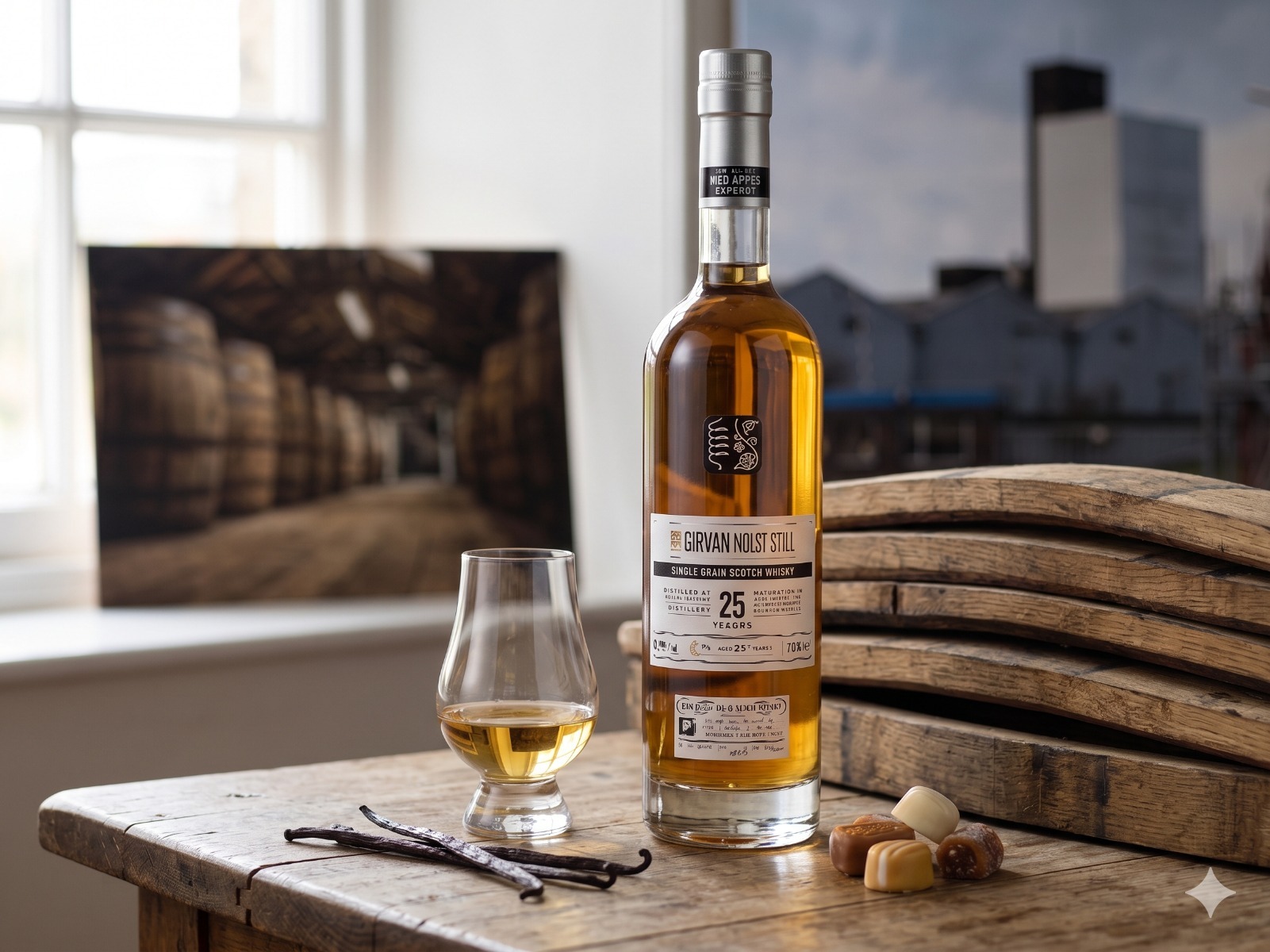
Girvan produces a cleaner and slightly sweeter grain style than many older Lowland distilleries. Well-aged expressions regularly show bright vanilla and confectionery notes.
Typical specs include:
- 40–55% ABV
- Bourbon barrel maturation
- 20–30 year age statements
Girvan is also one of the easier grain whiskies for beginners moving into older Scotch.
5. Dumbarton Grain Whisky
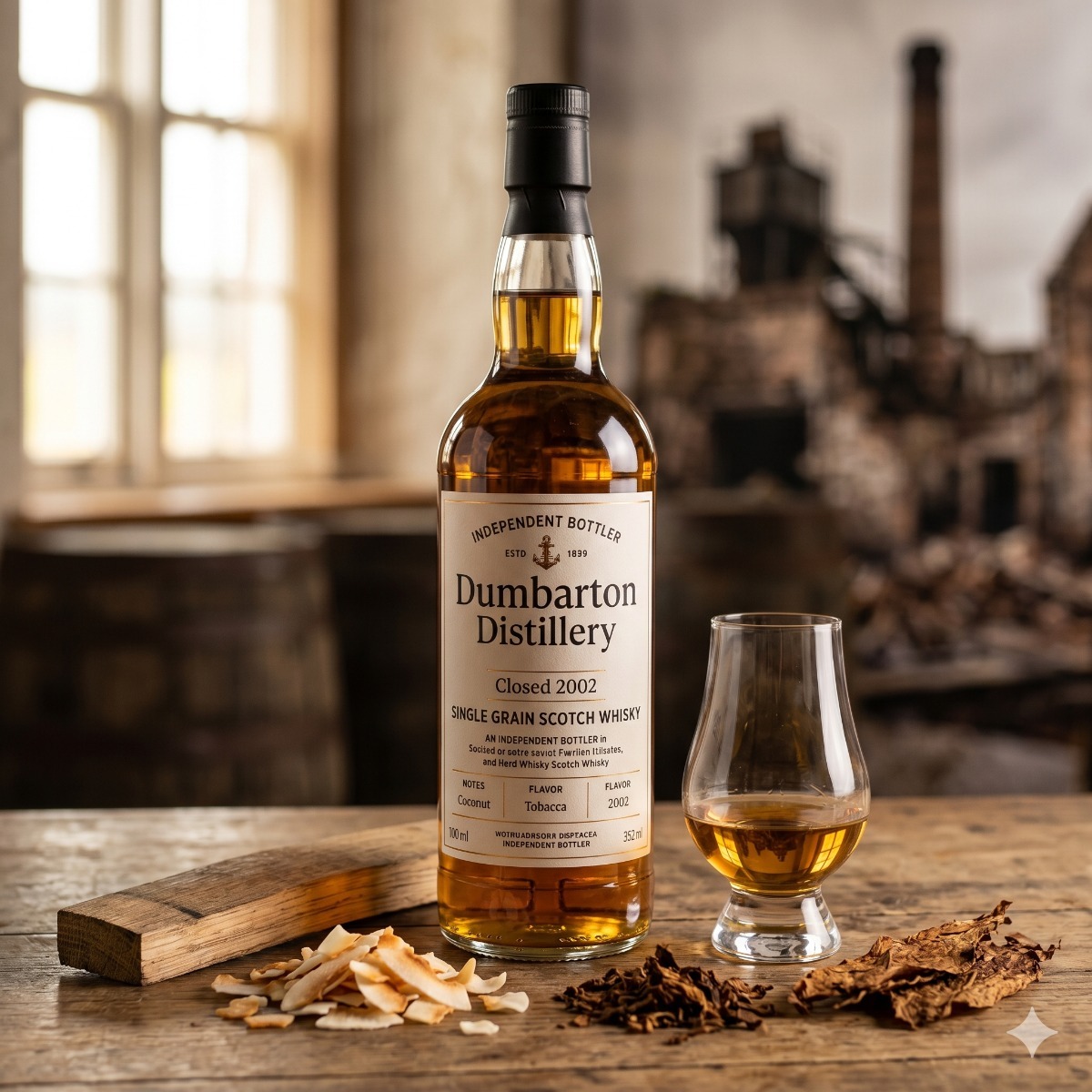
Dumbarton closed in 2002 and remains one of the more interesting ghost grain distilleries on the independent market.
Many releases show:
- Coconut cream
- Polished oak
- Light tobacco
- Honey sweetness
Older Dumbarton releases are becoming harder to source, particularly from respected independent bottlers.
6. Nikka Coffey Grain
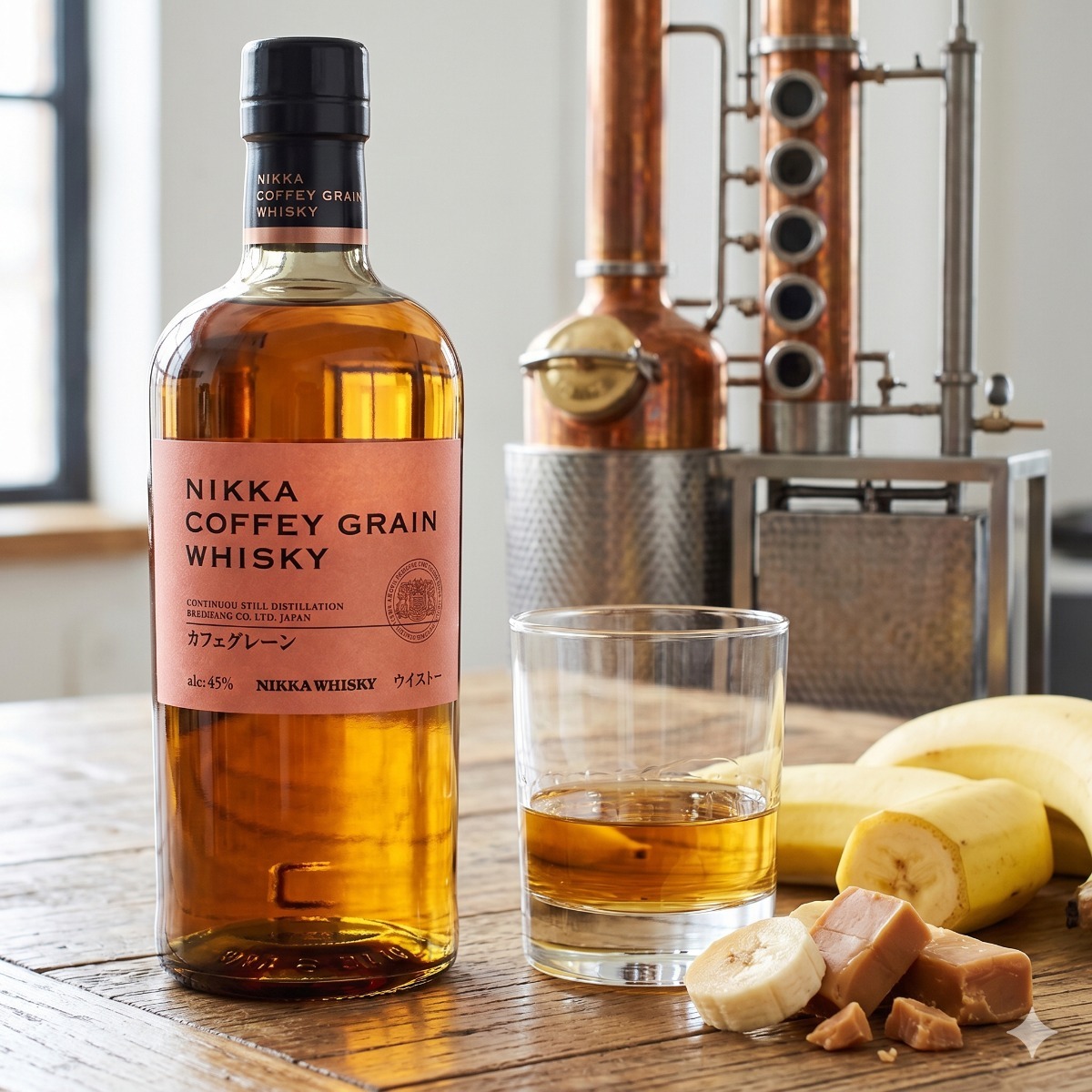
Japanese grain whisky has helped change wider perceptions around the category. Nikka Coffey Grain uses continuous Coffey still distillation and focuses heavily on texture and sweetness.
Profile:
- Banana
- Vanilla fudge
- Sweet cereal
- Toffee
This style works well for drinkers who enjoy bourbon but want something softer and less oak-driven.
7. Haig Club Single Grain Scotch
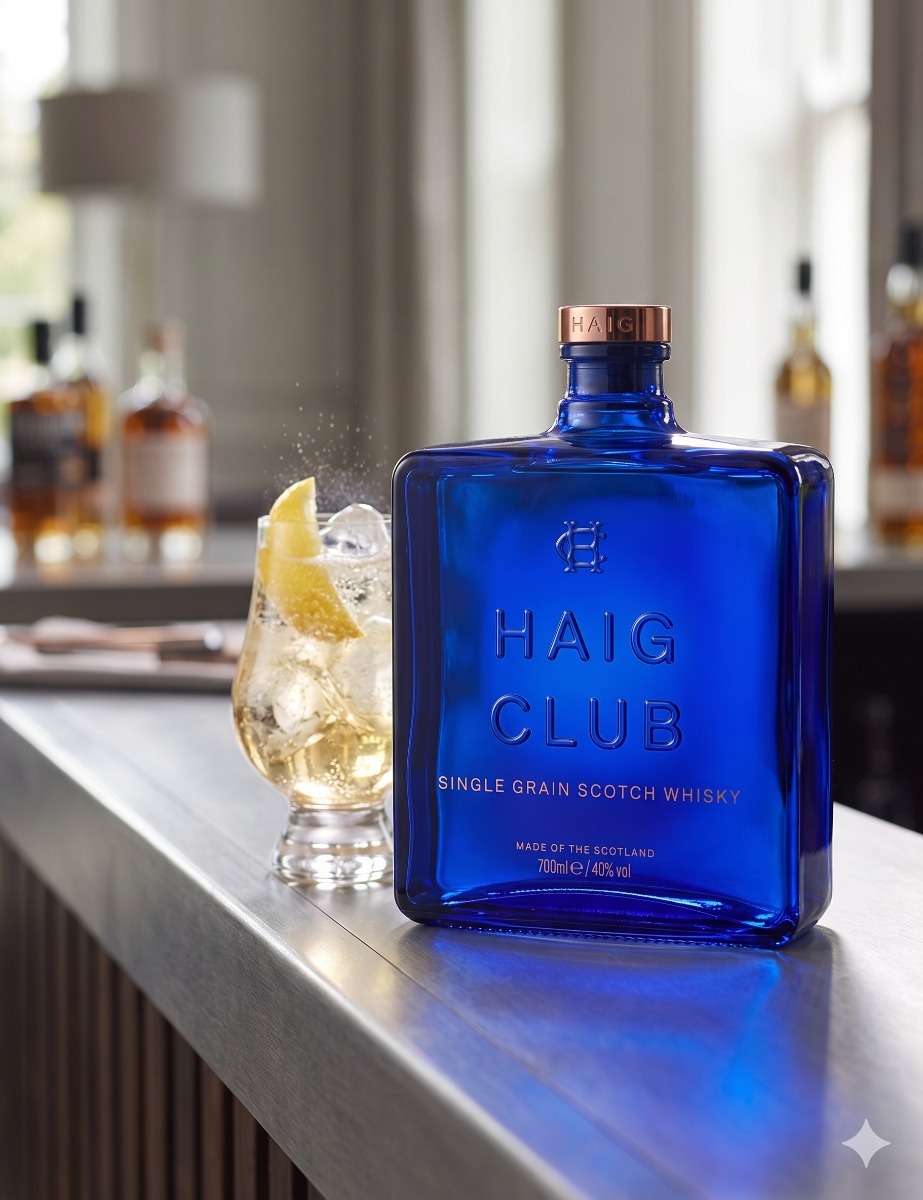
Haig Club introduced many newer drinkers to grain whisky through a more accessible presentation style. While it targets a broader audience than independent bottlings, it remains a useful introduction to the category.
Details:
- Around 40% ABV
- Produced at Cameronbridge
- Soft vanilla and butterscotch profile
It works particularly well in Highballs and lighter whisky cocktails.
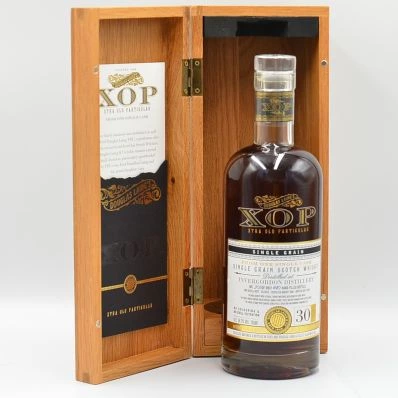
8. Invergordon 30 Year Old
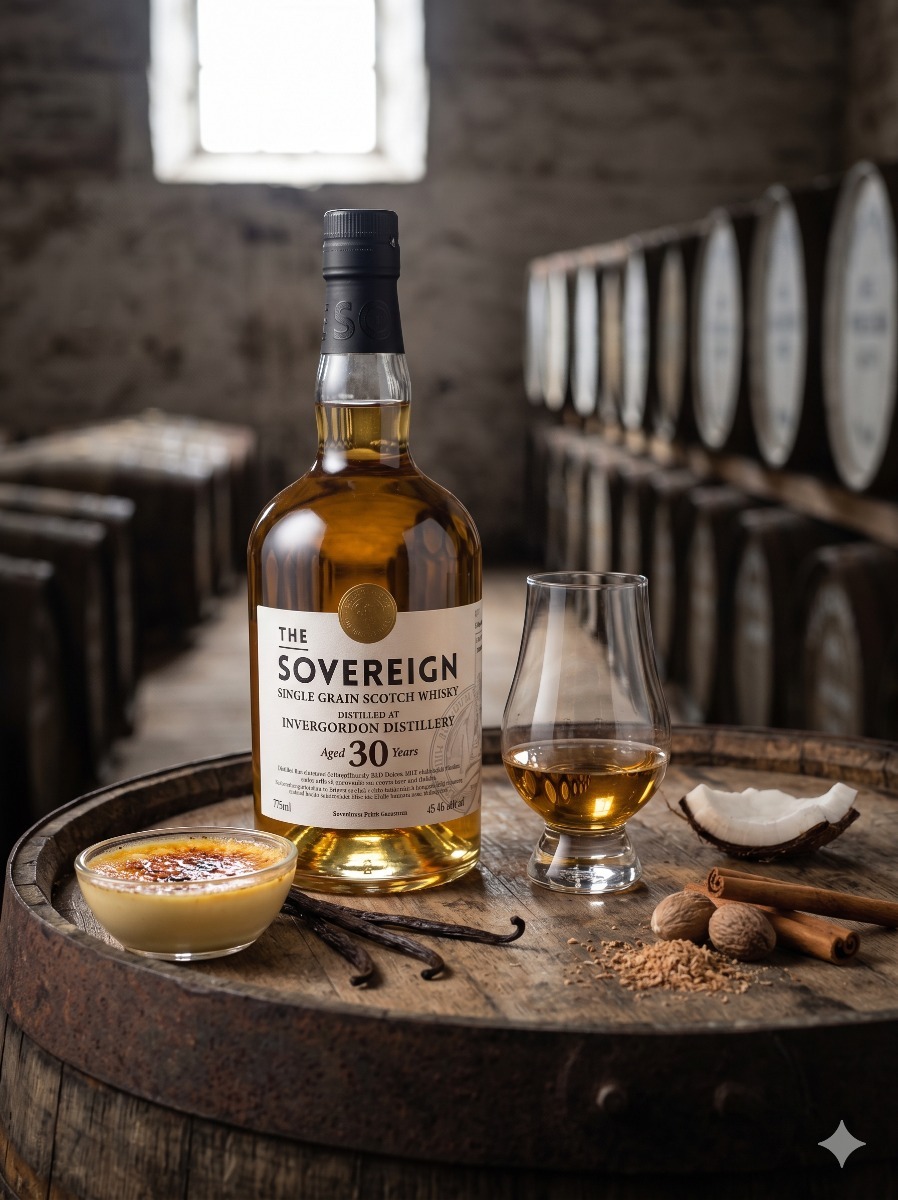
Invergordon is one of Scotland’s best-known grain distilleries for mature single cask releases.
Older expressions often show:
- Rich vanilla
- Coconut oil
- Crème brûlée
- Gentle spice
Many casks mature exceptionally well beyond 25 years without becoming overly tannic.
9. Strathclyde Single Grain Whisky
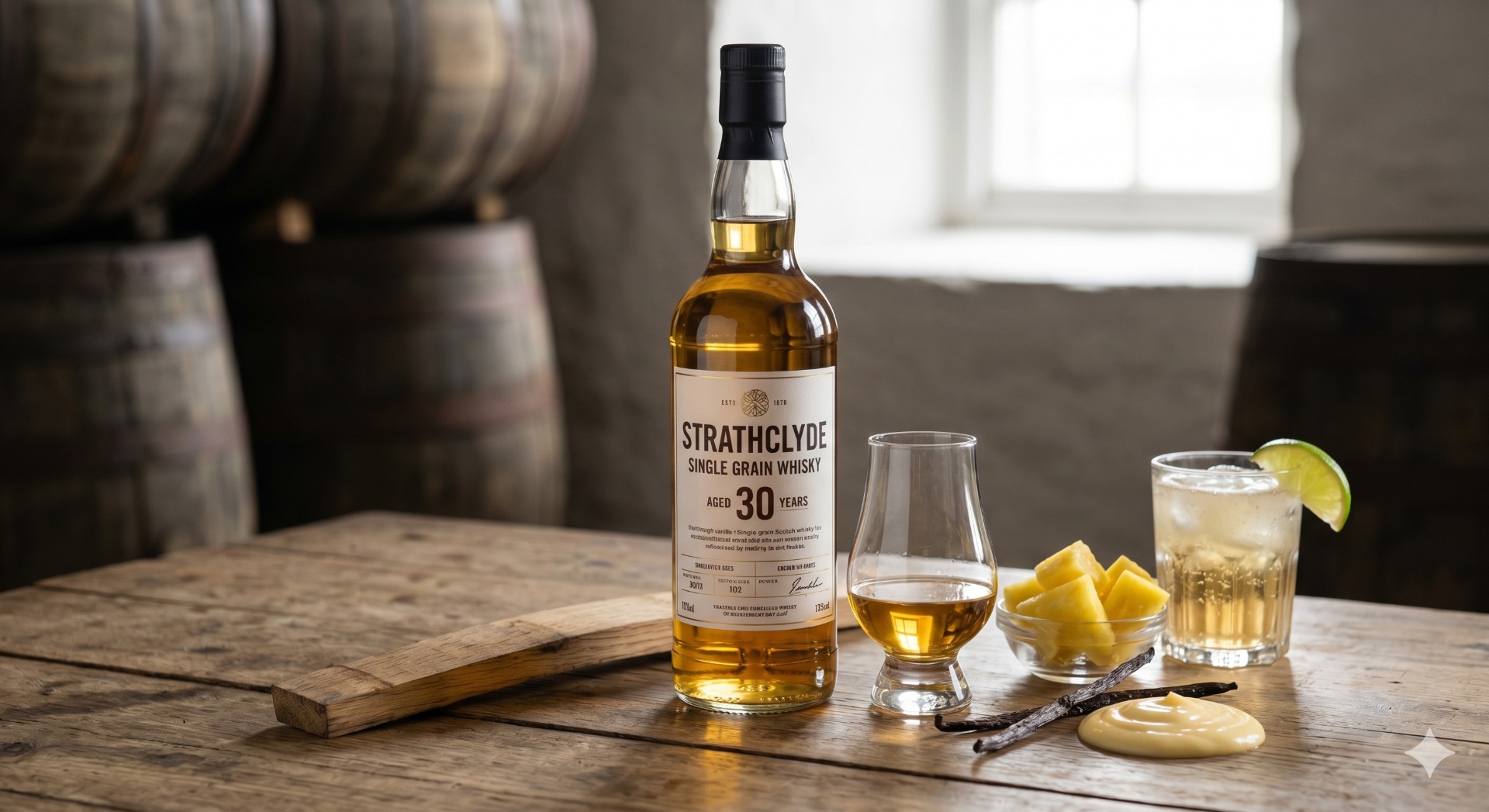
Strathclyde grain whisky tends to develop a slightly fruitier profile with long ageing.
Common notes include:
- Pineapple
- Cream soda
- Vanilla custard
- Soft oak
Independent bottlers regularly release Strathclyde between 20 and 35 years old.
10. Loch Lomond Single Grain
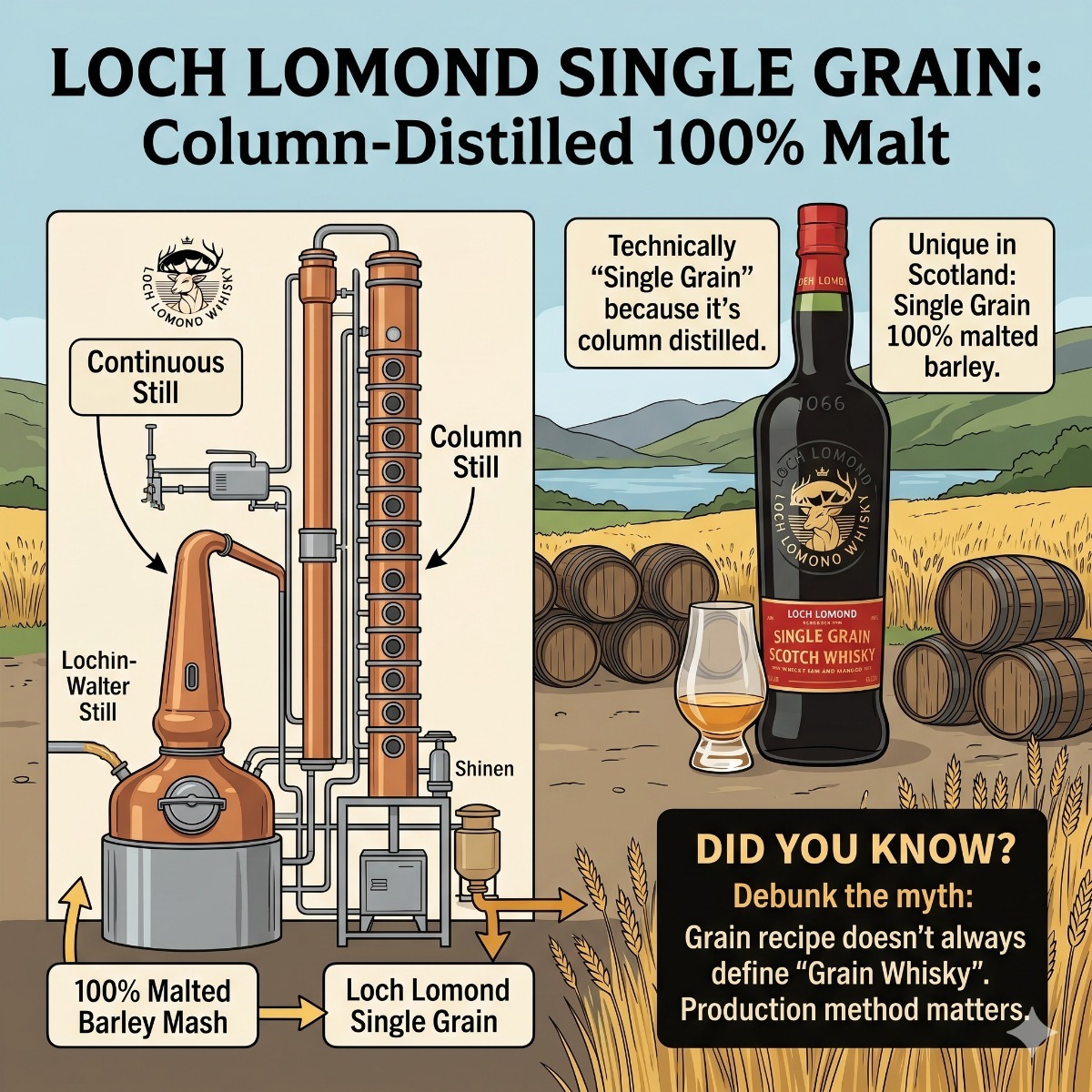
Loch Lomond produces several unusual whisky styles, including single grain expressions distilled from 100% malted barley in continuous stills.
This matters because “single grain” refers to production method rather than simply grain recipe. A whisky can technically contain only malted barley and still be labelled single grain if it is column distilled rather than pot distilled.
This is one of the more misunderstood parts of Scotch whisky regulations.
Difference Between Single Grain and Single Malt Flavour
Single grain whisky usually delivers a lighter and sweeter profile than single malt Scotch. Common grain whisky flavours include vanilla, caramel, coconut, cereal sweetness, and soft oak. Single malt often shows heavier malt richness, spice, fruit concentration, or smoke depending on region and cask type.
Neither style is automatically better. Grain whisky simply prioritises texture, cask influence, and approachability differently from malt whisky.
The Best Blended Scotch Whisky guide also explains how grain whisky contributes balance and structure inside major Scotch blends.
Is Single Grain Whisky Good for Cocktails?
Yes. Grain whisky works particularly well in cocktails because its lighter profile allows other ingredients to remain balanced without overwhelming the drink.
Single grain whisky suits:
- Highballs
- Old Fashioneds
- Whisky Sours
- Simple mixed drinks with soda
Bottlings around 40–46% ABV tend to work best for casual mixing, while older cask-strength grain whiskies are usually better suited to sipping.
Best Well-Aged Grain Whisky for Collectors
Collectors often focus on closed distilleries and older independent bottlings.
The most sought-after examples typically include:
- Cambus
- Dumbarton
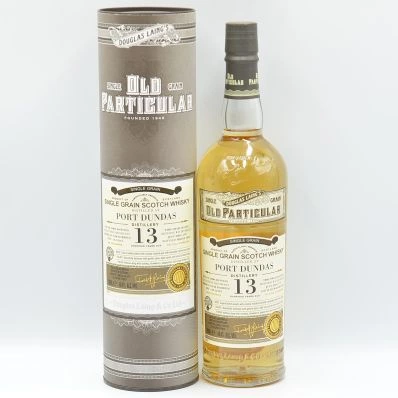
- Port Dundas
- North British
- Strathclyde
Older grain whisky remains relatively undervalued compared with similarly aged single malt Scotch, particularly between 25 and 40 years old.
For official Scotch whisky production standards, the Scotch Whisky Association provides the current legal definitions covering grain and malt whisky production.
When Grain Whisky Makes Sense — And When It Does Not
Grain whisky suits drinkers looking for:
- Mature whisky without aggressive oak
- Softer flavour profiles
- Better age-to-price value
- Easy-drinking Scotch styles
- Cocktail-friendly whisky
It may not suit buyers specifically looking for:
- Heavy peat smoke
- Dense sherry influence
- Powerful distillery character
- Complex savoury profiles
FAQ
What is grain whisky?
Grain whisky refers to whisky distilled using grains other than exclusively malted barley. Most Scotch grain whisky uses wheat or maize alongside malted barley and is distilled in continuous column stills rather than traditional pot stills.
Can single grain whisky be made from 100% malted barley?
Yes. If the whisky is distilled in a column still rather than a pot still, it can still legally be labelled single grain whisky even when made entirely from malted barley.
Why is grain whisky considered cheaper?
Grain whisky is usually cheaper because continuous distillation is more efficient and produces larger volumes. Historically, grain whisky was also viewed mainly as blending stock rather than premium standalone whisky.
Is grain whisky good for beginners?
Yes. Grain whisky is often lighter, sweeter, and easier to approach than heavily peated or heavily sherried single malts. Mature grain whisky can also offer strong value compared with older single malt Scotch.
-
-
-
-
-

-
-
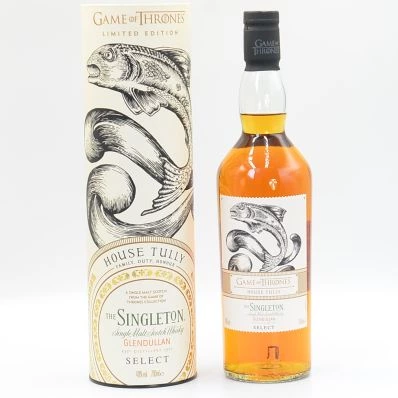 Game of Thrones Whisky Singleton Glendullan House TullySpecial Price £73.98 Regular Price £84.99 Inc VATSaving £11.01

Closing Thoughts
The best grain whisky bottles tend to offer something slightly different from traditional single malt Scotch. Mature grain whisky focuses more on cask character, texture, and approachable sweetness rather than distillery-heavy intensity.
For buyers exploring older Scotch without immediately moving into expensive collectible single malts, the single grain whisky selection remains one of the more interesting areas of the category.

Related Products
-
 Invergordon 30 Year Old Highland Whisky 1988 Hand Filled Douglas Laing XOP£244.99 Inc VATOut of stock
 -

Comments