
 Chat with us on WhatsApp


Best Blended Scotch Whisky
Blended Scotch whisky remains one of the most widely consumed styles of Scotch, yet it is often misunderstood compared with single malt releases. A blended Scotch combines single malt whiskies from multiple distilleries with grain whisky, creating a style focused on balance, consistency, and accessibility. The category covers everything from entry-level everyday bottles to long-aged premium blends built from mature stocks and closed-distillery components.
For buyers, blended Scotch often makes sense when consistency, versatility, and value matter more than distillery purity. Some blends are designed for highballs and cocktails, while others are structured for neat drinking with layered cask influence and older malt content. If you are exploring smoky styles specifically, the wider guide to peated whisky covers that category in more detail.

What Is Blended Scotch Whisky?
Blended Scotch whisky combines malt whisky from multiple distilleries with grain whisky distilled from cereals such as wheat or maize. Unlike single malt Scotch, which comes from one distillery using malted barley only, blends are designed around consistency and balance across batches.
The grain whisky component typically provides a lighter, smoother base, while the malt whiskies contribute flavour, structure, and regional character. Depending on the blend, that can mean sherry influence from Speyside malts, light smoke from Islay whisky, or richer spice from Highland components.
According to the Scotch Whisky Association, all Scotch whisky must mature in oak casks in Scotland for at least three years before bottling.
How Blended Scotch Whisky Is Made
1. Selection of Base Whiskies
Master blenders select grain whisky alongside malt whiskies from different distilleries. Each component contributes a specific role, such as smoke, sweetness, fruit, spice, or texture.
2. Precise Blending
The whiskies are combined in carefully controlled proportions. Some blends contain a relatively small percentage of malt whisky, while premium blends often include a higher malt ratio.
3. Marrying Period
After blending, the whisky may rest in cask or tank to allow the flavours to integrate. This stage helps soften sharp edges and improve balance.
4. Filtration and Bottling
The whisky is reduced to bottling strength, commonly 40% ABV or 43% ABV, then filtered and bottled for release.
One thing we see regularly is that our customers assume all blended Scotch uses younger whisky throughout. In practice, some premium blends contain mature stock that would be difficult to source consistently as single malts.
Single Malt vs Blended Scotch Whisky
Single malt Scotch whisky comes from one distillery and uses only malted barley. Blended Scotch whisky combines multiple malt whiskies with grain whisky from different distilleries. That difference changes both flavour structure and consistency.
| Feature | Single Malt Scotch | Blended Scotch Whisky |
|---|---|---|
| Source | One distillery | Multiple distilleries |
| Ingredients | Malted barley only | Malt whisky + grain whisky |
| Typical Style | Distillery-led character | Balance and consistency |
| Price Range | Often higher | Wider range from budget to premium |
| Common Use | Neat drinking | Neat, highballs, cocktails |
This article focuses specifically on blends rather than broader comparisons. For a more detailed beginner-focused breakdown, see best Scotch whisky for beginners.
Best Blended Scotch Whisky Styles to Consider
Everyday Blended Scotch Under £40

These whiskies are usually designed around balance, approachability, and versatility.
Common characteristics include:
- 40% ABV bottling strength
- Bourbon and refill cask maturation
- Light honey, cereal, vanilla, and orchard fruit notes
- Smooth texture suited to highballs
Examples commonly found in this category include:
- Ballantine’s Finest
- Bell’s Original
- Johnnie Walker Black Label
- Famous Grouse Smoky Black
For buyers building a home bar, this category usually offers the strongest value-to-price ratio.
Premium Blended Scotch Whisky

Premium blends often include older malt components, more active cask influence, and higher malt content overall.
Typical features include:
- 43%–46% ABV
- Older age statements such as 18 or 21 years
- Sherry cask influence
- Greater texture and layered flavour development
Some premium blends also include whisky from closed distilleries or hard-to-source stocks, which can increase collector interest.
If older whisky styles are your focus, the guide to 18 year old whisky explores mature expressions in more depth.
Smoky Blended Scotch Whisky

Some blends use Islay malt whisky to introduce smoke without reaching the intensity of heavily peated single malts.
These blends often work well for buyers who:
- Want moderate peat influence
- Prefer smoother texture than many Islay single malts
- Intend to use whisky in cocktails or highballs
This is where blends such as smoky Black Label-style expressions or peated blends from independent bottlers often sit.
Does Age Matter in Blended Scotch Whisky?
Age statements on blended Scotch refer to the youngest whisky in the bottle, not the average age. A 12 year old blend may contain significantly older whisky alongside the minimum stated age.
Older age statements can indicate more mature cask influence and softer integration, but age alone does not guarantee better quality. Cask type, malt selection, blending style, and bottling strength all influence the final whisky.
Blended Scotch without an age statement can still perform well if the blend composition is strong and the cask management is handled carefully.
The Role of Cask Type in Blended Scotch
Cask influence shapes much of the flavour profile in blended Scotch whisky.
Common cask types include:
- Ex-bourbon casks — vanilla, caramel, light oak
- Sherry casks — dried fruit, spice, darker sweetness
- Refill casks — lighter wood influence and spirit clarity
- Wine or secondary finishes — added fruit or spice layers
Premium blends increasingly use finishing casks to differentiate releases. Tequila cask finishes, wine cask maturation, and heavily charred oak all appear more frequently in modern blended Scotch.
Best Blended Scotch Whisky for Cocktails
Blended Scotch works particularly well in cocktails because the flavour profile is built around consistency.
Highball
A lighter blend with citrus and vanilla notes generally works best. Grain-forward blends tend to integrate cleanly with soda water.
Old Fashioned
A richer blend with sherry influence or subtle smoke gives more structure in spirit-forward cocktails.
Penicillin
Smoky blended Scotch can provide enough peat character without overwhelming the ginger and citrus balance.
Buyers specifically looking for heavily smoky styles should explore Islay whisky separately, as that category focuses more directly on peat-forward flavour profiles.
When Blended Scotch Whisky Makes Sense
Blended Scotch usually makes sense when:
- You want consistent flavour between bottles
- You are building a whisky collection across multiple styles
- You want flexibility for cocktails and highballs
- You prefer softer texture over distillery-led intensity
- You are exploring Scotch without committing to highly specific regional styles
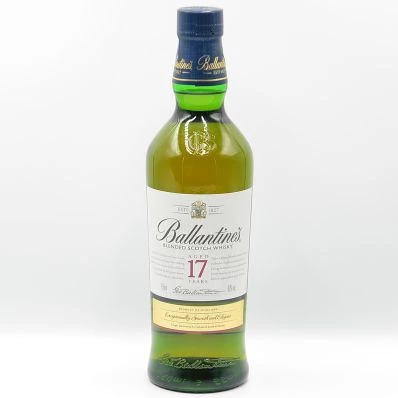
Great examples of Blended Scotch Whisky include; Ballantines, Haig and Johnnie Walker.
When to Avoid Blended Scotch
Blended Scotch may not suit buyers who:
- Want a single distillery character
- Prefer heavily regional flavour identity
- Focus mainly on cask-strength releases
- Want highly individual batch variation
In those cases, single malt Scotch or independent bottlings may provide a better fit.
Buyers exploring regional malt styles can also compare Highland whisky and other distillery-led categories separately.
FAQ
What is blended Scotch whisky?
Blended Scotch whisky combines single malt whisky from multiple distilleries with grain whisky. The style is designed around balance, consistency, and accessibility rather than showcasing one individual distillery character.
Is blended Scotch whisky lower quality than single malt?
Blended Scotch is not automatically lower quality than single malt whisky. Entry-level blends are often designed for accessibility and consistency, but premium blends can contain mature stock, older whiskies, and carefully selected malt components that rival many single malts in complexity.
Why do blended whiskies have age statements?
The age statement refers to the youngest whisky used in the blend. A 12 year old blend cannot contain whisky younger than 12 years, although older components may also be included.
Does whisky continue ageing in the bottle?
No. Whisky stops maturing once bottled. Unlike wine, it does not continue ageing in glass after leaving the cask.
Are blended Scotch whiskies good for cocktails?
Yes. Blended Scotch is widely used in cocktails because its flavour profile is designed for consistency and balance. Many blends work particularly well in highballs and Old Fashioned-style drinks.
Closing Thoughts
Blended Scotch whisky covers a much wider range than many buyers initially expect. The category includes affordable everyday bottles, smoky cocktail-friendly blends, and mature premium releases built from older whisky stocks. Understanding how malt content, cask influence, and blending style interact makes it easier to identify which blends suit your preferences.
For further exploration, browse the wider Scotch whisky category or explore dedicated blended Scotch whisky releases alongside the broader guide to peated whisky styles.


Comments