
 Chat with us on WhatsApp


Best Bourbon £100 to £250
Bourbon between £100 and £250 sits in a very different buying zone from everyday bottles. At this level, you are usually paying for stronger proof, older stock, single barrel selection, limited release status, premium presentation, or UK scarcity. The best premium bourbon is not always the rarest bottle or the one with the loudest reputation. It is the bottle where quality, availability, flavour depth, and UK price still make sense.
This guide focuses on how to judge premium bourbon in the UK market, where American MSRP rarely tells the full story. For current bottles in this price range, start with our Best Bourbon £100 to £250 selection, then use the checks below to decide which style suits you.
What Makes A Bourbon Worth £100 To £250?
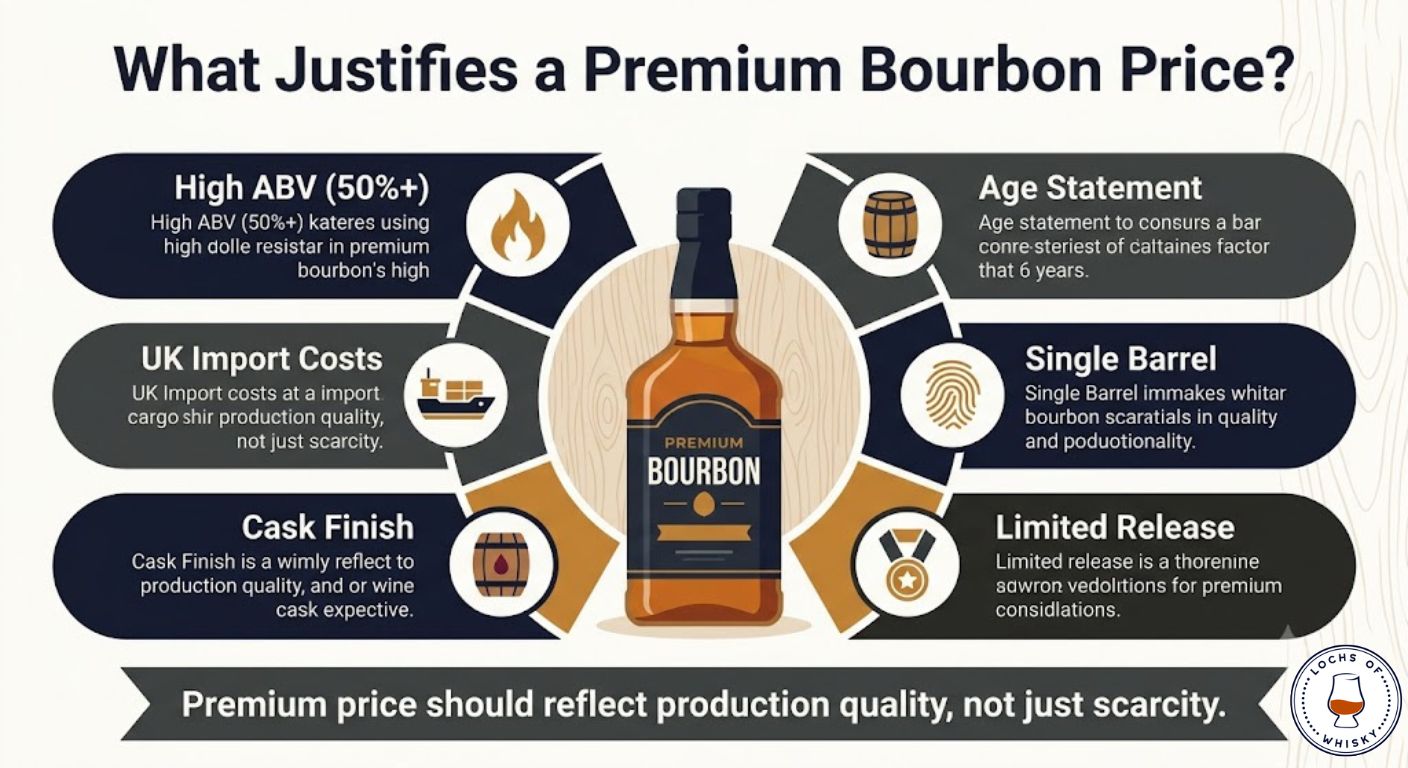
A bourbon in this range should offer something clearly beyond standard shelf bourbon. That might be higher ABV, a meaningful age statement, single barrel character, cask finishing, or a limited annual release. The key is to separate real production value from collector noise.
Useful signals include:
- ABV: Bottles above 50% ABV often carry more weight, texture, and concentration.
- Age: Older bourbon can bring deeper oak, leather, tobacco, and dried fruit, but too much oak can become drying.
- Barrel selection: Single barrel releases can feel more individual, but they also vary more.
- Release type: Annual, limited, or allocated bottles often cost more because supply is controlled.
- Cask finish: Port, sherry, rum, or secondary oak finishing can add complexity when handled carefully.
If you want the wider brand context before choosing a premium bottle, our Best Bourbon Brands guide explains how major producers, craft distillers, and premium releases fit together.
Top Premium Bourbon Styles To Consider
High-Proof Bourbon
High-proof bourbon suits drinkers who want density, spice, and cask-driven intensity. These bottles often sit around 50–65% ABV, sometimes labelled as barrel proof, batch proof, cask strength, or uncut. They can be excellent value in the £100 to £250 range because the flavour concentration is usually obvious.
This style works best for experienced bourbon drinkers or Scotch drinkers used to cask-strength releases. Add water slowly rather than treating the stated ABV as a challenge. We find our customers often underestimate how differently a 60% bourbon drinks compared with a 45% bottle, even when the flavour profile sounds similar on paper.
Single Barrel Bourbon
Single barrel bourbon comes from one individual barrel rather than a batch of many barrels. That gives it a more specific identity. One barrel may lean into cherry and vanilla; another from the same producer may show darker oak, spice, mint, or tobacco.
This is a good route if you want a bottle that feels less standardised. It is less ideal if you want perfect consistency. The label may name the barrel number, warehouse, floor, dump date, or proof, depending on the producer.
Small Batch Bourbon
Small batch bourbon is made by combining a selected group of barrels. The term sounds precise, but it has no fixed legal definition in the same way Bottled-in-Bond does. One producer’s “small batch” may mean a handful of barrels; another may use a much broader batch.
That does not make small batch bourbon weak. It simply means the producer’s reputation matters more than the wording alone. In this price range, a good small batch bottle should show balance, structure, and clear barrel quality.
Finished Bourbon
Finished bourbon spends additional time in a secondary cask after its main maturation in new charred oak. Common finishes include port, sherry, wine, rum, and toasted oak. These bottles can appeal to Scotch drinkers because the cask influence may feel more familiar.
The risk is sweetness without structure. A good finished bourbon should still taste like bourbon first: corn sweetness, charred oak, vanilla, spice, and body. The finish should add depth, not cover a thin base spirit.
High-Rye Vs Wheated Bourbon
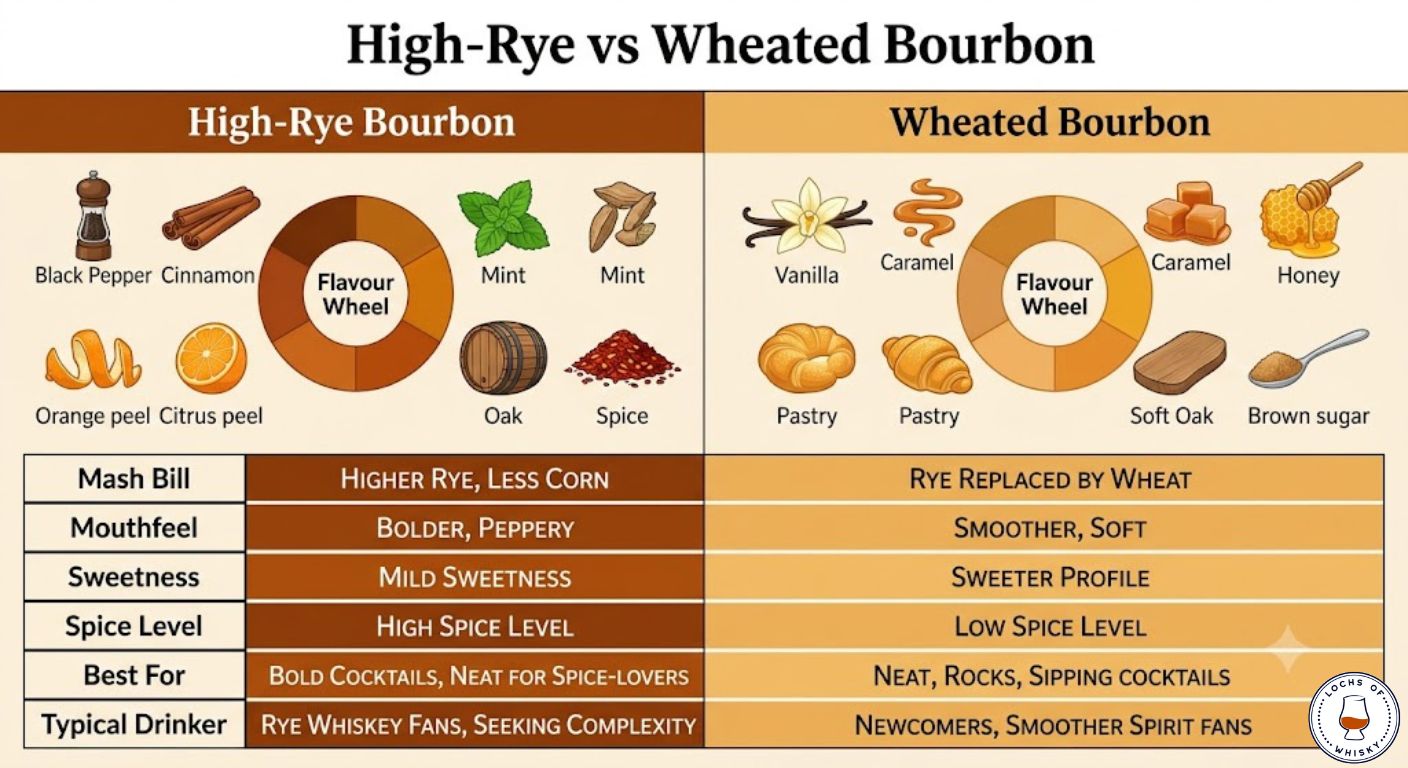
High-rye bourbon usually tastes spicier, drier, and more structured. Expect pepper, baking spice, mint, citrus peel, and firmer oak. Wheated bourbon replaces rye with wheat as the secondary grain, often giving a softer profile with vanilla, caramel, honey, pastry, and rounded sweetness.
Neither style is automatically better. High-rye bourbon suits drinkers who like grip and spice. Wheated bourbon suits those who prefer softer texture and a sweeter finish. At £100 to £250, mash bill matters because the price should buy character, not just packaging.
Why Premium Bourbon Costs More In The UK
UK bourbon pricing is shaped by more than the bottle’s American shelf price. Import costs, shipping, distributor margin, duty, and VAT all affect the final retail price. US MSRP can also be misleading because many allocated bottles sell above MSRP in practice, especially when demand is high.
For official alcohol import rules and duty context, HMRC’s guidance on importing alcoholic products into the UK is the most relevant authority source. For buyers, the practical point is simple: judge a bottle by UK landed value, not by American list prices copied from US articles.
How To Calculate Bourbon Landed Cost
- Start with the export price: If buying from abroad, check whether local sales tax has been removed.
- Add shipping and insurance: Premium bottles should be packed and insured properly, which increases cost.
- Add UK duty, VAT, and handling fees: These can quickly erase what looked like a saving.
This is why a £160 bottle from a UK specialist retailer can be more sensible than chasing a lower US shelf price that becomes expensive once landed.
When A £100 To £250 Bourbon Makes Sense
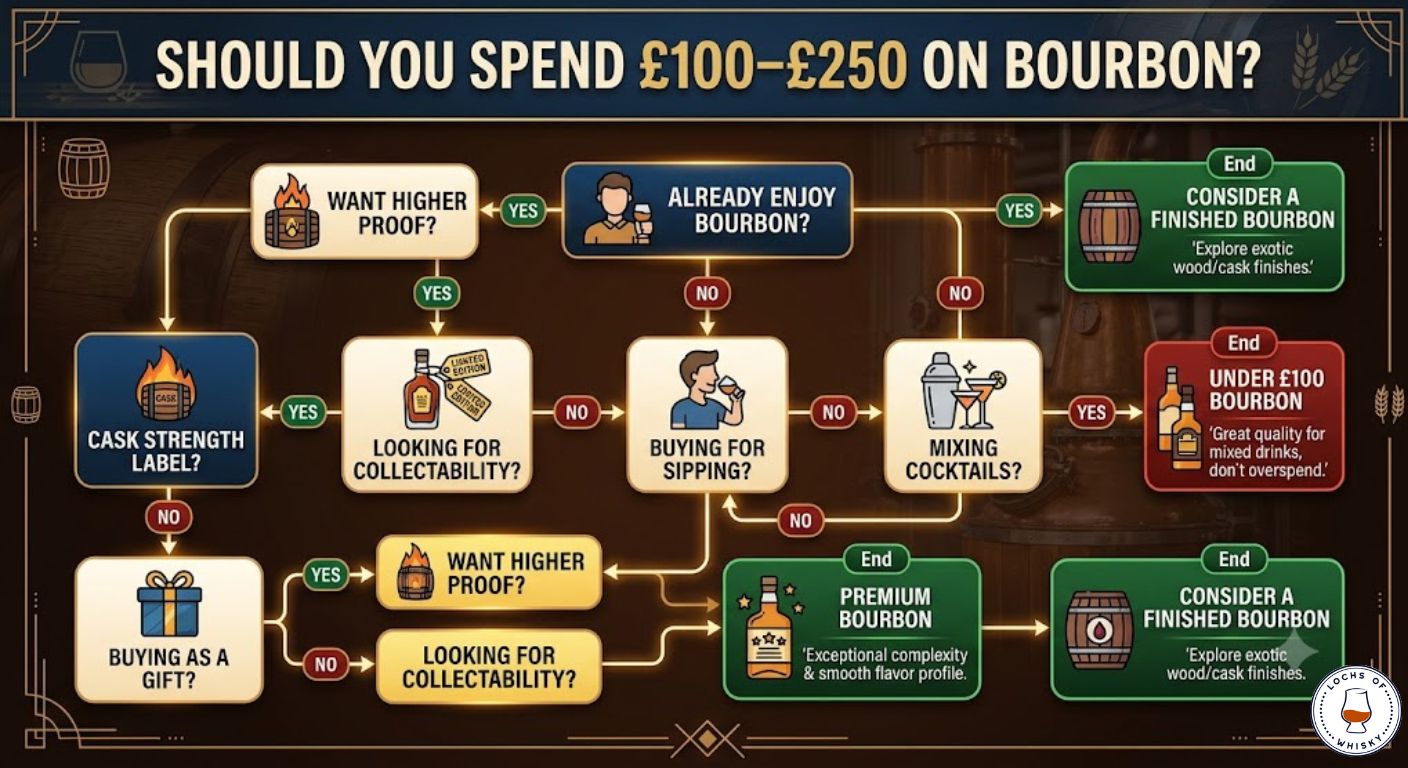
This price bracket makes sense when you are buying for slow sipping, a serious gift, a collection with drinking intent, or a step up from standard bourbon. It is especially useful if you already know whether you prefer high-proof, wheated, high-rye, single barrel, or finished styles.
It makes less sense if you are mainly mixing cocktails, buying your first bourbon, or choosing purely because a bottle is allocated. Scarcity can be real, but scarcity alone does not make a bottle good value.
Best Premium Bourbon To Gift Over £100
For gifting, prioritise recognisable quality, good presentation, and a style that is not too extreme. Avoid very high-proof bottles unless the recipient already enjoys cask-strength whiskey. A well-presented single barrel, mature age-stated bourbon, or balanced limited batch is usually safer than an aggressive barrel-proof release.
If the recipient is a Scotch drinker, a finished bourbon or softer wheated profile may be the better bridge. If they already collect American whiskey, a higher-proof or allocated release will usually feel more meaningful.
FAQ
Is bourbon over £100 actually better?
Not always. Above £100, you should expect a clear reason for the price: higher proof, older stock, limited release status, single barrel selection, or better cask management. Some bottles justify the jump. Others are priced mainly by scarcity, packaging, or secondary-market attention.
What does Bottled-in-Bond mean for bourbon?
Bottled-in-Bond bourbon must come from one distillery, one distilling season, be aged for at least four years in a federally bonded warehouse, and be bottled at exactly 100 proof, or 50% ABV. It is a useful quality signal because the term is legally defined.
Is single barrel better than small batch bourbon?
Single barrel is not automatically better, but it is more individual. It comes from one barrel, so variation is part of the appeal. Small batch bourbon blends selected barrels for balance and consistency. Single barrel suits curiosity; small batch suits reliability.
Should I buy allocated bourbon at inflated prices?
Only if the bottle’s drinking value and collectability both matter to you. Allocated bourbon can be excellent, but inflated pricing often reflects scarcity more than liquid quality. In the £100 to £250 range, compare it against available high-proof, single barrel, and age-stated alternatives before paying a hype premium.
What ABV is best for premium bourbon?
For serious sipping, 46–55% ABV is often the most accessible premium range. Barrel-proof bottles above 55% can deliver more intensity, but they need patience and usually benefit from water. Avoid assuming higher ABV is always better; balance matters more than strength alone.
‹
Best Sellers
-
-
-
-
-
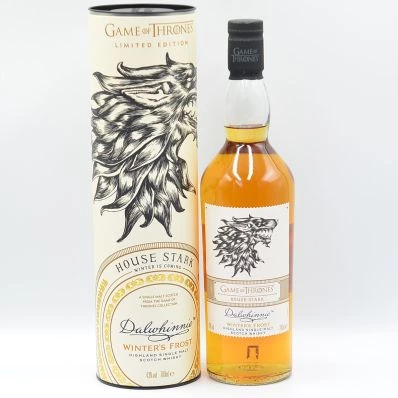 Game Of Thrones Whisky Dalwhinnie Winter's Frost House Stark
Special Price
£104.98
Regular Price
£134.99
Inc VAT
Saving £30.01
Out of stock
Game Of Thrones Whisky Dalwhinnie Winter's Frost House Stark
Special Price
£104.98
Regular Price
£134.99
Inc VAT
Saving £30.01
Out of stock
-
-
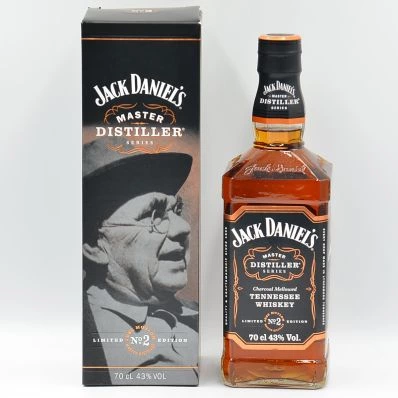 Jack Daniel's - Master Distiller Batch 2 Jess Motlow Limited Edition Bourbon Whiskey
£164.99
Inc VAT
Out of stock
Jack Daniel's - Master Distiller Batch 2 Jess Motlow Limited Edition Bourbon Whiskey
£164.99
Inc VAT
Out of stock
-
-
-
-
-
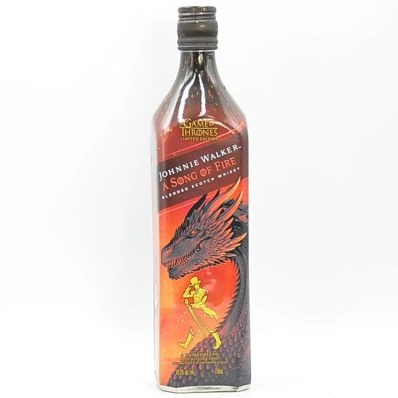 Game of Thrones Whisky Johnnie Walker A Song Of Fire
Special Price
£139.98
Regular Price
£144.99
Inc VAT
Saving £5.01
Game of Thrones Whisky Johnnie Walker A Song Of Fire
Special Price
£139.98
Regular Price
£144.99
Inc VAT
Saving £5.01
›
-
-
-
-
-
Game Of Thrones Whisky Dalwhinnie Winter's Frost House StarkSpecial Price £104.98 Regular Price £134.99 Inc VATSaving £30.01Out of stock
-
-
Jack Daniel's - Master Distiller Batch 2 Jess Motlow Limited Edition Bourbon Whiskey£164.99 Inc VATOut of stock
-
-
-
-
Game of Thrones Whisky Johnnie Walker A Song Of FireSpecial Price £139.98 Regular Price £144.99 Inc VATSaving £5.01
Final Thoughts
The best bourbon between £100 and £250 should give you a clear reason to spend more: stronger flavour, better maturity, distinctive barrel selection, or a release with genuine interest. Do not buy on allocation status alone. In the UK, value comes from judging the bottle in its local market context, not chasing American MSRP.
For bottles currently sitting in this premium bracket, use the premium bourbon £100 to £250 range as the natural next step after narrowing down the style that suits you.

Comments