
 Chat with us on WhatsApp


Whisky vs Whiskey: What’s The Difference?
Uisce beatha is a Gaelic phrase meaning “water of life”, which serves as the ancient etymological root for the modern word whiskey. The spelling difference between whisky and whiskey is mostly about country, tradition, and labelling convention rather than quality.
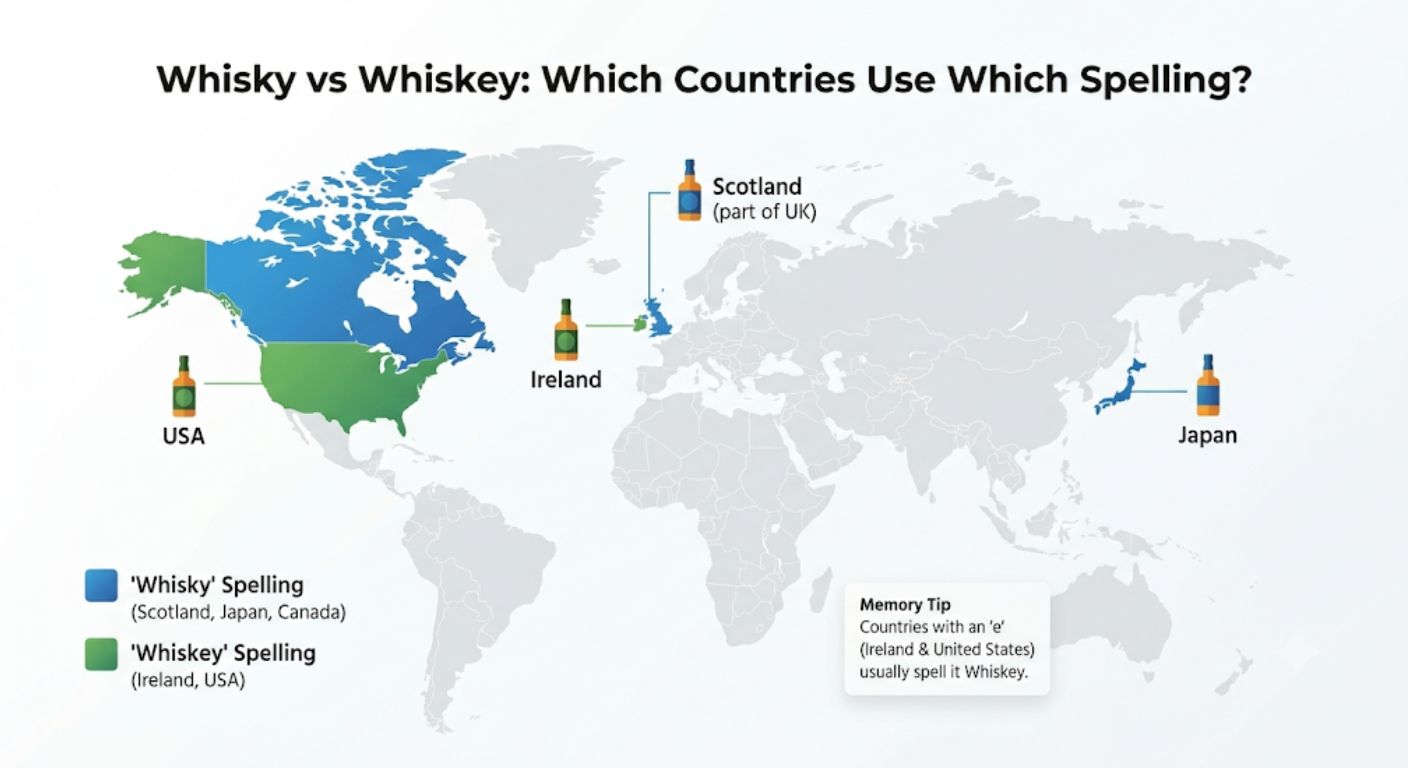
In simple terms, Scotland, Japan and Canada usually spell it whisky, while Ireland and the United States usually spell it whiskey. For Scotch, the no-e spelling is standard, which is why bottles listed under Scotch whisky should normally use “whisky”. American and Irish bottles usually keep the “e”.
Whisky Or Whiskey: The Basic Rule
The easiest rule is geographical. Countries with an “e” in the name, such as Ireland and the United States, usually use whiskey. Countries without an “e”, such as Scotland, Canada and Japan, usually use whisky. It is not perfect, but it works well as a quick guide.
| Spelling | Common Countries | Typical Examples |
|---|---|---|
| Whisky | Scotland, Japan, Canada | Scotch single malt, Japanese whisky, Canadian whisky |
| Whiskey | Ireland, United States | Irish whiskey, bourbon, rye whiskey, Tennessee whiskey |
This rule also helps when browsing by region or style. The broader regional structure behind Scotch is covered in our guide to the five Scotch whisky regions, where spelling sits alongside geography, production and flavour context.
Where The Word Comes From
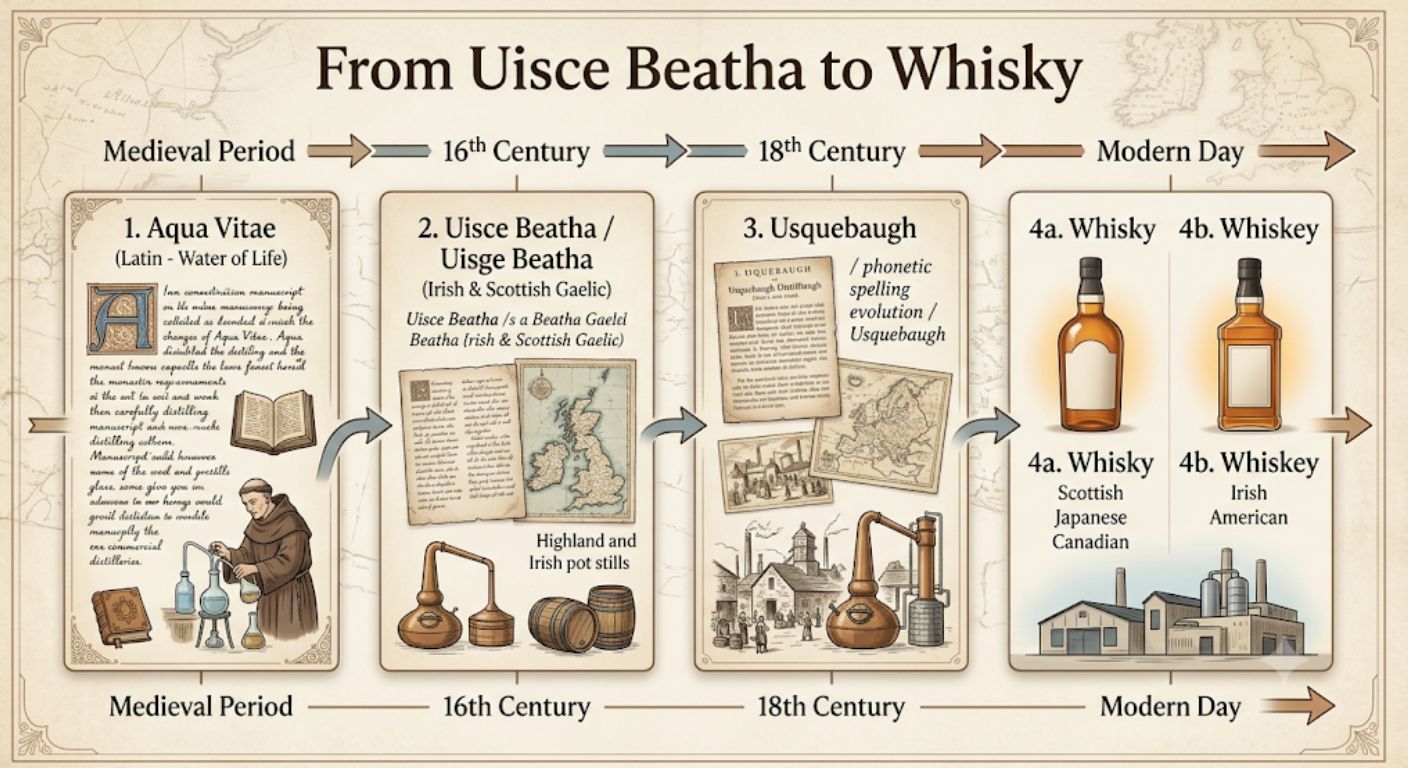
The word whisky comes from Gaelic language roots. Irish uisce beatha and Scottish Gaelic uisge beatha both translate as “water of life”, reflecting the older Latin phrase aqua vitae. Over time, those Gaelic forms were shortened and anglicised into whisky or whiskey.
The spelling was not always standardised. Older texts used several forms, including “usquebaugh”. The modern difference became more meaningful as Irish, Scottish and later American producers developed distinct markets, reputations and export identities.
Why Ireland And America Usually Use “Whiskey”
Irish producers helped popularise the “e” spelling in the 19th century. At the time, Irish distillers often wanted to distinguish their pot still whiskey from Scottish blends, especially as column still production expanded. The spelling became part of product identity.
American producers largely followed the Irish spelling tradition, partly because of Irish immigrant influence and partly because American whiskey developed its own legal and production identity. Today, bourbon, rye and Tennessee whiskey usually carry the “e”, which is why American whiskey is normally written that way.
Does The Spelling Change The Flavour?
No. The spelling itself does not change flavour. Flavour comes from grain, fermentation, distillation, cask type, maturation, ABV and production choices. Scotch whisky, Irish whiskey and American whiskey often taste different, but that is because they are made under different traditions and rules, not because of the letter “e”.
Scotch whisky is commonly made from malted barley or grain, matured in oak casks for at least three years, and bottled at a minimum 40% ABV. The Scotch Whisky Association explains that Scotch must be matured in oak casks for a minimum of three years.
Irish whiskey may include malted and unmalted barley, especially in single pot still whiskey. American bourbon must use a mash bill of at least 51% corn and is matured in new charred oak. These production details matter far more than spelling.
Scotch Whisky, Irish Whiskey And American Whiskey Compared
| Style | Spelling | Common Production Markers | Typical Character |
|---|---|---|---|
| Scotch | Whisky | Malted barley or grain, oak cask maturation, minimum 3 years | Ranges from light and grassy to smoky, coastal, sherried or waxy |
| Irish | Whiskey | Often triple distilled, may use malted and unmalted barley | Often lighter, rounded and approachable, though not always mild |
| American | Whiskey | Bourbon uses at least 51% corn; rye uses rye-led mash bills | Often sweeter, oakier, spicier or more vanilla-led |
One thing we see with our customers is that spelling confusion often disappears once they start reading the label properly: country, cask type, ABV and age statement usually tell you far more than the word whisky or whiskey alone.
Is Irish Whiskey Always Triple Distilled?
No. Triple distillation is strongly associated with Irish whiskey and often creates a lighter, smoother spirit, but it is not universal. Some Irish producers use double distillation, and production style varies by distillery, still type and recipe.
By comparison, Scotch malt whisky is commonly double distilled in copper pot stills, although there are exceptions. Distillation count affects texture and spirit weight, but it should not be treated as a simple quality ranking.
Why Is Maker’s Mark Spelled “Whisky”?
Maker’s Mark uses the Scottish spelling “whisky” to honour the Scottish heritage of the founding Samuels family. Most American brands use “whiskey”, but Maker’s Mark is a well-known exception where family identity shaped the label spelling.
This is why the spelling rule should be treated as guidance, not law. Always follow the producer’s label when writing about a specific bottle.
How The Spelling Helps When Buying
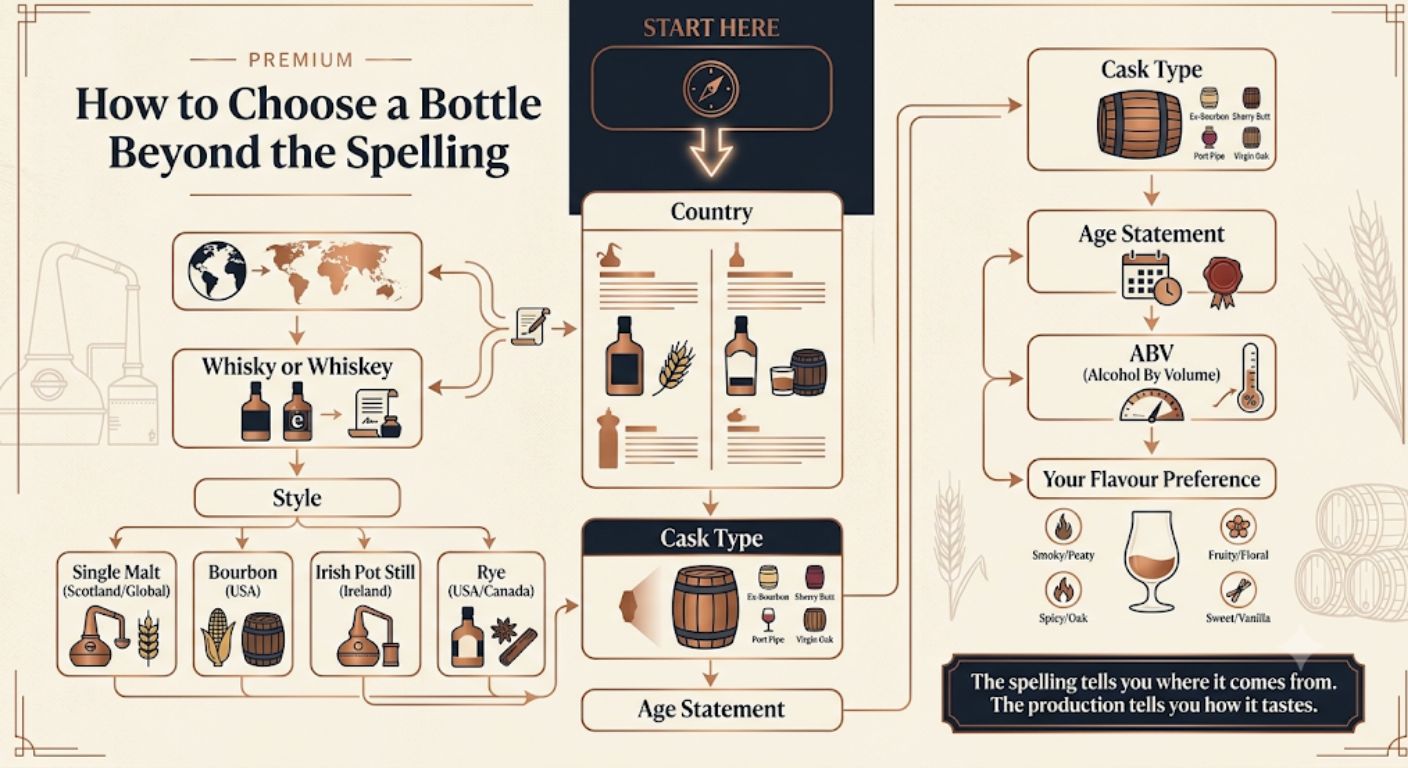
The spelling can help you identify the bottle’s broad origin, but it should not be your main buying filter. A better order of checks is:
- Country: Scotland, Ireland, USA, Japan or Canada.
- Category: single malt, blended whisky, bourbon, rye or Irish pot still.
- ABV: 40% for standard bottlings, higher for cask strength or small batch releases.
- Cask type: bourbon cask, sherry cask, virgin oak, wine cask or mixed maturation.
- Age statement: useful, but not the only sign of quality.
For example, a peated Scotch from a distillery such as Ballechin will sit in a very different flavour world from a young bourbon or a triple-distilled Irish whiskey. The spelling points you towards origin; the production details explain the drink.
Distillery Examples Where Spelling Matters Less Than Context
Some distillery names help show why context matters. Torabhaig is a modern Scottish distillery, so its releases are Scotch whisky, without the “e”. The spelling tells you the category, but the real interest is in its island production context and developing house style.
Closed distilleries need the same care. Millburn was a Scotch whisky distillery, so the no-e spelling applies, but the collector interest comes from its closed status, historic bottlings and limited surviving stock rather than the spelling itself.
FAQ
Which is correct, whisky or whiskey?
Both are correct. “Whisky” is standard for Scotch, Japanese and Canadian whisky. “Whiskey” is standard for Irish and American whiskey. The safest approach is to follow the spelling used by the country or producer on the bottle label.
What does uisce beatha mean?
Uisce beatha means “water of life”. It is the Irish Gaelic phrase linked to the older Latin aqua vitae. Over time, related Gaelic forms were shortened and anglicised into the modern words whisky and whiskey.
Is Scotch whisky ever spelled whiskey?
Scotch should normally be spelled whisky, without the “e”. If a Scotch bottle or article uses “whiskey”, it is usually a mistake unless it appears in a quoted name, historic text or unusual brand-specific context.
Why do Japan and Canada use whisky?
Japanese and Canadian producers generally follow the Scottish spelling tradition, using “whisky” without the “e”. Japanese whisky in particular was heavily influenced by Scottish whisky-making methods, while Canadian whisky also settled into the no-e convention.
-
-
-
-
-
-
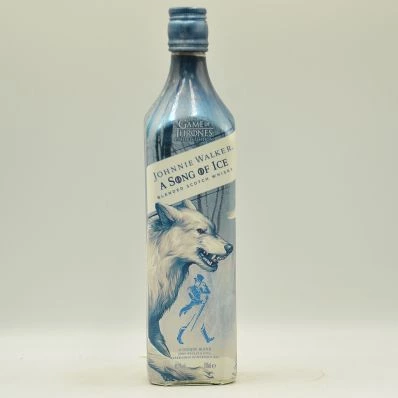
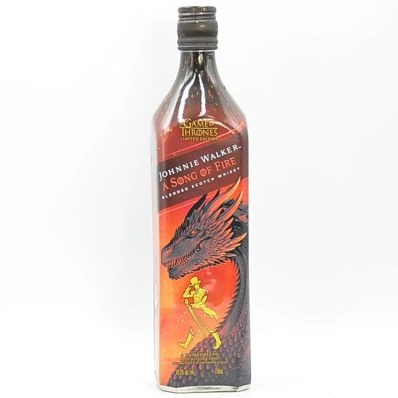 Game of Thrones Whisky Johnnie Walker A Song Of FireSpecial Price £139.98 Regular Price £144.99 Inc VATSaving £5.01
 -
-
-
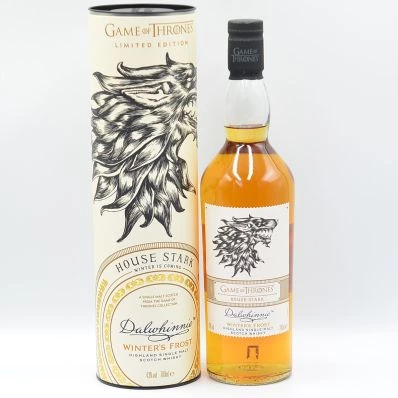 Game Of Thrones Whisky Dalwhinnie Winter's Frost House StarkSpecial Price £104.98 Regular Price £134.99 Inc VATSaving £30.01Out of stock
 -
-
Final Takeaway
The whisky vs whiskey difference is mainly a spelling convention shaped by geography and history. Scotland, Japan and Canada usually use whisky; Ireland and the United States usually use whiskey. The letter helps identify origin, but it does not define quality or flavour.
When choosing a bottle, use the spelling as a starting point, then look at country, distillery, grain, cask type, age and ABV. For Scotch-led browsing, start with the wider Scotch whisky selection and use the label details to understand what each bottle actually offers.

Comments