
 Chat with us on WhatsApp


Best Bourbon Under £100
Buying bourbon under £100 gives you access to stronger proof, better maturation, more distinctive mash bills and bottles that usually feel more complete than entry-level supermarket whiskey. This is the range where UK buyers can start looking beyond basic 40% ABV releases and into bottled-in-bond, single barrel, small batch, double oak and higher-strength expressions.
The aim is not to chase the loudest bottle. It is to find bourbon with enough specification to justify the price. If you are browsing this bracket, start with our Best Bourbon £50 to £100 selection, then use the guide below to judge which bottle best fits how you drink.
What Makes A Bourbon Good Value Under £100?
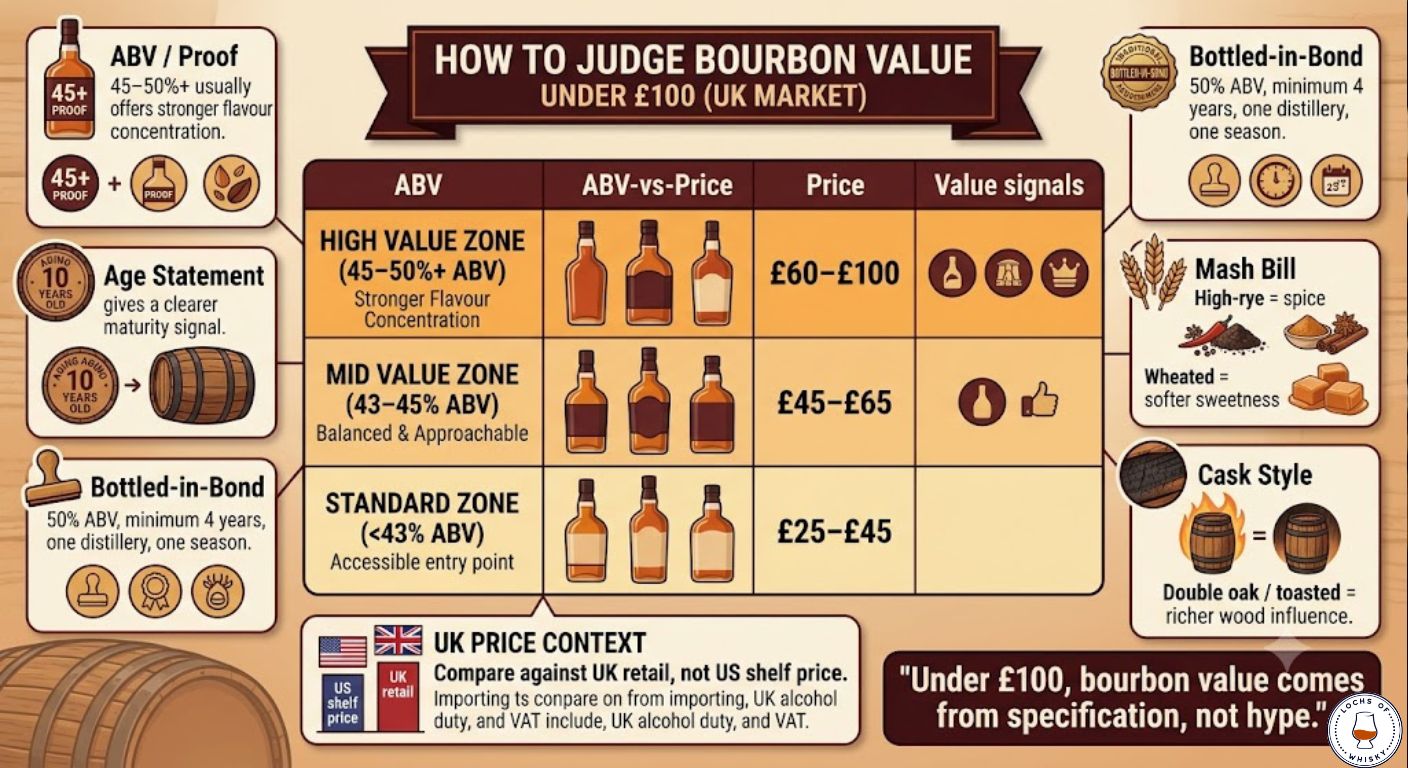
Good bourbon under £100 should offer more than a famous name. Look for clear value signals: higher ABV, an age statement, a useful legal designation, a distinctive mash bill or a cask style that changes the flavour in a meaningful way.
At this price, the strongest bottles usually fall into one of these groups:
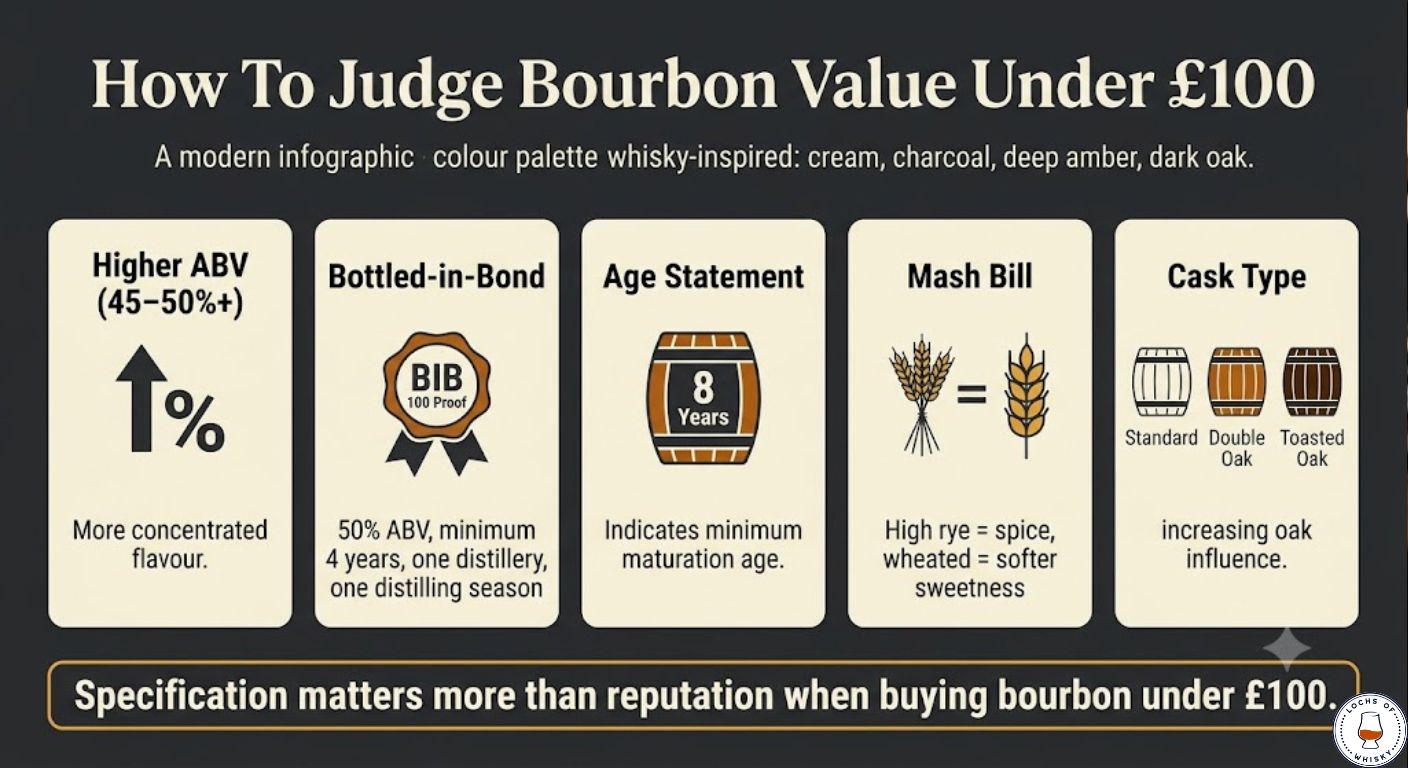
- Bottled-in-bond bourbon: 50% ABV, at least four years old, from one distillery and one distilling season.
- Single barrel bourbon: drawn from one individual barrel, often with more variation and character.
- Small batch bourbon: blended from a smaller selection of barrels, usually for consistency and depth.
- Double oak or toasted bourbon: extra wood influence for richer vanilla, caramel and spice.
- Higher-proof bourbon: stronger bottlings that carry flavour better neat, over ice or in cocktails.
For the broader brand and style context, our Best Bourbon Brands guide explains how the main bourbon producers and styles fit together.
Best Bourbon Styles To Look For Under £100
Bottled-In-Bond Bourbon
Bottled-in-bond bourbon is often one of the safest value signals under £100 because it must be bottled at 50% ABV, aged for at least four years, and come from one distillery in one distilling season. That does not guarantee greatness, but it gives buyers a stronger baseline than vague marketing terms.
This style suits drinkers who want structure, proof and reliability. It can work well neat, with a splash of water, or in an Old Fashioned where lower-strength bourbon can disappear under sugar, bitters and ice.
Single Barrel Bourbon
Single barrel bourbon makes sense when you want individuality. Because the whiskey comes from one barrel rather than a larger batch, flavour can vary from bottle to bottle. That can be a strength if you enjoy character, but it also means one release may taste richer, spicier or oakier than another.
Under £100, single barrel bourbon is best for drinkers who already know they enjoy variation. It is less suitable if you want the same flavour every time you buy a bottle.
Small Batch Bourbon
Small batch bourbon usually sits between consistency and character. The producer selects a limited number of barrels and blends them into a profile that should feel more rounded than a standard entry-level release.
This is often the most sensible route for buyers moving up from bourbon under £50. You can gain extra depth without jumping straight into cask-strength whiskey or highly allocated bottles.
Double Oak And Toasted Bourbon
Double oak and toasted barrel bourbons are useful if you like richer wood influence. These bottles often show more vanilla, brown sugar, baking spice, toasted oak and dark caramel because the whiskey has had additional contact with heavily toasted or freshly prepared oak.
They are not automatically better than standard bourbon. They are better for drinkers who enjoy oak sweetness and texture. If you prefer lighter, fruitier bourbon, double oak can feel too heavy.
Proof Matters More Than Reputation
ABV is one of the quickest ways to judge bourbon value. A 40% ABV bottle can still be enjoyable, but under £100 you should usually expect more concentration. Bottles around 45–50% ABV often carry more spice, oak and texture, especially when served over ice.
Higher proof also gives you more control. You can drink it neat, add water gradually, or use it in a cocktail without losing the bourbon’s character. One thing we see with our customers is that many start by asking for the most recognisable bottle, then end up preferring the one with the stronger specification once they compare ABV, age and price side by side.
For legal context, the US standards of identity define bourbon as whiskey made in the United States from a mash of at least 51% corn, distilled within set proof limits and stored in charred new oak containers; the full wording is set out in the federal distilled spirits regulations.
High-Rye, Wheated Or Corn-Led Bourbon?
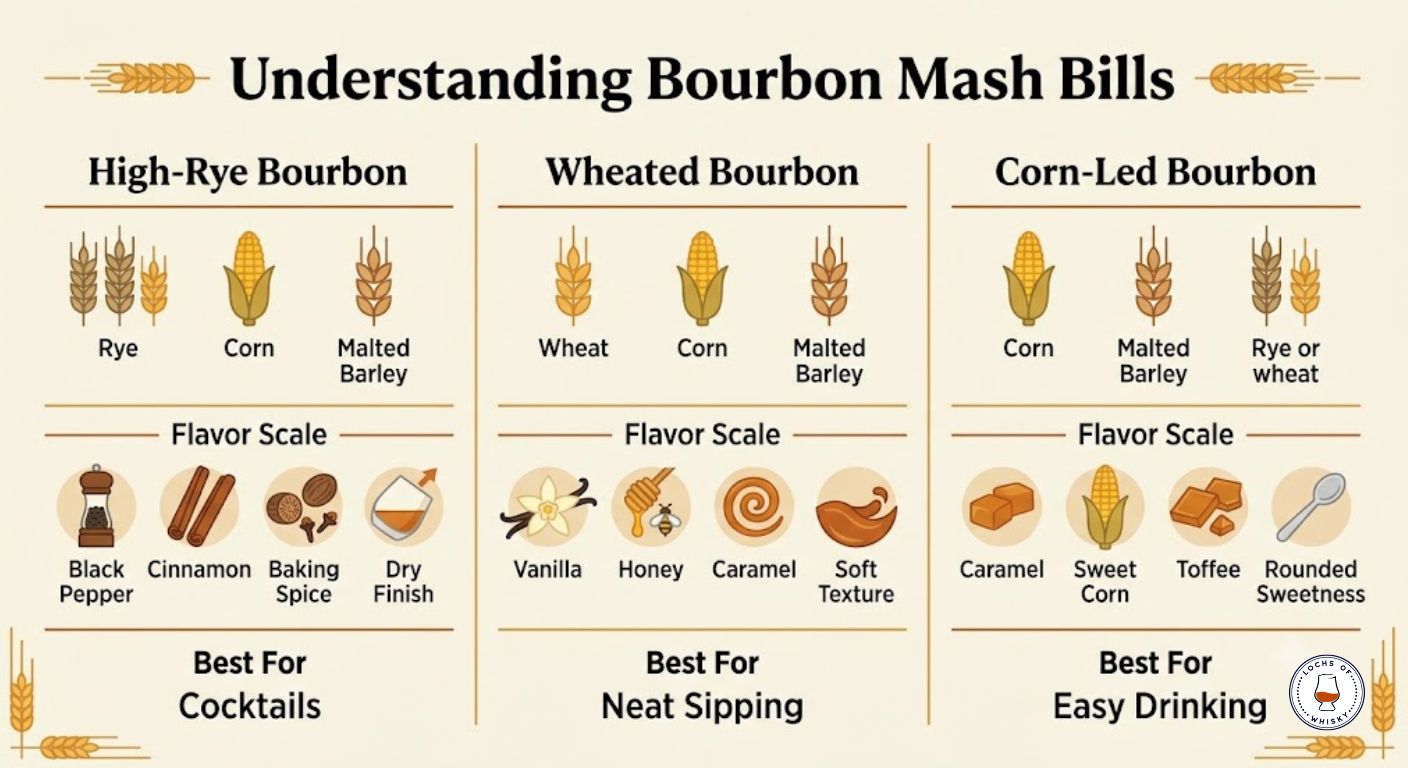
Mash bill matters because it shapes the flavour before cask influence takes over. Bourbon must contain at least 51% corn, but the remaining grains change the profile.
- High-rye bourbon: more pepper, spice, grip and cocktail structure.
- Wheated bourbon: softer texture, rounder sweetness and less sharp spice.
- Corn-led bourbon: sweeter, fuller and often more approachable.
For sipping, wheated or balanced small batch bourbon is often easier to enjoy. For an Old Fashioned or Manhattan-style serve, high-rye bourbon usually holds its shape better.
UK Pricing: Why Bourbon Can Cost More Here
UK bourbon prices do not always reflect American shelf prices. Import costs, shipping, duty, distributor margin and VAT all affect the final retail price. A bottle that looks affordable in the US can land much higher once it reaches the UK market.
This matters because some buyers compare UK prices against US retail chatter or secondary market discussion. That can be misleading. Judge the bottle against UK availability, UK retail pricing and the actual specification in front of you.
How To Choose The Right Bourbon Under £100
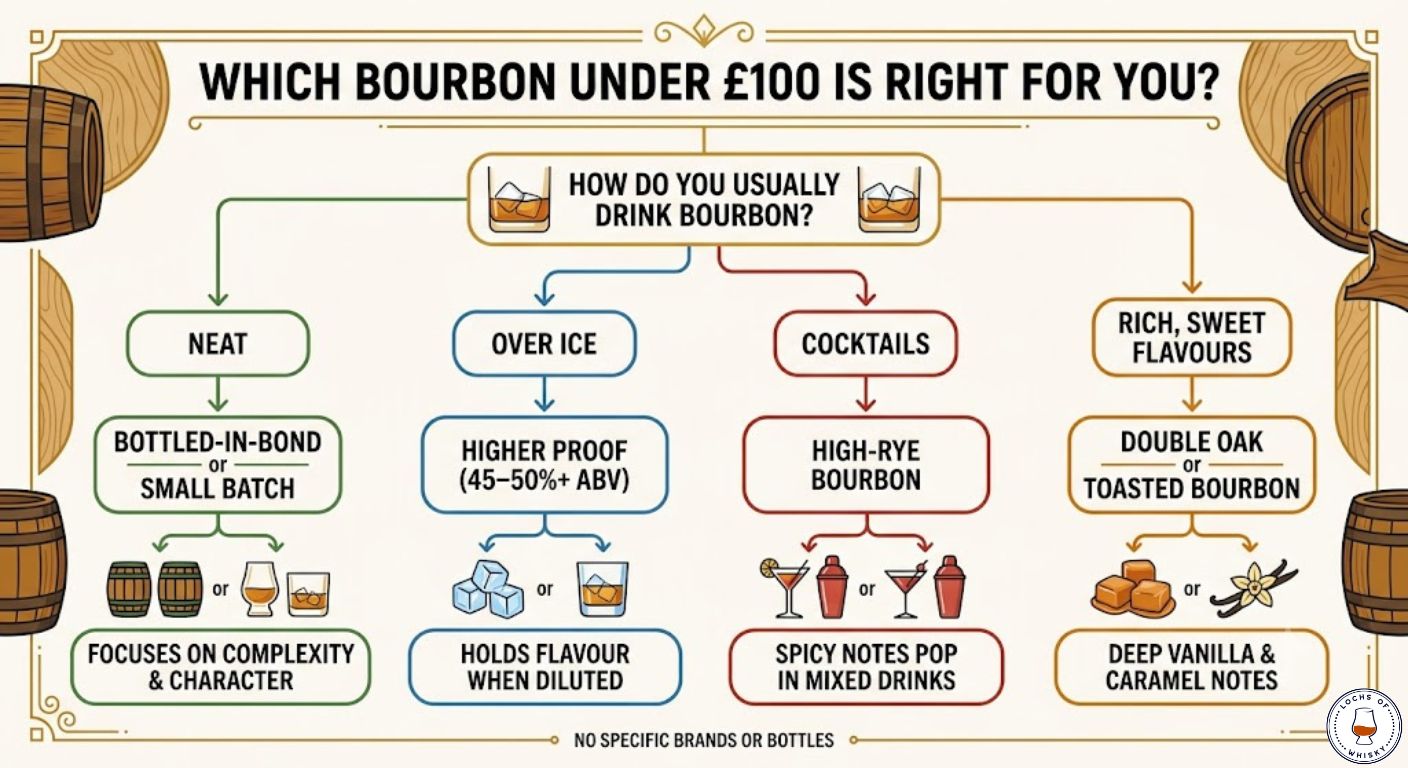
Choose Bottled-In-Bond If You Want Reliability
Pick bottled-in-bond bourbon if you want a strong baseline: 50% ABV, minimum four years old, and a regulated production standard. It is one of the clearest ways to avoid paying mainly for packaging or reputation.
Choose Single Barrel If You Want Character
Single barrel bourbon suits drinkers who like variation and stronger barrel identity. It can be excellent value when the barrel selection is good, but it is less predictable than a standard batch release.
Choose Double Oak If You Like Richness
Double oak bourbon is best for drinkers who enjoy vanilla, caramel, toasted spice and a heavier oak profile. Avoid it if you dislike sweetness or find wood-heavy whiskey tiring.
Choose Higher Proof If You Drink With Ice
If you usually drink bourbon over ice, look for bottles above 45% ABV. The extra strength helps the whiskey remain visible as the ice melts.
Common Mistakes When Buying Bourbon Under £100
- Buying scarcity instead of specification: allocated does not always mean better.
- Ignoring ABV: proof often tells you more about value than packaging.
- Assuming US prices apply in the UK: landed cost changes the equation.
- Overlooking bottled-in-bond: it is one of the most useful quality baselines.
- Choosing single barrel for consistency: barrel variation is part of the format.
- Buying double oak without liking oak: richer wood influence is not for everyone.
FAQ
Is bourbon under £100 good enough to drink neat?
Yes. Bourbon under £100 can be very good neat, especially when it offers higher ABV, an age statement, bottled-in-bond status or strong cask influence. This price range is often where bourbon becomes more textured and complete than standard entry-level bottles.
Is Bottled-In-Bond bourbon better value than straight bourbon?
Often, yes. Bottled-in-bond gives you a regulated standard: one distillery, one distilling season, at least four years old and bottled at 50% ABV. Straight bourbon is also meaningful, but bottled-in-bond gives buyers more information and a stronger proof baseline.
Is single barrel bourbon worth buying under £100?
Single barrel bourbon can be worth buying under £100 if you enjoy individuality. It may offer more character than a standard batch release, but it can also vary from barrel to barrel. Choose it for interest rather than absolute consistency.
Should I buy bourbon under £50 or spend closer to £100?
Spend under £50 if you want a dependable everyday bottle. Spend closer to £100 if you want more proof, maturation, barrel character or a more distinctive mash bill. The higher bracket is usually better for sipping and serious comparison.
-
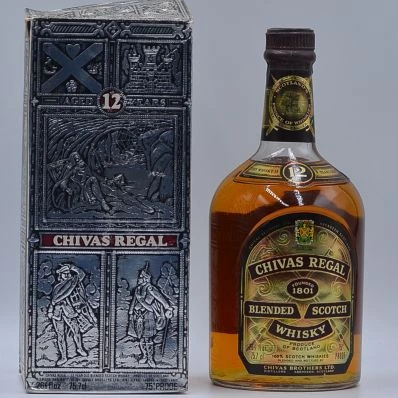 Chivas Regal 12 Year Old Scotch Whisky 75 Proof 1970sSpecial Price £47.98 Regular Price £59.99 Inc VATSaving £12.01
 -
-
-
-
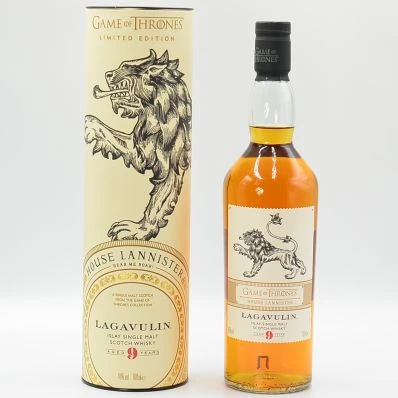
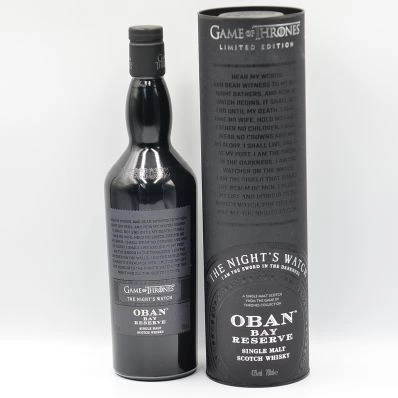 Game of Thrones Whisky Oban Bay Reserve The Night's WatchSpecial Price £72.98 Regular Price £84.99 Inc VATSaving £12.01
 -
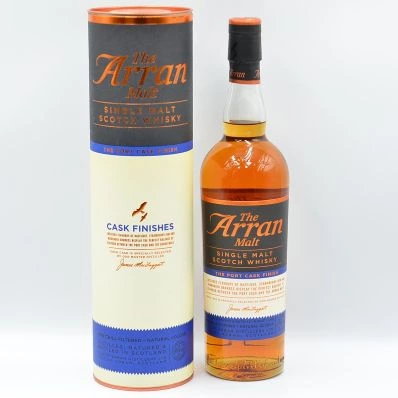 Arran Cask Finishes Port Scotch WhiskySpecial Price £87.98 Regular Price £97.99 Inc VATSaving £10.01
 -
-

Final Thoughts
The best bourbon under £100 is not always the most famous bottle. It is usually the bottle with the clearest reason to cost more: higher proof, stronger maturation, bottled-in-bond status, single barrel character or a flavour profile that fits how you drink.
Use the price bracket carefully, compare the specification before the reputation, and choose based on drinking style rather than hype.

Comments