
 Chat with us on WhatsApp

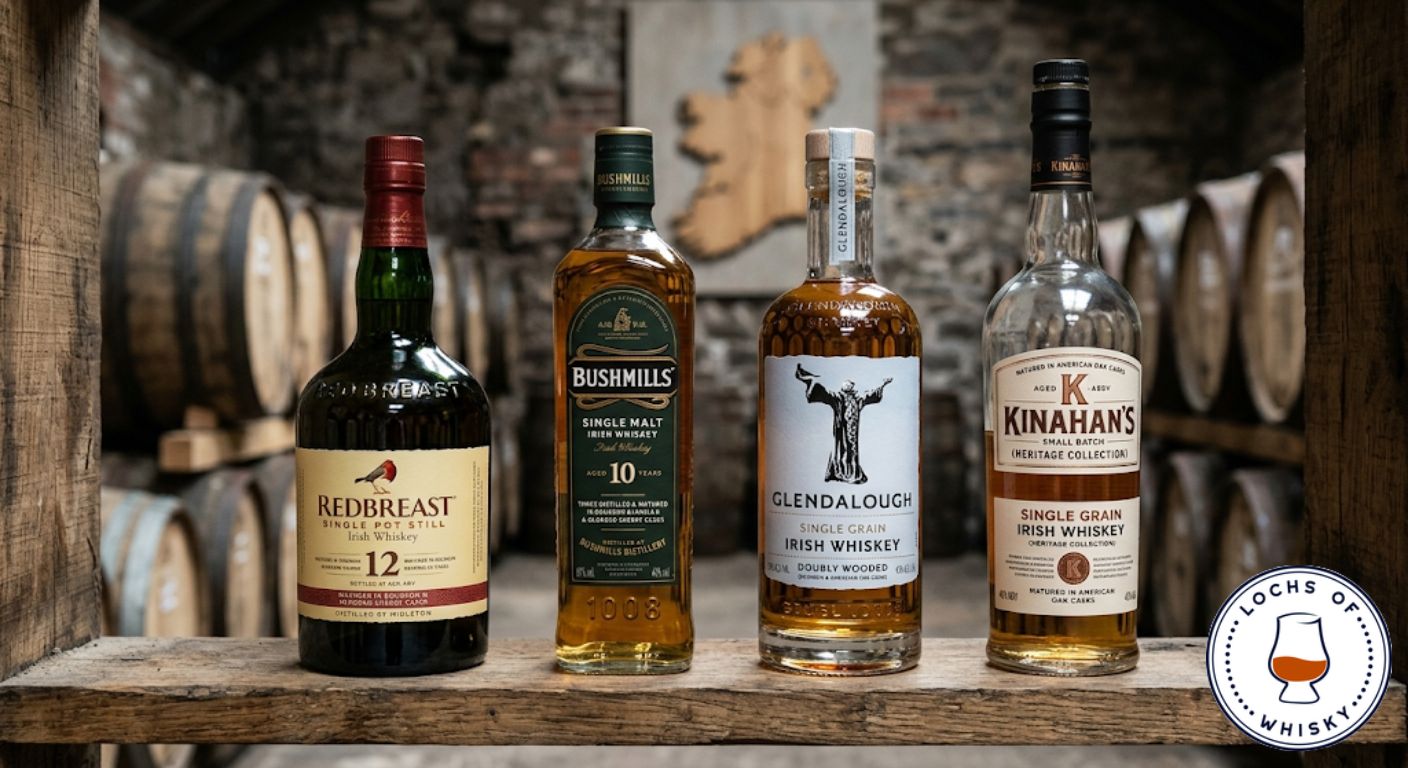
Best Irish Whiskey: Our Top Picks
Choosing the best Irish whiskey is less about finding one universal bottle and more about matching the whiskey to how you plan to drink it. A soft blended Irish whiskey works well for beginners and mixed drinks. A single pot still whiskey gives more texture, spice and distillery character. A single malt or cask-finished release usually suits drinkers looking for more depth.
This guide breaks Irish whiskey down by style, budget, flavour, cask type and drinking occasion. It is designed to help you understand what makes each type different, what to look for on the label, and where your money is best spent. For current bottles, you can browse the full Irish whiskey selection at Lochs of Whisky.
What Makes Irish Whiskey Different?
Irish whiskey must be produced on the island of Ireland, including Northern Ireland, and bottled at a minimum of 40% ABV. The category includes blended Irish whiskey, single malt, single grain and pot still whiskey. The official technical file for Irish whiskey also defines the production area, style classifications and labelling rules for the category.
The main difference most drinkers notice first is texture. Irish whiskey is often smoother, lighter and less smoky than Scotch. That does not mean it is simple. Mature casks, single pot still mash bills and higher-strength releases can produce serious depth.
- Blended Irish whiskey: usually soft, approachable and good value.
- Single pot still: creamy, spicy and distinctly Irish.
- Single malt: malt-led, often fruity, sometimes cask-driven.
- Single grain: lighter, sweeter and often used in blends.
Most people looking for their first Irish bottle should begin with a blend or lower-strength single pot still around 40–46% ABV. Drinkers who already enjoy Scotch or bourbon can usually move straight into sherry casks, higher ABV releases or single malt.
Best Irish Whiskey by Drinking Style
Best Irish whiskey for beginners
The best Irish whiskey for beginners is usually smooth, lower strength and not too oak-heavy. Look for 40–43% ABV, soft fruit, vanilla, honey and gentle spice. Blended Irish whiskey is often the safest starting point because it balances malt character with lighter grain whiskey.
Beginners should avoid starting with cask-strength Irish whiskey unless they already drink higher-proof spirits. Cask strength can be excellent, but it changes the experience completely. The alcohol carries more flavour, but it also needs slower drinking and often a few drops of water.
Best Irish whiskey for sipping neat
For drinking neat, look beyond basic blends and consider single pot still, single malt or a mature age-statement release. A good neat Irish whiskey should have balance: enough sweetness to be approachable, enough oak to give structure, and enough texture to avoid feeling thin.
Single pot still is especially strong here. The combination of malted and unmalted barley gives a creamy mouthfeel and a peppery edge. It is one of the clearest ways to understand Irish whiskey as its own category rather than simply a smoother alternative to Scotch.
Best Irish whiskey for cocktails
For Irish coffee, highballs and whiskey sours, choose a whiskey with enough body to stand up to dilution. A soft 40% blend works for simple mixed drinks, but cocktails with coffee, citrus or sugar often benefit from a slightly richer blend or a whiskey with sherry or bourbon cask influence.
If cocktails are the main purpose, avoid expensive limited releases. You are paying for detail that will be partly hidden by the other ingredients. Keep the premium bottles for neat drinking.

Irish Whiskey Styles Explained
Blended Irish whiskey
Blended Irish whiskey combines different whiskey types, often grain whiskey with malt or pot still whiskey. This makes it approachable, consistent and usually good value. It is the style most people encounter first.
Blends are useful when you want one bottle for several jobs: neat drinking, mixing, gifting or casual serving. They are not automatically inferior to single malt. The key is whether the blend has enough structure and cask quality for the price.
Single pot still Irish whiskey
Single pot still Irish whiskey is made at one distillery from a mash containing both malted and unmalted barley, distilled in pot stills. It is known for a creamy texture, spice, orchard fruit and a distinctive weight on the palate.
This is the most specifically Irish whiskey style. It is a strong choice for drinkers who want character without heavy peat smoke.
Single malt Irish whiskey
Single malt Irish whiskey is made from malted barley at one distillery. It can be light and fruity, rich and sherried, or heavily shaped by wine, port, rum or bourbon cask maturation.
Single malt is often the best route for Scotch drinkers moving into Irish whiskey. It gives a familiar malt structure while keeping the softer Irish profile. Distilleries such as Dingle have helped bring more attention to modern Irish single malt.
Single grain Irish whiskey
Single grain Irish whiskey is made at one distillery using grains other than only malted barley, usually with column distillation. It tends to be lighter, sweeter and easier drinking.
Single grain is often overlooked, but it can be useful for drinkers who like vanilla, cereal sweetness and a lighter body. It is less suitable if you want heavy oak, spice or deep sherry influence.
How Much Should You Spend on Irish Whiskey?

Irish whiskey has a wide price range, but the best value usually sits between £30 and £80. Below £30, you are often buying simple blends. Between £30 and £60, you can find better cask influence, stronger flavour and more reliable neat drinking. Above £80, you should expect clearer justification: age, cask quality, limited production, higher ABV or distillery significance.
- Under £30: everyday blends, mixing bottles and entry-level gifts.
- £30–£60: stronger value for sipping, gifting and exploring styles.
- £60–£100: better single malts, pot still releases and cask finishes.
- £100+: premium age statements, limited editions and collector-led bottles.
Our customers often ask whether age statement matters more than cask type; after a certain point, an active, well-chosen cask can matter more than the number on the label.
Cask Type Matters More Than Most Buyers Expect

Cask type is one of the biggest drivers of Irish whiskey flavour. Ex-bourbon casks usually bring vanilla, honey, coconut and soft oak. Sherry casks add dried fruit, spice, chocolate and darker sweetness. Port, rum, wine and Marsala finishes can add extra layers, but they need balance.
A finish is not the same as full maturation. A whiskey finished in sherry casks may only spend its final period in that wood. A fully sherry-matured whiskey has usually taken more of its structure from the cask throughout maturation.
- Ex-bourbon: vanilla, honey, orchard fruit, gentle oak.
- Sherry: raisin, spice, dark fruit, chocolate.
- Port: red fruit, sweetness, rounded texture.
- Rum: brown sugar, tropical fruit, softer spice.
- Wine cask: red fruit, tannin and sometimes dryness.
For bourbon drinkers, ex-bourbon cask Irish whiskey is usually the easiest bridge.
Best Irish Whiskey for Different Buyers
If you want something smooth
Choose a blend or lower-strength single pot still whiskey around 40–43% ABV. Look for notes of vanilla, honey, apple and soft spice. Avoid cask strength and heavy wine casks at first, as they can feel sharper or more tannic.
If you want more complexity
Choose single pot still or single malt around 46% ABV. Non-chill-filtered releases often give more texture, though they are not automatically better. Sherry casks, port finishes and age statements above 12 years can add more depth.
If you want a gift
Choose a bottle with a clear identity: age statement, distillery name, cask type or limited release. Avoid obscure cask-strength bottles unless the recipient already drinks whisky seriously. For most gifts, £40–£80 is a sensible range.
If you want something collectible
Look for distillery significance, limited release details, age statement, cask information and packaging condition. Collectibility should come from provenance, not vague claims. Older bottles and discontinued releases need careful checking before purchase.
If you are exploring beyond Irish whiskey, the broader world whisky selection is useful for comparing Irish bottles against Japanese, English, Welsh, Indian and other international styles.
Irish Whiskey Distilleries to Know
Irish whiskey has grown quickly, but distillery context still matters. Some bottles come from long-established producers. Others come from newer distilleries that are shaping the modern category with single malt, pot still and cask-led releases.
Cooley is important because it helped widen Irish whiskey beyond the historic dominance of a small number of producers. Its role in independent Irish whiskey makes it especially relevant for drinkers interested in modern Irish variety.
Paddy represents a more traditional blended Irish whiskey identity, associated with approachable, easy-drinking whiskey rather than heavy cask influence. It is useful context for understanding how mainstream Irish whiskey became known for softness and accessibility.
Bushmills remains one of the key names in Irish whiskey, particularly for single malt and age-statement releases.

Irish Whiskey vs Scotch and Bourbon
Irish whiskey is usually smoother and less smoky than Scotch, though there are exceptions. Scotch often uses regional identity more heavily, while Irish whiskey is commonly explained through production style: blend, pot still, malt or grain.
| Attribute | Irish whiskey | Scotch whisky | Bourbon whiskey |
|---|---|---|---|
| Typical flavour | Smooth, fruity, honeyed, spicy | Varies by region; can be smoky, malty or sherried | Sweet oak, vanilla, caramel, spice |
| Common distillation | Often triple distilled | Usually double distilled | Column and pot still combinations |
| Key grain identity | Barley, including malted and unmalted barley in pot still whiskey | Malted barley for single malt | At least 51% corn |
| Best entry point | Blend or single pot still | Speyside or Highland single malt | Kentucky straight bourbon |
Decision Rules: How to Choose the Best Irish Whiskey
- If you are new to whiskey, choose a smooth blend around 40% ABV.
- If you already drink Scotch, choose Irish single malt or single pot still around 46% ABV.
- If you like bourbon, choose ex-bourbon cask Irish whiskey with vanilla, honey and oak.
- If you want a richer bottle, choose sherry cask or port-finished Irish whiskey.
- If you want a gift, choose an age statement, known distillery or clear cask description.
- If you are spending over £100, check age, ABV, cask type, release size and packaging condition.
- If you want cocktails, avoid rare or expensive releases and choose a reliable blend with enough body.
The best Irish whiskey is the bottle that fits the job. A whiskey for Irish coffee does not need the same structure as a bottle for neat tasting. A collector bottle should not be judged by the same rules as an everyday blend.
Frequently Asked Questions
What is the smoothest Irish whiskey?
The smoothest Irish whiskey is usually a triple-distilled blend or lower-strength single pot still whiskey around 40–43% ABV. Look for vanilla, honey, apple and gentle spice. Smoothness comes from production style, cask balance and alcohol integration, not just price.
What is single pot still Irish whiskey?
Single pot still Irish whiskey is made at one distillery from a mash containing malted and unmalted barley, distilled in pot stills. It is known for a creamy texture, spice and weight. It is one of the most distinctive Irish whiskey styles.
Is Irish whiskey good for beginners?
Yes. Irish whiskey is often a strong starting point because many bottles are smooth, approachable and less smoky than Scotch. Beginners should start with blends or softer single pot still releases around 40–43% ABV before moving into higher-strength or heavily cask-finished bottles.
What is the best Irish whiskey under £50?
The best Irish whiskey under £50 depends on use. For mixing, choose a reliable blend. For sipping, look for single pot still, single malt or a richer cask-led blend.
Is expensive Irish whiskey worth it?
Expensive Irish whiskey can be worth it when the price is supported by age, cask quality, limited release details, distillery significance or higher ABV. It is not worth paying more just for packaging. Above £100, check the label details carefully before buying.
Can you drink Irish whiskey straight?
Yes. Irish whiskey can be drunk neat at room temperature. Use a tulip-shaped glass if possible, take small sips and add a few drops of water if the alcohol feels tight. Avoid too much ice when assessing flavour, as it can mute aroma and texture.
Is Irish whiskey better than Scotch?
Irish whiskey is not better than Scotch; it is different. Irish whiskey is often smoother, lighter and less smoky. Scotch offers wider regional variation and more peated styles. The better choice depends on whether you prefer softness, spice, smoke, sherry influence or malt weight.
Which Irish whiskey is best for bourbon drinkers?
Bourbon drinkers usually do well with Irish whiskey matured in ex-bourbon casks. Look for vanilla, caramel, honey, coconut and oak spice. Avoid very light blends if you want body, and avoid heavy wine finishes if you dislike tannin.
Summary: The Key Rules for Buying Irish Whiskey
- Start with style: blend for accessibility, pot still for texture, malt for depth, grain for lightness.
- Check ABV: 40–43% is easier drinking; 46% gives more body; cask strength needs care.
- Read the cask details: bourbon cask is lighter and sweeter; sherry cask is richer and darker.
- Do not overpay for age alone: cask quality matters as much as years in wood.
- Match bottle to use: mixing, gifting, sipping and collecting all need different buying logic.
Common mistakes
- Buying cask strength as a first Irish whiskey.
- Assuming all Irish whiskey tastes the same.
- Choosing by age statement without checking cask type.
- Using expensive limited releases in cocktails.
- Confusing a short cask finish with full cask maturation.
Decision shortcuts
- For a first bottle: smooth blend or gentle single pot still.
- For Scotch drinkers: Irish single malt or sherry-influenced pot still.
- For bourbon drinkers: ex-bourbon cask Irish whiskey.
- For gifts: age statement, named distillery or clear cask detail.
- For collectors: provenance, condition, release context and limited production details.
Once you know the style, ABV and cask type you want, the buying decision becomes much clearer. You can compare current Irish bottles through the Lochs of Whisky range or use this guide as a framework before choosing your next bottle.

Related Products
-

-
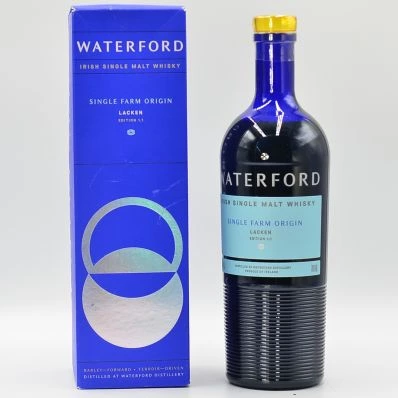 Waterford Whiskey Lacken Edition 1.1 French ExclusiveSpecial Price £69.98 Regular Price £84.99 Inc VATSaving £15.01
 -
-
Comments