
 Chat with us on WhatsApp

Best Japanese Whisky Under £100
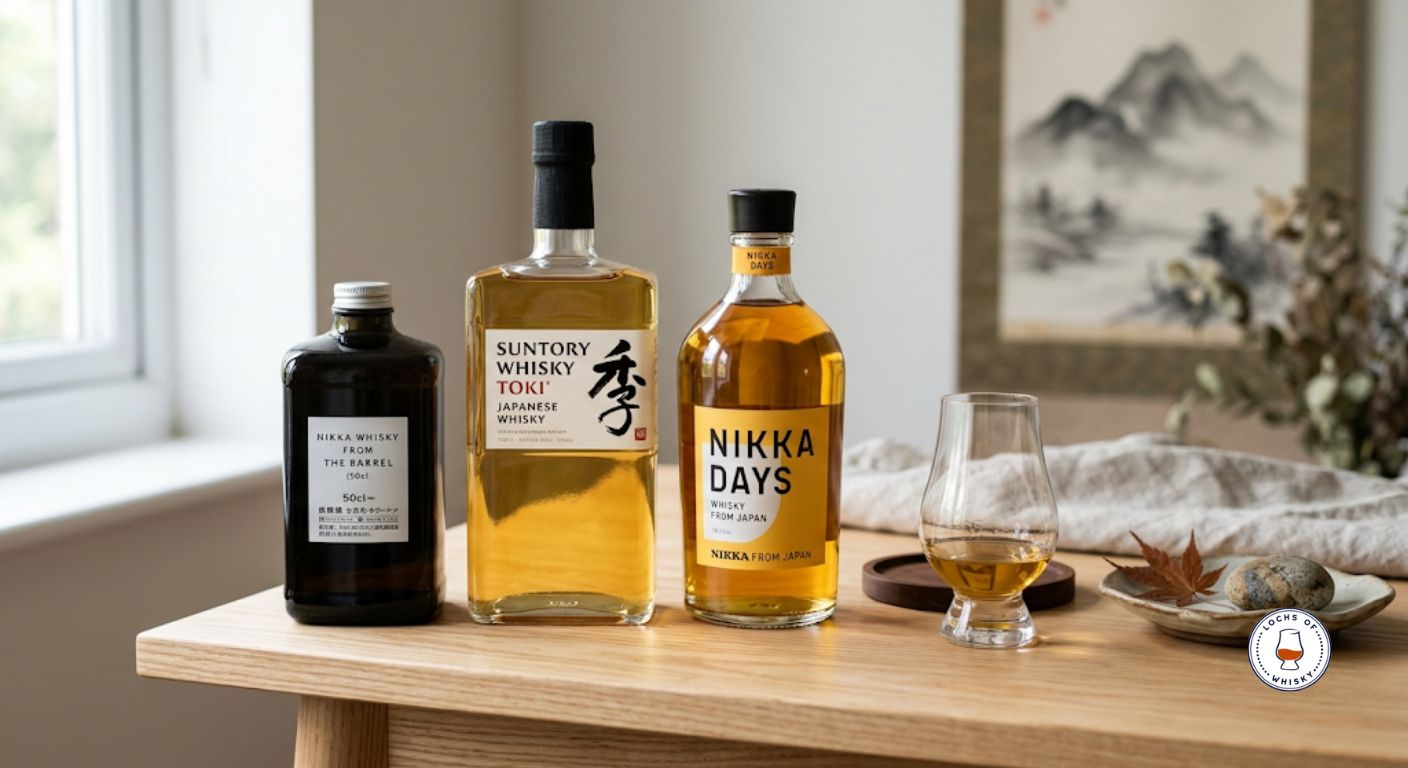
Japanese whisky under £100 is one of the most useful price brackets for UK buyers. It includes approachable blends, grain whiskies, pure malts and some no-age-statement single malts, without moving into the heavily inflated older age-statement market.
This guide focuses on value, authenticity and drinking purpose. You can also browse current bottles in our Japanese whisky selection.
What To Look For Under £100
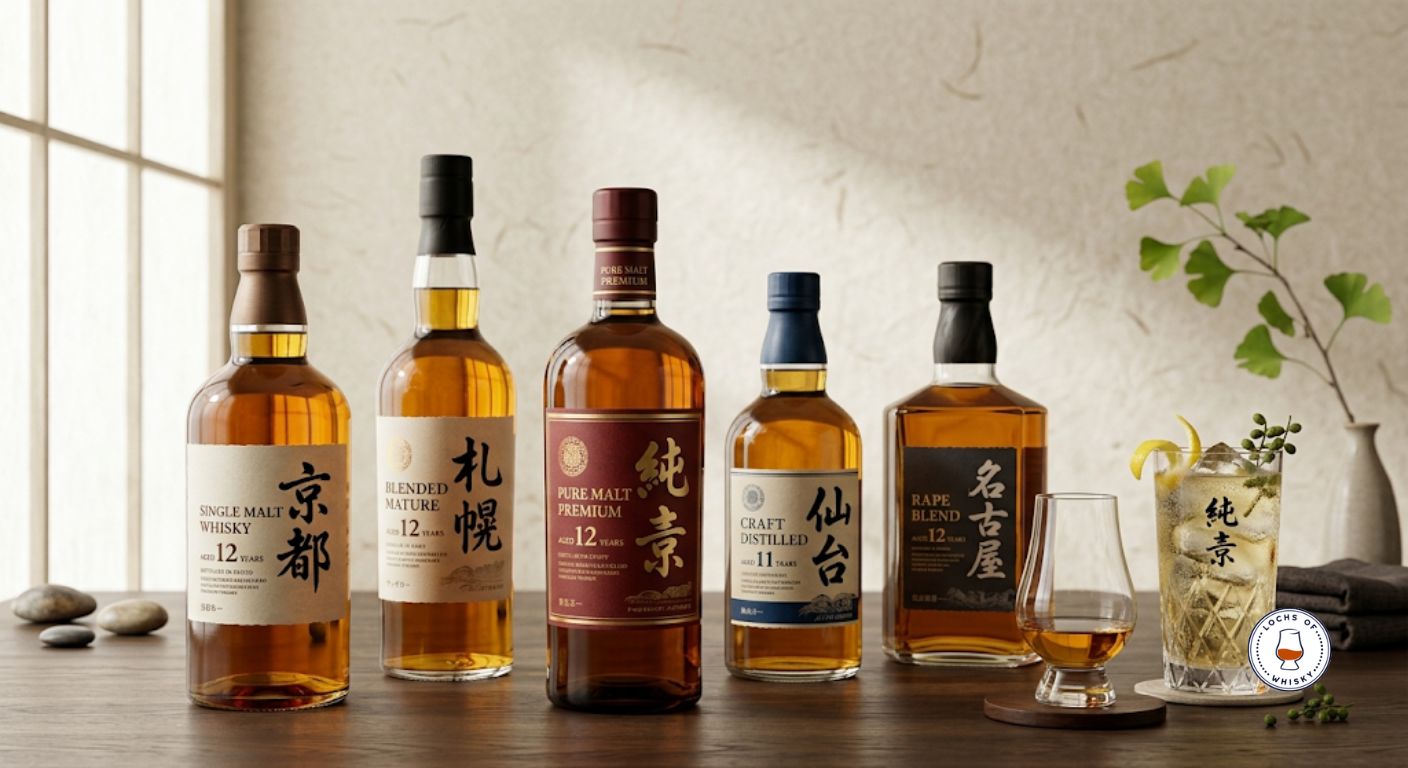
Under £100, the strongest Japanese whisky buys usually fall into three groups: clean highball blends, richer malt-and-grain whiskies, and lighter single malts or grain whiskies. Age statements are less common in this bracket because demand for mature Japanese stock has pushed prices up sharply.
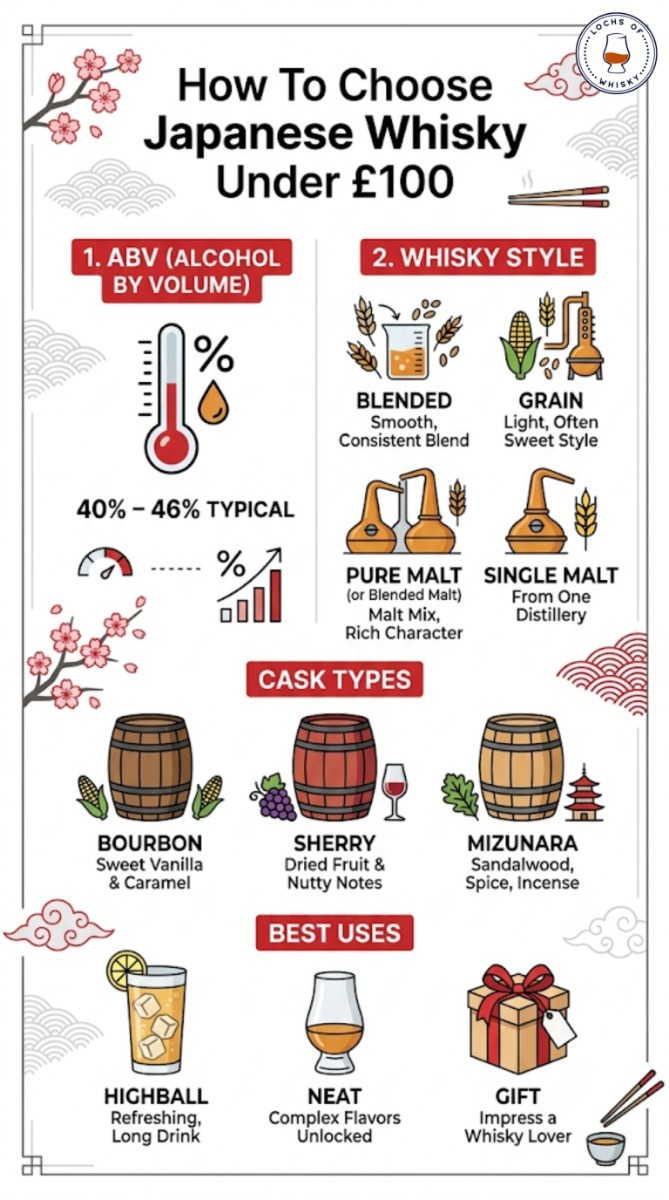
- ABV: 40–46% is common, though some bottles sit higher.
- Style: blends and grain whiskies often offer better value than aged single malts.
- Cask influence: bourbon casks, sherry casks and occasional Mizunara oak influence are worth noting.
- Use: decide whether the bottle is mainly for highballs, neat drinking or gifting.
Best Styles Of Japanese Whisky Under £100
Japanese Blended Whisky
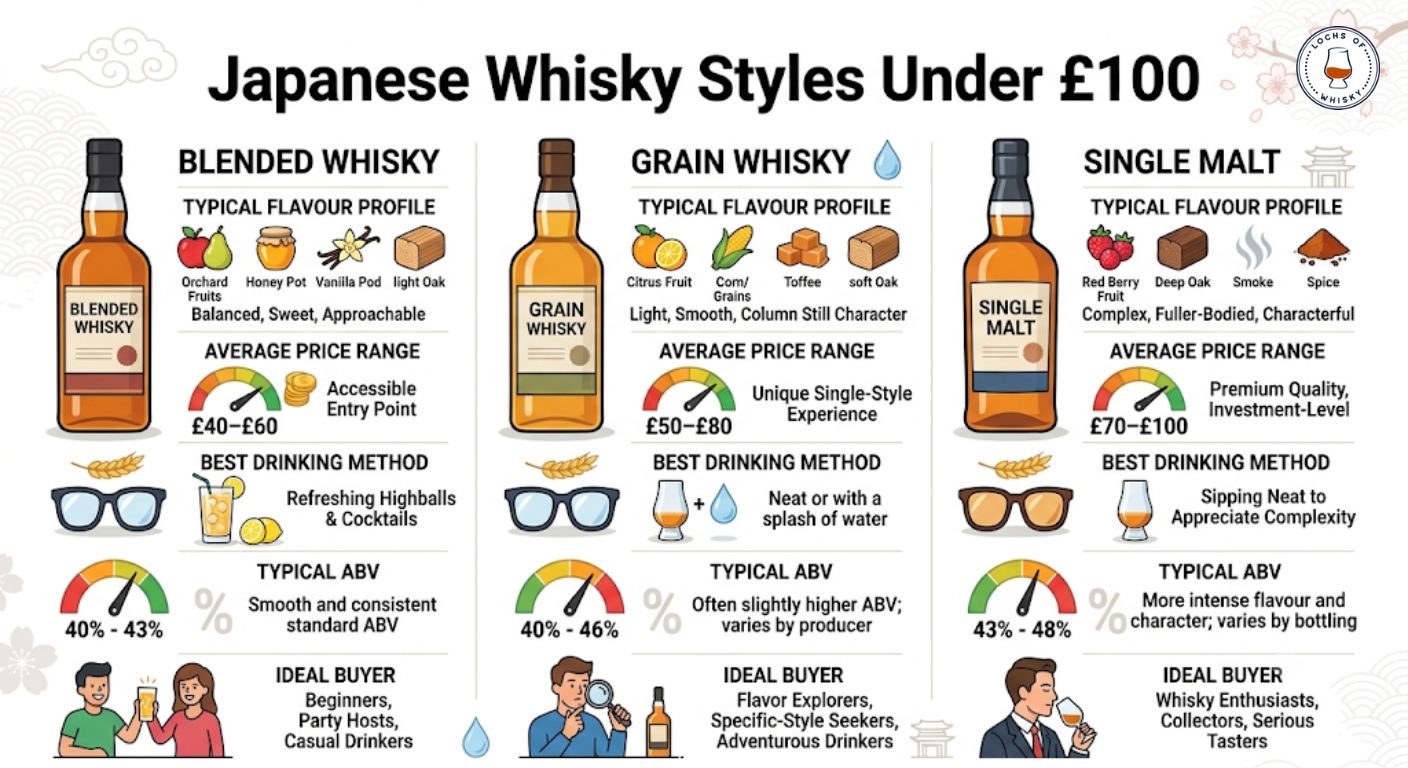
Blends are often the best starting point. They are usually balanced, light-to-medium bodied and designed to work both neat and in a highball. Expect orchard fruit, vanilla, gentle spice and a clean finish rather than heavy peat or dense sherry.
This is where many buyers get the most value, especially if they want a bottle that feels recognisably Japanese without paying premium single malt prices.
Japanese Grain Whisky
Grain whisky can be a strong choice under £100 because it often gives texture, sweetness and polish without the price pressure attached to famous malt distilleries. Expect softer cereal notes, vanilla, coconut, light fruit and a rounded mouthfeel.
If you usually enjoy bourbon or lighter Scotch grain whisky, this category can make sense. For broader context across non-Scotch producers, our world whisky section is the natural place to explore further.
Japanese Single Malt Whisky
Single malts under £100 are possible, but choice is more limited. Most will be no-age-statement releases rather than 12, 15 or 18 year old bottles. That is not automatically a weakness. A good NAS Japanese whisky can still be well-structured if the blending and cask selection are strong.
The mistake our customers make most often is assuming every Japanese single malt will be delicate and smoke-free; some producers use peat, higher ABV or assertive cask influence, so the label details matter.
Authenticity And Japanese Whisky Labelling
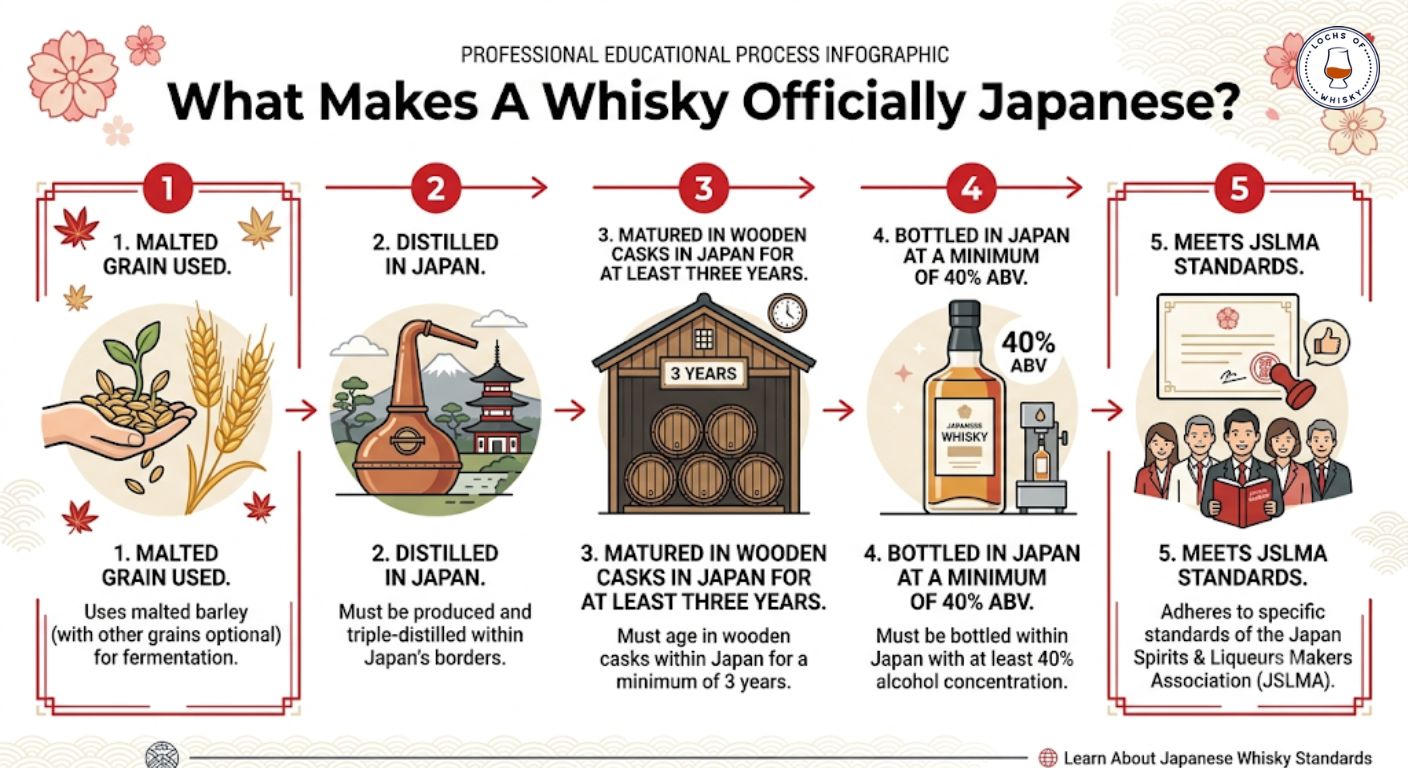
To be labelled as Japanese whisky under JSLMA standards, the whisky must use malted grain, be saccharified, fermented and distilled in Japan, matured in Japan for at least three years in wooden casks no larger than 700 litres, and bottled in Japan at a minimum of 40% ABV. The Japan Spirits & Liqueurs Makers Association standards are useful because they help buyers separate fully Japanese-made whisky from world blends bottled in Japan.
This matters under £100 because some bottles in the market use Japanese branding but may include imported whisky. That does not automatically make them poor quality, but it changes what you are buying. If provenance matters, check whether the producer clearly states compliance with Japanese whisky standards.
Distilleries And Producers Worth Knowing
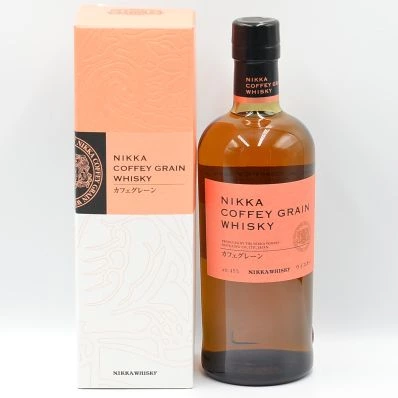
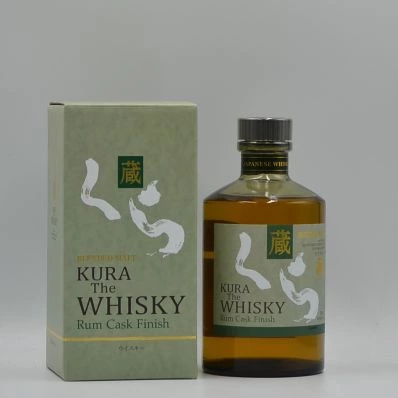
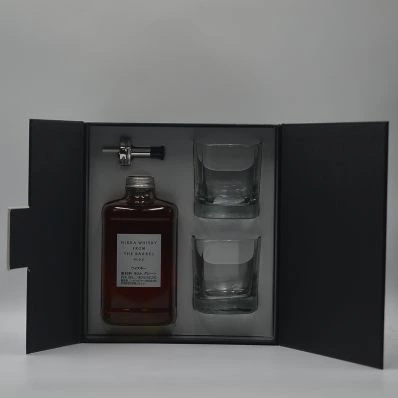
Several producers regularly appear in the under-£100 conversation, although availability changes quickly. Nikka is one of the most important names to understand because its blends, grain whiskies and malt-led releases often sit in the practical buying range.
Fuji Gotemba is also relevant for buyers interested in grain whisky and balanced Japanese production styles. Its releases can appeal to drinkers who want a polished, fruit-led profile without moving into older collector pricing.
For broader Japanese and world whisky discovery, smaller or less familiar names such as Helios can also be worth understanding, especially where the bottle gives clear information about origin, cask type and bottling strength.
When Japanese Whisky Under £100 Makes Sense
This price bracket makes sense if you want a bottle that feels considered but still practical to open. It is especially strong for:
- highballs and long drinks
- entry-level Japanese whisky exploration
- gifts where presentation and category interest matter
- lighter, cleaner whisky styles
- buyers avoiding heavily inflated age-statement prices
It makes less sense if you want old age statements, heavy peat, deep sherry maturation or collectible limited releases. Those usually sit above this bracket and belong in a different buying decision.
How To Serve Japanese Whisky Under £100
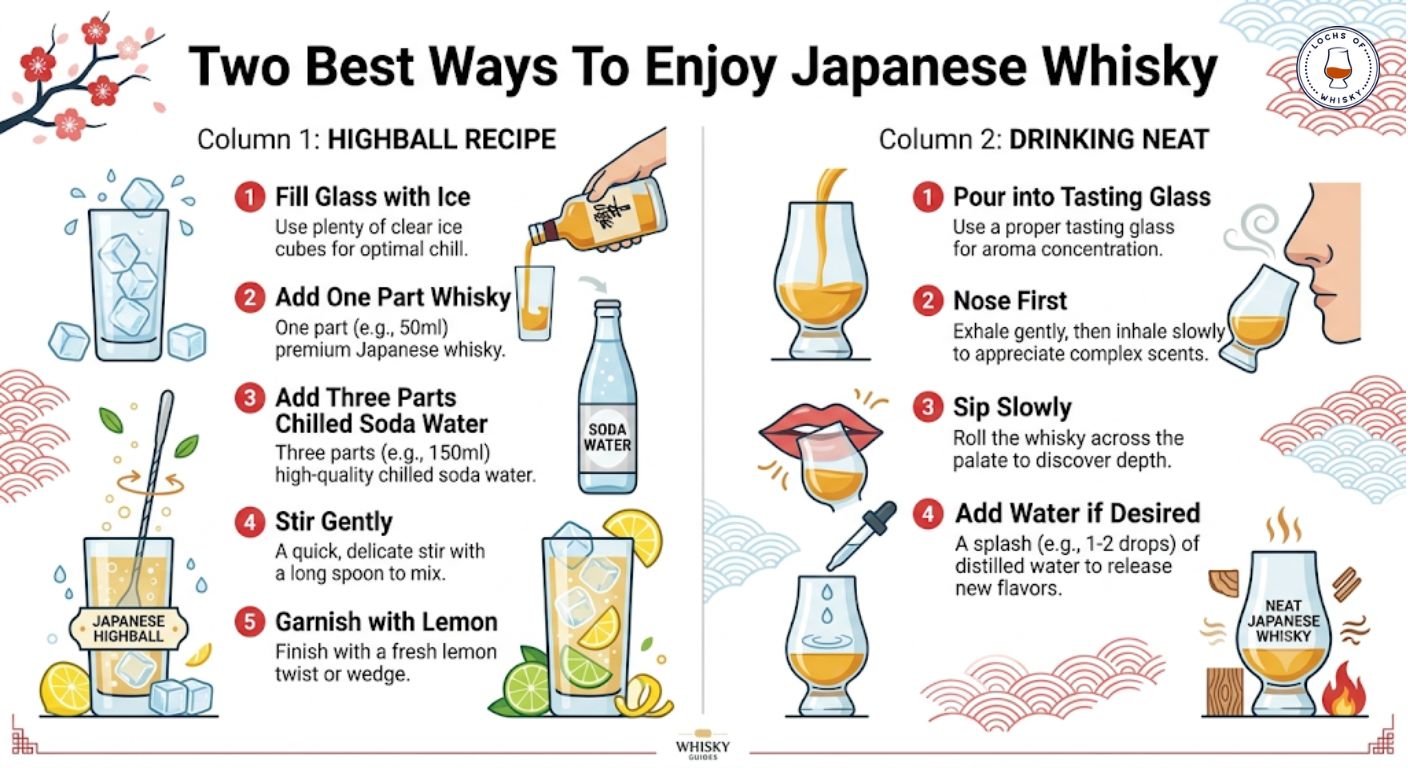
The highball is often the most useful serve for affordable Japanese whisky. Fill a tall glass with ice, add whisky, top with chilled soda water, stir gently once, and garnish with citrus if wanted. A ratio of roughly one part whisky to three parts soda keeps the drink clean and refreshing.
For richer malt-led bottles, try the whisky neat first. If the alcohol feels sharp or closed, add a few drops of water rather than ice. This helps show whether the whisky has enough structure for slow sipping.
FAQ
Is Japanese whisky under £100 worth buying?
Yes, if you focus on blends, grain whiskies and well-made no-age-statement releases. This bracket is not ideal for older age-statement Japanese whisky, but it can still offer clean, balanced and distinctive bottles for drinking rather than collecting.
What does NAS mean in Japanese whisky?
NAS means no age statement. It does not mean the whisky is poor quality. Many Japanese NAS whiskies exist because older stock became scarce, so producers blend different ages to maintain style and availability without declaring a specific age.
Is Japanese whisky different from Scotch?
Japanese whisky was strongly influenced by Scotch, but the style is often lighter, cleaner and more precise. Many bottles focus on balance, fruit, gentle oak and texture rather than heavy peat or dense sherry character, although exceptions do exist.
What is the best Japanese whisky for someone who does not like smoke?
Look for lighter blends, grain whiskies or malt-and-grain releases rather than peated single malts. Flavour descriptions such as vanilla, orchard fruit, honey, citrus, cereal and soft oak usually indicate a more approachable style.
Final Thoughts
The best Japanese whisky under £100 is usually not the oldest or most famous bottle. It is the bottle with clear provenance, the right style for how you drink, and enough balance to justify the price.
For buyers comparing Japanese bottles with other international styles, the wider world whisky range is the most useful next step.


Comments