
 Chat with us on WhatsApp

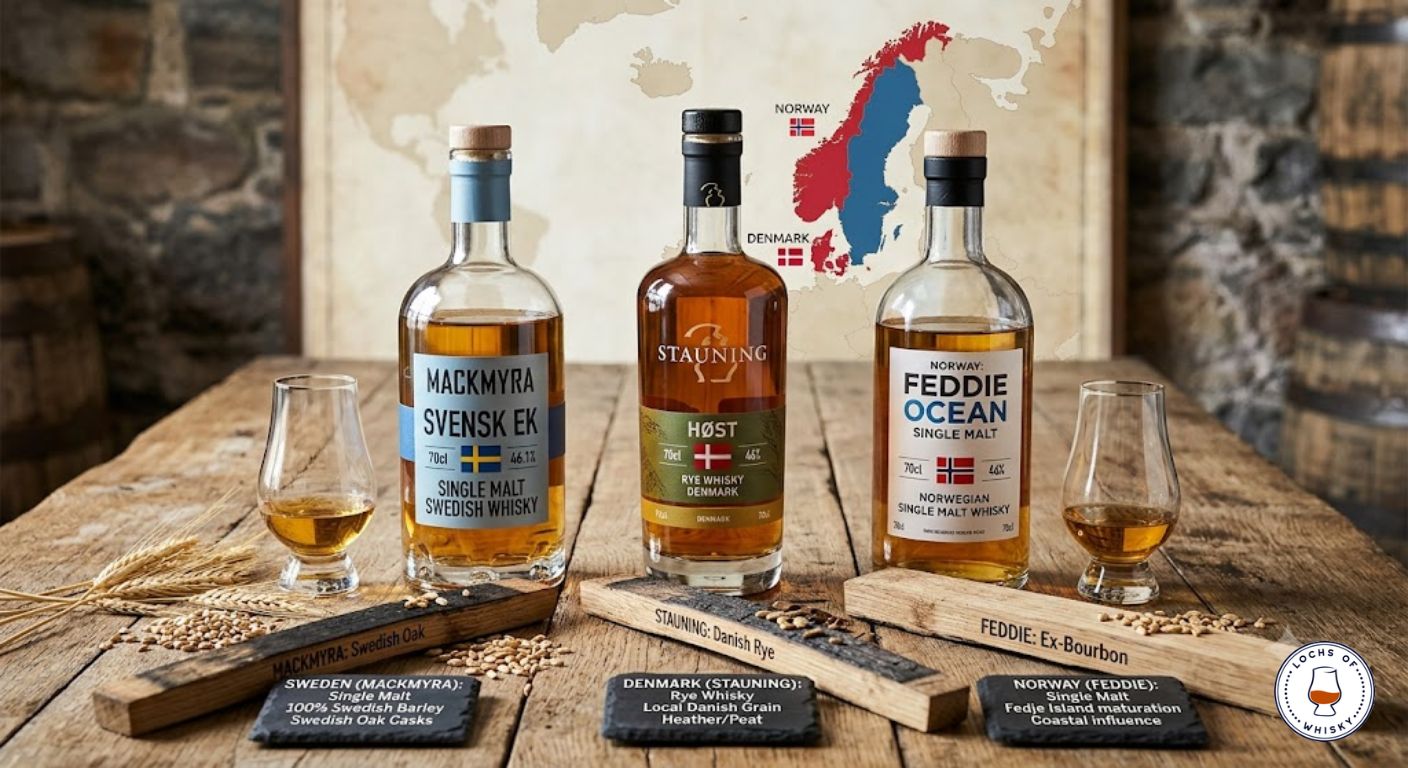
Best Scandinavian Whisky: Sweden, Denmark & Norway
Scandinavian whisky covers a young but serious group of distilleries across Sweden, Denmark and Norway. The main decision for buyers is not whether it tastes like Scotch. It usually does not, and that is the point. The better question is what kind of Scandinavian whisky suits your palate: Swedish single malt with precise cask work, Danish whisky built around local grain and rye, or Norwegian whisky shaped by colder coastal and Arctic maturation.
This guide explains how Scandinavian whisky differs by country, production style, grain choice, maturation climate and buying purpose. It also helps you avoid the common mistakes: assuming all Nordic whisky is light, treating young age statements as a weakness, or buying cask-strength releases without checking the ABV. For current bottle discovery, the natural starting point is our Swedish whisky selection, especially if you want a direct route into one of the most established Scandinavian whisky regions.
What Is Scandinavian Whisky?
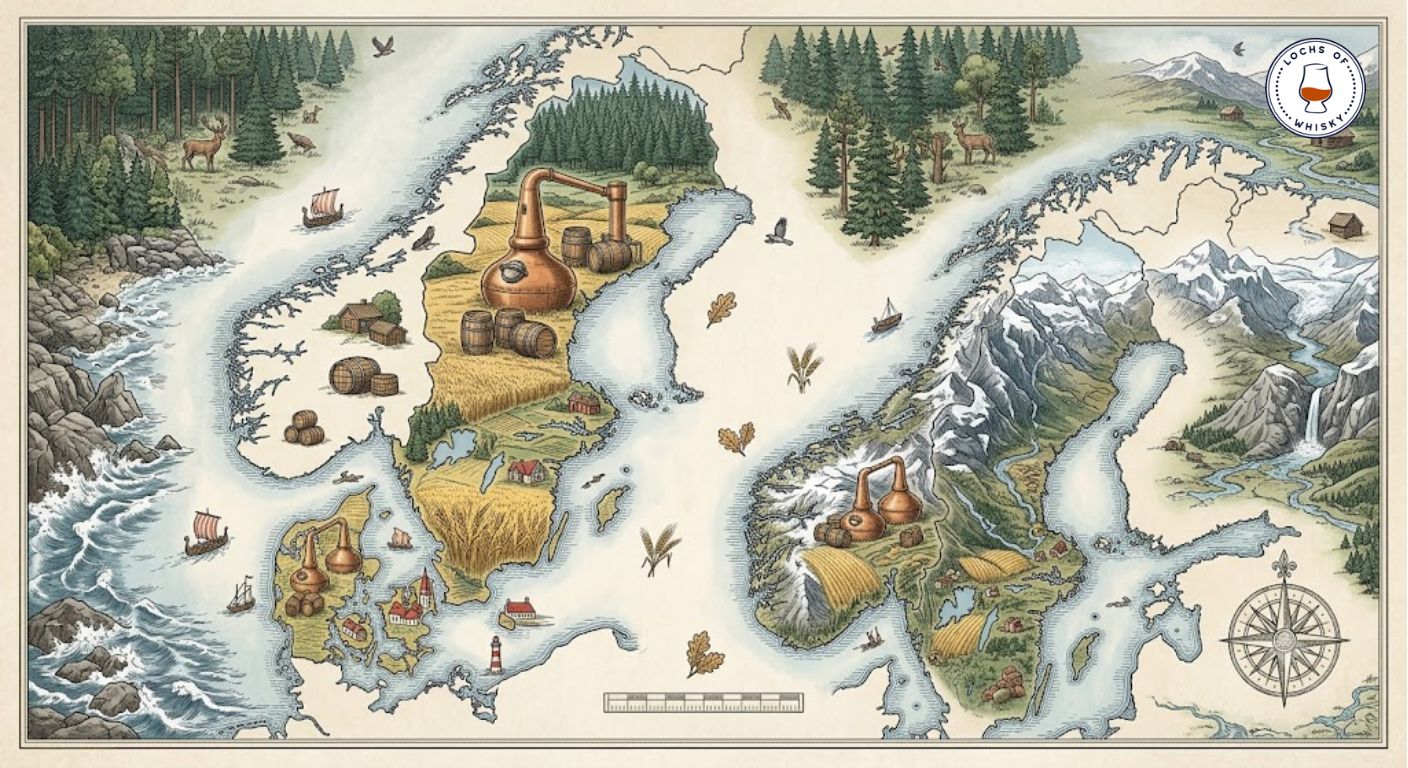
Scandinavian whisky is whisky made in Sweden, Denmark and Norway, usually using local grain, small-batch production, experimental cask work and maturation shaped by northern climates. It sits within the wider Nordic whisky category, but this guide focuses specifically on the three Scandinavian countries rather than Finland, Iceland or the Faroe Islands.
The category is young compared with Scotch, Irish whiskey or American bourbon. That matters because there is less inherited convention. Scandinavian distillers often work with barley, rye, wheat, local peat, unusual warehouses, direct-fired stills and cask finishes that would feel less common in traditional Scotch production.
The result is not one single flavour profile. A Swedish single malt can be clean, fruity and oak-led. A Danish rye whisky may be cereal-rich, spicy and textural. A Norwegian malt can feel coastal, mineral, smoky or unusually mature for its age because of cold-climate cask interaction.
How Scandinavian Whisky Differs From Scotch
Scandinavian whisky differs from Scotch mainly through grain choice, production freedom, maturation climate and local identity. Scotch whisky is tightly regulated by long-established rules. Scandinavian producers still follow whisky fundamentals, but they have more room to build flavour around local cereals, rye, smoke sources, warehouse conditions and experimental cask finishes.
Scotch is often organised around region, age, distillery character and cask type. Scandinavian whisky is more often understood through producer philosophy. The questions become more specific:
- Is the whisky barley-based, rye-based or mixed grain?
- Was it matured in bourbon, sherry, wine, virgin oak or unusual casks?
- Was it aged in a cold warehouse, underground site, coastal climate or Arctic setting?
- Is it bottled at 40–46% ABV, or at cask strength above 55%?
- Does the distillery use local grain, floor malting, direct fire or organic farming?
That makes Scandinavian whisky more technical to buy than many entry-level Scotch bottles. Age alone is a poor guide. A young Scandinavian whisky at 48–58% ABV from active casks can be more intense than an older 40% Scotch from tired oak. Our customers often underestimate this: the ABV matters more than the age statement when you are buying your first bottle from a newer Nordic distillery.
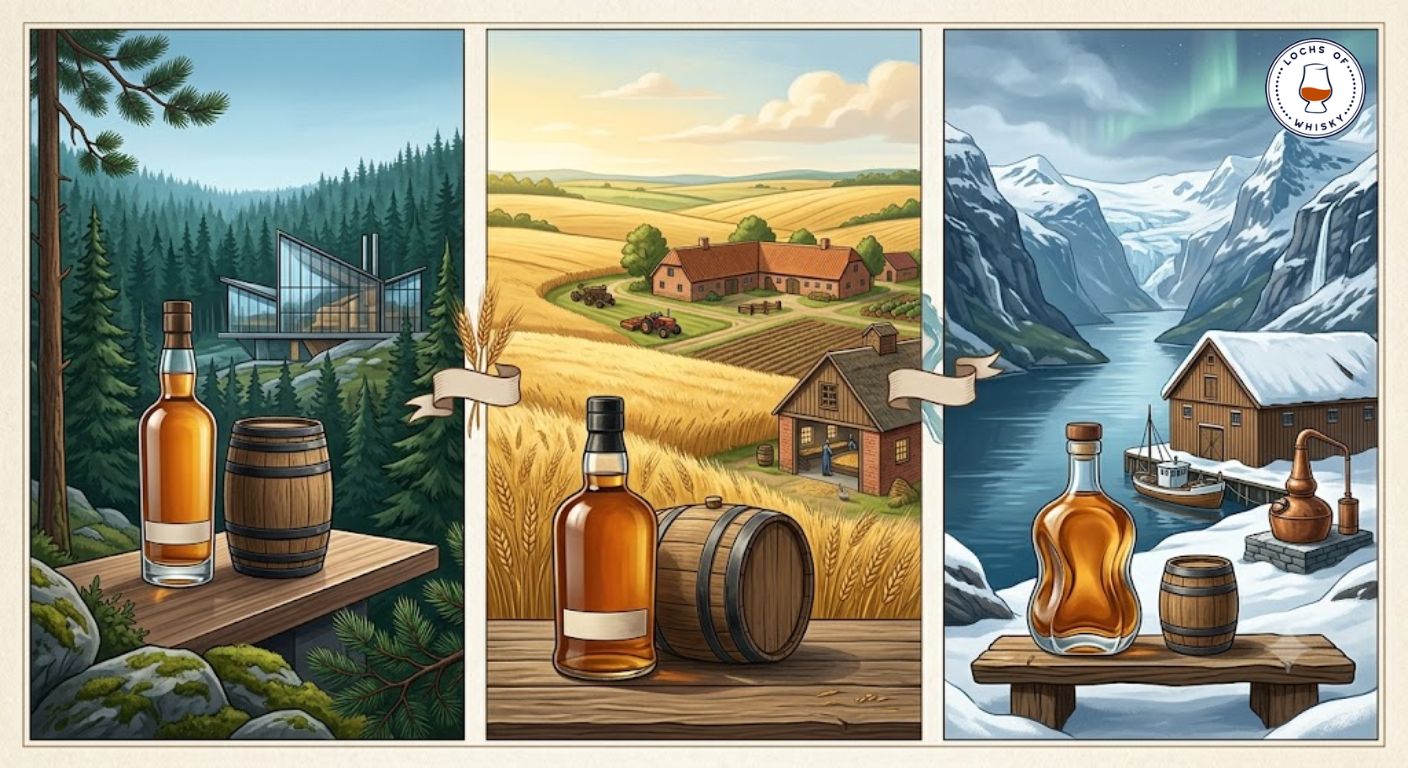
Swedish Whisky: The Most Established Scandinavian Starting Point
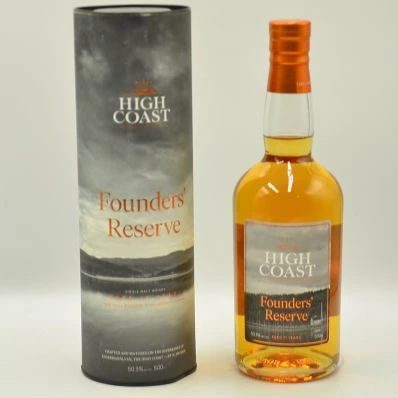
Sweden is the easiest Scandinavian whisky region for most buyers to understand because it has a stronger single malt identity and broader international recognition. Swedish producers often combine clean spirit, careful wood policy and technical transparency. Many releases sit in the 46–50% ABV range, though cask-strength bottlings are also common.
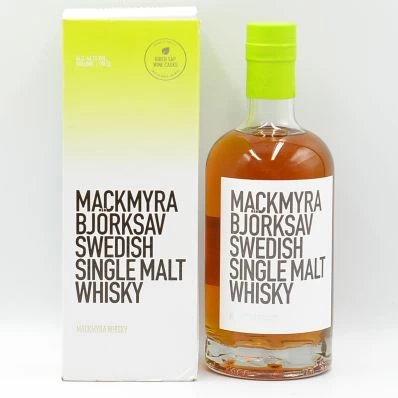
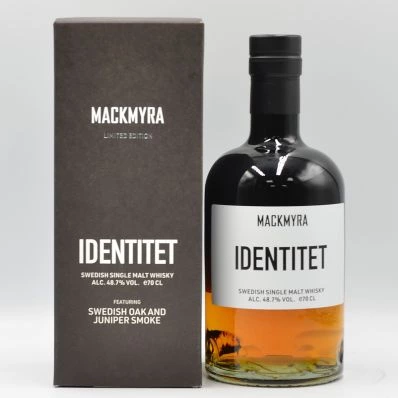
Mackmyra is one of the key names because it helped define modern Swedish whisky. Its importance is not just historical. Mackmyra also became known for innovative maturation, including its gravity distillery approach and willingness to use Swedish oak, unusual casks and local flavour references without simply copying Scotch templates.
For buyers, Swedish whisky usually suits three groups:
- Scotch drinkers moving into world whisky: look for Swedish single malt around 46% ABV with bourbon or sherry cask influence.
- Collectors of modern world whisky: focus on limited releases, discontinued bottlings and distillery-led series.
- Flavour-led drinkers: consider Swedish oak, wine casks or higher-strength releases if you already enjoy bolder cask influence.
Swedish whisky is also where the commercial path is clearest. It belongs within the broader world whisky category, but it has enough identity to stand on its own as a focused buying area rather than a miscellaneous import.
Danish Whisky: Rye, Local Grain And Defined Authenticity
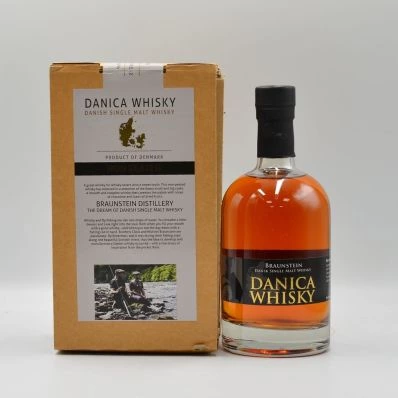
Danish whisky is increasingly defined by local grain, farm-level production and a clearer national identity. It is especially important for rye whisky, single-estate production and distilleries that treat cereals as the centre of the style rather than just raw material.
Thy is a useful reference point because it connects Danish whisky with farming, grain growing and production transparency. This kind of producer is important because it shows why Danish whisky should not be judged only against Scotch single malt. The grain character can be more central, and the production story often sits closer to agriculture than to inherited whisky region branding.
Danish whisky also has a formalising identity. The Danish Whisky Manifesto sets out principles for “Authentic Danish Whisky”, including production in Denmark, maturation in Denmark for at least three years, transparency around cereal origin and no added colourants, flavourings or sweeteners. From 2030, Danish whisky using the authentic label is expected to use cereals of certified Danish origin unless other origins are clearly stated. The Danish Spirits organisation outlines the manifesto as a shared commitment to origin, transparency and re-thinking tradition in Danish whisky: Danish Whisky Manifesto.
4 Requirements For Authentic Danish Whisky
- It must be mashed, fermented and distilled in Denmark.
- It must be aged in Denmark for at least three years.
- It must clearly disclose cereal origin, with certified Danish cereals becoming central from 2030.
- It must not use added colourants, flavourings or sweeteners.
For buyers, Danish whisky is strongest when you are interested in grain character. If you like rye spice, bread-like cereal notes, dry texture or farm-led production, Denmark is often more relevant than Sweden. If you prefer soft fruit, vanilla and familiar malt structure, Sweden may be the easier first step.
Norwegian Whisky: Arctic Maturation And Coastal Identity
Norwegian whisky is less familiar to many UK buyers, but it is one of the most distinctive areas within Scandinavian whisky. The country’s whisky identity is closely tied to climate, coastline, remote maturation and cold-weather cask behaviour.
Bivrost is one of the clearest examples of Norway’s northern whisky identity. Its Arctic association matters because maturation conditions are not neutral. Cold storage, long winters, seasonal variation and coastal influence can change how spirit interacts with oak, especially when compared with warmer climates such as Kentucky, Taiwan or India.
Norwegian whisky is usually best approached by drinkers who already enjoy one or more of the following:
- coastal Scotch from regions such as Campbeltown, Islay or the Islands;
- higher-strength single malts with firm oak structure;
- young but characterful world whisky;
- distillery stories based on place, climate and production environment.
The key buying caution is price. Small production, export cost and limited allocation can make Norwegian whisky expensive relative to age. Do not judge value only by years in cask. Judge it by ABV, cask type, production scale, release size and whether the bottle offers a flavour profile you cannot easily get from Scotch.
Key Scandinavian Whisky Styles To Know
Scandinavian whisky is easier to buy when you separate it by style rather than by country alone.
Single Malt Scandinavian Whisky
Single malt is the most familiar route for Scotch drinkers. It is made from malted barley at one distillery and often carries the clearest distillery character. Look for 46% ABV or above if you want texture and flavour concentration. Bottles at 40–43% ABV may be softer, but they can feel light if the cask influence is subtle.
Rye-Based Scandinavian Whisky
Rye is especially important in Denmark and Finland, though Finnish whisky sits outside this Scandinavian-focused guide. Rye-based whisky can bring spice, dry grain, dark bread, herbal notes and firmer texture. It is not always sweet in the same way as American rye whiskey. Danish rye can feel more cereal-led and less vanilla-heavy.
Cask-Strength Releases
Cask-strength Scandinavian whisky can sit above 55% ABV. These bottles are often aimed at enthusiasts rather than casual drinkers. They can be excellent, but only if you are comfortable adding water and reading cask details. If you normally drink 40% whisky neat, do not treat a 58% Nordic release as a direct equivalent.
Wine, Sherry And Experimental Cask Finishes
Scandinavian distillers often use active casks to build flavour quickly. Sherry, wine, virgin oak, beer, fortified wine and unusual finishes can all appear. These are not automatically better. A strong finish can dominate a young spirit. Choose them when you want cask impact; avoid them if you are trying to understand the distillery’s base style.
How Climate Affects Scandinavian Whisky Maturation
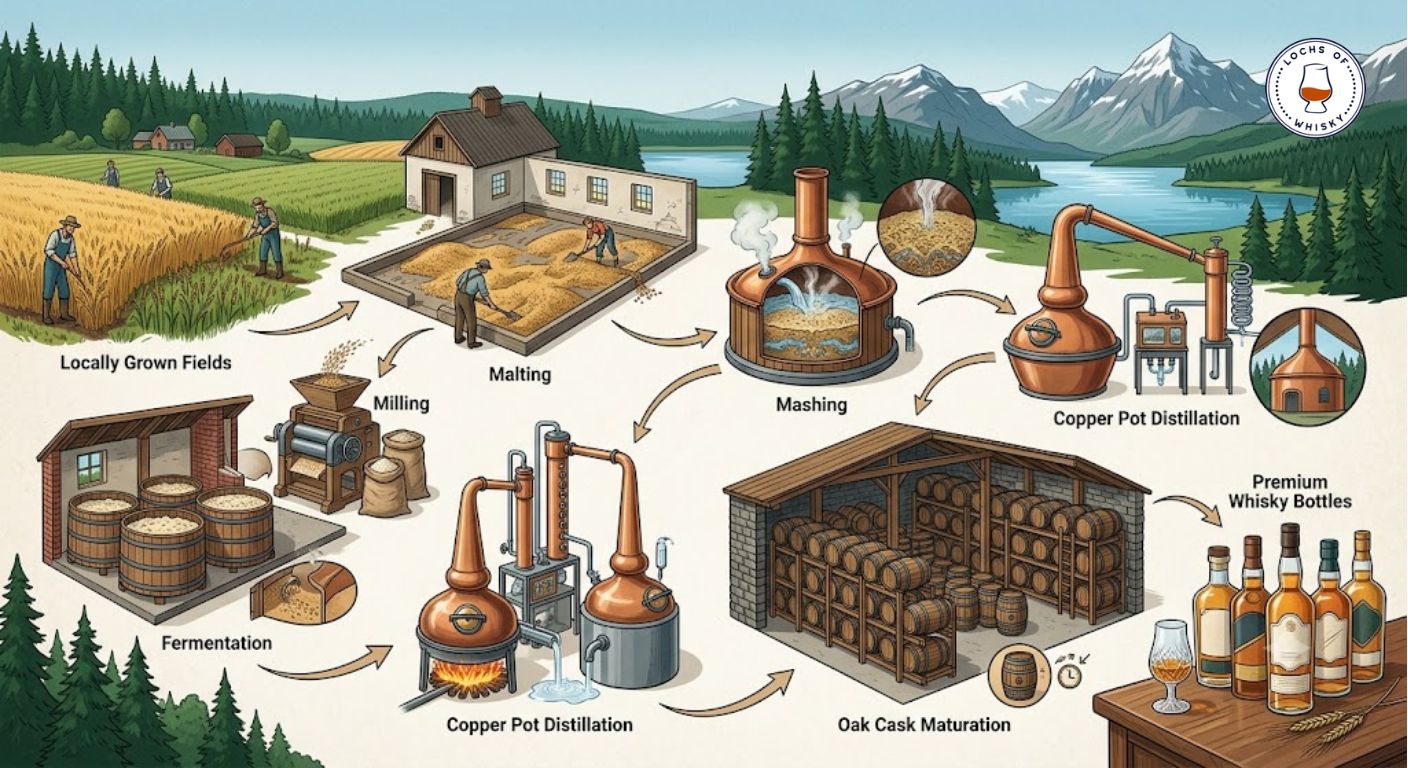
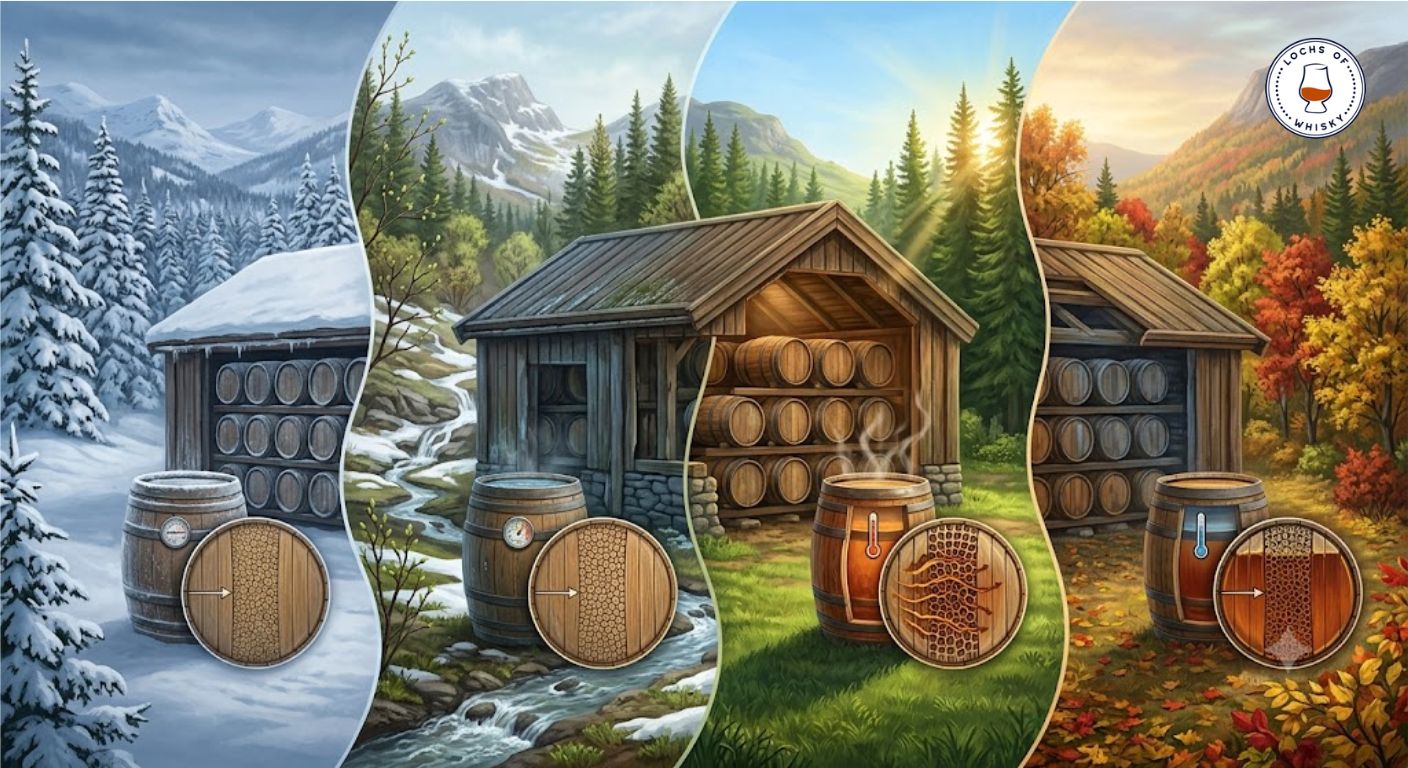
Climate has a direct effect on maturation. In Scandinavia, long winters, cool warehouses, large seasonal swings and coastal humidity can all affect the rhythm of cask interaction. This does not simply “speed up” ageing. It changes the way spirit moves into and out of oak over time.
Compared with hotter climates, Scandinavian whisky often develops more slowly. That can preserve spirit character, grain detail and freshness. In more variable warehouses, seasonal change can increase oak activity during warmer periods while retaining structure during cold periods. Some producers also use unusual maturation sites, including mines, bunkers, islands and remote warehouses.
The buyer rule is simple: climate can make a young whisky interesting, but it does not make every young whisky mature. Check the cask type, ABV and producer reputation before assuming a three- or four-year-old release will taste older than it is.
Best Scandinavian Whisky By Buyer Type
There is no single best Scandinavian whisky for everyone. The right choice depends on what you already drink and what you want the bottle to do.
| Buyer Type | Best Starting Point | What To Check |
|---|---|---|
| New to Scandinavian whisky | Swedish single malt | 46% ABV, bourbon or sherry cask, clear distillery name |
| Scotch drinker | Swedish or Norwegian malt | Cask type, peat level, ABV |
| Rye whisky drinker | Danish rye whisky | Mash bill, grain source, age statement |
| Collector | Limited distillery releases | Release size, bottling year, discontinued status |
| Cask-strength drinker | High-strength single cask or batch release | ABV, cask type, whether water is needed |
Decision Logic: Which Scandinavian Whisky Should You Buy?
If you want the safest first bottle, choose Swedish single malt around 46% ABV. It gives you a clear introduction without pushing too far into rye, smoke or experimental casks.
If you already enjoy sherry-cask Scotch, choose a Scandinavian single malt with sherry maturation or finish. Check whether it is full maturation or a finish. A finish can be excellent, but it usually gives a different depth from long-term sherry cask ageing.
If you like rye bread, spice, dry texture or grain-forward whisky, choose Danish rye or Danish grain-led whisky. This is where Scandinavian whisky feels least like Scotch and most like its own category.
If you want place-driven whisky, consider Norwegian releases from northern or coastal producers. These bottles are often bought for their climate, location and production identity as much as their age statement.
If your budget is £30–60, be selective. Scandinavian whisky can sit above this range because production is small and export costs are higher. Avoid buying only on novelty. Look for a recognised distillery, clear ABV, stated cask type and a style you already know you enjoy.
If your budget is £70–120, you have more serious options. This is where cask-strength releases, limited bottlings and stronger distillery character become more realistic. At this level, do not ignore the details. The gap between a good bottle and an overpriced curiosity is usually found in the cask information.
If you are buying as a gift, avoid obscure high-strength bottles unless the recipient is an enthusiast. A well-presented Swedish single malt or Danish whisky with clear provenance is usually safer than a 60% ABV experimental cask.

Common Mistakes When Buying Scandinavian Whisky
- Using Scotch age expectations: a young Scandinavian whisky may still be serious, but youth is not automatically a virtue.
- Ignoring ABV: many releases are stronger than standard supermarket whisky.
- Assuming “Nordic” means one style: Swedish, Danish and Norwegian whisky can be very different.
- Buying only for novelty: production detail matters more than country alone.
- Overlooking grain: rye, barley, wheat and mixed mash bills change the whisky significantly.
FAQ
What is the difference between Nordic whisky and Scotch?
Nordic whisky is usually less restricted by long-established regional tradition. It often uses local barley, rye, unusual maturation sites, experimental casks and producer-specific methods. Scotch is more tightly regulated and usually understood through region, distillery, age and cask type. Nordic whisky is better judged through grain, climate, ABV and producer approach.
Is Scandinavian whisky good?
Yes, the strongest Scandinavian whiskies are serious world whiskies, especially from established Swedish, Danish and Norwegian producers. Quality varies because the category is young and production is often small. Do not buy on country alone. Check the distillery, ABV, cask type, maturation detail and whether the style suits your palate.
Which country makes the best Scandinavian whisky?
Sweden is the safest starting point for most buyers because it has the most established single malt identity. Denmark is strongest for grain-led and rye-influenced whisky. Norway is best for drinkers interested in Arctic, coastal and climate-shaped maturation. The best country depends on whether you prefer malt, rye or place-driven whisky.
Is Scandinavian whisky expensive?
It can be. Small production, limited distribution and specialist maturation often push prices above standard Scotch blends or entry-level single malts. Expect many credible bottles to sit around £60–120. At higher prices, check release size, ABV, cask type and producer reputation before assuming the bottle is good value.
Does Scandinavian whisky have age statements?
Some bottles do, but many are NAS or relatively young. This is common in newer whisky regions. Age statements are useful, but they are not the only quality signal. For Scandinavian whisky, ABV, cask quality, grain type and maturation environment can be just as important as the number of years in wood.
What Scandinavian whisky should a Scotch drinker try first?
A Scotch drinker should usually start with Swedish single malt around 46% ABV, especially one matured in bourbon or sherry casks. It gives familiar malt structure while still showing Scandinavian production character. If you enjoy coastal Scotch, Norwegian whisky may also be a logical next step.
Summary: How To Choose Scandinavian Whisky
- Start with Sweden if you want the most accessible route into Scandinavian single malt.
- Choose Denmark if you care about rye, local grain, farm production and cereal character.
- Choose Norway if you want coastal, Arctic or climate-shaped whisky identity.
- Check ABV first because many serious releases sit above 46%, with some above 55%.
- Do not judge only by age; cask type, grain and maturation site are critical.
- Avoid novelty buying; country of origin is not enough without production detail.
The simplest shortcut is this: choose Swedish single malt for a safe first bottle, Danish rye or grain whisky for something more distinctive, and Norwegian whisky when you want the maturation environment to be part of the bottle’s identity. For broader discovery across non-Scotch styles, the full world whisky range is the natural place to compare Scandinavian whisky with other modern whisky regions.

Comments