
 Chat with us on WhatsApp

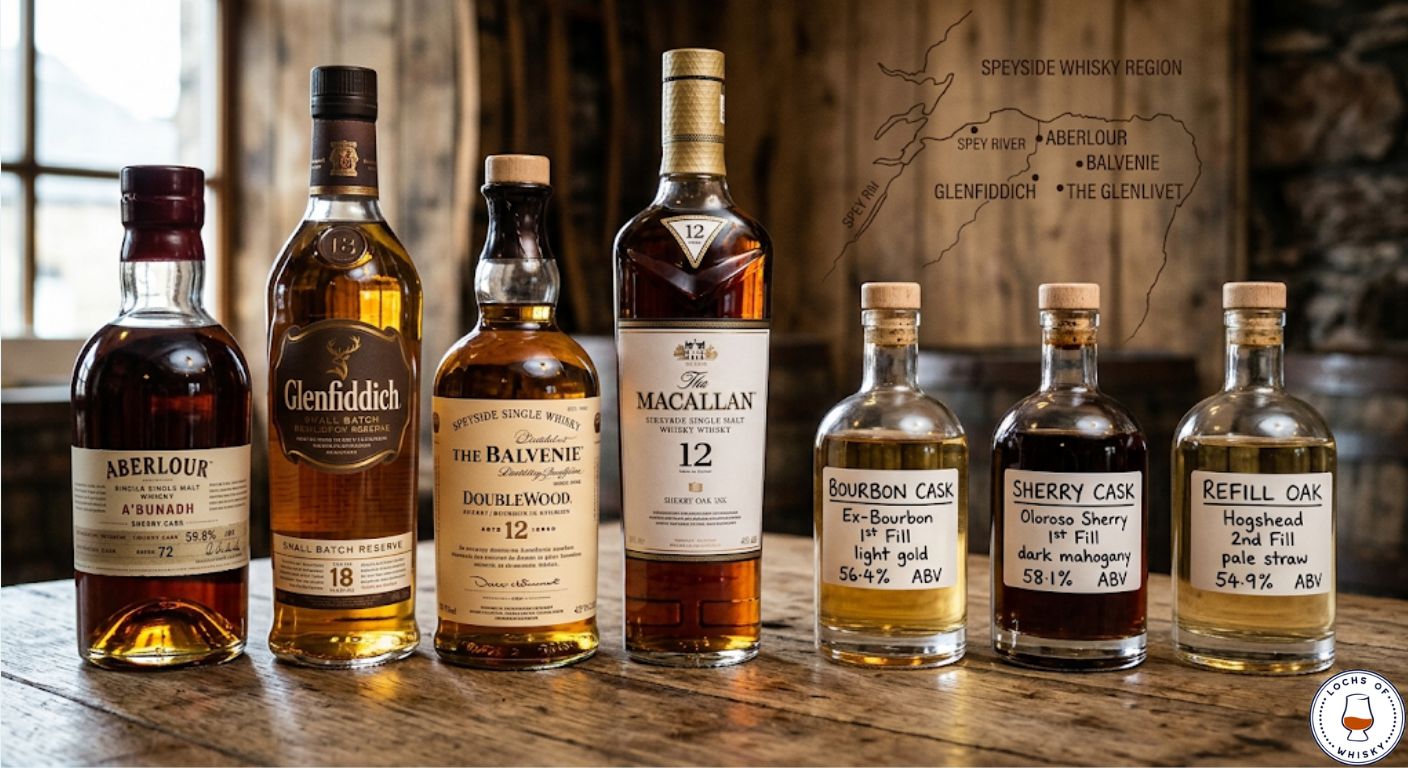
Best Speyside Whisky
Speyside whisky is Scotch whisky made in Scotland’s Speyside region, an area known for a high concentration of distilleries and a house style often built around orchard fruit, honey, vanilla, malt, soft spice and sherry-cask richness. The best Speyside whisky for you depends less on the brand name and more on four practical factors: cask type, age statement, ABV and flavour weight.
This guide explains how to choose Speyside whisky properly. It covers beginner bottles, sherry-cask styles, lighter fruit-led malts, richer drams, peated exceptions, price tiers and the common mistakes buyers make when comparing bottles. Most people looking for a reliable starting point do best with a balanced Speyside single malt between 40–46% ABV, especially from bourbon, sherry or mixed-cask maturation.
For current bottles, you can browse the full Speyside Whisky selection, but the buying logic below should come first.
-
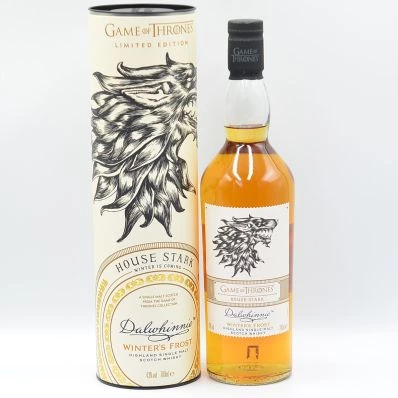 Game Of Thrones Whisky Dalwhinnie Winter's Frost House StarkSpecial Price £104.98 Regular Price £134.99 Inc VATSaving £30.01Out of stock
 -
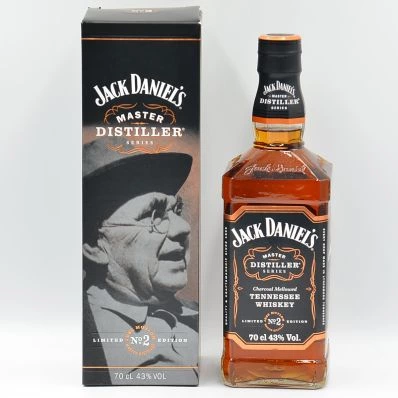 Jack Daniel's - Master Distiller Batch 2 Jess Motlow Limited Edition Bourbon Whiskey£164.99 Inc VATOut of stock
 -
-
-
-
-
-
-
-
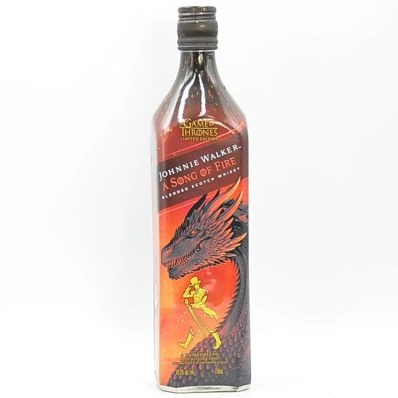 Game of Thrones Whisky Johnnie Walker A Song Of FireSpecial Price £139.98 Regular Price £144.99 Inc VATSaving £5.01
 -
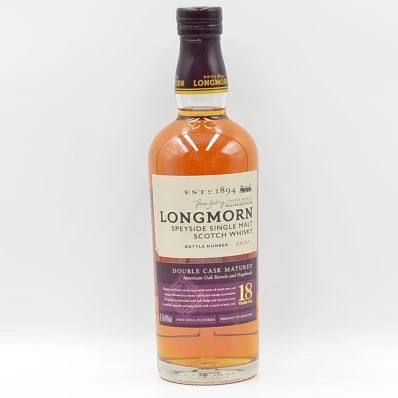

What Is Speyside Whisky?
Speyside whisky is Scotch whisky produced in the Speyside region of north-east Scotland, around the River Spey. It is one of the recognised Scotch whisky regions and is known for elegant, fruit-led single malts, often showing apple, pear, honey, vanilla, malt, dried fruit and sherry-cask spice.
Speyside sits geographically within the wider Highlands, but it is treated as its own whisky region because its distillery density and flavour identity are distinct. The Scotch Whisky Association lists Speyside as one of the five Scotch whisky regions, alongside Highland, Lowland, Islay and Campbeltown.
The most important thing to understand is that Speyside is not one flavour. It has a recognisable centre of gravity, but the region covers several styles:
- Light, grassy and orchard-fruit driven
- Honeyed and vanilla-led
- Rich sherry-cask whisky
- Robust, meaty and sulphury styles
- Occasional peated Speyside malts
- Rare, closed-distillery and independent bottlings
That range is why Speyside works well as a starting point for newer whisky drinkers, but also remains important for experienced collectors.
Speyside Whisky Flavour Profile
Most Speyside whisky sits somewhere between soft fruit, malt sweetness and cask-driven richness. Common flavours include apple, pear, honey, vanilla, caramel, orange peel, raisins, sultanas, cinnamon, nutmeg, toasted oak and milk chocolate.
A lighter Speyside whisky will often lean towards:
- Green apple
- Pear
- Lemon zest
- Vanilla
- Fresh malt
- Light honey
- Gentle oak
A richer Speyside whisky will usually show:
- Raisins
- Dates
- Fig
- Orange peel
- Dark chocolate
- Cinnamon
- Clove
- Polished oak
A heavier Speyside whisky may bring:
- Nutty malt
- Leather
- Tobacco
- Meaty notes
- Dense sherry
- Higher ABV warmth
- A longer, drier finish
This is where cask type matters. Bourbon casks often bring vanilla, coconut, honey and orchard fruit. Sherry casks bring dried fruit, spice, chocolate, darker sweetness and more structure. Refill casks can be subtler and more spirit-led. First-fill casks usually create a stronger wood influence.

Speyside vs Highland Whisky
Speyside whisky is geographically inside the Highlands, but it has its own regional identity. Speyside malts are usually more focused on orchard fruit, honey, malt sweetness and sherry-cask elegance, while Highland whisky covers a broader range, from light floral whisky to coastal, waxy, spicy or fuller-bodied styles.
This distinction matters when buying. A bottle labelled Speyside gives you a narrower expectation than the broader Highland category. A Highland whisky can be delicate, robust, coastal, waxy, smoky or rich depending on location and distillery style. Speyside is more concentrated around fruit-led, elegant and cask-influenced single malt.
If you are comparing regional styles more broadly, use the Scotch Whisky category to separate Speyside from Highland, Islay, Lowland and Campbeltown bottles.
Best Speyside Whisky for Beginners
The best Speyside whisky for beginners is usually a 10 or 12-year-old single malt around 40–43% ABV, matured in bourbon casks, sherry casks or a mix of both. It should be smooth enough to drink neat, but structured enough to show what Speyside whisky actually tastes like.
Good beginner profiles include:
- Glenfiddich-style orchard fruit and malt
- The Glenlivet-style soft fruit and vanilla
- Glen Grant-style freshness
- Speyburn-style value and simplicity
- Benromach-style gentle richness with a traditional edge
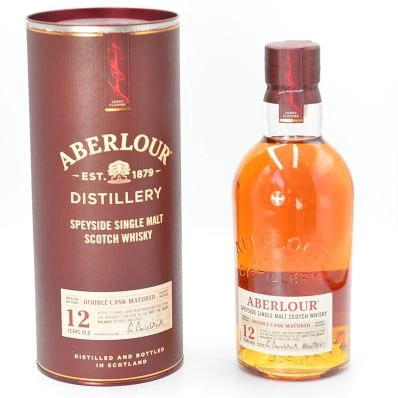
- Aberlour-style sherry sweetness
For a first bottle, avoid jumping straight into cask strength unless you already know you enjoy high-ABV whisky. A 55–60% ABV Speyside can be excellent, but it is not always the best first step. The alcohol strength can dominate the flavour if you are not used to adding water and tasting slowly.
A sensible beginner shortlist would look like this:
| Buyer Type | Best Speyside Style | What To Look For |
|---|---|---|
| New to single malt | 10–12 year old, 40–43% ABV | Fruit, honey, vanilla, gentle oak |
| Likes sweeter whisky | Sherry-influenced Speyside | Raisins, orange peel, chocolate |
| Wants value | 10 year old or no-age-statement core malt | Clear cask style, moderate ABV |
| Wants more intensity | 46% non-chill filtered whisky | More texture and flavour weight |
| Already drinks cask strength | Sherry cask or single cask Speyside | 55%+ ABV, add water gradually |
Best Sherry Cask Speyside Whisky
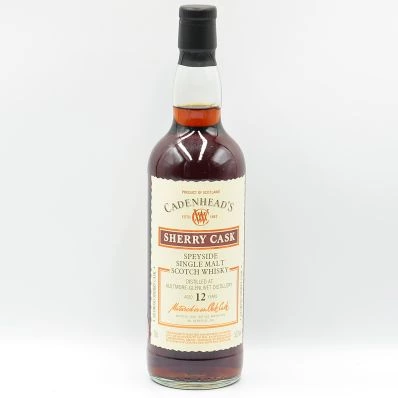
Sherry-cask Speyside whisky is one of the region’s major buying categories. These whiskies usually show dried fruit, orange peel, spice, chocolate, dark sugar and richer oak. The most common sherry styles are Oloroso, Pedro Ximénez and mixed sherry-seasoned oak.
If you like a fuller Speyside whisky, sherry cask influence is usually the right place to start. Macallan, Aberlour, GlenAllachie, Glenfarclas and Tamdhu are commonly associated with richer sherry-led Speyside styles. Some bottles are fully matured in sherry casks; others are finished in sherry casks after initial maturation in bourbon wood.
That distinction matters. Full sherry maturation generally gives deeper integration and more structure. A sherry finish can add a sweeter top layer without making the whole whisky as dense or expensive.
The question our customers often ask is whether a sherry-cask finish is the same as full sherry maturation. It is not, and the difference shows up in both flavour and price.
Use this rule:
- Choose full sherry maturation if you want depth, spice, dried fruit and weight.
- Choose sherry finish if you want sweetness without too much heaviness.
- Choose mixed cask maturation if you want balance between fruit, vanilla and spice.
- Choose cask strength sherry Speyside only if you are comfortable adding water.
A classic sherry-cask Speyside profile will suit drinkers who like Christmas cake, raisins, orange peel, dark chocolate and warm spice. A lighter bourbon-led Speyside will suit drinkers who prefer apple, pear, vanilla and honey.
Are There Peated Speyside Whiskies?
Yes, there are peated Speyside whiskies, but they are exceptions rather than the regional norm. Most Speyside whisky is unpeated or very lightly smoky. Peated Speyside malts are usually positioned as rule-breakers, often showing gentle smoke alongside fruit, malt sweetness and cask spice rather than the medicinal peat associated with Islay.
Benromach Peat Smoke and some Benriach peated releases are common examples. These bottles can work well for drinkers who want smoke without the iodine, seaweed or medicinal edge often found in heavier coastal peated whisky.
Peated Speyside can be a useful bridge style. It gives you smoke, but usually keeps more orchard fruit and malt sweetness in the foreground. If you dislike aggressive peat but want more structure than a soft beginner malt, this category is worth considering.
Best Speyside Whisky Under £50
The best Speyside whisky under £50 is usually a 10 or 12-year-old expression from an established distillery, bottled around 40–46% ABV. Look for clear cask information, a balanced flavour profile and enough structure to avoid thinness.
Under £50, the safest buying logic is:
- Choose 10–12 year old age statements for reliability.
- Choose 40–43% ABV for easy drinking.
- Choose 46% ABV if you want more weight and texture.
- Avoid unknown high-ABV bottles unless you understand the distillery and cask type.
- Do not assume older is always better if the casks are inactive.
At this level, you are usually choosing between approachability and flavour intensity. A lower-ABV core bottle may be smoother and easier to drink. A 46% bottle may show more texture, more oak, and a longer finish, but can feel less soft.
If the bottle is intended as a gift, a known 12-year-old Speyside is usually safer than a specialist single cask. If it is for someone who already drinks whisky regularly, look for stronger ABV, non-chill filtration, independent bottlings or more specific cask detail.
How Age Statement Affects Speyside Whisky
Age statement tells you the youngest whisky in the bottle. A 12-year-old Speyside contains whisky that has matured for at least 12 years. It does not automatically mean the bottle is better than a younger whisky, but it gives useful information about maturity, oak influence and price.
Typical Speyside age tiers:
| Age Statement | Usual Style | Best For |
|---|---|---|
| No age statement | Brand-led house style | Casual drinking, gifts, accessible prices |
| 10 years | Fresh, malty, lighter | Value and everyday drinking |
| 12 years | Balanced fruit, malt and oak | Beginners and reliable gifting |
| 15 years | More cask influence and depth | Drinkers wanting richer flavour |
| 18 years | Older oak, dried fruit, polish | Premium gifting and slower sipping |
| 21+ years | Collectible, complex, expensive | Experienced drinkers and collectors |
Age matters most when combined with cask quality. A well-made 10-year-old from active wood can be more enjoyable than an 18-year-old from tired casks. Older whisky can also become too oak-led if maturation is not well controlled.
For most buyers, 12 years is the practical benchmark. It gives enough maturity to soften the spirit while keeping the fruit and malt character clear.
ABV: Why Strength Changes The Buying Decision
ABV is one of the most overlooked parts of buying Speyside whisky. Standard bottles are often 40–43% ABV. More flavour-focused releases are often 46%. Cask-strength bottles can sit around 55–60% ABV or higher.
The buying rule is simple:
- 40–43% ABV: easiest to drink, common for beginner and gift bottles.
- 46% ABV: better texture, often more flavour, usually a strong choice for enthusiasts.
- 50%+ ABV: more intensity, needs slower drinking and often benefits from water.
- 55–60% ABV: cask strength, powerful and not ideal for every buyer.
Higher ABV does not automatically mean better whisky. It means more concentration and more alcohol presence. Some bottles carry it beautifully. Others feel hot and unbalanced.
If you are buying for someone else, 40–46% is usually the safest range. If you are buying for yourself and already enjoy stronger whisky, a cask-strength Speyside can offer excellent value because you can adjust it with water.
Cask Type: The Fastest Way To Predict Flavour
Cask type is often more useful than age when predicting how a Speyside whisky will taste. The same distillery can produce completely different results depending on whether the whisky was matured in bourbon barrels, sherry butts, wine casks, rum casks or refill oak.
Common Speyside cask types:
| Cask Type | Likely Flavours | Best For |
|---|---|---|
| Bourbon cask | Vanilla, honey, coconut, apple, pear | Lighter Speyside drinkers |
| Sherry cask | Raisin, fig, orange peel, spice, chocolate | Richer whisky drinkers |
| Refill cask | Malt, orchard fruit, subtle oak | Spirit-led whisky |
| First-fill cask | Stronger wood, sweetness, spice | Bigger flavour |
| Wine cask | Red fruit, tannin, spice | More experimental drinkers |
| Rum cask | Brown sugar, tropical fruit, sweetness | Sweeter whisky drinkers |
If you are unsure, choose mixed-cask maturation. It gives balance without forcing you into one flavour direction.
Independent Bottlers And Rare Speyside Whisky
Independent bottlers are important in Speyside because they often release single casks, small batches and distillery styles that differ from official core ranges. These bottles can be excellent, but they require more careful buying.
Independent bottlings may vary by:
- Distillery
- Vintage
- Age
- Cask type
- Cask number
- Bottling strength
- Outturn size
- Filtration and colouring policy
They are especially useful for closed or less common Speyside distilleries. For example, Imperial and Convalmore are not everyday supermarket names, but they matter to collectors because closed-distillery stock is finite. Braes also sits in the category of Speyside names that can appeal to buyers looking beyond the obvious household distilleries.
Independent bottlings are not always better than official bottlings. They are more specific. A single cask can be outstanding, unusual, demanding or unbalanced. Read the ABV and cask type before the age statement.
If you are buying rare Speyside whisky, the key questions are:
- Is the distillery still active?
- Is the bottling official or independent?
- What is the cask type?
- What is the ABV?
- How many bottles were released?
- Is it for drinking, gifting or collecting?
Speyside Whisky Price Tiers
Speyside covers a wide price range. A reliable everyday bottle can sit under £50, while old and rare Speyside can reach hundreds or thousands of pounds.
Use price tiers like this:
| Price Range | What To Expect | Best Use |
|---|---|---|
| £25–£40 | Entry-level, simple, approachable | First bottle, casual drinking |
| £40–£60 | Better 10–12 year old options | Reliable gifts, better daily drams |
| £60–£100 | More cask detail, higher ABV, richer styles | Enthusiast buying |
| £100–£200 | Older age statements, stronger cask influence | Premium gifts, serious sipping |
| £200+ | Rare, older, single cask or collectible | Collectors and special occasions |
If your budget is £30–60, avoid choosing purely by age or packaging. Look for a clear flavour direction. A 12-year-old bourbon-and-sherry matured Speyside is usually safer than a vague premium-looking bottle with no clear cask information.
If your budget is £100–200, check whether you are paying for age, rarity, cask quality or brand prestige. These are not the same thing.
If your budget is over £200, condition, provenance, fill level, packaging and release details start to matter more, especially for old and rare bottles.
How To Taste Speyside Whisky
Use a simple three-part method: nose, palate and finish. First, smell gently for fruit, malt, cask sweetness and alcohol heat. Then take a small sip and let it sit before judging sweetness, texture and spice. Finally, note what remains after swallowing: fruit, oak, warmth, smoke or dryness.
- Nose: Smell gently rather than deeply. Speyside whisky often shows apple, pear, honey, vanilla, raisin, orange peel or spice before you taste it.
- Palate: Take a small sip. Look for texture first, then flavour. Is it light and clean, oily and rich, sweet and rounded, or dry and spicy?
- Finish: Judge what remains. A short finish may suit casual drinking. A longer finish usually matters more for sipping and premium bottles.
Add a few drops of water if the whisky feels tight, hot or closed. This is especially useful above 46% ABV.
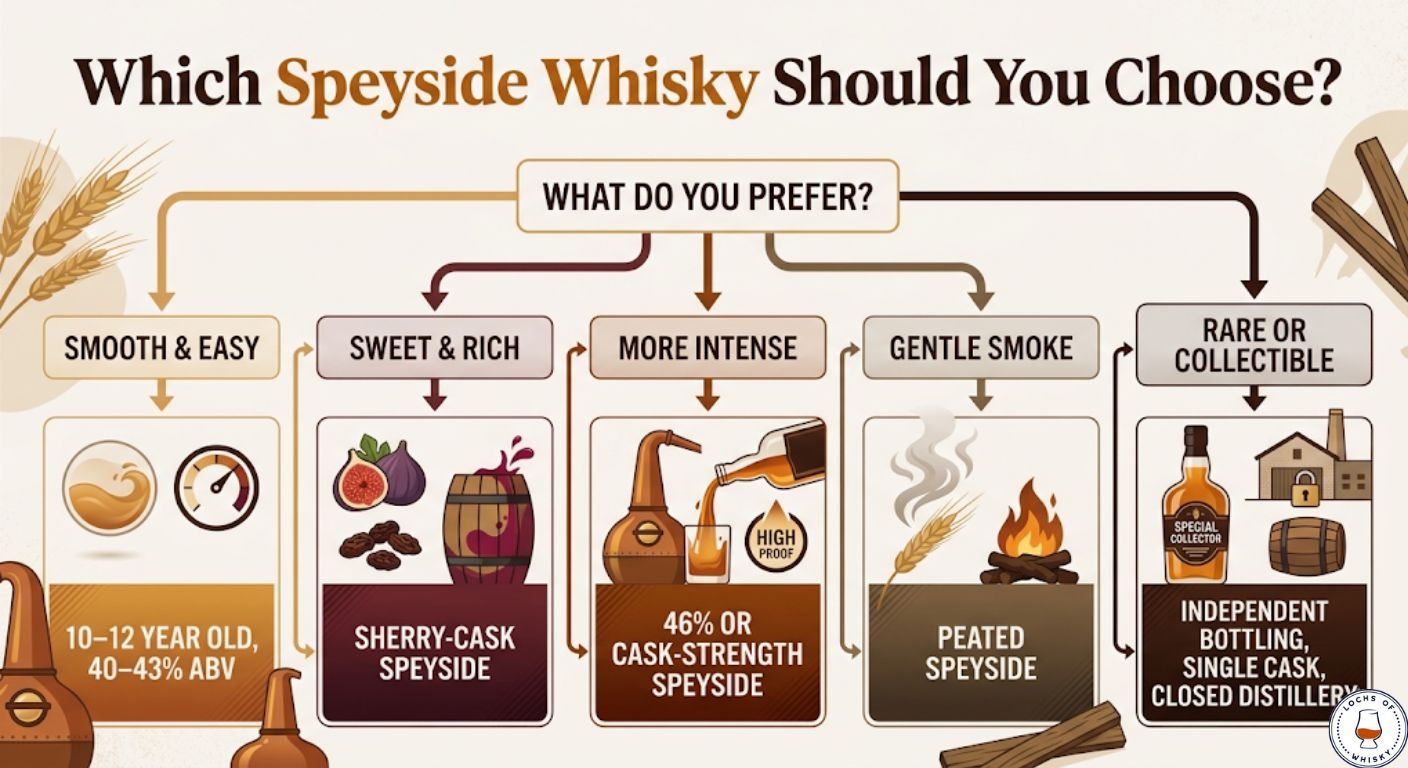
Decision Logic: Which Speyside Whisky Should You Choose?
If you are new to Speyside whisky, start with a 10 or 12-year-old single malt around 40–43% ABV. Look for apple, pear, honey, vanilla and light oak.
If you want a richer bottle, choose sherry-cask Speyside. Look for Oloroso, Pedro Ximénez, European oak, dried fruit, chocolate and warm spice.
If you want the best value, stay around £40–60 and prioritise cask information over packaging. A clear 10 or 12-year-old can outperform a vague premium bottle.
If you are buying a gift, choose a recognised Speyside style at 40–46% ABV. Avoid cask strength unless the recipient already drinks high-strength whisky.
If you dislike smoke, stay with classic unpeated Speyside. Most bottles will suit you better than Islay-style peat-heavy whisky.
If you want gentle smoke, choose peated Speyside rather than heavily peated coastal whisky.
If you already collect whisky, look at independent bottlings, single casks, closed distilleries and older age statements. Check ABV, outturn and cask type before paying for rarity.
If you want an everyday dram, avoid overpaying for age. Choose balance, drinkability and a flavour profile you will actually return to.
If you are exploring beyond Speyside, compare it with other regional bottles in the wider Scotch whisky range, but keep the flavour expectations separate.
Common Speyside Buying Mistakes
The first mistake is assuming Speyside always means light and smooth. Many Speyside whiskies are gentle, but sherry-cask, cask-strength and meaty styles can be powerful.
The second mistake is buying by age alone. Age tells you time in cask, not cask quality. A younger whisky from active wood can beat an older whisky from tired oak.
The third mistake is ignoring ABV. A 60% cask-strength Speyside is not the same experience as a 40% core bottle from the same distillery.
The fourth mistake is assuming all sherry-cask whisky tastes the same. Oloroso, PX, full maturation and finishing all produce different results.
The fifth mistake is buying rare whisky without checking whether the value comes from quality, scarcity, age, distillery status or packaging.
FAQ
What is the best Speyside whisky for beginners?
The best Speyside whisky for beginners is usually a 10 or 12-year-old single malt at 40–43% ABV. Look for orchard fruit, honey, vanilla, malt sweetness and gentle oak. Avoid cask-strength bottles for a first purchase unless you already enjoy stronger whisky and know how to add water.
Is Speyside whisky always smooth?
Speyside whisky is often smooth and approachable, but not always. Lighter bourbon-cask bottles tend to be soft and fruit-led, while sherry-cask, cask-strength and independent bottlings can be rich, spicy or intense. Smoothness depends on ABV, cask type, age and distillery style, not just the region.
What does Speyside whisky taste like?
Speyside whisky commonly tastes of apple, pear, honey, vanilla, malt, caramel, dried fruit, orange peel and soft spice. Bourbon-cask bottles are usually lighter and fruitier. Sherry-cask bottles are richer, with raisins, figs, chocolate and cinnamon. Peated Speyside is less common but adds gentle smoke.
Is Speyside better than Highland whisky?
Speyside is not better than Highland whisky; it is more specific. Speyside usually gives fruit, honey, malt sweetness and sherry-cask elegance. Highland whisky covers a wider range, from floral and waxy to coastal, spicy or robust. Choose Speyside for a clearer fruit-led profile and Highland for broader variation.
What is the best Speyside whisky under £50?
The best Speyside whisky under £50 is usually a reliable 10 or 12-year-old single malt with clear cask influence and moderate ABV. Look for bourbon, sherry or mixed-cask maturation. For gifts, stay close to classic 40–43% ABV styles. For enthusiasts, 46% ABV may offer better texture.
Are Speyside whiskies good gifts?
Yes, Speyside whiskies are strong gift choices because many are approachable, recognisable and balanced. A 12-year-old bottle around 40–43% ABV is usually safest. For experienced drinkers, choose a richer sherry-cask Speyside, a 46% bottle, or a single-cask independent bottling with clear cask information.
Are there smoky Speyside whiskies?
Yes, but smoky Speyside whiskies are exceptions. Benromach Peat Smoke and some Benriach releases show how peat can work with Speyside fruit and malt sweetness. They are usually less medicinal and coastal than heavily peated Islay whisky, making them useful for drinkers who want gentle smoke.
What does non-chill filtered mean?
Non-chill filtered means the whisky has not been cooled and filtered to remove natural fatty acids, oils and compounds before bottling. This can preserve texture, weight and flavour. Non-chill filtered whisky is often bottled at 46% ABV or higher because lower-strength whisky can turn cloudy when diluted or chilled.
Is sherry-cask Speyside whisky sweet?
Sherry-cask Speyside whisky is often sweet, but it is not only sweet. It can show dried fruit, orange peel, cinnamon, clove, chocolate, leather, oak and spice. Pedro Ximénez influence tends to feel sweeter. Oloroso influence is often drier, nuttier and more structured.
Should I add water to Speyside whisky?
Add water if the whisky feels hot, closed or too intense. This is especially useful above 46% ABV and almost always worth trying with cask-strength bottles. For 40–43% ABV Speyside, water is optional. Add only a few drops first, then taste again before adding more.
Structured Summary
Key Rules
- Choose 40–43% ABV for easy-drinking beginner bottles.
- Choose 46% ABV for more texture and flavour weight.
- Choose cask strength only if you are comfortable adding water.
- Choose bourbon cask for apple, pear, vanilla and honey.
- Choose sherry cask for dried fruit, chocolate, orange peel and spice.
- Choose 10–12 year old bottles for reliable value.
- Choose older age statements only when cask quality and price make sense.
- Choose independent bottlings for specificity, rarity and single-cask variation.
Common Mistakes
- Buying by age alone.
- Ignoring ABV.
- Assuming all Speyside whisky is light.
- Assuming all sherry-cask whisky tastes the same.
- Buying rare bottles without checking provenance, cask type and release details.
- Choosing a cask-strength bottle as a safe beginner gift.
Decision Shortcuts
- New to whisky: 12-year-old Speyside, 40–43% ABV.
- Likes sweet whisky: sherry-cask Speyside.
- Wants fruit and vanilla: bourbon-cask Speyside.
- Wants value: 10–12 year old, £40–60.
- Wants more intensity: 46% or cask-strength Speyside.
- Wants collectability: independent bottling, single cask, closed distillery or older release.
Speyside remains one of the safest regions for buying Scotch whisky because it offers clear flavour pathways: light and fruity, honeyed and balanced, rich and sherried, or rare and collectible. For current bottles, compare the full Speyside single malt range by cask type, age and ABV before choosing.

Related Products
-
-
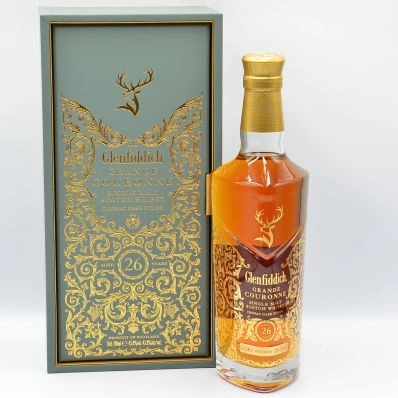 Glenfiddich 26 Year Old Malt Whisky Grande CouronneSpecial Price £349.98 Regular Price £459.99 Inc VATSaving £110.01Out of stock
Comments