
 Chat with us on WhatsApp


Best Whisky Under £100
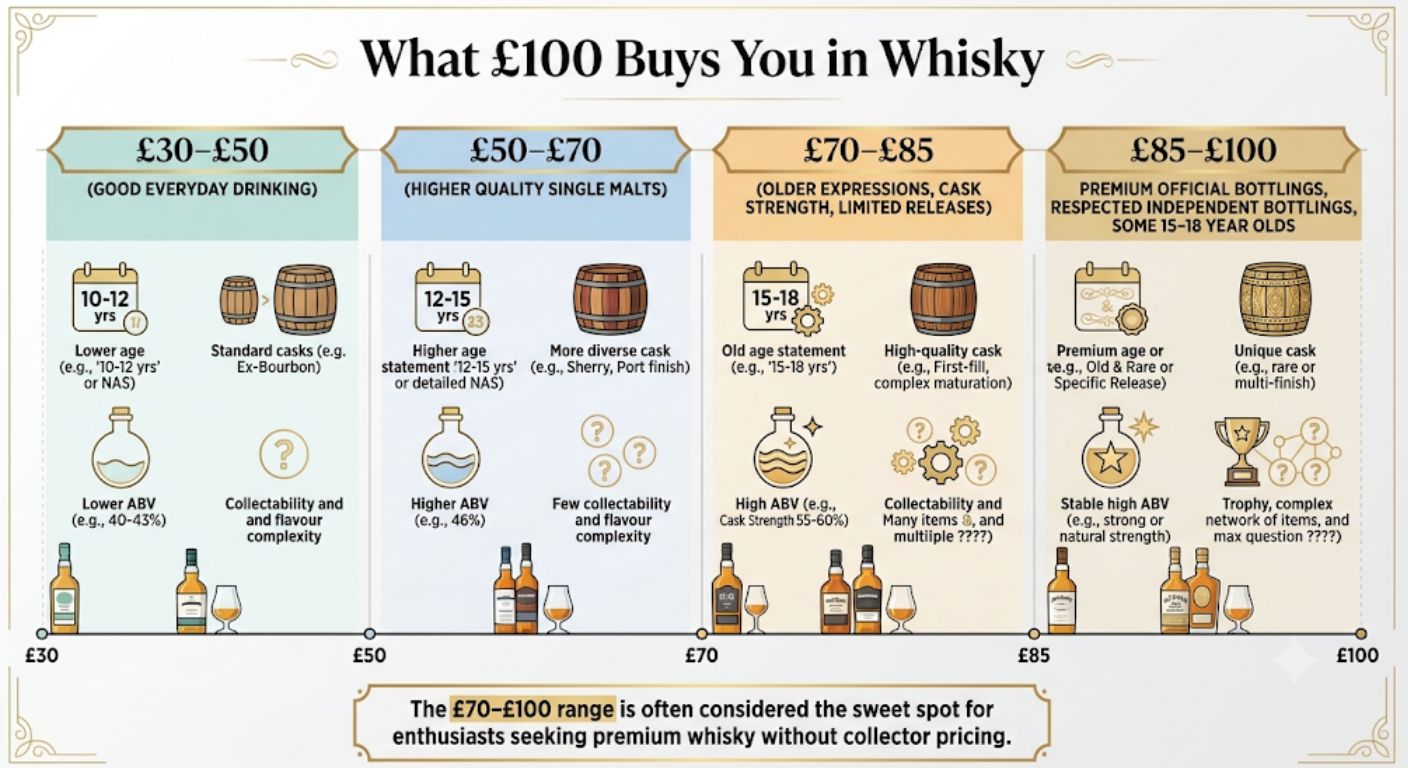
Choosing the best whisky under £100 is less about chasing the highest age statement and more about knowing where the money is going. At this price, you can find serious Scotch: older single malts, cask-strength releases, sherry-led bottles, peated Islay whiskies, and independent bottlings with stronger distillery character.
The £100 mark is a useful buying ceiling because it opens up bottles with more maturity, better cask influence, and higher bottling strength without moving into collector-only pricing. For current options, start with our Scotch Whisky Under £100 selection, then use the points below to decide which style suits the drinker.
What Makes A Whisky Worth Buying Under £100?
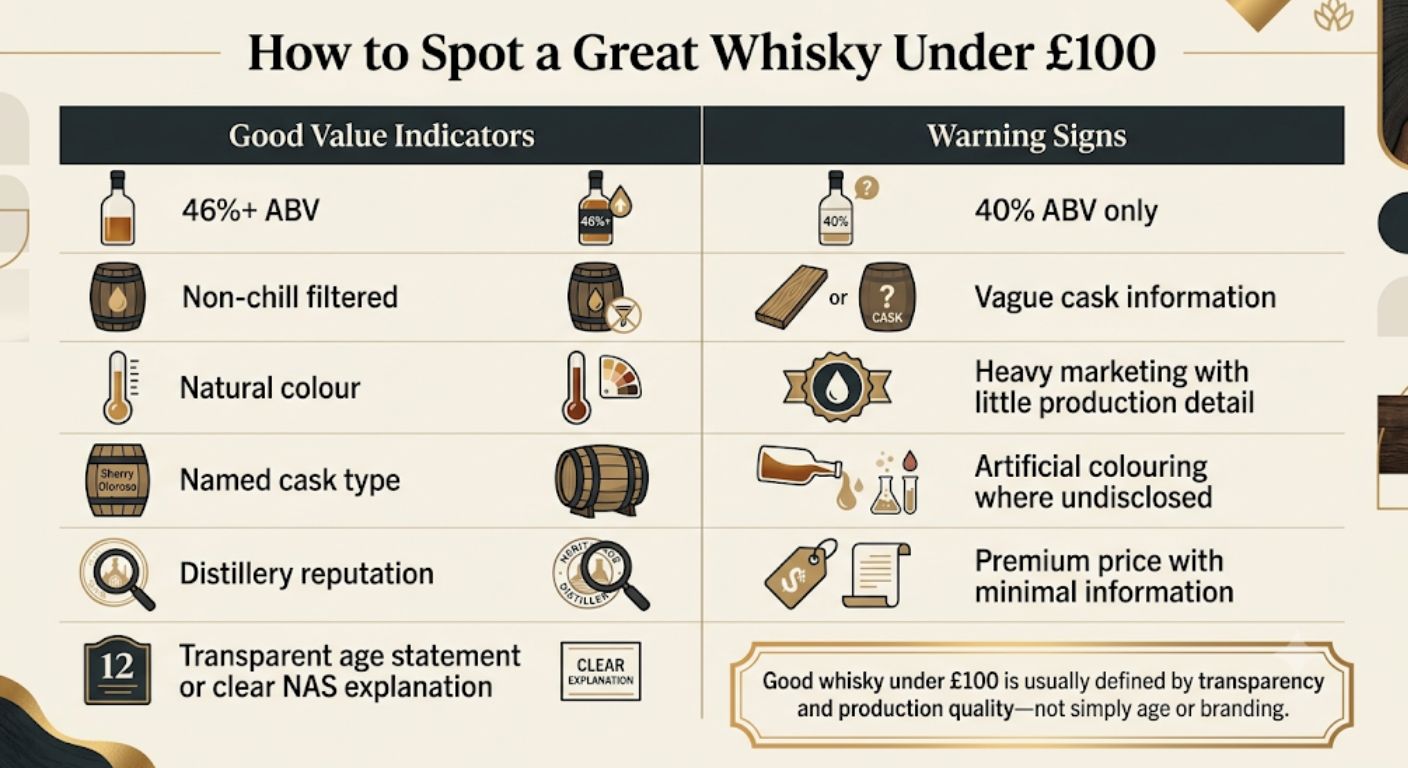
A whisky under £100 is worth buying when the bottle offers clear value through age, cask quality, distillery character, bottling strength, or limited release context. Price alone does not prove quality. A well-made 10 or 12 year old at 46% ABV can be more rewarding than an older whisky diluted to 40%.
Look for these value markers:
- ABV of 46% or higher: often gives better texture and concentration.
- Non-chill filtration: suggests the whisky has retained more natural oils and mouthfeel.
- Natural colour: useful when judging genuine cask influence.
- Specific cask details: ex-bourbon, Oloroso, Pedro Ximénez, wine cask or refill sherry all tell you more than vague “oak cask” wording.
- Distillery identity: the bottle should still taste like where it came from, not just like generic oak.
For Scotch, the legal baseline is clear: it must be produced in Scotland and matured in oak casks for at least three years, according to the Scotch Whisky Regulations 2009. Under £100, the question is not whether it qualifies as whisky, but whether it offers enough character for the price.
Best Styles Of Whisky Under £100
Sherry Cask Whisky
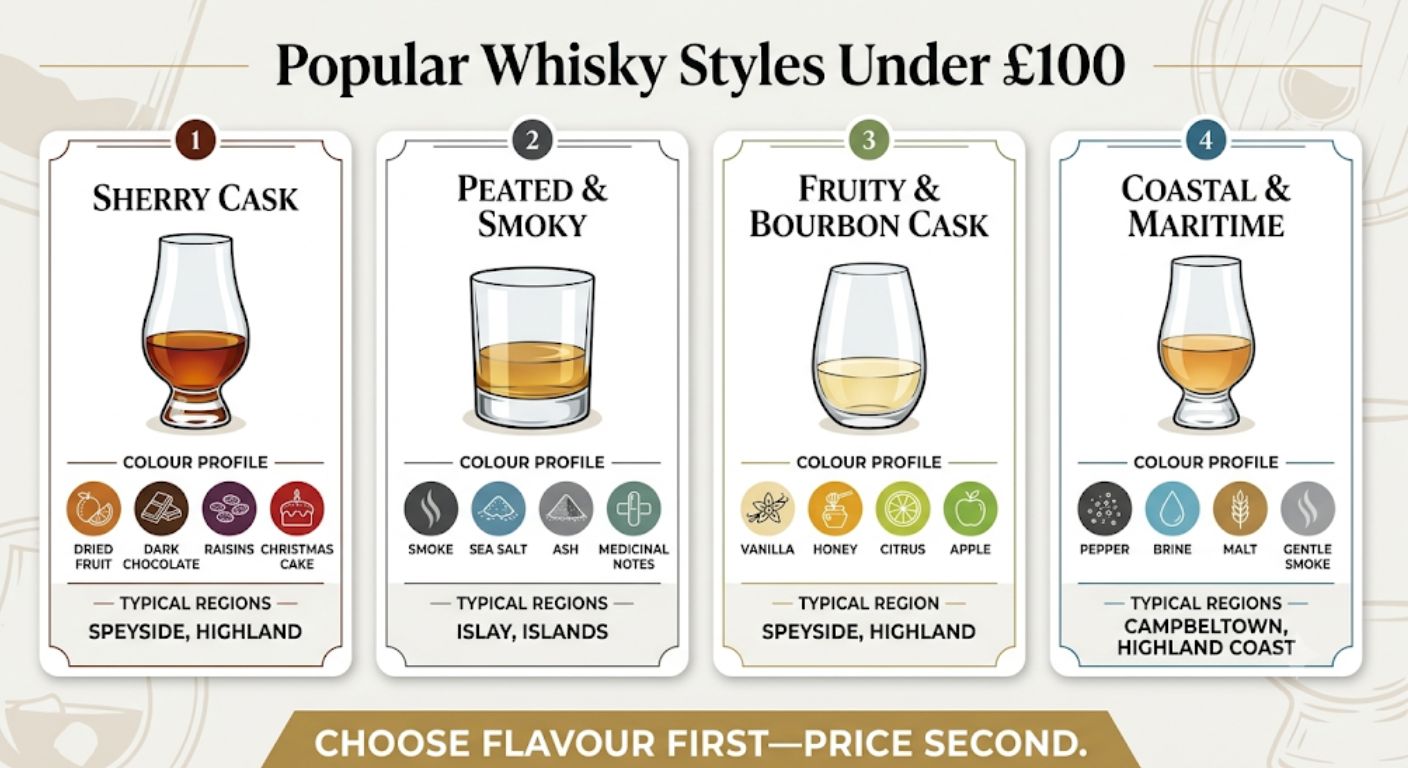
Sherry cask whisky is often one of the strongest choices under £100 because it gives immediate flavour depth: dried fruit, spice, dark chocolate, orange peel, raisin and nutty notes. Oloroso casks tend to bring drier, richer spice. Pedro Ximénez casks usually lean sweeter, with more syrupy fruit and dessert-like weight.
Speyside and Highland distilleries are strong places to look for this style. Glenallachie is a useful example because many of its releases put cask type and bottling integrity at the centre of the drinking experience.
Peated And Smoky Whisky
Peated whisky under £100 can range from gentle smoke to heavily medicinal Islay character. If the drinker is new to peat, avoid jumping straight into the most intense “peat monster” style. A maritime, balanced smoke is usually safer than something heavily iodine-led and aggressive.
This article supports our broader Best Peated Whisky: A Buyer's Guide, but the key point here is simple: under £100, peat can offer very strong value because younger smoky whiskies often have intensity without needing long maturation.
Campbeltown And Character-Driven Malt
Campbeltown whisky often appeals to drinkers who want more than sweetness or smoke. The style can bring oiliness, coastal notes, savoury depth and old-school malt character. Bottles from Springbank are especially sought after because they combine traditional production methods with a distinctive, recognisable house style.
Availability can be the issue. Under £100, good Campbeltown whisky may not always be easy to find, but when it appears at sensible pricing, it is often more interesting than many safer branded bottles.
Traditional Speyside And Highland Malt
For buyers who want balance rather than extremes, Speyside and Highland malt remain reliable. Expect orchard fruit, honey, malt, gentle spice, vanilla, citrus and sometimes soft sherry influence. These bottles suit gifting well because they are usually approachable without feeling basic.
Our customers often underestimate how much difference ABV makes at this price; a 46% whisky can feel fuller and more complete than a familiar 40% bottle from the same broad style.
If you want to browse by wider style first, our Scotch Whisky category is the cleaner starting point before narrowing by price, region or distillery.
Official Bottlings Vs Independent Bottlings Under £100
Official bottlings are usually the safer choice for gifts. They carry familiar distillery names, consistent packaging and a clearer house style. Independent bottlings can offer better individuality: single casks, unusual maturation, higher ABV and less predictable flavour.
Under £100, independent bottlings are worth considering when the drinker already knows whisky and enjoys discovery. They are less ideal for someone who wants a familiar bottle from a recognisable distillery. Official bottlings are better when reliability matters more than uniqueness.
Is An 18 Year Old Whisky Worth It Under £100?
An 18 year old whisky can be worth buying under £100, but age should not be the only reason. Older whisky often brings softer texture, more oak integration and dried fruit complexity. A younger cask-strength whisky may offer more intensity, distillery character and value if the older bottle is bottled at low strength.
Use age as one signal, not the decision. A good 15 or 18 year old can be excellent, but a transparent 10 or 12 year old at higher ABV may be the better drinker.
Best Whisky Under £100 For Different Buyers
For A Gift
Choose a bottle with a clear distillery name, attractive but not excessive packaging, and a style that is unlikely to divide opinion. Sherry-led Speyside, balanced Highland malt, or a recognised coastal style usually works better than very high peat or very high ABV.
For A Beginner
Look for approachable flavour and moderate strength. A 43–46% whisky with fruit, malt, vanilla, honey or light sherry influence is safer than a cask-strength release. Avoid heavily peated bottles unless the drinker already enjoys smoke.
For An Enthusiast
Prioritise bottling integrity. Higher ABV, natural colour, non-chill filtration, cask detail and distillery character matter more than brand familiarity. This is where independent bottlings and smaller batch releases become more useful.
For A Collector-Minded Buyer
Stay focused on provenance rather than price speculation. Limited releases, discontinued bottlings, respected distilleries and transparent cask information all matter. Avoid buying only because a bottle looks scarce. Scarcity without demand or context is not enough.
For a more traditional, lightly smoky profile, Benromach is a useful distillery to understand because it often combines Speyside structure with a firmer, old-style edge.
When To Avoid Spending Close To £100
Do not spend close to £100 if the bottle gives very little information. Vague cask wording, low bottling strength, no clear style direction and heavy reliance on packaging can all weaken value. The bottle may still be pleasant, but it may not justify the price.
You should also avoid high-strength whisky as a blind gift unless you know the recipient enjoys it. Cask-strength bottles can be excellent, but they are not automatically better for every drinker.
FAQ
Can You Get Good Whisky For Under £100?
Yes. Under £100 is one of the strongest brackets for serious whisky because it includes quality single malts, sherry cask releases, peated whisky, higher-strength bottlings and some independent releases. The best value usually comes from clear cask information, good ABV and strong distillery character.
What Should I Look For When Buying Whisky Under £100?
Look for ABV, cask type, age statement, distillery, bottler and production details. A bottle at 46% ABV, non-chill filtered and with a named cask type often gives better value than a lower-strength bottle relying mostly on branding or packaging.
Is Expensive Whisky Always Better?
No. More expensive whisky can offer older stock, rarer casks or stronger packaging, but it is not always better to drink. Some younger whiskies have more energy, texture and distillery character than older bottles that have been diluted or over-oaked.
What Is The Best Whisky Gift Under £100?
The best gift under £100 is usually a recognisable single malt with a balanced flavour profile. Sherry-led Speyside, lightly smoky coastal malt or mature Highland whisky tends to be safer than very peated, very high-strength or highly unusual independent bottlings.
Are Independent Bottlings Good Under £100?
Yes, especially for enthusiasts. Independent bottlings can offer single-cask character, higher ABV and unusual cask types at fair prices. They are less predictable than official bottlings, so they suit drinkers who enjoy exploring distillery character rather than receiving a familiar label.
-
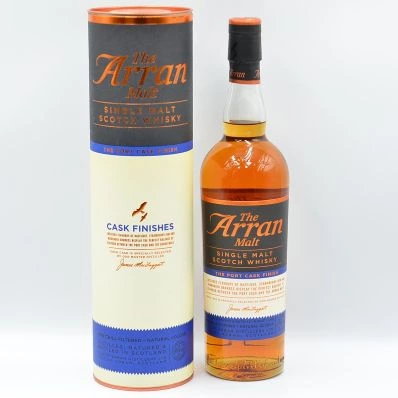 Arran Cask Finishes Port Scotch WhiskySpecial Price £87.98 Regular Price £97.99 Inc VATSaving £10.01
 -
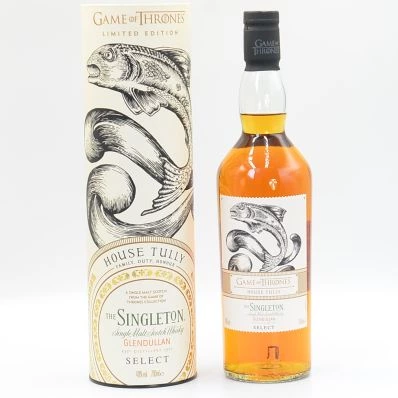 Game of Thrones Whisky Singleton Glendullan House TullySpecial Price £73.98 Regular Price £84.99 Inc VATSaving £11.01
 -
-
-
-
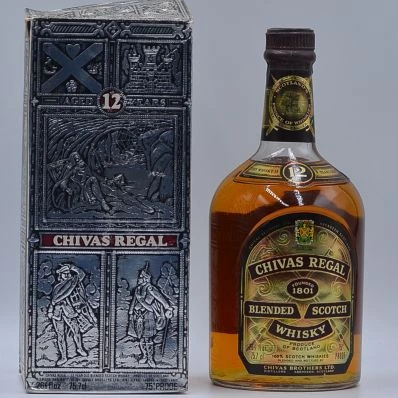 Chivas Regal 12 Year Old Scotch Whisky 75 Proof 1970sSpecial Price £47.98 Regular Price £59.99 Inc VATSaving £12.01
 -
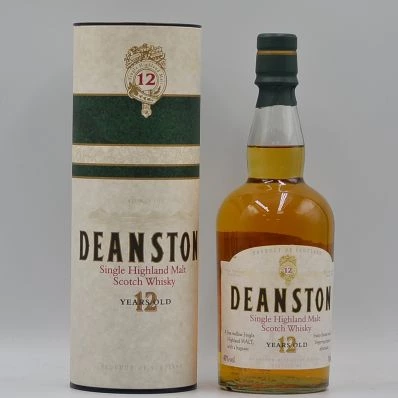 Deanston 12 Year Old Highland Whisky 2000sSpecial Price £56.98 Regular Price £63.99 Inc VATSaving £7.01
 -
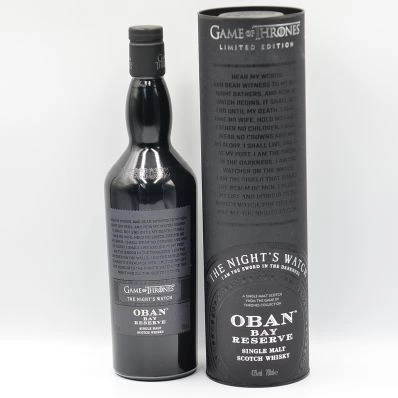 Game of Thrones Whisky Oban Bay Reserve The Night's WatchSpecial Price £72.98 Regular Price £84.99 Inc VATSaving £12.01
 -
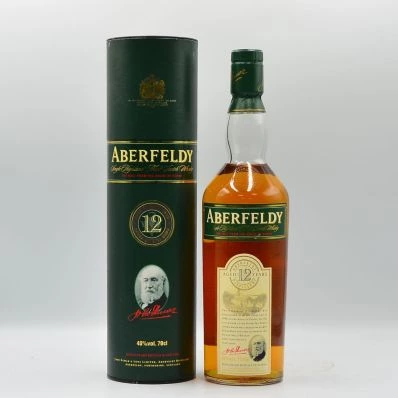
-
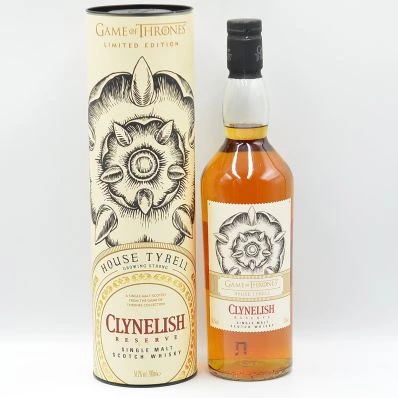
-

Final Thoughts
The best whisky under £100 should give you a clear reason for the price: stronger cask influence, better strength, older maturation, distillery character or a more interesting bottling story. Avoid paying for presentation alone.
For most buyers, the safest route is to choose by flavour first, then check ABV, cask type and distillery. To compare current bottles in this price range, browse our whiskies under £100.

Comments