
 Chat with us on WhatsApp

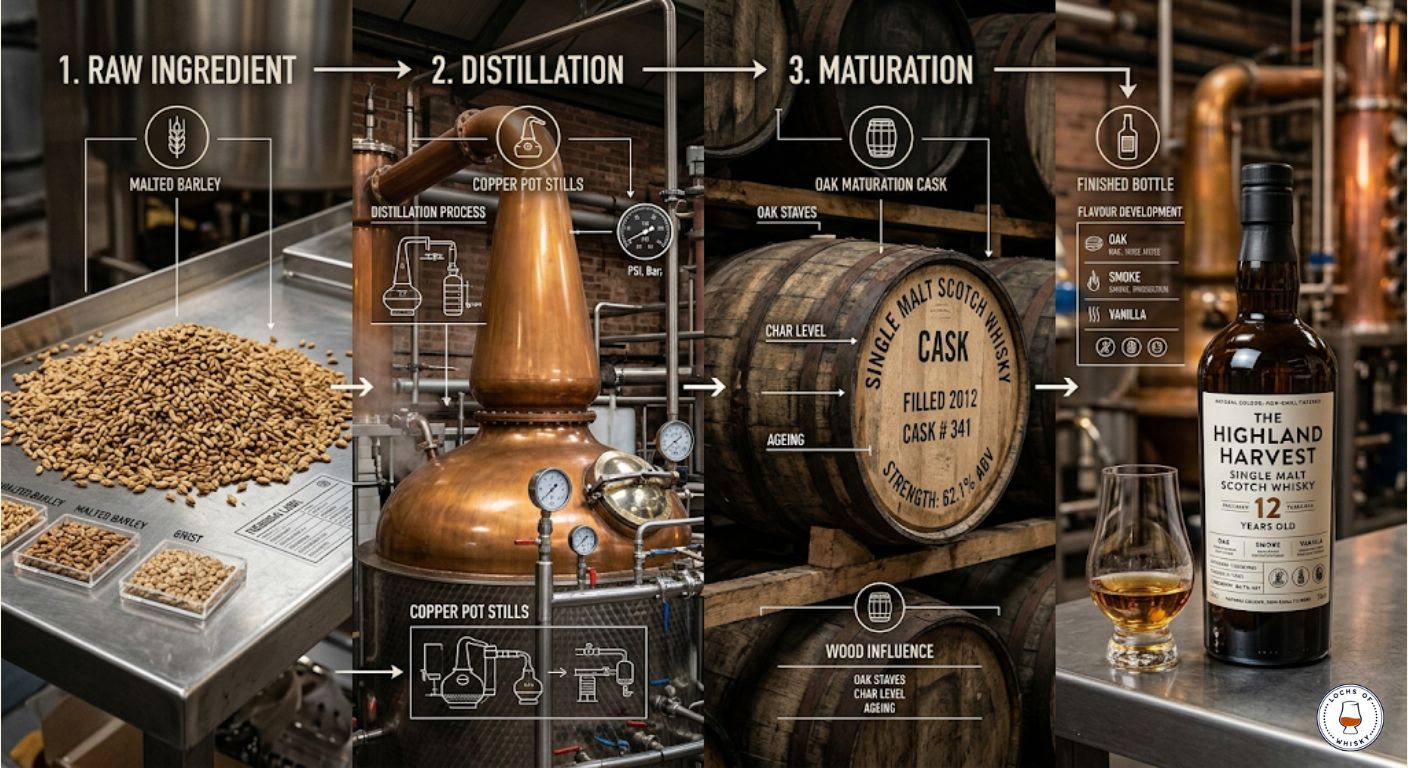
How Scotch Whisky Is Made
Scotch whisky is made by turning cereal starch into fermentable sugar, fermenting that sugar into alcohol, distilling the liquid, then maturing the spirit in oak casks in Scotland. The process sounds simple, but each stage affects flavour, texture, strength, and price.
This guide explains how Scotch whisky is made from raw ingredients to finished bottle. It covers malt whisky, grain whisky, casks, maturation, Scotch whisky rules, and the practical details that help buyers understand what they are looking at on a label.
If you are choosing a bottle, production matters because it explains why one Scotch tastes light and grassy, another tastes smoky and coastal, and another tastes rich, dark, and sherry-led. For the full commercial selection, browse Scotch Whisky.
-
-
-
-
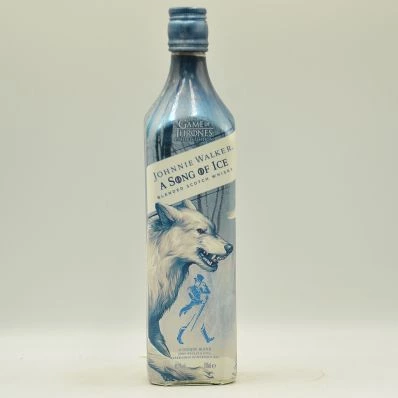
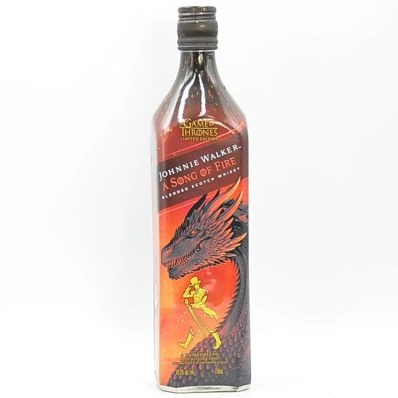 Game of Thrones Whisky Johnnie Walker A Song Of FireSpecial Price £139.98 Regular Price £144.99 Inc VATSaving £5.01
 -
-
-
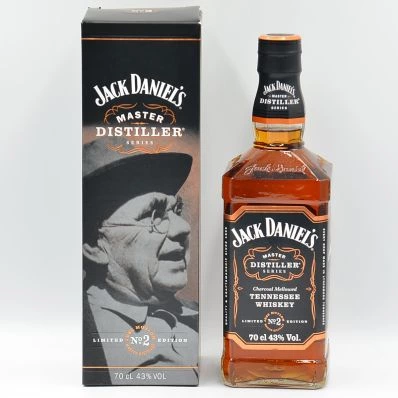 Jack Daniel's - Master Distiller Batch 2 Jess Motlow Limited Edition Bourbon Whiskey£164.99 Inc VATOut of stock
 -
-
-
-
The Short Version: How Scotch Whisky Is Made
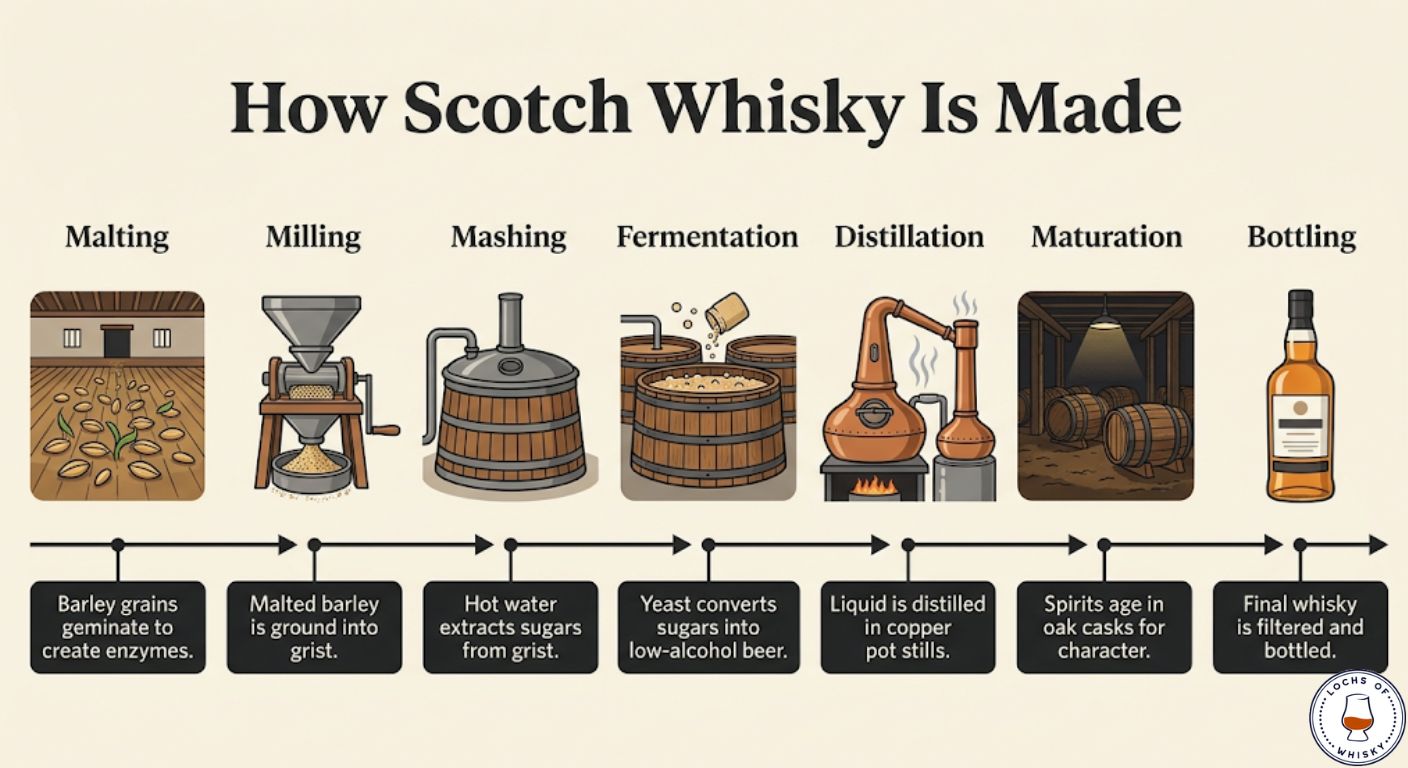
Scotch whisky is made through a sequence of controlled production stages:
- Malting — barley is steeped, germinated, and dried.
- Milling — dried malt is ground into grist.
- Mashing — hot water extracts sugars from the grist.
- Fermentation — yeast converts sugar into alcohol.
- Distillation — alcohol is concentrated and refined.
- Maturation — spirit ages in oak casks in Scotland.
- Bottling — whisky is reduced, filtered, labelled, and bottled.
For single malt Scotch whisky, the raw ingredients are malted barley, water, and yeast. Grain Scotch may include other cereals. If you want the ingredient side in more depth, read What Is Whisky Made Of?
What Scotch Whisky Must Be By Law
Scotch whisky must be produced in Scotland, matured in oak casks, and bottled at a minimum of 40% ABV. The spirit must mature for at least three years before it can legally be called Scotch whisky. These rules are not marketing language; they are part of the legal definition.
The UK’s Scotch Whisky Regulations 2009 define how Scotch whisky must be produced, matured, and described.
The key legal points are:
- It must be produced at a distillery in Scotland.
- It must be matured in oak casks in Scotland.
- The casks must not exceed 700 litres.
- It must mature for at least three years.
- It must be bottled at no less than 40% ABV.
- Only water and plain caramel colouring may be added.
This is why Scotch cannot be made in England, Ireland, Japan, America, or anywhere else. Those places may make whisky or whiskey, but they cannot make Scotch.
The Ingredients Used To Make Scotch Whisky
The core ingredients in Scotch whisky are cereals, water, and yeast. In single malt Scotch, the cereal must be malted barley. In grain Scotch, other grains such as wheat or maize may be used alongside malted barley.
Barley
Barley provides the starch that becomes fermentable sugar. In malt whisky production, barley is soaked, germinated, dried, milled, mashed, fermented, and distilled in copper pot stills.
The barley itself matters, but the production process matters more. Malting, peat smoke, fermentation time, still shape, and cask type usually have a larger effect on final flavour than the barley variety alone.
Water
Water is used throughout production. It is needed during mashing, may be used to reduce spirit before filling into cask, and is usually added again before bottling to bring whisky down to its final ABV.
Water source is often part of distillery identity, but it should not be treated as the whole story. A clean water supply matters; flavour is shaped by the full process.
Yeast
Yeast converts sugar into alcohol during fermentation. It also creates flavour compounds that can influence fruitiness, grassiness, cereal notes, and texture.
Longer fermentation often encourages more fruity and complex flavours. Shorter fermentation can produce a heavier, more cereal-led wash. Distilleries choose fermentation regimes depending on the style they want.
Step 1: Malting The Barley
Malting prepares barley for whisky production by allowing the grain to germinate. This activates enzymes that later help convert starch into sugar.
The basic malting process is:
- Barley is soaked in water.
- The grain begins to germinate.
- Germination is stopped by drying the barley.
- The dried malt is sent for milling.
Some distilleries still use traditional floor maltings, but many use commercial maltsters. This does not make the whisky less authentic. It simply reflects modern production scale.
Peat may be used during drying. When damp malted barley is exposed to peat smoke, smoky compounds attach to the grain. These compounds carry through fermentation, distillation, and maturation, creating smoky, medicinal, earthy, or coastal flavours.
Step 2: Milling The Malt
Once the barley has been malted and dried, it is milled into grist. Grist is a coarse flour made from husk, grits, and flour.
The grind matters. If it is too fine, the mash can become sticky and difficult to drain. If it is too coarse, sugar extraction becomes less efficient. Distilleries aim for a consistent grist because mashing depends on predictable sugar extraction.
This stage is not glamorous, but it is important. Poor milling creates problems later in the process.
Step 3: Mashing The Grist
Mashing extracts sugar from the milled malt. Hot water is added to the grist inside a mash tun. The heat activates enzymes, which convert starch into fermentable sugars.
The sugary liquid produced during mashing is called wort. Clearer wort often supports a lighter, fruitier spirit. Cloudier wort may contribute more cereal weight and texture.
Mashing usually involves several water charges at different temperatures. Early water extracts fermentable sugars. Later hotter water helps recover remaining sugars and prepare the next mash.
At this point, the process is still about preparation. No whisky exists yet. The distillery has created a sweet liquid that can be fermented.
Step 4: Fermentation
Fermentation turns sugary wort into a low-strength alcoholic liquid called wash. Yeast is added to the wort, and the yeast converts sugar into alcohol and carbon dioxide.
The wash is usually around 7–10% ABV. It resembles a strong beer in production terms, though it is not intended for drinking.
Fermentation also creates flavour. This is where fruity, floral, cereal, sour, and sometimes waxy character can begin to develop. The length and control of fermentation can strongly affect spirit style.
Typical decision logic:
- Longer fermentation usually gives more fruit and complexity.
- Shorter fermentation often produces a heavier cereal character.
- Wooden washbacks can support a different microbial environment from stainless steel.
- Consistency matters more than romance; both wood and stainless steel can produce excellent whisky.
Step 5: Distillation
Distillation concentrates the alcohol and refines the character of the spirit. Single malt Scotch is usually distilled twice in copper pot stills, although some distilleries use different regimes.
The first distillation happens in the wash still. It turns wash into low wines. The second distillation happens in the spirit still. This separates the spirit into foreshots, heart, and feints.
Only the heart cut becomes new make spirit for maturation. The foreshots and feints are usually recycled into future distillations.
Copper matters because it helps remove sulphury compounds and refine the spirit. Still shape also matters. Tall stills tend to encourage lighter spirit. Shorter, broader stills can produce heavier spirit. The angle of the lyne arm, heating method, reflux, and cut points all influence final character.
Step 6: Maturation In Oak Casks
New make spirit is not Scotch whisky until it has matured in oak casks in Scotland for at least three years. Maturation changes colour, aroma, texture, and flavour.
Oak casks contribute:
- Vanilla
- Spice
- Toffee
- Dried fruit
- Coconut
- Tannin
- Colour
- Texture
The previous contents of the cask are critical. Ex-bourbon barrels often bring vanilla, honey, coconut, and light spice. Sherry casks can bring dried fruit, walnut, dark chocolate, and richer colour. Wine casks can add red fruit, tannin, and sweetness, depending on the wine.
Cask quality often matters more than age alone. Customers regularly ask us whether age statement really matters. After 12 years, the differences become more about cask quality than time in the barrel — we have seen 10-year-olds outclass 18-year-olds from less-active casks.
For more depth on casks, read Understanding The Different Types Of Whisky Casks.
Step 7: Bottling
After maturation, whisky may be bottled as a single cask, small batch, single malt, blended malt, blended grain, or blended Scotch.
Before bottling, the producer may:
- Reduce the whisky with water.
- Marry multiple casks together.
- Chill-filter the whisky.
- Add plain caramel colouring.
- Bottle at natural cask strength.
The final ABV matters. A whisky at 40–43% ABV is usually more approachable. A whisky at 46% ABV often gives more texture and concentration. Cask-strength whisky can be powerful, sometimes above 55% ABV, and may need water in the glass.
If you are buying for someone new to Scotch, avoid assuming higher ABV means better. It often means more intense.
The Five Scotch Whisky Categories
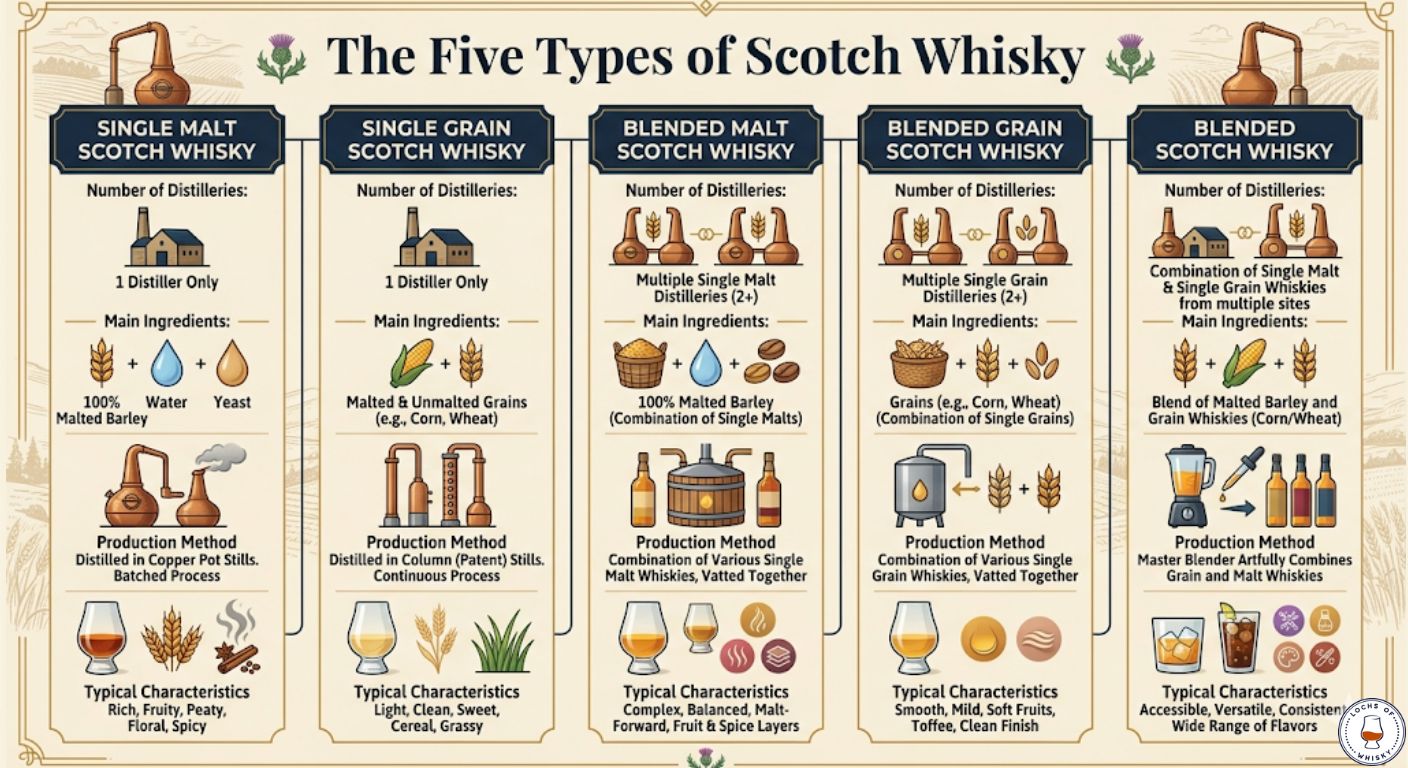
There are five legal categories of Scotch whisky. These categories tell you how the whisky was produced and blended.
| Category | What It Means | Typical Buyer Logic |
|---|---|---|
| Single Malt Scotch Whisky | Made at one distillery from malted barley using pot stills. | Best for distillery-led discovery. |
| Single Grain Scotch Whisky | Made at one distillery using grains that may include wheat or maize. | Often lighter, sweeter, and useful for exploring grain style. |
| Blended Malt Scotch Whisky | A blend of single malts from more than one distillery. | Good for flavour-led buying without focusing on one distillery. |
| Blended Grain Scotch Whisky | A blend of single grain whiskies from more than one distillery. | Less common, often smooth and sweet. |
| Blended Scotch Whisky | A blend of malt and grain Scotch whiskies. | Often accessible, balanced, and consistent. |
Single malt is not automatically better than blended Scotch. It is simply more specific. Blends can be excellent, especially when built from quality malt and grain components.
How Scotch Whisky Regions Affect Style
Scotch whisky regions are useful buying guides, but they are not absolute flavour rules. The five protected Scotch whisky regions and localities are Highland, Lowland, Speyside, Islay, and Campbeltown.
Regional style can help narrow a choice:
- Speyside often leans fruity, elegant, and sherry-led.
- Highland is broad, ranging from light and floral to rich and coastal.
- Islay is strongly associated with peat smoke, though not every Islay whisky is heavily peated.
- Lowland often tends towards lighter, grassy, or gentle styles.
- Campbeltown is known for coastal, oily, sometimes lightly smoky character.
Distillery identity matters more than region alone. A Highland distillery can make smoky whisky. An Islay distillery can make unpeated whisky. Use region as a starting point, then check distillery, cask type, age, and ABV.
For distillery-led browsing, use Browse All Distilleries.
Distillery Character: Why The Same Process Creates Different Whisky
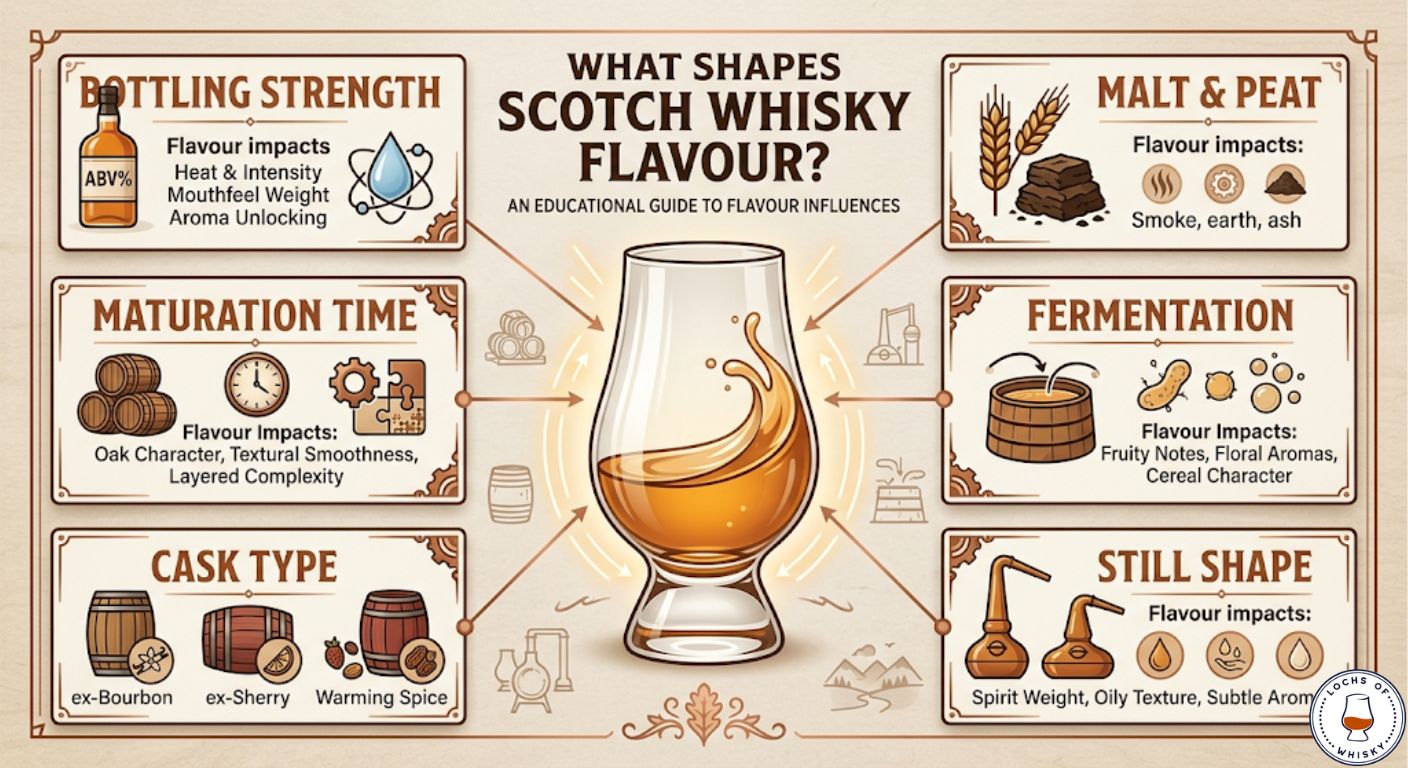
Most malt distilleries follow the same broad process, but the results vary because every production choice compounds.
Important variables include:
- Peated or unpeated malt
- Fermentation length
- Washback material
- Still shape
- Distillation cut points
- Cask type
- Warehouse conditions
- Bottling strength
A coastal malt such as Talisker will not behave like a richer Highland style such as Blair Athol, even though both follow recognisable Scotch whisky production principles. A compact coastal distillery such as Oban brings another layer of identity because location, production scale, and house style all shape how the whisky is understood.
This is why distillery pages matter. They help connect the bottle in your hand to the place, process, and style behind it.
How Cask Type Changes Scotch Whisky
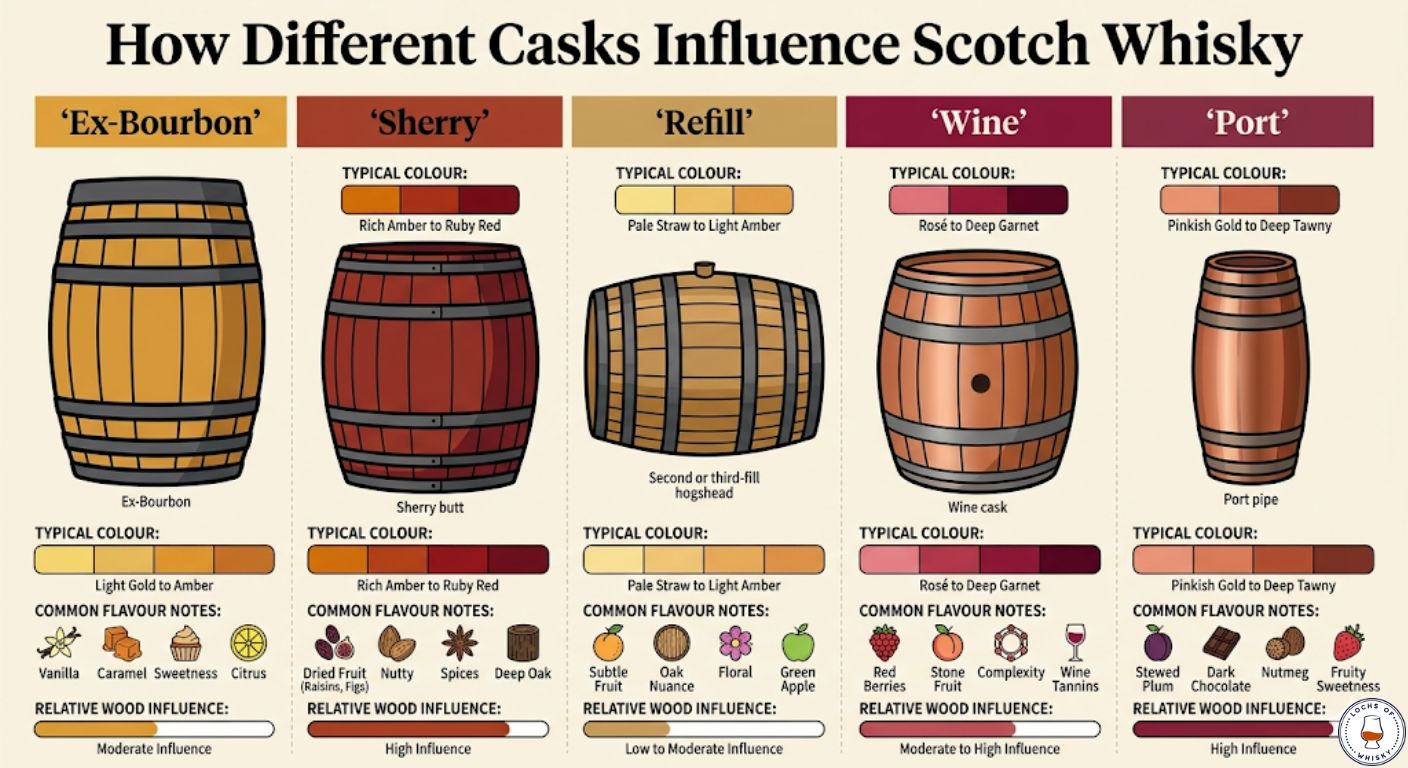
Cask type is one of the strongest flavour drivers in Scotch whisky. It affects colour, aroma, texture, and price.
Use this practical guide:
- Ex-bourbon cask: vanilla, honey, citrus, coconut, lighter oak.
- Sherry cask: dried fruit, spice, walnut, chocolate, darker colour.
- Refill cask: more distillery character, less wood dominance.
- First-fill cask: stronger wood influence and more immediate flavour.
- Wine finish: red fruit, tannin, sweetness, sometimes dryness.
- Port finish: berry fruit, sweetness, richness.
If you prefer lighter, cleaner whisky, start with ex-bourbon matured Scotch around 40–46% ABV. If you prefer richer whisky, look for sherry maturation or a sherry finish. If you want to taste the distillery character clearly, refill casks can be more revealing than heavy first-fill casks.
How Age Statement Affects Scotch Whisky
The age statement tells you the age of the youngest whisky in the bottle. A 12-year-old Scotch may contain older whisky, but every component must be at least 12 years old.
Older is not automatically better. Age can bring depth, softness, oak, and integration, but it can also bring dryness or over-oaking if the cask dominates the spirit.
Practical rules:
- No age statement: judge by producer, cask type, ABV, and reviews.
- 8–10 years: often lively, spirit-driven, and good value.
- 12 years: a common balance point for many classic malts.
- 15–18 years: often richer and more mature, but cask quality becomes critical.
- 21 years plus: collector and premium territory; provenance and condition matter more.
For everyday drinking, the best value often sits between £35 and £80. For old and rare bottles, age, condition, bottler, fill level, packaging, and provenance all matter.
Decision Logic: How To Choose Scotch By Production Style
Use production details to choose more accurately.
If you are new to Scotch
Start with a softer single malt around 40–43% ABV. Speyside, Lowland, and lighter Highland bottles are often easier starting points than heavily peated Islay whisky.
Avoid cask-strength bottles unless you already know the recipient enjoys high-strength spirits.
If you like smoky whisky
Look for peated malt. Islay is the obvious starting point, but not the only option. Check whether the whisky is lightly peated, heavily peated, or only subtly smoky.
If you dislike medicinal smoke, avoid heavily peated bottles and choose ex-bourbon or sherry-led unpeated malts instead.
If you like rich, dark, sweet whisky
Look for sherry cask maturation or sherry cask finishing. Check whether it is full maturation or only a finish. Full sherry maturation usually has a stronger cask influence and often commands a higher price.
If you want distillery character
Choose single malt, refill cask, bourbon cask, or independently bottled releases where the distillery identity is clear. Heavy wine finishes can be interesting, but they may cover the base spirit.
If your budget is £30–60
Look for 40–46% ABV single malts, quality blends, or younger independent bottlings. Avoid paying purely for age unless the producer and cask type justify it.
If your budget is £60–120
This is where cask choice becomes more important. Look for well-specified single malts, sherry casks, higher ABV releases, or limited independent bottlings with clear provenance.
If you are buying old and rare Scotch
Check fill level, capsule condition, label condition, box or tube, bottling era, and seller credibility. Old whisky should be judged by provenance and condition, not just age statement.
Common Mistakes When Reading A Scotch Whisky Label
Many buying errors come from misunderstanding the label.
Avoid these mistakes:
- Assuming “single malt” means single cask.
- Assuming older always means better.
- Confusing sherry finish with full sherry maturation.
- Ignoring ABV.
- Buying heavily peated whisky for someone who only likes smooth, sweet Scotch.
- Assuming region guarantees flavour.
- Ignoring bottle condition on old and rare releases.
The best label reading sequence is:
- Category
- Distillery or blend name
- Age statement or NAS
- ABV
- Cask type
- Bottler
- Region
- Condition, if old or collectible
FAQ
How is single malt Scotch whisky made step by step?
Single malt Scotch whisky is made from malted barley, water, and yeast at one distillery. The main steps are malting, milling, mashing, fermentation, distillation in copper pot stills, maturation in oak casks in Scotland, and bottling. It must mature for at least three years and be bottled at 40% ABV or higher.
How long must Scotch whisky be aged by law?
Scotch whisky must be matured in oak casks in Scotland for at least three years. The cask must not exceed 700 litres. Many Scotch whiskies mature for much longer, but three years is the legal minimum before the spirit can be sold as Scotch whisky.
What does peat do to the flavour of Scotch?
Peat adds smoky, earthy, medicinal, coastal, or ash-like flavours. The effect comes mainly during kilning, when peat smoke dries damp malted barley. The smoke compounds attach to the barley and carry through fermentation, distillation, and maturation. Peat level varies widely between distilleries and releases.
Why is Scotch whisky distilled in copper pot stills?
Copper helps remove sulphury compounds and refine the spirit during distillation. Still shape also affects flavour. Tall stills often produce lighter spirit because more vapour condenses and falls back. Shorter stills can produce heavier spirit. Cut points, heating, and reflux also affect the final character.
What is the difference between single malt and blended Scotch?
Single malt Scotch is made at one distillery from malted barley using pot stills. Blended Scotch combines one or more single malt Scotch whiskies with one or more single grain Scotch whiskies. Single malt is more distillery-specific. Blended Scotch is built for balance, consistency, and house style.
What are the five official Scotch whisky regions?
The five protected Scotch whisky regions and localities are Highland, Lowland, Speyside, Islay, and Campbeltown. They help describe origin, but they do not guarantee flavour. Distillery character, peat level, cask type, age, and ABV are usually more useful when choosing a bottle.
Does Scotch whisky have to be made in Scotland?
Yes. Scotch whisky must be produced and matured in Scotland. Whisky made elsewhere may be excellent, but it cannot legally be called Scotch. The name protects a production method, location, maturation requirement, and labelling framework.
Is older Scotch always better?
No. Older Scotch can be excellent, but age alone does not guarantee quality. Cask activity, distillery character, bottling strength, storage, and condition all matter. A well-made 10 or 12-year-old from a strong cask can outperform an older whisky from a tired cask.
Structured Summary
Scotch whisky is made through malting, milling, mashing, fermentation, distillation, maturation, and bottling. The legal rules matter because they define what Scotch is and protect the category from vague imitation.
Key rules:
- Scotch must be made and matured in Scotland.
- Minimum maturation is three years in oak casks.
- Minimum bottling strength is 40% ABV.
- Single malt must come from one distillery and use malted barley.
- Cask type strongly affects flavour and price.
- Age statement shows the youngest whisky in the bottle.
- Region helps, but distillery character is more important.
Common mistakes:
- Buying by age alone.
- Ignoring ABV.
- Assuming all Islay whisky is heavily peated.
- Confusing blended Scotch with lower quality.
- Overlooking cask type.
- Ignoring condition on older bottles.
Decision shortcuts:
- For beginners: choose 40–43% ABV Speyside, Lowland, or lighter Highland malt.
- For smoky whisky: look for peated malt and check intensity.
- For rich whisky: choose sherry cask or sherry finish.
- For distillery discovery: choose single malt or independent bottlings with clear provenance.
- For old bottles: check condition, fill level, packaging, and seller credibility.
To explore by producer rather than style alone, use the full Scottish distillery selection.

Comments