
 Chat with us on WhatsApp


How To Store Whisky For Long-Term Value: Light, Temperature, Position
Whisky is durable, but it is not immune to damage. Poor storage can fade labels, weaken corks, reduce fill levels, flatten flavour and make an otherwise desirable bottle look neglected. For drinkers, that affects quality. For collectors, it can affect confidence, condition and resale appeal.
This guide explains how to store whisky long term with clear rules for light, temperature, bottle position, cork care, opened bottles and packaging. The aim is simple: keep the liquid stable, protect the seal, preserve the label and reduce avoidable handling damage.
The same principles apply whether you are storing a modern single malt, an older blend, a closed-distillery bottle or a collectable release from the old and rare whisky category. Whisky does not mature further in glass, so storage is not about improving the bottle. It is about preserving what is already there.
Whisky Storage Checklist
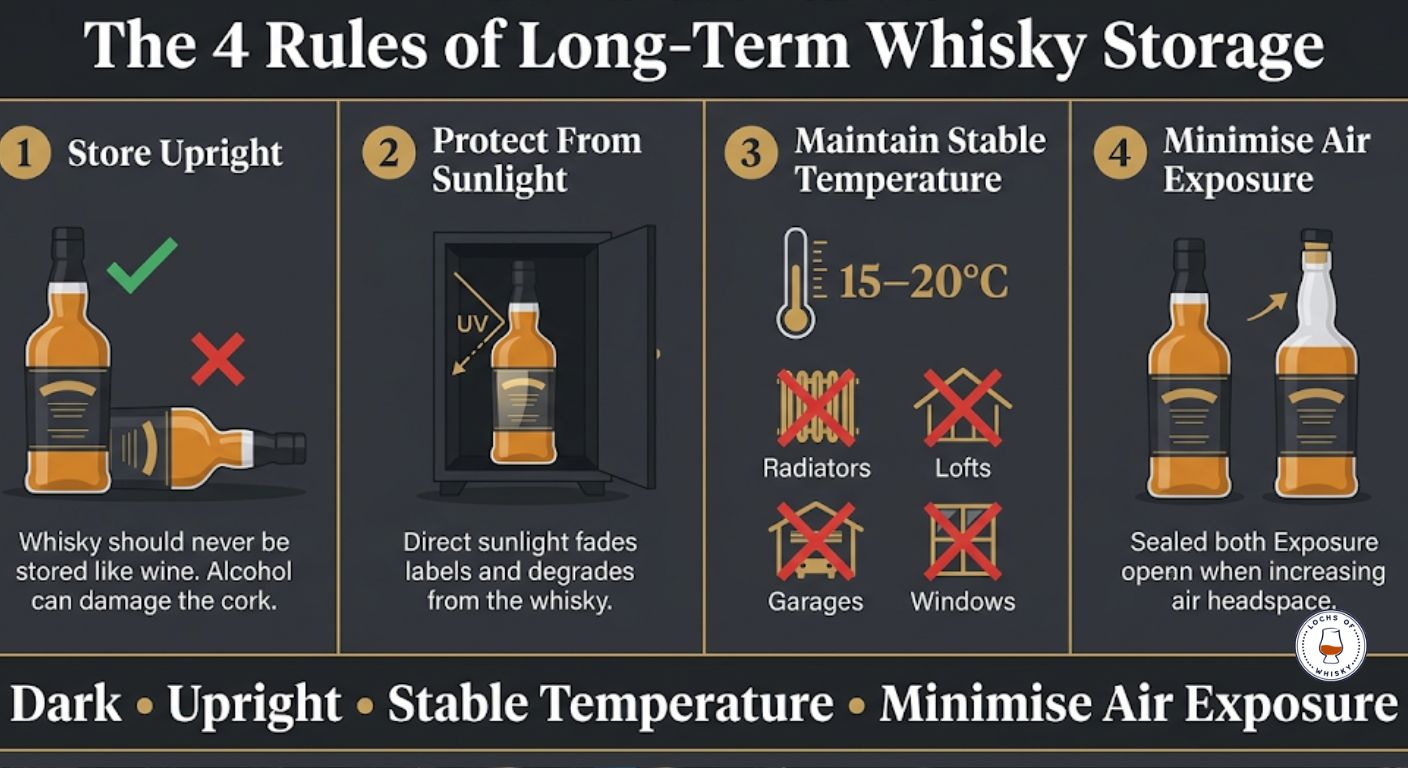
- Store whisky upright: whisky should stand vertically, not lie on its side like wine.
- Keep bottles away from sunlight: UV exposure can fade labels and damage the liquid.
- Maintain stable temperature: aim for a consistent 15–20°C where possible.
- Avoid temperature swings: repeated expansion and contraction can stress seals and corks.
- Protect packaging: original boxes, tubes and cartons help reduce light and handling damage.
- Monitor opened bottles: once the fill level drops, oxidation becomes more important.
Does Whisky Go Off?
No, sealed whisky does not usually go off if it is stored correctly. It will not continue ageing in the bottle, but it can remain stable for decades. The main risks are not age itself, but poor storage: light exposure, heat, damaged corks, weak seals, evaporation and excessive air contact after opening.
An unopened bottle at 40–60% ABV has enough alcohol strength to remain microbiologically stable. That does not mean it is invulnerable. A bottle stored in direct sun, on its side, near a radiator or in a damp garage can lose condition even if the seal remains intact.
Opened whisky is different. Once the seal is broken, oxygen enters the bottle. The lower the fill level, the more headspace there is above the whisky, and the faster flavour can become flatter, thinner or less expressive.
Store Whisky Upright, Not On Its Side
Whisky should be stored upright because its higher alcohol strength can damage natural cork if the bottle is left on its side. Wine is stored horizontally to keep the cork wet. Whisky is different: constant contact between spirit and cork can weaken the closure and cause crumbling, leakage or taint.
This is one of the most important rules for long-term storage. A Scotch single malt, Bourbon, Irish whiskey or world whisky bottle should stand vertically with a clear air gap between the liquid and cork. That gap helps protect the closure while keeping the whisky stable.
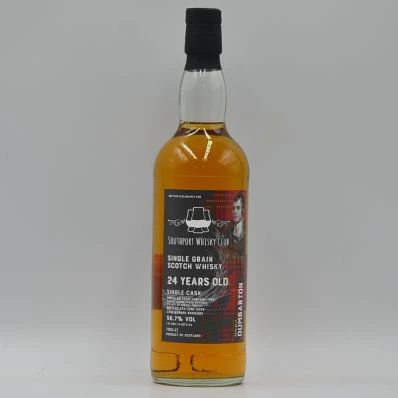
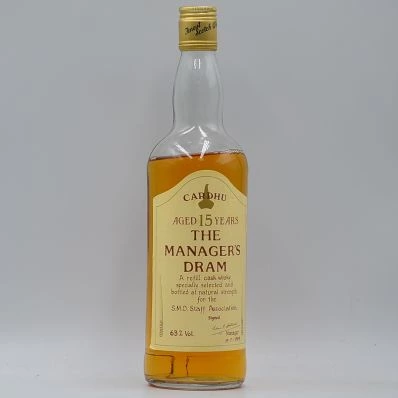
The risk is greater with older bottles, where corks may already be fragile. Bottles from distilleries such as Bowmore, Cardhu or closed grain distilleries such as Dumbarton may have collector interest partly because of age, condition and provenance. In those cases, upright storage protects both the liquid and the evidence around it.
Keep Whisky Away From Sunlight And UV Exposure
Direct sunlight is one of the easiest storage problems to avoid. UV light can fade labels, lighten the whisky’s colour and damage organic compounds in the liquid. This damage cannot be reversed.
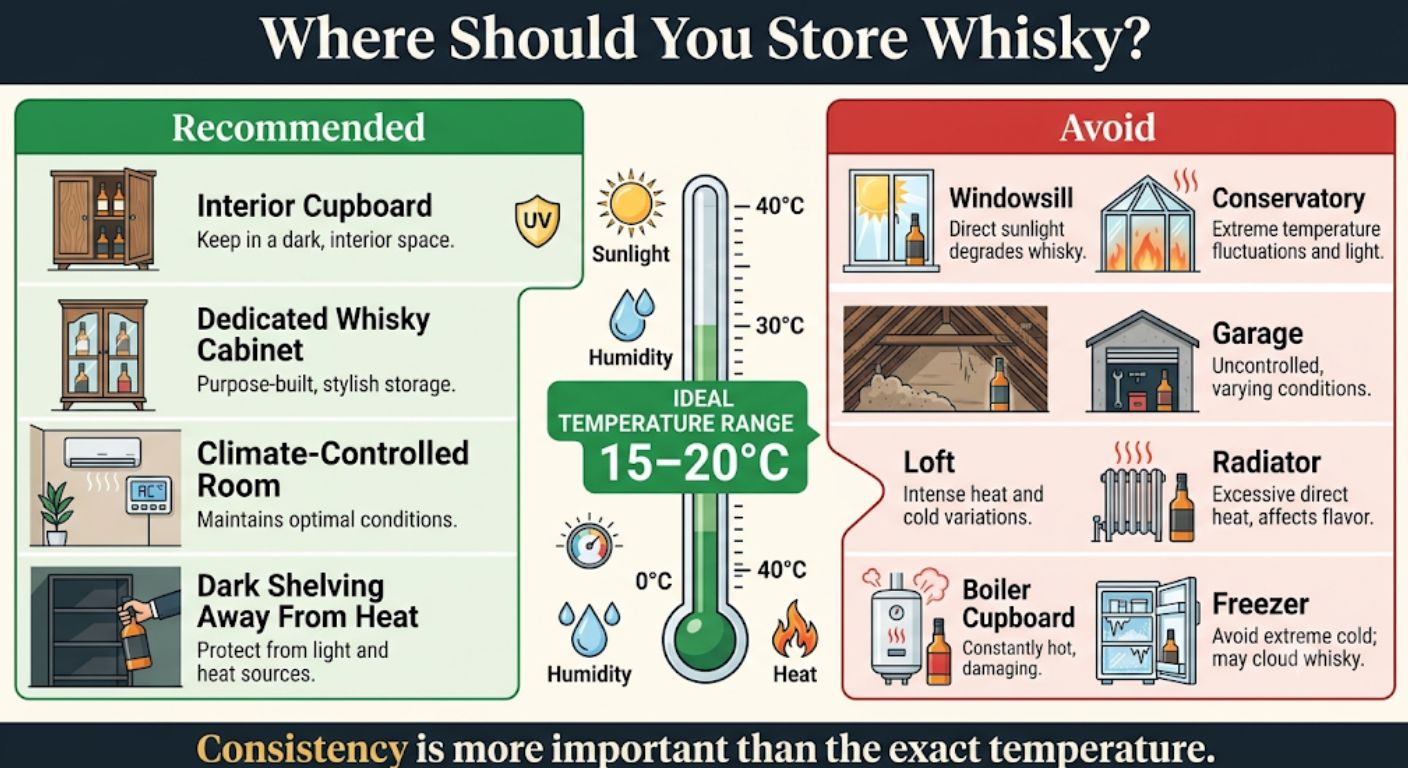
For long-term storage, avoid windowsills, open shelving near glass doors, conservatories and display cabinets exposed to daylight. A closed cupboard, interior cabinet, cellar space or storage room is better. If you display bottles, use low-heat LED lighting and avoid direct sun.
Packaging matters here. Original boxes, tubes and cartons are not just decorative. They protect against light, dust and handling marks. For vintage whiskies, label clarity, capsule condition and packaging can all influence how confidently a buyer understands the bottle.
Best Temperature To Store Whisky Long Term
The best long-term whisky storage temperature is usually around 15–20°C, but consistency matters more than chasing a perfect number. A stable cupboard at 18°C is better than a room that swings between cold nights and hot afternoons.
Heat expands liquid and can increase pressure inside the bottle. Cold contracts liquid and can affect seals. Repeated movement between hot and cold is the real issue because it stresses the closure over time.
Avoid storing whisky in:
- lofts or attics
- garages with seasonal temperature swings
- rooms with underfloor heating
- cupboards beside ovens, boilers or radiators
- windowsills or sun-facing rooms
- freezers or fridges for long-term storage
Chubb’s collection guidance also recommends keeping whisky consistently cool, with 15–20°C given as a practical range for storage stability: Chubb whisky collection storage guidance.
Humidity: Protect The Cork Without Damaging The Label
Humidity matters because whisky bottles have two vulnerable areas: the closure and the exterior condition. Very dry air can contribute to brittle corks. Excess moisture can damage labels, boxes, capsules and presentation cases.
For most home storage, aim for a moderate environment rather than a specialist cellar. A relative humidity range around 50–70% is usually sensible. The goal is to avoid extremes.
Too dry:
- corks can become brittle
- closures may lose elasticity
- old corks may break when opened
Too damp:
- labels can stain or peel
- boxes can warp
- capsules may corrode
- mould can develop on packaging
For valuable bottles, use a simple thermometer and hygrometer. They are inexpensive and remove guesswork.
How To Keep Whisky Corks From Drying Out
Keep whisky upright, but briefly moisten the cork a few times a year. The practical method is to tilt the bottle gently for a few seconds, allowing the spirit to touch the cork, then return it upright. Do not leave the bottle horizontal.
This reduces the risk of a dry, brittle cork without exposing it to constant alcohol contact. Two or three brief tilts per year is enough for most sealed bottles. Do not shake the bottle, and do not disturb sediment or fragile packaging unnecessarily.
We find our customers often worry about evaporation first, but old cork failure is usually the more immediate problem when a bottle has been stored badly for years.
How Long Does Opened Whisky Last?
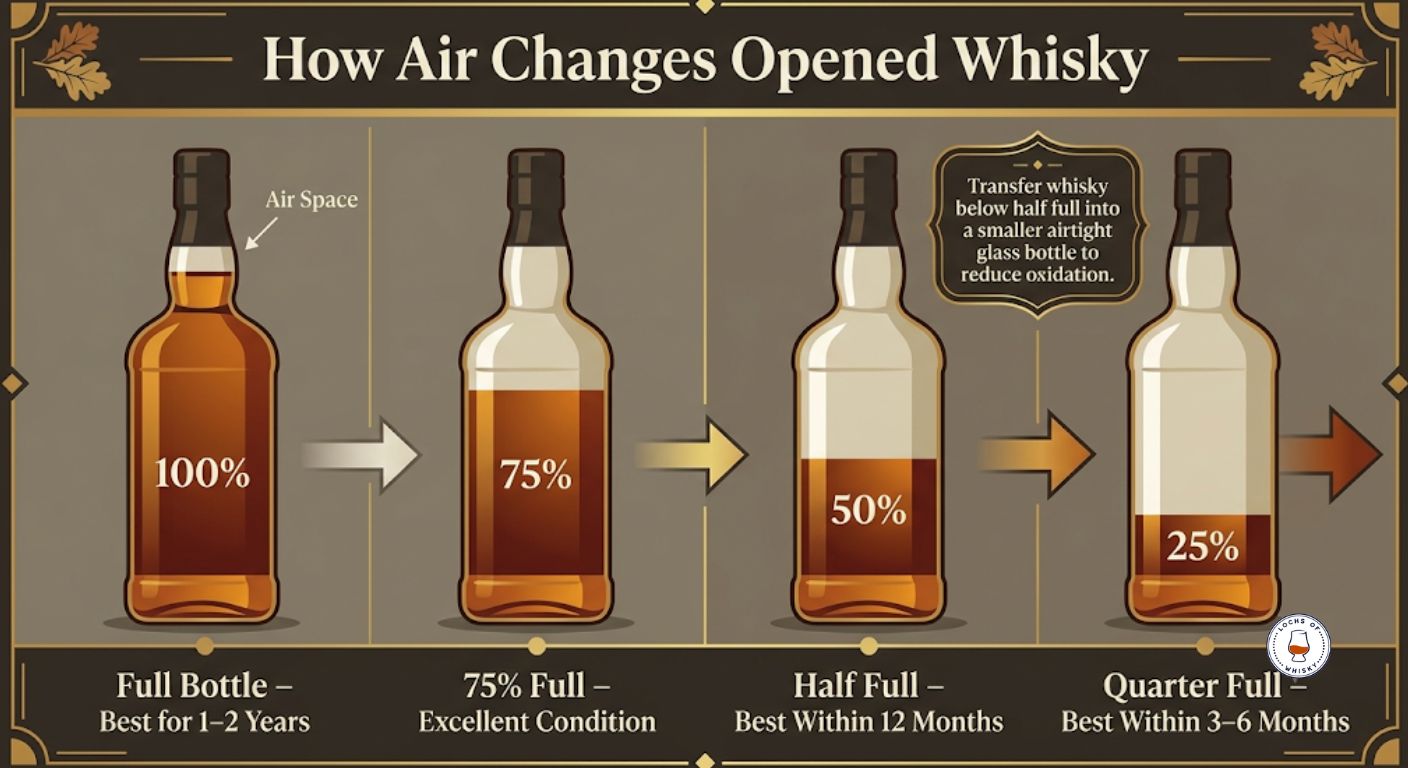
Opened whisky can remain drinkable for years, but it is usually at its best within 6 months to 2 years depending on fill level, seal quality and storage conditions. The key issue is headspace: the more air in the bottle, the faster the whisky changes.
- Mostly full bottle: often stable for 1–2 years if sealed tightly and stored well.
- Half-full bottle: aim to drink within around 12 months for best condition.
- Quarter-full bottle: flavour may decline faster; 3–6 months is a sensible target.
Opened bottles should still be kept upright, cool, dark and tightly sealed. Avoid leaving the cork loose after pouring. If the original cork no longer seals properly, replace it with a clean, tight-fitting closure.
Should You Decant Whisky Into Smaller Bottles?
Decanting into a smaller bottle can help once an opened bottle drops below half full, especially below one-third full. The aim is not presentation. It is reducing oxygen contact by reducing headspace.
Use clean glass bottles with airtight caps, such as small Boston round bottles with suitable liners. Label them clearly with the whisky name, ABV, date transferred and original bottle details. This matters if you are keeping samples from older or collectable bottles.
A decorative decanter is not ideal for long-term storage unless it seals properly. Many glass decanters have loose stoppers, which makes oxidation more likely.
Does Whisky Need To Be Refrigerated Or Frozen?
No. Whisky should not be refrigerated or frozen for long-term storage. Cold temperatures can dull aroma and may create temporary cloudiness, especially in non-chill-filtered whisky. That haze usually clears at room temperature, but refrigeration adds no storage benefit.
Freezing is unnecessary because whisky’s alcohol content already protects it from spoilage. For storage, stable room temperature is better than cold storage.
What Is Chill Haze In Whisky?
Chill haze is cloudiness that can appear when whisky gets cold, especially if it contains natural oils and fatty compounds. It is common in non-chill-filtered whisky and is usually reversible once the bottle returns to room temperature. It is not the same as spoilage.
Non-chill-filtered whisky is often bottled to preserve texture and natural character. Cloudiness at low temperature does not mean the bottle is damaged, but repeated temperature fluctuation is still poor storage practice.
Protect Labels, Boxes And Fill Levels
Long-term whisky storage is not only about flavour. For collectable bottles, exterior condition matters. A strong fill level, clean label, intact capsule and original box all help establish confidence.
A faded label or damp-stained box can make a legitimate bottle harder to assess. This is why storage and authentication overlap. If you are assessing an older bottle, check seal condition, fill level, capsule, label printing, glass, provenance and packaging together.
Good storage reduces unnecessary doubt. It keeps the bottle easier to identify, easier to handle and easier to compare against known releases.
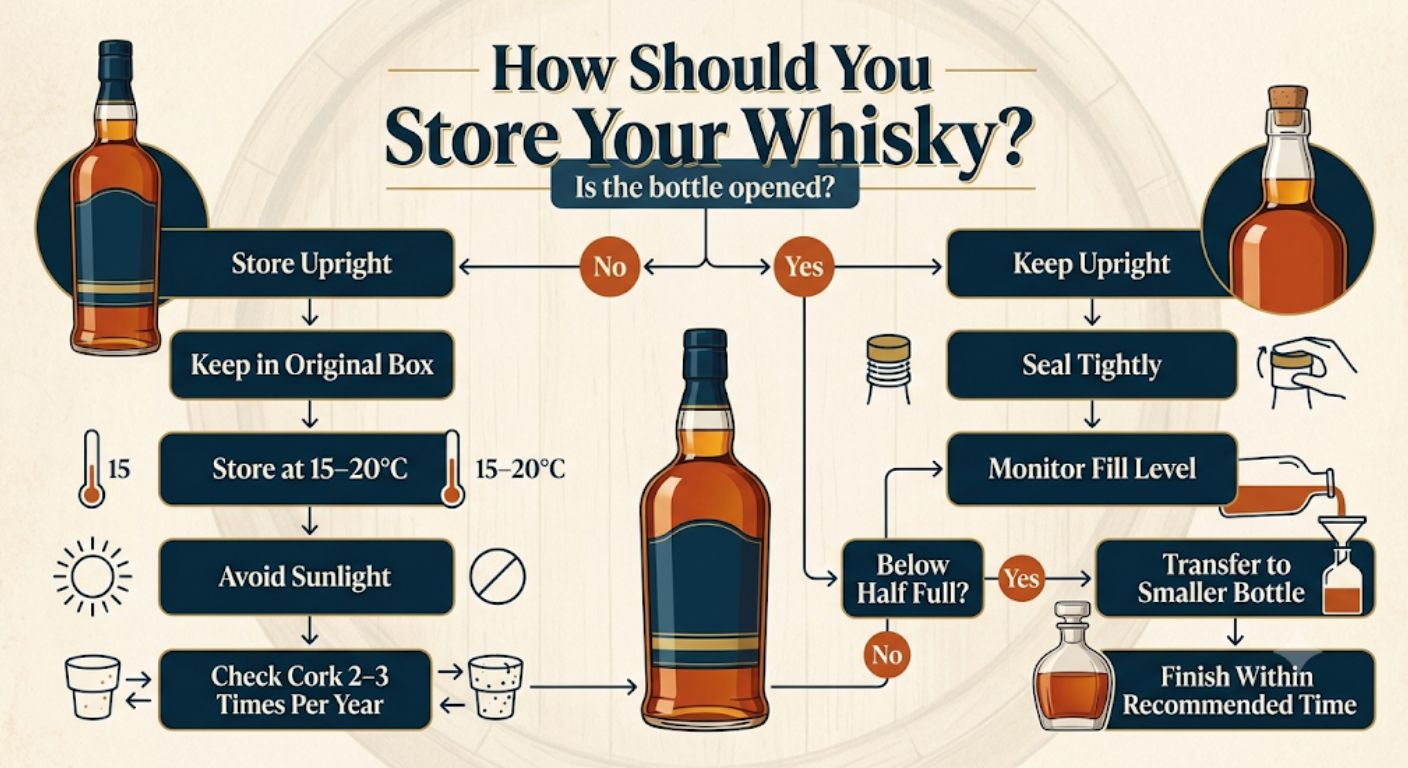
Storage Rules For Sealed Bottles
For sealed bottles, the main priority is condition preservation. The liquid is not improving in glass, so the aim is to prevent avoidable deterioration.
- Keep the bottle upright.
- Store it in darkness or inside original packaging.
- Keep temperature stable, ideally around 15–20°C.
- Avoid damp spaces that damage labels and boxes.
- Check cork and fill level periodically without excessive handling.
- Do not remove capsules, labels or packaging.
If you own bottles with older labels, paper seals or fragile presentation boxes, minimise handling. Each unnecessary move increases the chance of scuffs, tears or accidental knocks.
Storage Rules For Opened Bottles
Opened bottles need the same protection as sealed bottles, with one extra concern: oxygen. Once the fill level falls, air exposure becomes the main risk.
- Keep the cork or cap tight after every pour.
- Do not leave the bottle open while drinking.
- Store upright and away from light.
- Transfer to a smaller bottle when the fill level drops below half.
- Use opened bottles within a sensible timeframe, especially below one-third full.
- Avoid decanters unless the stopper is genuinely airtight.
For drinking bottles, the decision is simple: if you enjoy it, do not save the last quarter indefinitely. That is the point where flavour decline becomes more likely.
Decision Logic: Where Should You Store Whisky?
If you have modern drinking bottles, use a dark cupboard away from heat. Keep them upright, sealed and stable. This is enough for most bottles around £30–£100.
If you have older sealed bottles, prioritise packaging, label condition and fill level. Avoid damp cellars, garages and sunny display cabinets. Check condition periodically but handle them as little as possible.
If you have opened high-ABV or cask-strength bottles, watch the fill level closely. Higher ABV does not remove oxidation risk once the bottle has been opened. Transfer to smaller glass when the bottle drops below half full.
If you have bottles intended for long-term keeping, store them upright in original packaging, in darkness, at stable room temperature. Record purchase details, provenance and any condition notes.
If you are choosing bottles with future collectability in mind, condition matters as much as the name on the label. Storage cannot turn an ordinary bottle into an important one, but poor storage can make a strong bottle less attractive.
Common Whisky Storage Mistakes
- Storing whisky on its side: this can damage corks and cause leakage or taint.
- Displaying bottles in sunlight: UV exposure can fade labels and damage the liquid.
- Using garages or lofts: these often suffer from temperature swings.
- Ignoring opened bottles: low fill levels increase oxidation risk.
- Throwing away boxes: original packaging protects the bottle and supports condition confidence.
- Using loose decanters: poor seals increase oxygen exposure.
- Over-handling old bottles: fragile labels, capsules and boxes can deteriorate quickly.
Final Storage Rules
- Whisky should be stored upright, not horizontally.
- Keep bottles out of direct sunlight and away from UV exposure.
- Stable temperature is more important than perfect temperature.
- Aim for roughly 15–20°C where possible.
- Moderate humidity protects corks without damaging labels.
- Briefly tilt sealed bottles a few times a year to moisten corks.
- Opened bottles decline faster as headspace increases.
- Use smaller airtight glass bottles once opened whisky drops below half full.
- Protect labels, capsules, boxes and fill levels, especially on older bottles.
Good storage is simple but strict: upright, dark, stable and protected. Those four rules preserve both the whisky and the evidence around the bottle. For collectors comparing older releases, closed-distillery examples or well-preserved bottles, the wider old and rare whisky selection is the natural place to continue researching bottle condition and provenance.

Related Products
-
-
-
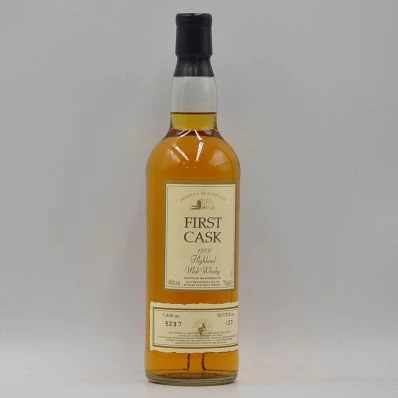 Old Rhosdhu 26 Year Old Highland Single Malt 1979 First Cask 3237Special Price £244.98 Regular Price £299.99 Inc VATSaving £55.01
 -
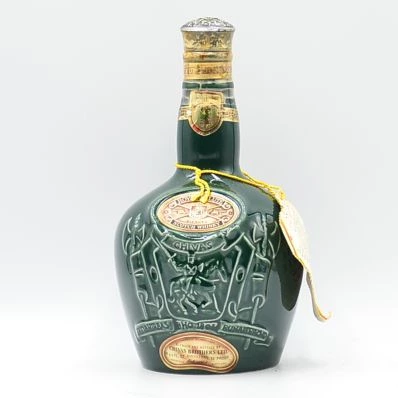 Chivas Royal Salute 21 Year Old Scotch Emerald Flagon 70 Proof 26fl oz (No Box)Special Price £169.98 Regular Price £209.99 Inc VATSaving £40.01

Comments