
 Chat with us on WhatsApp

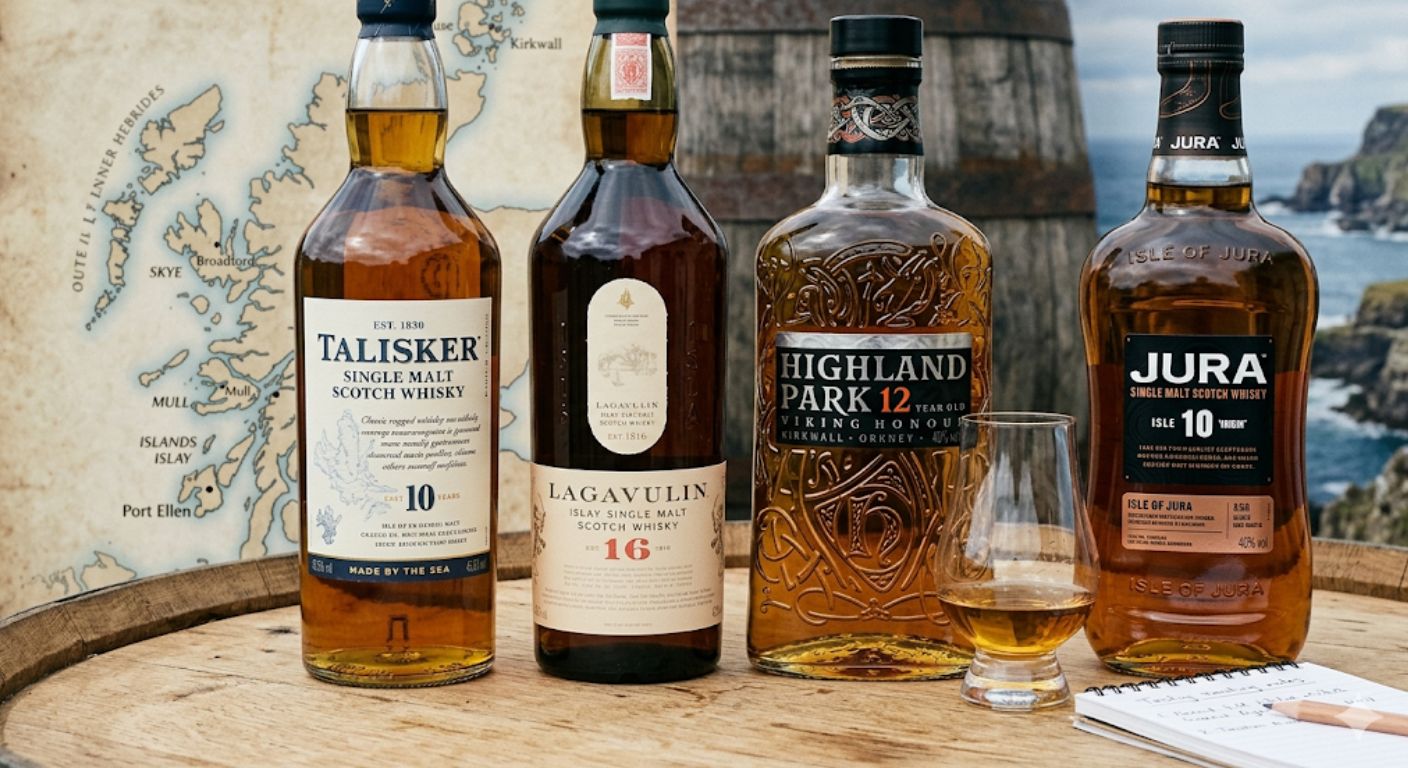
Islands Whisky Tasting Notes
Island whisky can be difficult to judge because “Islands” is a useful buying category, not a formal Scotch whisky region in the same way as Islay or Speyside. Bottles from Skye, Orkney, Arran, Jura, Mull, Raasay and other Scottish islands can share coastal character, but they do not all taste the same.
This guide explains how to read island whisky reviews properly: what maritime character actually means, how peat varies by island, which cask types matter, and how to choose a bottle without relying on vague tasting-note language. It also separates official regional classification from practical retailer grouping, because that matters when comparing bottles.
For current bottles, the full Islands Whisky selection is the natural place to compare island single malts by distillery, age, ABV and cask style.

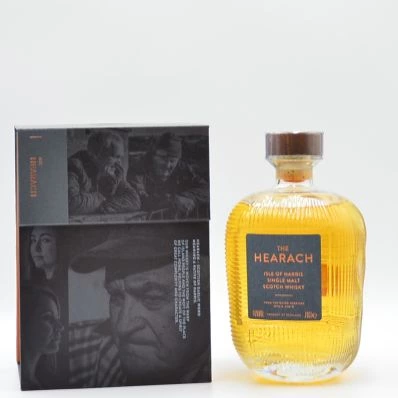
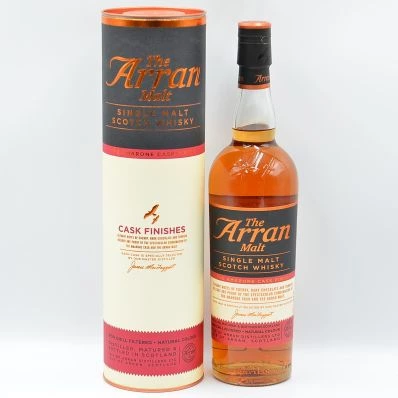
What Counts As Island Whisky?
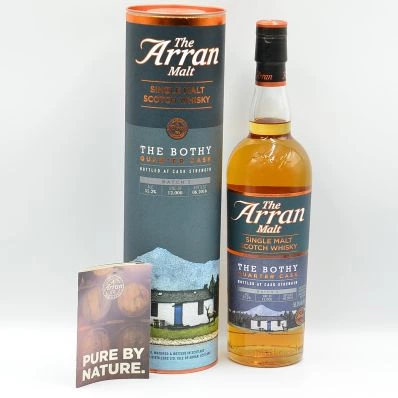
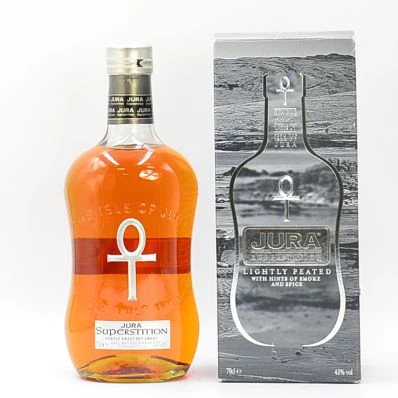
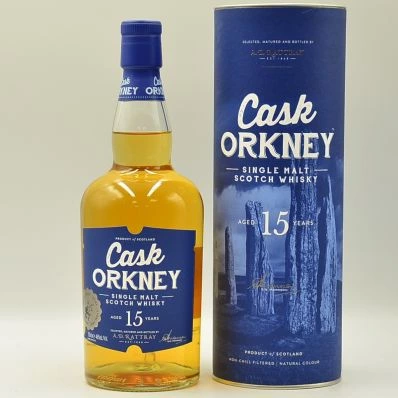
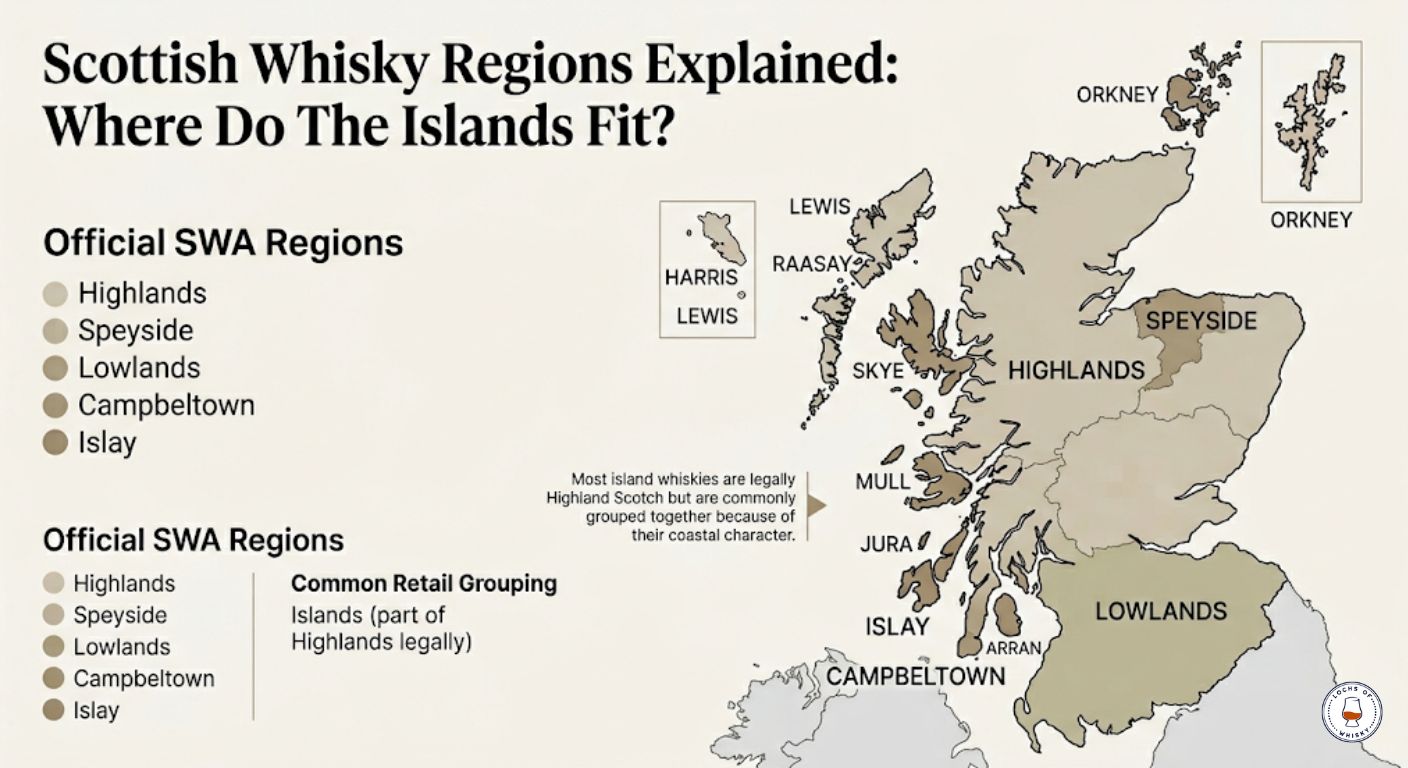
Island whisky usually refers to Scotch whisky made on Scottish islands other than Islay. This commonly includes Orkney, Skye, Mull, Jura, Arran, Raasay, Lewis and Harris. Legally, most of these whiskies sit under the Highland region, while Islay is recognised separately. In retail and tasting terms, “Islands” remains useful because many bottles share coastal, maritime or lightly smoky traits.
The official Scotch whisky regions are Highland, Lowland, Speyside, Campbeltown and Islay. The Scotch Whisky Association confirms those five regions, and Scotch must be matured in oak casks in Scotland for at least three years and bottled at a minimum of 40% ABV.
- Official classification: most non-Islay island malts are Highland Scotch.
- Retail and tasting classification: island whisky is often grouped separately because drinkers use it as a flavour and discovery category.
- Buyer relevance: the label may say Highland, but the flavour may feel closer to coastal, maritime or lightly peated styles.
This distinction matters because a bottle from Orkney, Arran or Skye may not behave like a mainland Highland whisky. Location does not guarantee flavour, but it often gives useful context.
The Core Island Whisky Profile
Island whisky is not one flavour. It is better understood as a set of overlapping traits. The most common are maritime lift, smoke, orchard fruit, citrus, malt sweetness, spice and cask-driven richness.
A typical island whisky may show:
- sea salt or brine
- light smoke or peat ash
- citrus peel
- honeyed malt
- dried fruit from sherry casks
- pepper, clove or coastal spice
- waxy or oily texture
- mineral dryness on the finish
Some bottles are bold and smoky. Others are almost entirely unpeated and fruit-led. That is why island whisky reviews need to be read through production details, not only flavour words.
A 40% ABV island whisky aged in refill bourbon casks will usually drink lighter than a 46–50% ABV expression with sherry cask influence. Cask strength island malts can feel much bigger again, especially where peat, coastal salinity and high alcohol arrive together.
Maritime Character: What Saltiness Means In The Glass
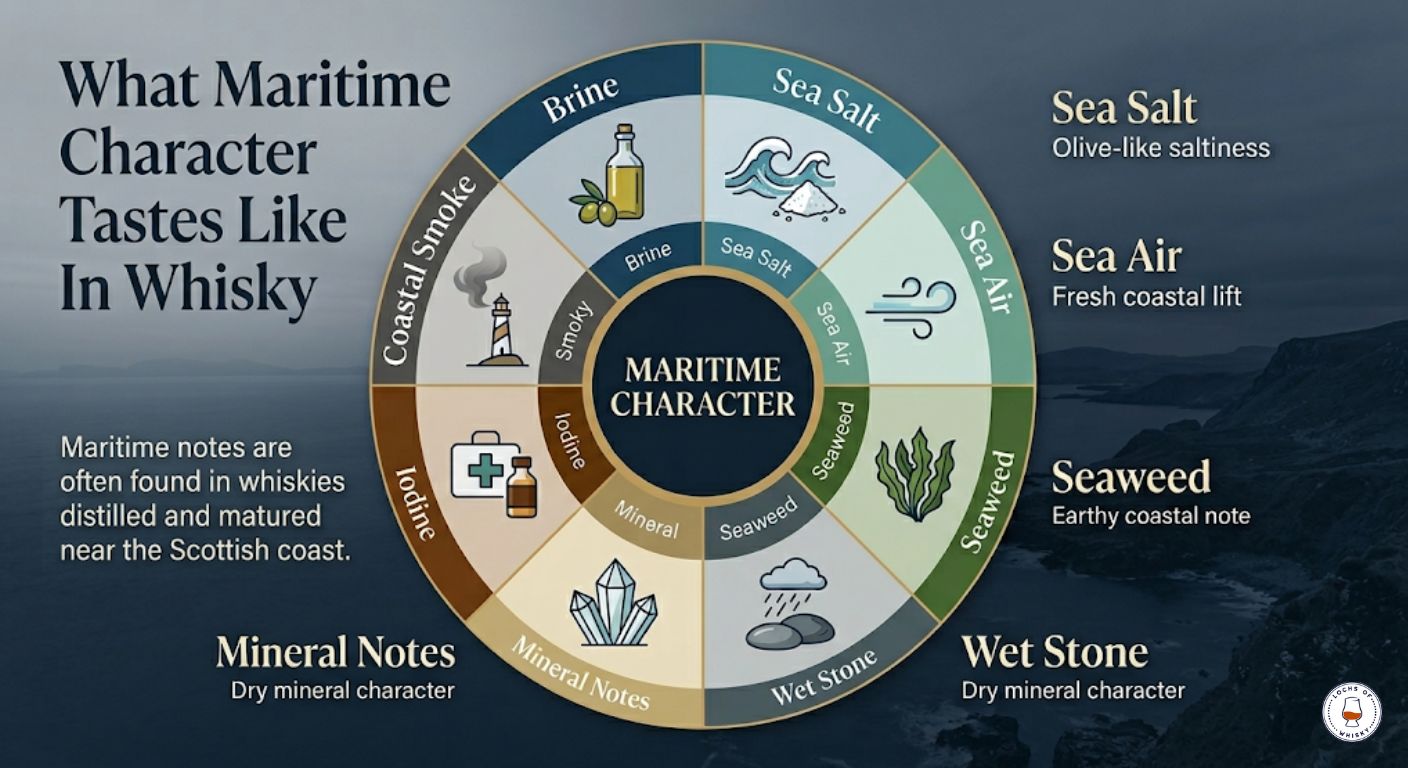
Maritime character is one of the most repeated phrases in island whisky reviews, but it can mean several things. It does not usually mean the whisky literally tastes like seawater. It is more often a dry, saline, coastal impression that sits around the edges of the fruit, malt and smoke.
Common maritime notes include:
- Brine: a clean saltiness, sometimes like olives or sea spray.
- Sea air: a fresh, mineral lift rather than obvious salt.
- Iodine: medicinal, coastal and slightly antiseptic.
- Seaweed: earthy, vegetal and coastal.
- Shellfish smoke: savoury, dry and lightly marine.
- Wet stone: mineral rather than sweet.
These notes tend to be more obvious in whiskies matured near the coast or made in styles that already lean dry, smoky or mineral. They can also be amplified by peat smoke, refill casks and higher bottling strengths.
If you dislike sweet, heavily sherried whisky, maritime island malts can offer a cleaner and drier alternative. If you dislike medicinal notes, avoid the more heavily peated examples and start with lighter coastal styles.
Peat And Smoke Across The Islands
Peat is one of the biggest reasons drinkers search for island whisky reviews. The key point is that island peat is not uniform. Islay is famous for powerful medicinal smoke, but other islands often show smoke in a softer, drier or more peppery way.
Common smoke styles include:
- Bonfire smoke: dry, woody and familiar.
- Peat ash: earthy, grey and mineral.
- Medicinal peat: iodine, TCP-like notes, seaweed and tar.
- Heather smoke: softer, floral and herbal.
- Barbecue smoke: sweeter, meatier and cask-influenced.
- Peppery smoke: dry spice rather than heavy ash.
Talisker is often used as a gateway into island peat because it combines smoke, pepper, citrus and sea salt without becoming as medicinal as many Islay malts.
If you are new to peat, do not start with the strongest bottle in the category. Start around 40–46% ABV, avoid cask strength at first, and look for tasting notes that mention pepper, citrus and light smoke rather than tar, iodine and heavy ash.
Fruit, Malt And Cask Sweetness
Island whisky is often described through smoke and salt, but many bottles are built around fruit and malt rather than peat. This is especially important for drinkers who want coastal character without a heavy smoky profile.
Unpeated or lightly peated island whisky may show:
- green apple
- pear
- lemon peel
- orange zest
- peach
- pineapple
- honey
- vanilla
- shortbread
- fresh malt
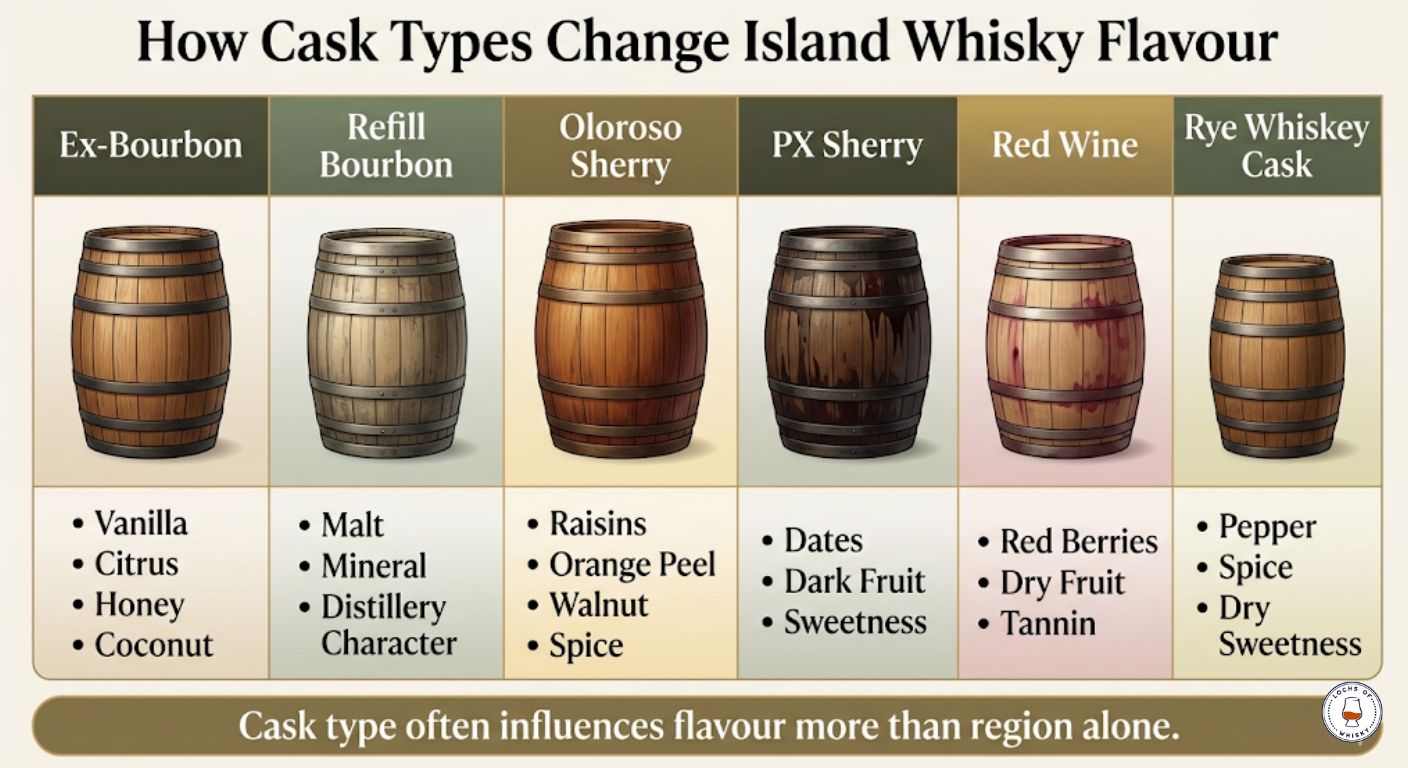
Bourbon casks usually bring vanilla, citrus, coconut and pale orchard fruit. Sherry casks bring raisin, fig, orange peel, walnut and spice. Wine casks can add red berries, tannin, dark fruit or a drier finish.
This is where ABV matters. At 40%, fruit notes can feel lighter and cleaner. At 46%, the same style often has more texture and definition. At cask strength, fruit can become intense, but alcohol heat may dominate unless the cask quality is strong.
One thing our customers often underestimate is how much ABV changes the experience: a coastal malt at 46% can feel balanced and textured, while a cask-strength island release from the same distillery may need water to show the same detail.
Cask Types Used In Island Whisky
Cask type is one of the fastest ways to understand what an island whisky will taste like. Region gives context, but wood gives much of the final flavour.
| Cask type | Common flavour impact | Buyer guidance |
|---|---|---|
| Ex-bourbon | Vanilla, citrus, honey, coconut, light oak | Good for cleaner coastal styles |
| Refill bourbon | Mineral, malt-led, lighter fruit, distillery character | Good for tasting the spirit clearly |
| Oloroso sherry | Raisin, walnut, spice, orange peel | Good for richer island malts |
| PX sherry | Dates, syrup, dark fruit, sweetness | Can be heavy; check ABV and balance |
| Red wine | Berries, tannin, dry fruit, colour | Best when well integrated |
| Virgin oak | Spice, vanilla, fresh oak, grip | Can overpower younger spirit |
| Rye whiskey cask | Pepper, spice, dry grain sweetness | Useful in modern cask recipes |
Modern island distilleries often use multi-cask recipes to create depth without relying only on long age statements. Isle of Raasay is a clear example, with releases that use peated and unpeated spirit across several cask types. The Isle of Raasay distillery guide gives useful context for how that newer island identity has been built.
Cask information is especially important for younger island whisky. A youthful spirit can taste sharp or green if the wood has not done enough work. Active casks can add structure, but too much fresh oak or wine influence can hide the distillery character.
Important Island Distilleries To Know
Island whisky is best understood through distillery identity. Each island has its own production history, and each distillery makes different choices around peat, cask type, cut points, fermentation and maturation.
Orkney
Orkney is known for coastal, heathered and lightly smoky single malts. Highland Park is the best-known name, while Scapa is often associated with a gentler, fruitier island style. Scapa can be useful for drinkers who want island provenance without heavy peat.
Typical Orkney traits include honey, citrus, heather, light smoke, malt sweetness and sea air. Older expressions may show wax, tropical fruit or soft oak depending on cask type.
Skye
Skye is strongly associated with Talisker. The classic profile is peppery, smoky, coastal and citrus-led. Talisker’s style often feels muscular without relying only on peat intensity.
Expect sea salt, black pepper, bonfire smoke, lemon, malt and drying spice. It is one of the most useful reference points for island whisky because the house style is distinctive and widely recognised.
Arran
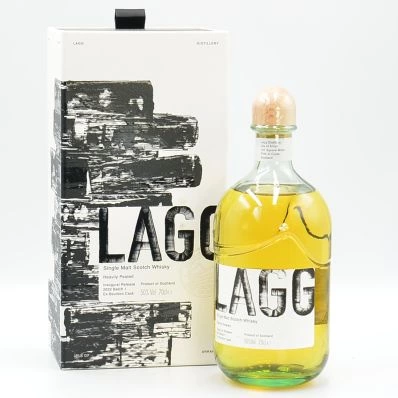
Arran has become an important island whisky name because it offers both approachable fruit-led malts and more robust cask-led releases. The Lochranza distillery is generally associated with bright fruit, malt clarity and a clean spirit style, while Lagg on the southern end of the island focuses on peated malt.
The Arran distillery guide gives more background on how the island’s whisky identity has developed across unpeated and peated styles.
Mull
Mull is home to Tobermory, which produces both unpeated Tobermory and peated Ledaig. This makes it one of the most useful examples of how one distillery site can support two different flavour identities.
Tobermory can show fruit, malt, coastal freshness and sometimes waxy texture. Ledaig is usually more smoky, earthy and coastal, often with strong savoury notes.
Jura
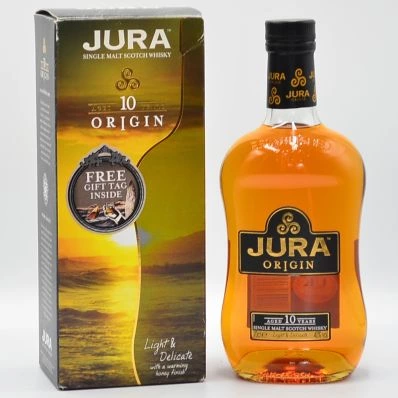
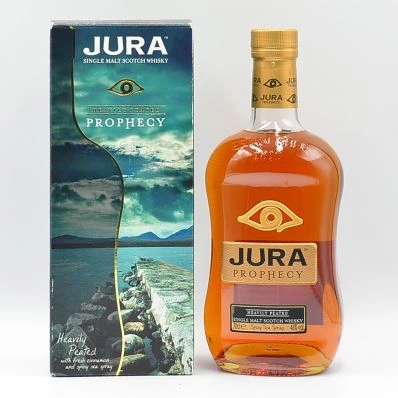
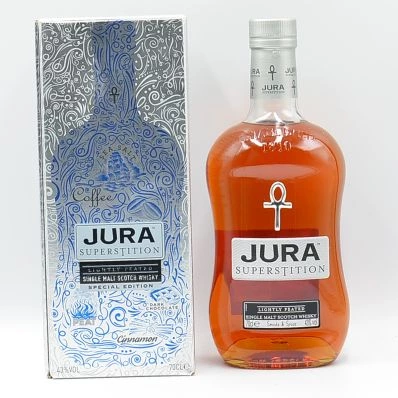
Jura often sits in a softer island style than many drinkers expect. It can show cereal, honey, nuts, gentle smoke, spice and sherry influence depending on expression.
Some Jura bottlings are approachable and rounded, while others lean into cask finishes. Check the cask description carefully because Jura’s style can change significantly across age statements and limited releases.
Raasay
Raasay is a modern island distillery known for combining peated and unpeated spirit with varied cask recipes. This gives the whisky a structured, contemporary style rather than a traditional single-cask identity.
Expect smoke, dark fruit, spice, mineral notes and cask-driven complexity. Raasay is especially relevant for drinkers interested in newer island distilleries and modern maturation strategies.
Harris, Lewis And Newer Island Producers
Newer island producers have added more variety to the category. Their importance is not just flavour; it is also provenance, local employment, island identity and production transparency.
For buyers, this means newer island bottles should be assessed differently from established age-statement malts. Look closely at ABV, cask recipe, batch information and whether the whisky is mature enough for the price.
How To Read Island Whisky Reviews Properly
A useful island whisky review should tell you more than whether the reviewer liked the bottle. It should help you predict whether the whisky fits your taste.
- ABV: 40% usually suggests lighter texture. 43–46% often gives better structure. Cask strength can be powerful and may need water.
- Age statement: A 10 or 12 year old can be excellent if the casks are active. Older is not automatically better.
- Peat level: Notes such as light smoke, bonfire, ash, iodine or tar tell you more than the word “peated” alone.
- Cask type: Bourbon casks usually keep the style cleaner. Sherry and wine casks add weight, sweetness, spice and colour.
- Chill-filtration and colour: Non-chill filtered and natural colour bottlings often appeal to enthusiasts, but they are not automatic quality guarantees.
- Finish length: Short finishes can make a whisky feel simple. Long saline, smoky or spicy finishes usually suit island styles well.
- Price band: A good £35–60 island malt should be clear, balanced and recognisable. Above £80, you should expect stronger cask detail, age, batch interest or higher ABV.
Decision Logic: Which Island Whisky Should You Choose?
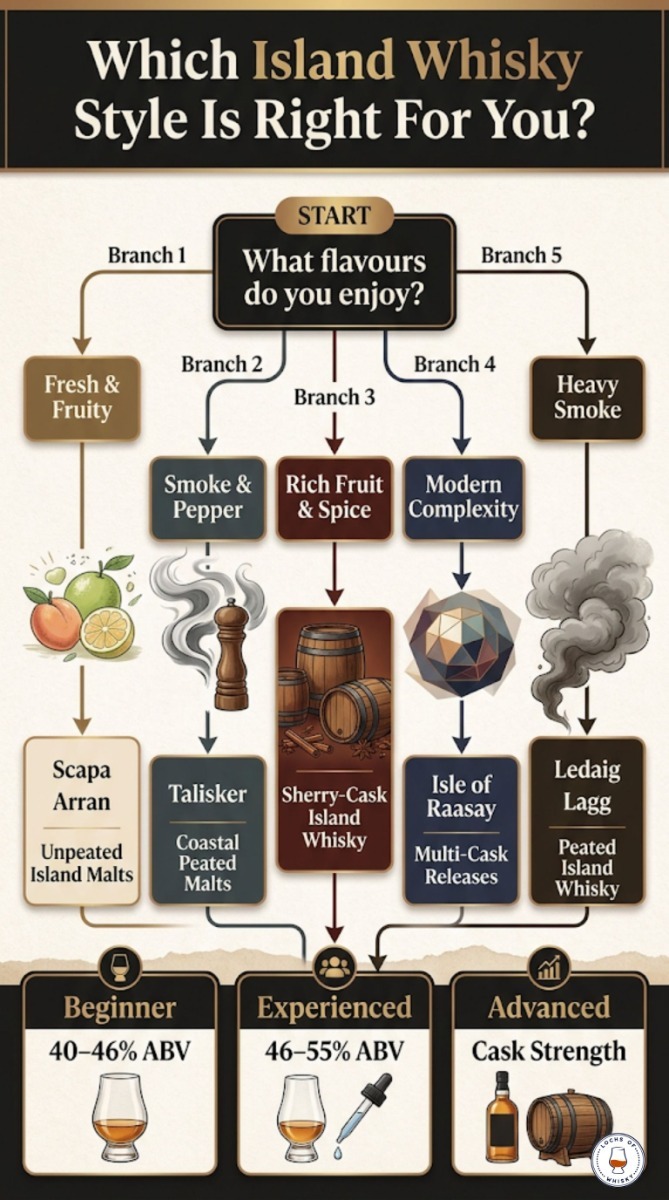
Use flavour preference first, then cask type, then ABV.
| Preference | Choose | Avoid |
|---|---|---|
| Light coastal fruit | Scapa-style or unpeated island malts | Heavy sherry peat |
| Peppery smoke | Talisker-style island malt | Very sweet PX finishes |
| Richer dried fruit | Sherry-cask island whisky | Very pale refill bourbon-only styles |
| Modern cask complexity | Raasay-style multi-cask releases | Simple 40% entry bottlings |
| Heavy smoke | Peated island or Islay-style malts | Unpeated fruit-led releases |
| Beginner-friendly island whisky | 40–46% ABV, light-to-medium peat | Cask strength peat bombs |
| Cleaner distillery character | Refill bourbon or ex-bourbon casks | Aggressive virgin oak or wine finishes |
If you are new to single malt, start with a moderate ABV bottle around 40–46%. Avoid cask strength until you know whether you enjoy peat, coastal dryness and peppery finishes.
If your budget is £30–60, look for established age statements, reliable entry malts or smaller bottles if available. Avoid paying a premium only for packaging or vague “island character” language.
If your budget is £60–120, focus on cask detail. At this level, sherry maturation, higher ABV, age statement, batch release or distillery-specific character should be clear.
If your budget is above £120, check provenance carefully. Older island malts, independent bottlings and limited releases can be compelling, but the value depends on distillery, cask, bottle condition, outturn and market context.
Island Whisky Compared With Wider Scotch Whisky
Island whisky sits inside the wider Scotch whisky landscape. It overlaps with Highland whisky legally, competes with Islay for coastal smoke, and often gives drinkers a bridge between clean mainland malts and heavier peated styles.
For broader comparison across the wider category, the Scotch Whisky range helps place island bottles beside Speyside, Islay, Highland, Lowland and Campbeltown styles.
- Speyside: usually fruit, honey, orchard notes, sherry or bourbon cask balance.
- Highland mainland: broad range, from light floral to rich and smoky.
- Islay: more strongly associated with medicinal peat, seaweed, tar and smoke.
- Campbeltown: oily, coastal, funky, sometimes smoky.
- Island whisky: coastal, varied, often smoky or mineral, but not one fixed style.
Island whisky is valuable because it gives you variety without losing a clear sense of place. A bottle from Skye will not taste like one from Arran or Orkney, but the coastal frame helps buyers make sense of the category.
Common Buyer Mistakes
The most common mistake is treating island whisky as one flavour. It is not. A soft, unpeated Orkney or Arran malt may have very little in common with a smoky Skye or Mull expression.
Other common mistakes include:
- assuming “Highland” on the label means mainland Highland style
- buying heavily peated whisky without checking smoke descriptors
- ignoring ABV and then finding the bottle too light or too strong
- assuming age statement matters more than cask quality
- treating wine cask finishes as automatically premium
- overlooking unpeated island whiskies
- choosing by region before checking cask type
- buying cask strength as a first bottle
The best approach is to read the label in order: distillery, island, age, ABV, cask type, peat level, bottler and price.
FAQ
Why is the Islands whisky region part of the Highlands?
Most non-Islay island Scotch whiskies are legally classified within the Highland region because “Islands” is not one of the five official Scotch whisky regions. Retailers and drinkers still use “Islands” as a practical category because island distilleries often share coastal, maritime or lightly smoky traits that make sense together in tasting and buying terms.
What does salinity in island whisky taste like?
Salinity usually tastes like a dry coastal edge rather than obvious table salt. It can appear as brine, sea spray, mineral dryness, seaweed, iodine or a savoury finish. It often works best with citrus, smoke or refill cask styles, where sweetness does not cover the coastal character.
Are all island whiskies smoky?
No. Some island whiskies are heavily peated, but many are lightly peated or unpeated. Scapa and some Arran releases can be fruit-led and gentle, while Talisker, Ledaig and Lagg are more associated with smoke. Always check tasting notes, cask details and ABV rather than assuming island whisky means peat.
Is Talisker a good first island whisky?
Yes, Talisker can be a good first island whisky if you want smoke, pepper and sea salt without going straight into heavier Islay peat. Talisker 10 is often used as a reference point because it shows clear island character while staying structured and widely understandable.
What ABV is best for island whisky?
For most buyers, 43–46% ABV is a strong starting point because it gives more texture than 40% without the power of cask strength. Lighter drinkers may prefer 40–43%. Experienced drinkers may enjoy 50%+ or cask strength, especially with water added gradually.
Are unpeated island whiskies worth buying?
Yes. Unpeated island whiskies can show citrus, orchard fruit, honey, malt, vanilla and coastal freshness without heavy smoke. They are useful for drinkers who want maritime character but dislike peat. Look at Scapa-style or unpeated Arran and Tobermory-style releases when you want fruit-led island whisky.
What cask type works best with island whisky?
Ex-bourbon and refill bourbon casks work well when you want clean coastal fruit, citrus and malt. Sherry casks suit richer, spicier island malts. Wine and rye casks can work well in modern releases, but they need balance because strong cask influence can hide the distillery character.
Are newer island distilleries worth watching?
Yes, especially if you are interested in modern Scotch production. Isle of Raasay, Lagg, Torabhaig and Harris show how newer island producers are building identity through peat levels, cask recipes, local provenance and transparent batch information. Judge them by balance, maturity, ABV and cask integration rather than age alone.
Structured Summary
Key Rules
- Region: “Islands” is a practical whisky category, not a formal Scotch region except for Islay’s separate status.
- ABV: 43–46% is often the safest balance of texture and drinkability.
- Peat: island smoke ranges from light peppery smoke to heavy medicinal peat.
- Cask type: bourbon casks keep island whisky cleaner; sherry and wine casks add weight and fruit.
- Age: older is not automatically better; cask quality matters heavily.
- Style: coastal does not always mean smoky.
Common Mistakes
- assuming every island whisky tastes the same
- ignoring ABV
- buying peat without checking intensity
- choosing by region without reading cask details
- assuming all island whisky is heavy, smoky or medicinal
Decision Shortcuts
- Choose lighter island whisky if you like citrus, malt and sea air.
- Choose Talisker-style whisky if you want pepper, smoke and coastal salt.
- Choose sherry-cask island whisky if you want dried fruit and spice.
- Choose Raasay-style modern releases if you want cask complexity and newer distillery character.
- Choose cask strength only if you already know you enjoy powerful whisky.
For bottle discovery across coastal, smoky, fruit-led and cask-driven island styles, the wider Islands category remains the most useful starting point.

Comments