
 Chat with us on WhatsApp

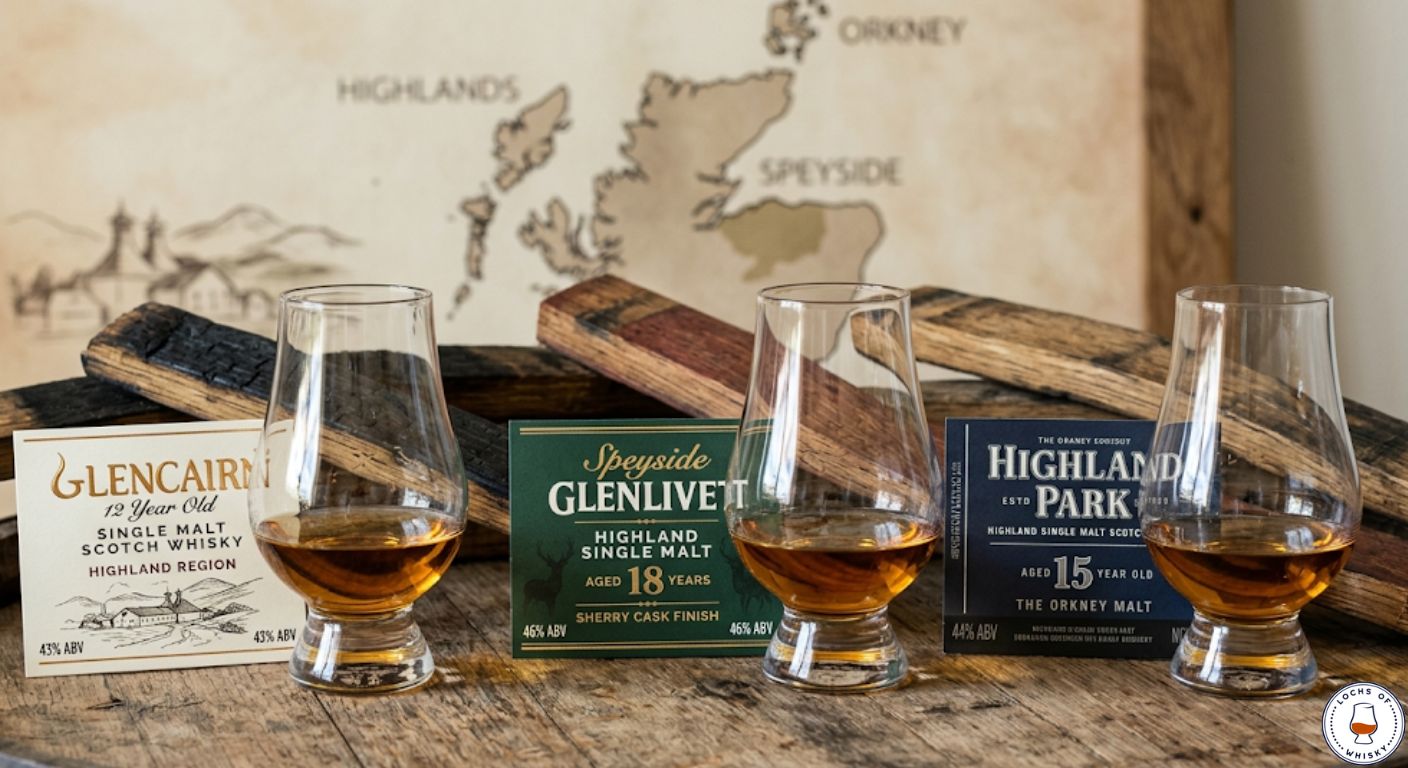
Highland Whisky Tasting Notes
Highland whisky is difficult to judge as one single style. The region is too large, too varied, and too producer-led for simple tasting rules. A Highland single malt can be light and floral, rich and sherried, waxy and full-bodied, coastal and briny, or gently smoky.
This guide is written to help you read Highland whisky reviews with more confidence. It explains the main tasting styles, what cask type and ABV usually tell you, how sub-regions affect flavour, and how to choose a bottle without relying only on age or price.
For current bottles, the best starting point is the wider Highlands Whisky selection, but the tasting logic below matters first. Highland whisky is not one flavour. It is a framework for understanding a broad group of Scotch whiskies.

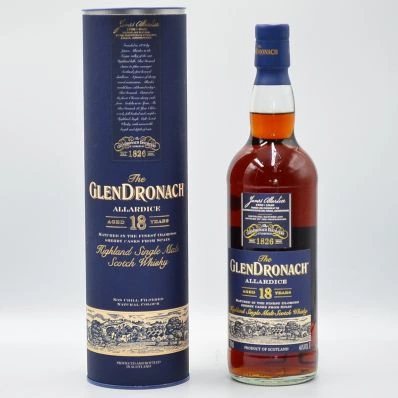
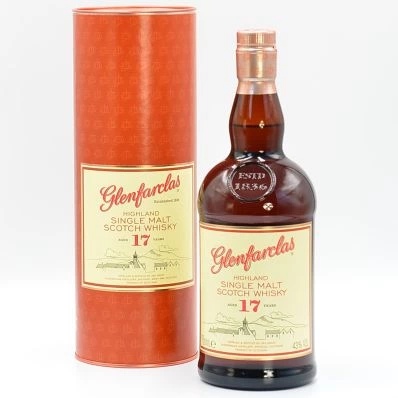
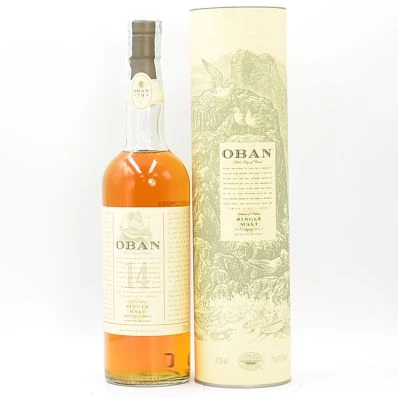
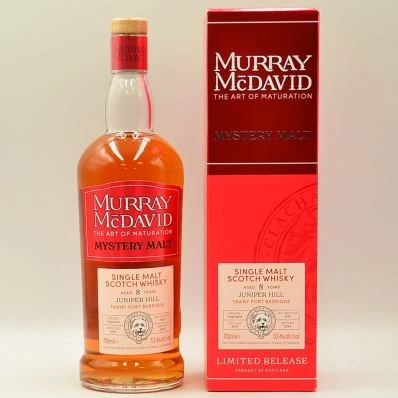
What Defines Highland Whisky?
Highland whisky is Scotch whisky produced within the Highland region, one of Scotland’s recognised whisky regions. The Scotch Whisky Association identifies Highland as one of the five Scotch whisky regions, alongside Speyside, Islay, Lowland and Campbeltown: Scotch Whisky Association whisky regions guide.
The important point is that Highland is a geographical designation, not a fixed flavour profile. That is why Highland whisky reviews can vary so much from one bottle to another.
A northern Highland malt may show waxy texture, citrus peel, spice and firm structure. A southern Highland whisky may be softer, fruitier and easier to approach. A western coastal Highland whisky may carry salt, smoke or heavier body. Some island malts are also legally treated within the Highland region, even when drinkers discuss them separately as “Island” whiskies.
This makes Highland whisky a useful region for discovery, but a poor region for assumptions. The label tells you where the whisky comes from. The cask type, ABV, age statement and distillery usually tell you more about what it will taste like.
Main Highland Whisky Flavour Styles
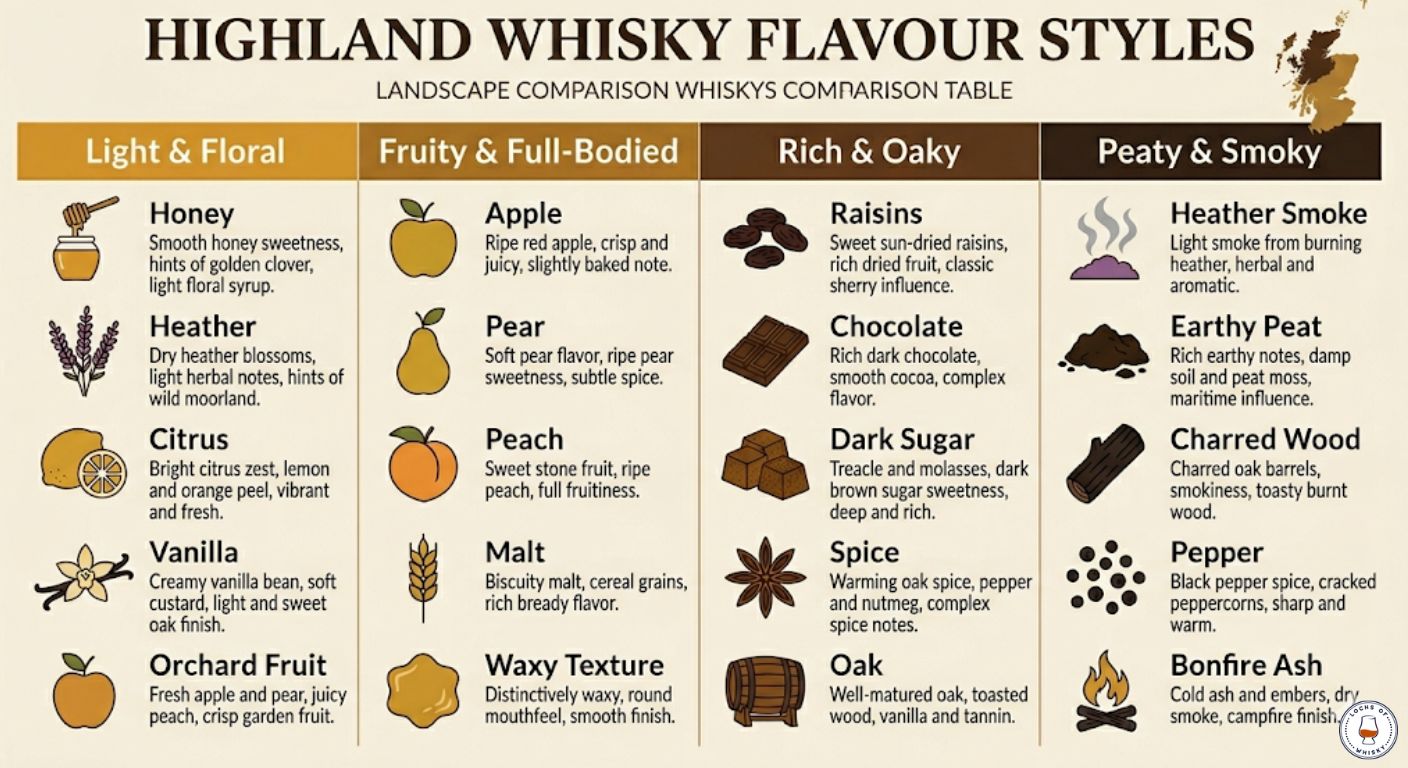
Highland whisky is best understood through tasting families rather than one regional stereotype. Most bottles fall broadly into one of four styles.
| Highland style | Common tasting notes | Typical structure | What to check before buying |
|---|---|---|---|
| Light and floral | Heather, honey, orchard fruit, vanilla, citrus | Gentle, clean, approachable | ABV around 40–43%, bourbon cask influence |
| Fruity and full-bodied | Apple, pear, peach, malt, spice, waxiness | Medium to rich, rounded | Distillery style and age statement |
| Rich and oaky | Dried fruit, chocolate, spice, toffee, dark sugar | Heavier, cask-led | Sherry, port, wine or European oak details |
| Peaty and smoky | Earth smoke, heather smoke, charred wood, pepper | Dry, smoky, sometimes coastal | Peat level, cask type and ABV |
The most useful Highland whisky reviews do not simply say “smooth” or “smoky”. They explain the structure behind the flavour. A whisky can be sweet because of first-fill bourbon casks, rich because of sherry maturation, hot because of high ABV, or thin because it is bottled at 40% with limited cask depth.
- Nose: what aromas appear before tasting
- Palate: texture, sweetness, spice, smoke and fruit
- Finish: how long the flavour lasts
- Balance: whether alcohol, cask and spirit work together
If a review gives tasting notes but no ABV, cask type or age context, it is incomplete.
Highland Sub-Regions and What They Usually Mean
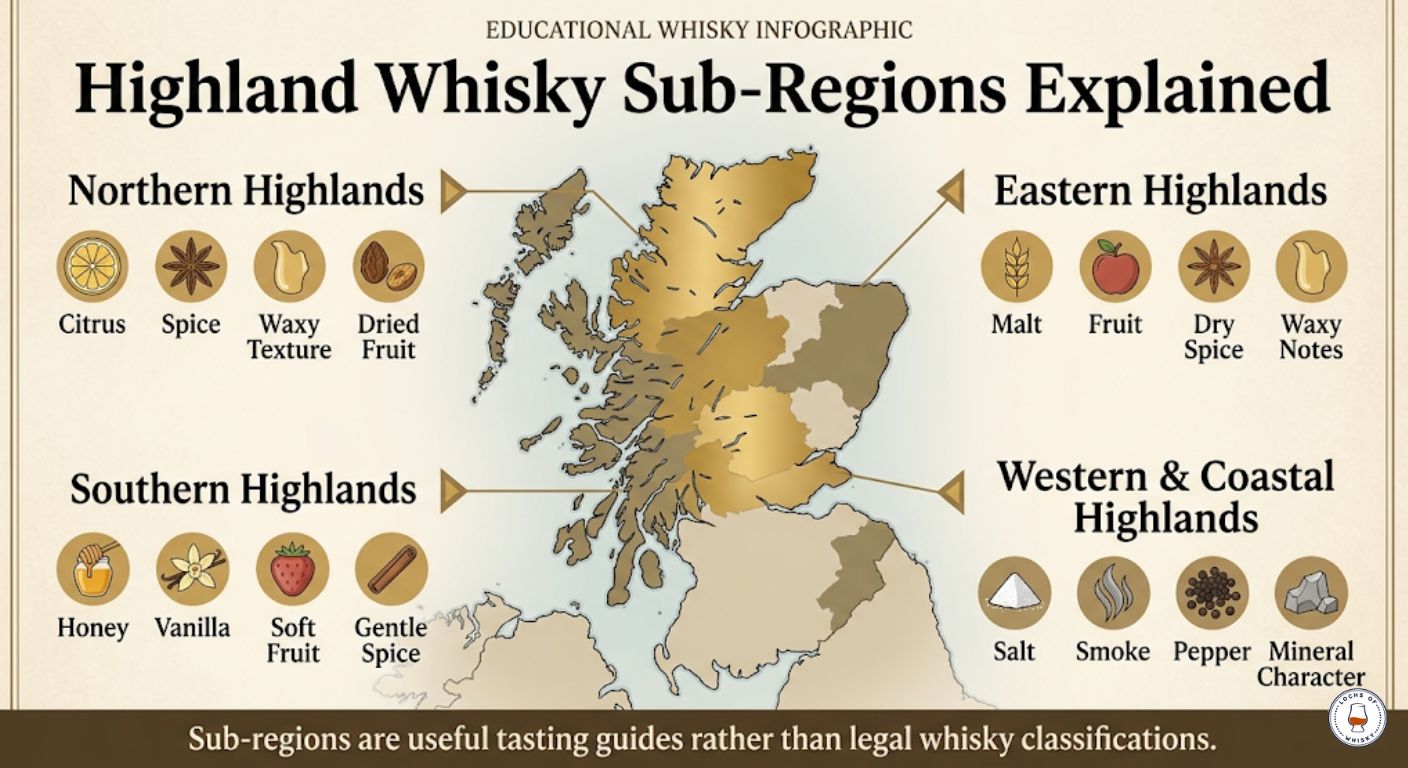
The Highlands are often split into northern, southern, eastern, western and coastal styles. These are not legal categories in the same way as the main region, but they are useful for tasting.
Northern Highlands
Northern Highland whisky often has more structure. Expect citrus peel, malt, waxy texture, spice, dried fruit and firmer body. Distilleries such as Dalmore, Clynelish, Old Pulteney and Glenmorangie are often discussed in this broad northern context, although their styles differ sharply.
The Dalmore distillery guide is relevant here because Dalmore is commonly associated with richer, sherried Highland whisky. Its style is often more cask-led than light and floral.
Southern Highlands
Southern Highland whiskies are often more approachable. They can show honey, soft fruit, vanilla, cereal sweetness and gentle spice. This style can work well for people moving from lighter Speyside malts into something with a little more body.
Aberfeldy is a good example of a Highland whisky that often leans towards honeyed fruit and accessible richness. For a more focused bottle-level review, the Aberfeldy 18 Red Wine Cask Tasting Review looks at how a red wine cask finish changes the usual profile.
Eastern Highlands
Eastern Highland whisky can be malty, dry, spicy, fruity or waxy depending on the distillery. This area does not have one simple flavour identity. Cask policy and production style matter more than geography alone.
Closed distilleries can also sit in this discussion. The Glenesk distillery guide gives useful context for a Highland distillery whose bottles are now mainly of interest through historic and independent releases.
Western and Coastal Highlands
Western Highland whisky can be more coastal, heavier or smoky. You may find salt, pepper, mineral notes, damp wood, smoke or broader texture. These bottles can appeal to drinkers who want something more rugged than a soft fruit-led malt but less medicinal than many Islay whiskies.
Loch Lomond is particularly useful because its production setup allows for a wide range of styles, from lighter spirit to heavier and peated variants. The Loch Lomond distillery guide explains why its output can be difficult to reduce to one tasting profile.
How Cask Type Changes Highland Whisky Reviews
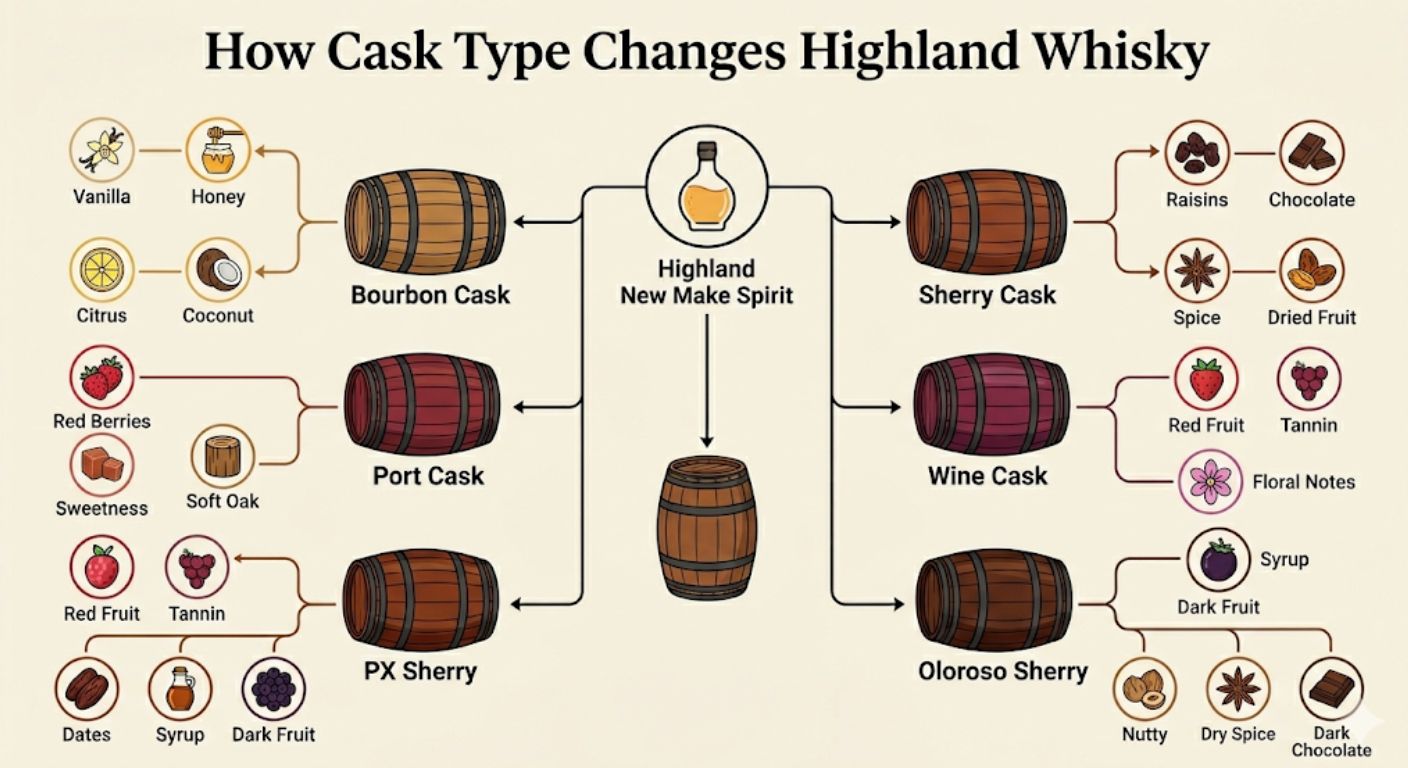
Cask type is often more important than region when judging Highland whisky. Two bottles from the same distillery can taste completely different if one is matured in refill bourbon barrels and the other in first-fill sherry casks.
Bourbon Casks Usually Bring
- Vanilla
- Coconut
- Honey
- Citrus
- Light oak
- Cleaner fruit
Sherry Casks Usually Bring
- Raisin
- Fig
- Date
- Chocolate
- Clove
- Dark sugar
- Heavier oak
Wine cask finishes can bring red fruit, tannin, dryness or sweetness depending on the wine and length of finish. Port casks may add berry fruit and rounded sweetness. PX sherry can give dense sweetness and syrupy dried fruit. Oloroso is often drier, nuttier and spicier.
A finish is not the same as full maturation. A whisky finished in a sherry cask may only spend its final months or years in that wood. Full sherry maturation usually has a deeper effect on colour, texture and flavour.
The question our customers often ask is whether a sherry-cask finish is the same as full sherry maturation. It is not, and the difference usually shows up in both the flavour and the price.
This matters when reading Highland whisky reviews. If a bottle is described as rich, dark and Christmas-cake-like, the cask may be doing most of the work. If it is described as waxy, mineral, citrus-led or oily, the distillery character may be more visible.
ABV, Age Statement and Mouthfeel
ABV changes how Highland whisky tastes. A 40% ABV whisky can be easy to drink but may feel lighter or thinner. A 46% ABV whisky often gives more texture, better flavour delivery and less chill-filtration. Cask-strength bottlings, often above 50% ABV, can be powerful and concentrated but may need water.
| ABV range | What it often means | Best for |
|---|---|---|
| 40% | Lighter, softer, often entry-level | Easy drinking and gifting |
| 43% | Slightly more structure | Balanced everyday single malt |
| 46% | Better texture and flavour carry | Enthusiasts wanting more depth |
| 50%+ | Intense, concentrated, sometimes hot | Experienced drinkers, careful tasting |
Age matters, but it is not the whole answer. A well-made 10 or 12 year old from active casks can outperform an 18 year old from tired wood. Older whisky may bring softer oak, dried fruit and greater integration, but it can also lose freshness if the cask has not worked well.
Glenmorangie is a useful example because its taller stills and lighter spirit style often make maturation details easy to spot. The Glenmorangie 18 Extremely Rare Tasting Review is a good companion piece for understanding how age, oak and house style can work together.
Are Highland Whiskies Peated?
Some Highland whiskies are peated, but peat is not the default Highland style. Highland peat is often earthier, drier and more heather-led than Islay peat, which is frequently described as more medicinal, coastal, iodine-like or seaweed-influenced. The result is usually softer smoke, although some Highland malts can still be powerful.
This distinction matters for buyers. Someone who dislikes medicinal Islay smoke may still enjoy a lightly peated Highland whisky. Someone who wants heavy peat may find many Highland examples too restrained.
- Heather smoke
- Dry earth
- Charred wood
- Pepper
- Bonfire ash
- Smoked malt
- Coastal salt, depending on location
Do not rely only on the word “peated”. Check the distillery, ABV and cask type. A peated bourbon-cask Highland malt may feel dry and smoky. A peated sherry-cask Highland malt may feel richer, darker and more savoury.
Highland Whisky vs Speyside Whisky
Highland whisky is broader and usually more varied than Speyside whisky. Speyside is often associated with orchard fruit, honey, vanilla, malt and polished sweetness. Highland whisky can include those flavours, but it can also be waxier, smokier, spicier, coastal, richer or more robust.
Speyside sits within the wider Highland geography historically, but it is recognised separately in Scotch whisky classification. That is why a Speyside malt and a Highland malt may feel close in some cases and very different in others.
- Choose Speyside if you want honey, apple, pear, vanilla and gentle spice.
- Choose Highland if you want broader variation, heavier texture, coastal notes, waxiness, richer casks or light smoke.
- Choose Islay if smoke and peat are the central reason you are buying.
- Choose Campbeltown if you want coastal weight, oiliness, funk and complexity.
For broader browsing across Scotch styles, the wider Scotch Whisky category gives useful context without forcing every bottle into one tasting profile.
How to Read Highland Whisky Reviews Properly
A good Highland whisky review should help you predict whether the bottle suits your palate. It should not just list poetic flavours.
- Check the distillery: Some Highland distilleries are light and floral. Others are waxy, coastal, smoky or sherry-led.
- Check the ABV: A 40% whisky and a 57% whisky from the same producer are not equivalent drinking experiences.
- Check the cask: Bourbon, sherry, wine, port and refill casks all change the result.
- Check whether it is official or independent: Independent bottlings may show a different side of the distillery, especially when single cask, cask strength or unusual maturation is involved.
- Check age and vintage: Age tells you time in cask. Vintage tells you when it was distilled. Bottling year tells you the era of release.
- Check the finish length: Short finishes often suggest lighter spirit, lower ABV or less active wood. Long finishes usually show stronger structure, better cask influence or higher strength.
- Watch for vague praise: Words like smooth, premium or complex are not enough unless the review explains why.
Decision Logic: Which Highland Whisky Should You Choose?
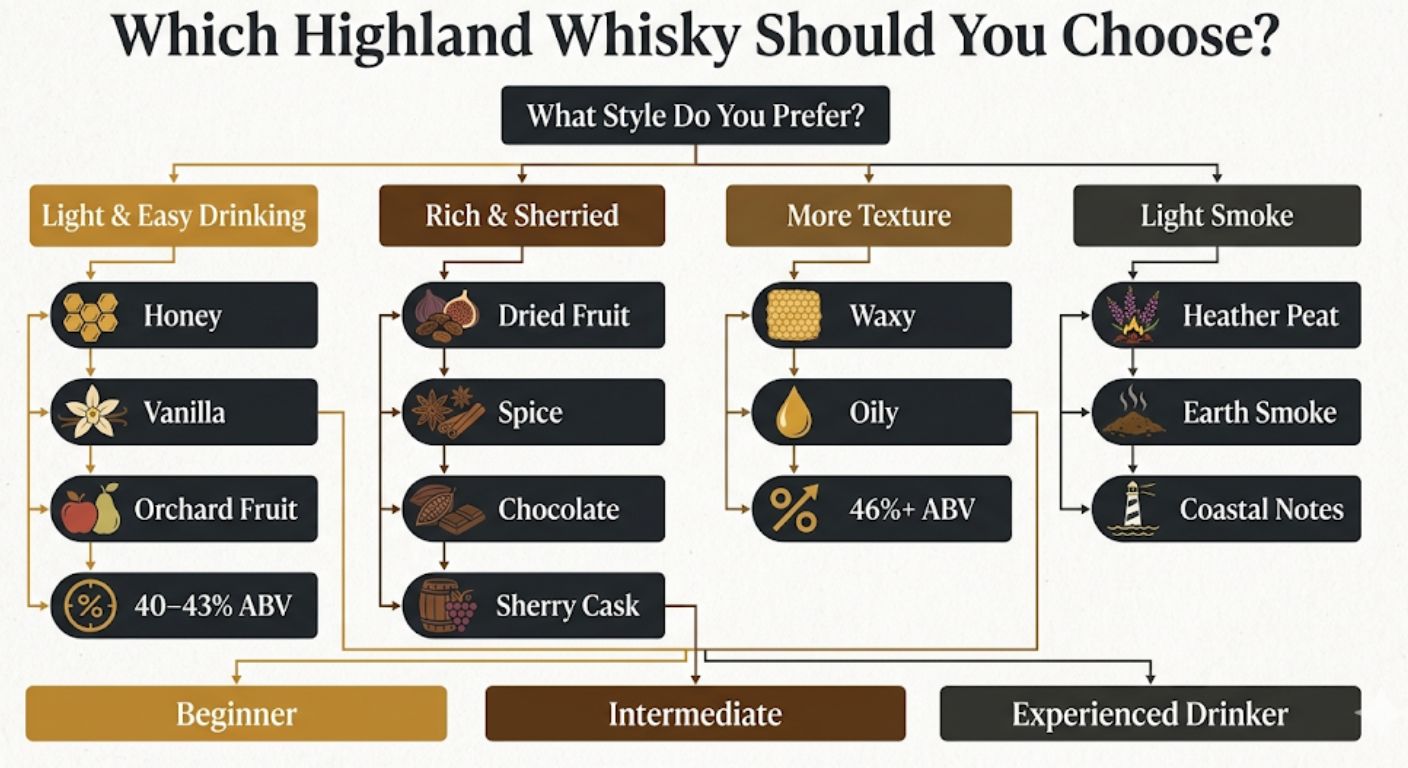
If you are new to Highland whisky, start with a lighter or honeyed style around 40–43% ABV. This gives you fruit, malt and sweetness without too much alcohol heat.
If you already enjoy Speyside whisky, look for southern Highland or bourbon-cask Highland malts. These usually keep the fruit and honey but add more body.
If you want richer whisky, choose sherry cask or wine cask Highland malts. Check whether the bottle is full maturation or finish. Full maturation usually gives deeper cask character.
If you want texture, look for 46% ABV or higher. Waxy, oily and mouth-coating notes are easier to notice when the whisky has enough strength.
If you want smoke but not medicinal peat, try lightly peated Highland whisky before moving into heavier Islay styles.
If your budget is £30–60, avoid judging only by age. A younger 46% whisky from a good cask may offer better flavour than a thin older bottle at 40%.
If your budget is £80–150, check cask detail carefully. At this price, vague wording such as “special cask finish” is not enough. You want age, cask type, bottler, ABV and distillery context.
If you are buying old or collectible Highland whisky, condition and provenance matter as much as flavour. Fill level, packaging, closure condition and bottling era should all be checked before purchase.
Common Buyer Mistakes With Highland Whisky
The first mistake is assuming Highland means one flavour. It does not. Highland is too broad for that.
The second mistake is treating age as the main quality signal. Age can help, but cask quality, ABV and distillery character often matter more.
The third mistake is ignoring ABV. Many buyers underestimate how different cask-strength whisky feels compared with a standard 40% release.
The fourth mistake is assuming all smoke tastes like Islay smoke. Highland peat can be earthy, dry and heather-led rather than medicinal or seaweed-heavy.
The fifth mistake is overlooking independent bottlings. For enthusiasts, independent Highland releases can show cask strength, single cask or less standardised distillery character.
FAQ
What does Highland whisky taste like?
Highland whisky can taste floral, honeyed, fruity, waxy, spicy, smoky, coastal or sherried depending on the distillery and cask. It is Scotland’s broadest whisky region, so there is no single Highland flavour. ABV, cask type and distillery style are more useful than the region alone.
Is Highland whisky good for beginners?
Yes, many Highland whiskies are suitable for beginners, especially lighter bourbon-cask styles around 40–43% ABV. Look for honey, vanilla, orchard fruit and gentle spice. Avoid starting with high-strength, heavily sherried or peated bottles unless you already know you enjoy those styles.
Are Highland whiskies peated?
Some are, but many are not. Highland peat is often earthy, dry and heather-like rather than medicinal or seaweed-heavy. If you want light smoke without the intensity of many Islay whiskies, a lightly peated Highland malt can be a good middle ground.
Is Highland Park a Highland whisky or Island whisky?
Highland Park is often discussed as an Island malt because it is produced on Orkney and has maritime character with distinctive Orcadian peat. In formal Scotch whisky region terms, the Islands are not a separate official region in the same way, so it is commonly grouped under Highland classification.
What ABV is best for Highland whisky?
For easy drinking, 40–43% ABV is usually enough. For better texture and flavour delivery, 46% ABV is often stronger. Cask-strength Highland whisky above 50% ABV can be excellent but may need water and is usually better for experienced drinkers.
Is older Highland whisky always better?
No. Older Highland whisky is not automatically better. Age can add integration, oak and dried fruit, but cask quality matters more. A well-matured 10 or 12 year old can be more balanced than an 18 year old from inactive casks.
What is the best cask type for Highland whisky?
There is no single best cask. Bourbon casks suit lighter, fruitier and more spirit-led Highland whisky. Sherry casks suit richer, darker and spicier styles. Wine and port finishes can work well, but the finish should be judged by balance rather than colour alone.
How should I taste Highland whisky?
Use a tulip-shaped glass if possible. Nose the whisky first, take a small sip, then add a few drops of water if the ABV is high or the alcohol feels tight. Judge nose, palate, finish, texture and balance rather than focusing only on one flavour note.
Structured Summary
Key Rules
- Highland whisky is a region, not one flavour.
- ABV changes texture: 40% is lighter, 46% gives more structure, 50%+ needs more care.
- Cask type often explains more than geography.
- Bourbon casks usually show vanilla, honey and citrus.
- Sherry casks usually show dried fruit, spice and darker sweetness.
- Highland peat is often earthy and heather-led rather than medicinal.
- Age helps, but cask quality and balance matter more.
Common Mistakes
- Assuming all Highland whisky tastes the same.
- Buying by age statement alone.
- Ignoring ABV.
- Confusing sherry finish with full sherry maturation.
- Assuming all peated whisky tastes like Islay.
- Treating “smooth” as a useful tasting note without detail.
Decision Shortcuts
- New to Highland whisky: choose light, honeyed, 40–43% ABV.
- Want more depth: choose 46% ABV or higher.
- Want richness: look for sherry, port or wine cask influence.
- Want smoke: look for lightly peated Highland whisky before heavier Islay.
- Want collector context: check distillery, bottler, vintage, condition and packaging.
For practical browsing after the tasting logic is clear, use the Highlands Whisky range as the natural next step.

Comments