
 Chat with us on WhatsApp


Islay Whisky Tasting Notes
Islay whisky is often the first place drinkers go when they want smoke, peat, brine and a more coastal style of Scotch. It is also one of the easiest regions to misunderstand. Not every Islay whisky is heavily peated, not every smoky whisky tastes the same, and age statement alone does not tell you whether a bottle will be balanced, medicinal, sweet, dry, oily or intense.
This guide explains how to read Islay whisky tasting notes properly before choosing a bottle. It covers peat character, maritime influence, medicinal notes, cask types, ABV, age statements, distillery differences and beginner-friendly decision logic. For current bottles from the region, the full Islay whisky selection gives useful context across styles, age statements and price points.
-
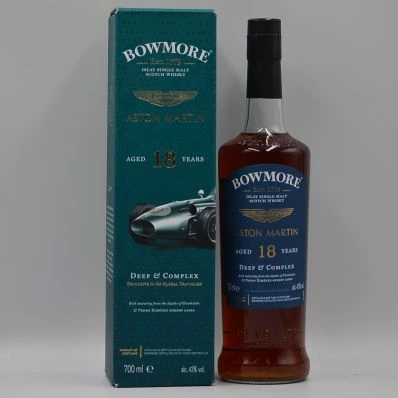 Bowmore 18 Year Old Islay Whisky Aston Martin Edition No.6Special Price £199.98 Regular Price £229.99 Inc VATSaving £30.01Out of stock
 -
-
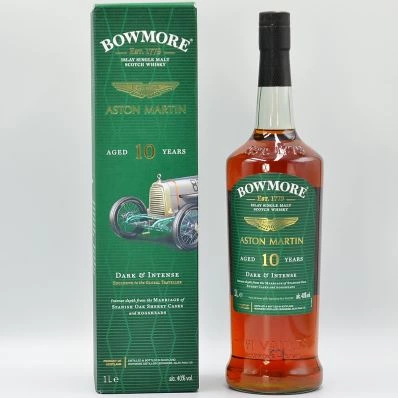 Bowmore 10 Year Old Islay Whisky Aston Martin Edition No.7 100clSpecial Price £83.98 Regular Price £99.99 Inc VATSaving £16.01
 -
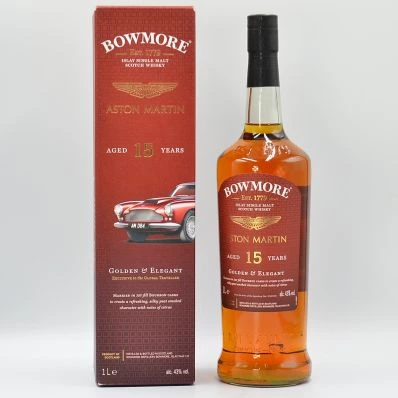
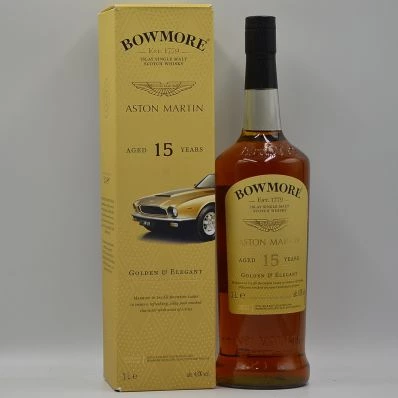 Bowmore 15 Year Old Islay Whisky Aston Martin Edition No.5 100clSpecial Price £142.98 Regular Price £169.99 Inc VATSaving £27.01
 -
-
-
-
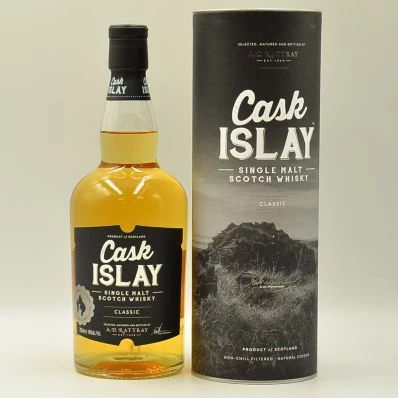 Cask Islay Classic Single Malt Whisky A.D. RattraySpecial Price £35.98 Regular Price £39.99 Inc VATSaving £4.01
 -
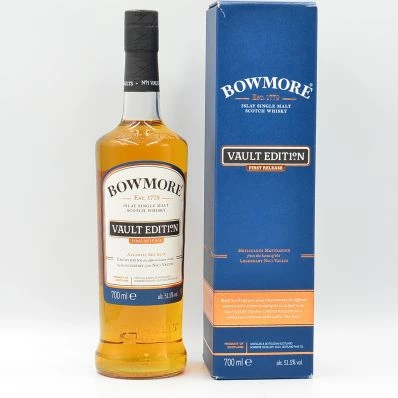 Bowmore Islay Whisky Vault Edition First Release: Atlantic Sea SaltSpecial Price £73.98 Regular Price £89.99 Inc VATSaving £16.01
 -
-
-
What Is Islay Whisky?
Islay whisky is Scotch whisky produced on the island of Islay, off the west coast of Scotland. It is best known for peated single malts with smoky, coastal and medicinal notes, although the region also produces gentler and unpeated styles. Islay is a regional identity, not a guarantee that every bottle will taste the same.
To be Scotch whisky, the spirit must be distilled in Scotland, matured in oak casks for at least three years, and bottled at a minimum of 40% ABV. The Scotch Whisky Association provides the official legal framework for Scotch whisky definitions and production rules.
Within that framework, Islay has a distinct reputation because many of its distilleries use malted barley dried with peat smoke. This gives the whisky flavours often described as bonfire ash, seaweed, iodine, smoked meat, tar, soot, antiseptic, brine, lemon peel and dark malt.
How to Pronounce Islay
Islay is pronounced “Eye-luh”. It is not “Is-lay” or “Is-luh”. Some distillery names also have Gaelic roots, so pronunciation can vary slightly by speaker, but the most useful buyer-level rule is simple: Islay sounds like “Eye-luh”.
Common pronunciation guides include Laphroaig as “Luh-froyg”, Lagavulin as “Lag-a-voo-lin”, Ardbeg as “Ard-beg”, Bowmore as “Bo-more”, Caol Ila as “Cull Eela”, and Bruichladdich as “Brook-laddie”. You do not need perfect Gaelic pronunciation to understand the bottles, but it helps when comparing reviews, distillery guides and tasting notes.
How Islay Whisky Usually Tastes
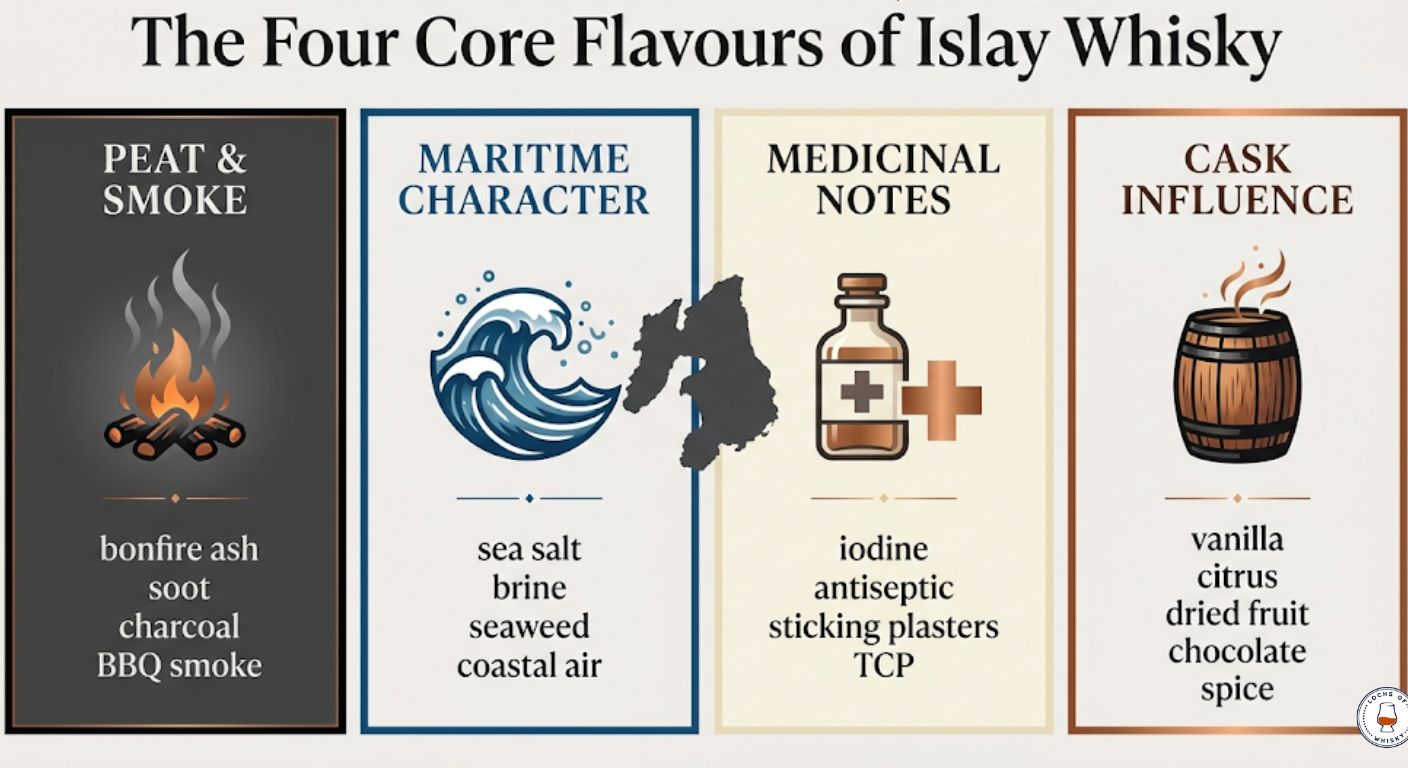
Most Islay whisky reviews focus on four main flavour groups: peat smoke, maritime character, medicinal notes and cask influence. These are the core signals to look for when reading tasting notes.
Peat and smoke
Peat smoke can taste earthy, ashy, woody, tarry, herbal, oily or meaty. Some Islay bottles are sharp and phenolic, while others are softer and more integrated. Laphroaig 10 often shows medicinal peat and seaweed. Ardbeg 10 usually leans towards lemon, soot and coastal smoke. Lagavulin 16 is typically richer, darker and more rounded.
Maritime flavour
Many Islay whiskies carry coastal notes such as sea salt, brine, seaweed, shellfish, wet rope, mineral smoke and Atlantic air. These notes do not come from one single source. They can be shaped by peat composition, maturation environment, distillery style and the way drinkers perceive smoky spirit from a coastal region.
Medicinal notes
Medicinal tasting notes can include iodine, sticking plasters, antiseptic, TCP, hospital corridors, ointment and carbolic soap. These notes are not faults. They are part of the phenolic character created by peated malt and are especially associated with more forceful Islay styles.
Customers regularly ask us whether medicinal notes mean a bottle has gone bad. They usually do not; in heavily peated Islay whisky, iodine and antiseptic notes are often part of the intended flavour profile.
Cask influence
Cask type changes how Islay peat presents itself. Ex-bourbon casks usually keep the smoke cleaner, brighter and more citrus-led. Sherry casks add dried fruit, treacle, chocolate, walnut, tobacco and richer sweetness. Wine casks can add red fruit, tannin or spice, but they need enough structure to avoid clashing with the peat.
What Exactly Is Peat?
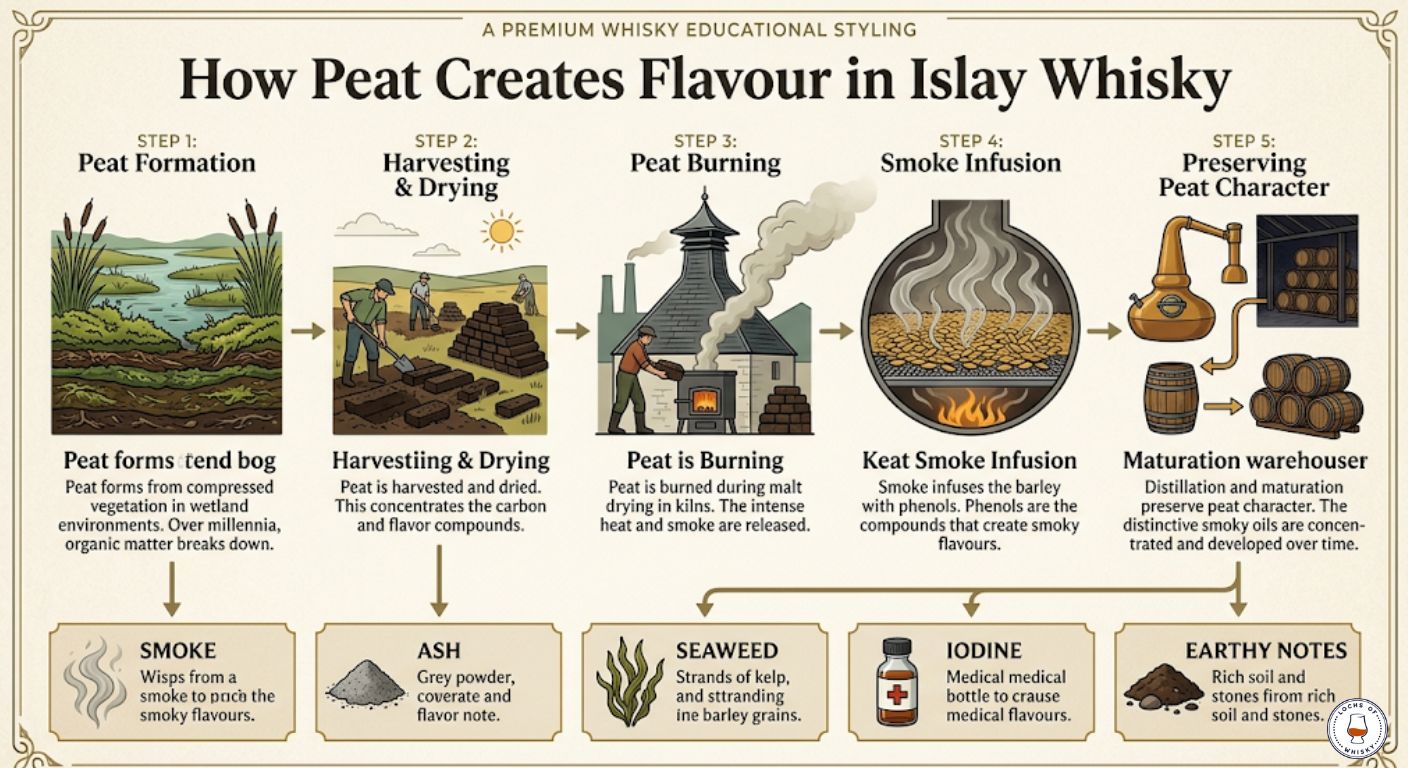
Peat is partially decomposed plant material formed over long periods in wet, oxygen-poor ground. In whisky production, dried peat can be burned during kilning to smoke malted barley. That smoke leaves phenolic compounds in the malt, which later show up as smoky, earthy, medicinal or maritime flavours.
Peat is not exclusive to Islay, but Islay is the Scotch region most closely associated with it. The island’s peat can include marine vegetation and mosses, which helps explain why some Islay whiskies taste more coastal, medicinal or seaweed-led than peated whisky from other regions.
This is where Islay differs from broader Scotch whisky discovery. A Speyside or Highland single malt may use peat, but the expected flavour balance is usually different. Islay peat tends to be more direct, coastal and phenolic.
How ABV Changes Islay Whisky Tasting Notes
ABV matters more with Islay whisky than many buyers expect. A 40% bottle may feel lighter, softer and easier to drink, while a 46% bottle often carries more texture, smoke and cask weight. Cask-strength Islay whisky can be powerful, oily and intense, but it may need water to open properly.
- 40–43% ABV: usually softer, easier and more approachable.
- 46% ABV: often a strong balance of flavour, texture and drinkability.
- 50%+ ABV: more intensity, but less forgiving for beginners.
- Cask strength: best for experienced drinkers who are comfortable adding water.
ABV should be read alongside cask type. A sherry-cask Islay at 46% can feel richer and rounder than a bourbon-cask Islay at the same strength. A young cask-strength peated whisky can feel sharp if the spirit has not had enough time or cask quality to settle.
Age Statement: What It Does and Does Not Tell You
Age statement tells you the youngest whisky in the bottle, but it does not guarantee quality. With Islay whisky, younger spirit can be exciting because peat, smoke and distillery character are still vivid. Older Islay whisky can be excellent, but long maturation may soften peat and bring more oak, fruit, leather and polish.
A 10-year-old Islay whisky may be more direct and smoky than an 18-year-old from the same distillery. A 16-year-old may offer a better balance of smoke, cask sweetness and maturity. The key is not simply “older is better”. It is whether the age, cask type and distillery style are working together.
Key Islay Distillery Styles to Understand
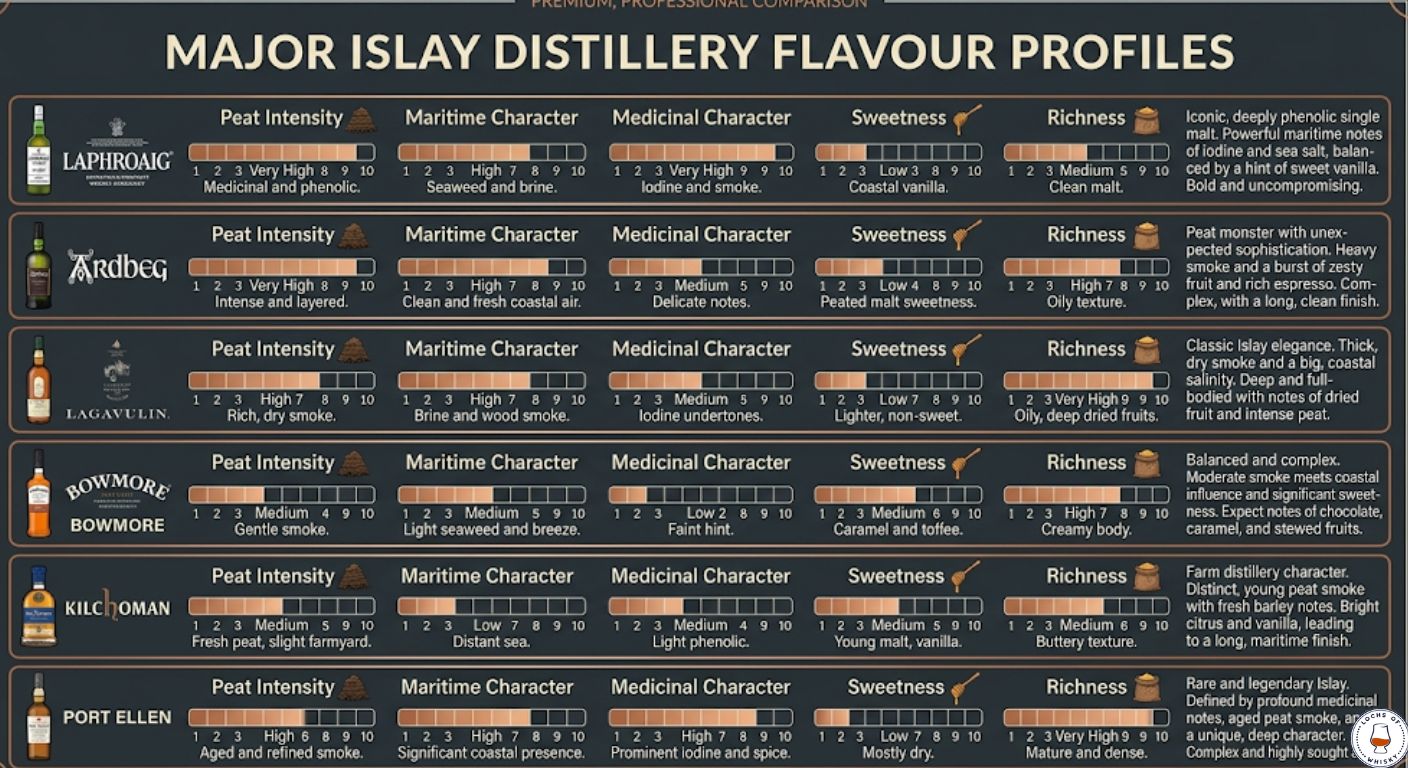
Islay distilleries share geography, but they do not all produce the same whisky. Distillery character remains one of the most important clues when reading Islay whisky reviews.
Laphroaig
Laphroaig is known for medicinal peat, iodine, seaweed, smoke, lemon, salt and a firm phenolic edge. It is one of the most divisive Islay profiles and one of the clearest examples of why Islay whisky can feel so different from mainland Scotch.
Ardbeg
Ardbeg often combines heavy peat with citrus, soot, espresso, pepper, smoked meat and coastal oiliness. It can be intense, but the best examples are not just smoke bombs; they have structure, sweetness and balance.
Lagavulin
Lagavulin is usually richer, darker and more rounded than many entry-level Islay bottles. Expect peat smoke, dried fruit, charred oak, roasted malt, iodine, sea salt and a long finish.
Bowmore
Bowmore often sits between softer coastal fruit and moderate peat smoke. It can show citrus, honey, salt, smoke, chocolate, tropical fruit or sherry-cask depth depending on the bottling. For more background on the distillery itself, see the Bowmore distillery guide.
Kilchoman
Kilchoman is a younger farm distillery with a strong identity around Islay-grown barley, fresh peat smoke and active cask influence. Its whiskies can feel punchy, bright, smoky and youthful, often with citrus, vanilla, ash, sea spray and malt sweetness. The Kilchoman distillery guide gives more production context.
Port Ellen
Port Ellen is historically important because the original distillery closed in 1983 and old bottlings became highly sought after by collectors. Its name also matters because Port Ellen Maltings supplies peated malt to several Islay producers. For background, see the Port Ellen distillery guide.
Beginner Decision Logic for Islay Whisky
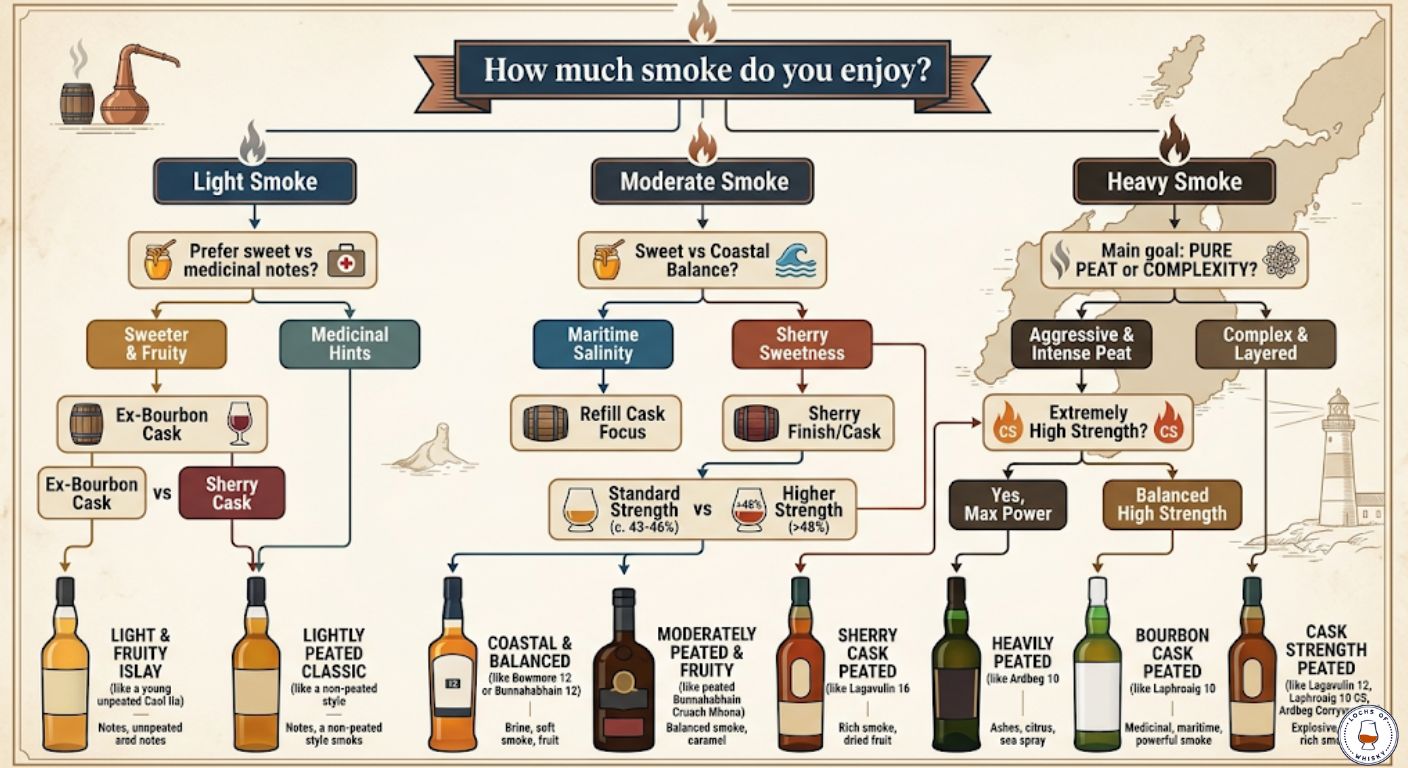
Choosing Islay whisky is easier when you start with flavour tolerance rather than brand reputation. The right bottle depends on how much smoke, medicine, ABV and cask sweetness you want.
- If you are new to peat, start around 40–46% ABV with a balanced bottle rather than cask strength.
- If you like smoke but not medicine, look for cleaner coastal or bourbon-cask styles before choosing iodine-heavy bottles.
- If you like BBQ, meat and dark sweetness, look at sherry-cask or higher-strength peated Islay styles.
- If you want maximum intensity, choose heavily peated or cask-strength releases, but expect a sharper learning curve.
- If your budget is £30–60, avoid chasing old age statements. Look for core 10–12-year-old bottles or younger high-quality releases.
- If your budget is £70–120, compare cask type and ABV before age. This is where richer sherry-cask and higher-strength Islay bottlings often become interesting.
For most first-time Islay buyers, the safest route is not the peatiest bottle. It is a clear, well-made expression that shows smoke, salt, malt and cask balance without overwhelming the palate.
How to Read Islay Whisky Reviews Properly
Good Islay whisky reviews should help you understand flavour structure, not just list dramatic tasting notes. Look for these details before buying:
- ABV: tells you likely weight and intensity.
- Age statement: gives maturation context, but not a quality guarantee.
- Cask type: explains sweetness, fruit, oak and spice.
- Peat style: medicinal, ashy, maritime, earthy, herbal or meaty.
- Texture: thin, oily, creamy, waxy, sharp or full-bodied.
- Finish: shows whether the smoke fades quickly or carries with balance.
A review that only says “smoky” is not enough. Islay smoke can be coastal, medicinal, meaty, earthy, citrus-led, tarry or sweet. Those differences decide whether a bottle suits the drinker.
Common Islay Whisky Tasting Note Terms
Islay whisky has its own recurring tasting vocabulary. These terms are useful once you know what they mean in practical drinking terms.
- Peaty: smoky, earthy or phenolic character from peat smoke used during malting.
- Medicinal: iodine, antiseptic, bandage or TCP-like notes.
- Maritime: sea salt, brine, seaweed or coastal mineral notes.
- Ashy: dry smoke, soot, cold fireplace or burnt wood.
- Meaty: smoked bacon, BBQ, charred beef or cured meat notes.
- Oily: a thicker texture that coats the palate.
- Sherried peat: peat smoke combined with dried fruit, chocolate, spice or treacle.
Islay Whisky by Cask Type
Cask type is one of the strongest buying signals in Islay whisky. It can soften, deepen or sharpen the peat.
Ex-bourbon cask Islay
Ex-bourbon casks usually bring vanilla, lemon, coconut, honey, pale oak and clean malt sweetness. In Islay whisky, this often leaves peat smoke clear and bright. These bottles are useful if you want to understand distillery character without heavy sherry influence.
Sherry-cask Islay
Sherry casks add darker flavours: raisins, dates, walnut, chocolate, orange peel, leather and spice. This style works well when the peat is strong enough to stand up to the sweetness. Poor balance can feel heavy or muddy; good balance can feel deep, smoky and layered.
Wine-cask Islay
Wine casks can add red fruit, tannin, dryness and spice. They are more variable than bourbon or sherry casks. The best examples add structure and contrast; weaker examples can make the peat feel disjointed.
FAQ
What does Islay whisky taste like?
Islay whisky often tastes smoky, peaty, coastal and medicinal, with notes such as sea salt, seaweed, iodine, ash, lemon, tar, smoked meat and oak. The exact profile depends on the distillery, cask type, age and ABV. Some Islay whiskies are heavily peated, while others are softer or almost unpeated.
Why does Islay whisky taste like medicine or bandages?
Medicinal notes come from phenolic compounds created when peat smoke dries malted barley. These can show as iodine, antiseptic, sticking plasters or TCP. Islay peat and coastal character often make these notes feel more obvious than in peated whisky from other regions.
What is the best Islay whisky for beginners?
The best beginner Islay whisky is usually one with clear peat, moderate ABV and balanced cask influence. Many drinkers do well starting with a 10–12-year-old core bottle around 40–46% ABV before moving into cask-strength, heavily sherried or very high-phenol releases.
Is all Islay whisky smoky?
No. Islay is famous for smoky whisky, but not every Islay whisky is heavily peated. Some distilleries produce unpeated or lightly peated releases, and cask type can make smoke feel softer or more integrated. Region gives a clue, not a fixed flavour rule.
What is the peatiest whisky in the world?
Bruichladdich’s Octomore range is widely known for extremely high peat levels, with some releases exceeding 128–300 PPM. PPM measures phenol levels in the malt, not the final taste in a simple way. Cask type, age, cut points and dilution still affect how peaty the whisky feels.
Can you walk between Islay distilleries?
Yes. The Three Distilleries Pathway links Laphroaig, Lagavulin and Ardbeg along the south coast of Islay. It is about 5.5km and is useful for visitors who want to move between those distilleries without driving. Weather, footwear and opening times still need planning.
What Islay whisky has BBQ or meaty flavours?
Meaty Islay notes often appear in heavily peated, higher-strength or sherry-cask styles. Look for tasting notes such as smoked bacon, charred beef, BBQ smoke, grilled lemon, tar, black pepper and roasted malt. Ardbeg Uigeadail and Kilchoman Sanaig-style profiles are common reference points.
Is older Islay whisky always better?
No. Older Islay whisky can be more polished, but it may also lose some direct peat intensity. Younger whisky can show brighter smoke and stronger distillery character. The better question is whether the age, ABV, cask type and peat level suit the style you want.
Summary: How to Choose Islay Whisky
- Check ABV first: 40–43% is softer, 46% gives more texture, 50%+ is more intense.
- Read the cask type: bourbon casks are cleaner; sherry casks are richer and darker.
- Do not rely on age alone: younger Islay can be more vivid; older Islay can be more rounded.
- Decide your peat tolerance: medicinal peat is very different from soft coastal smoke.
- Use distillery style as a guide: Laphroaig, Ardbeg, Lagavulin, Bowmore and Kilchoman do not taste identical.
Common mistakes
- Buying the strongest or peatiest bottle first.
- Assuming all Islay whisky tastes like Laphroaig.
- Ignoring ABV and cask type.
- Assuming older always means better.
- Confusing smoky flavour with general quality.
Decision shortcuts
- New to Islay: choose balanced peat, moderate ABV and clear cask information.
- Like sharp medicinal whisky: look for iodine, seaweed, TCP and phenolic tasting notes.
- Like richer smoke: look for sherry casks, dried fruit, chocolate and BBQ notes.
- Want coastal freshness: look for lemon, brine, sea spray and clean peat smoke.
For further bottle discovery, current Islay releases and older regional bottlings can be compared through the wider Lochs of Whisky range, starting with the regional Islay category and then moving into distillery-level research where the bottle context matters most.

Comments