
 Chat with us on WhatsApp


Islay Whisky: Region Guide, Peat & Key Distilleries
Islay is one of Scotland’s legally recognised whisky regions and one of the most distinctive places in Scotch whisky. The island is best known for peated single malts, often showing smoke, seaweed, brine, iodine and coastal weight, although not every Islay whisky is heavily smoky.
For drinkers exploring the Islay whisky style, the useful question is not simply “is it peated?” but how the peat, distillery character, cask type and age work together. This guide explains the region clearly, with enough detail to help you understand the bottles without turning it into a full Scotch regions overview.
Where Is Islay?
Islay sits off Scotland’s west coast, south-west of Jura and west of the Kintyre peninsula. Its position matters because the island’s whisky identity is closely tied to its coastal climate, peatlands and long distilling history.
What Does Islay Whisky Taste Like?
Islay whisky is commonly associated with peat smoke, but the style is broader than that. Many bottles show maritime notes such as salt, seaweed, tar, ash, medicinal iodine and smoked meat. Others are softer, fruitier or even largely unpeated.
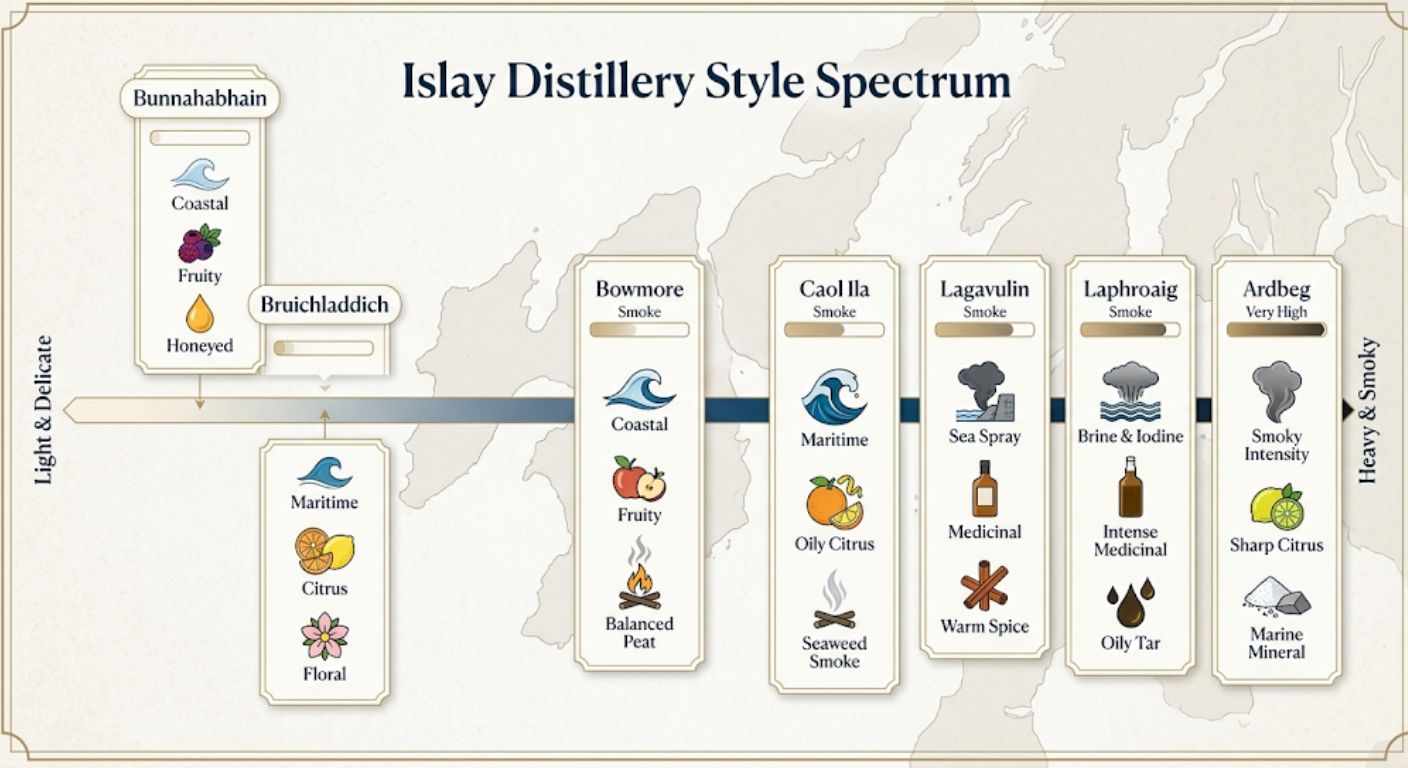
The south-coast style is usually the most intense. Ardbeg, Laphroaig and Lagavulin are often used as reference points for heavy smoke. Caol Ila is typically cleaner and more precise. Bowmore is usually more balanced. Bunnahabhain and Bruichladdich can show that Islay whisky does not have to be aggressively peated.
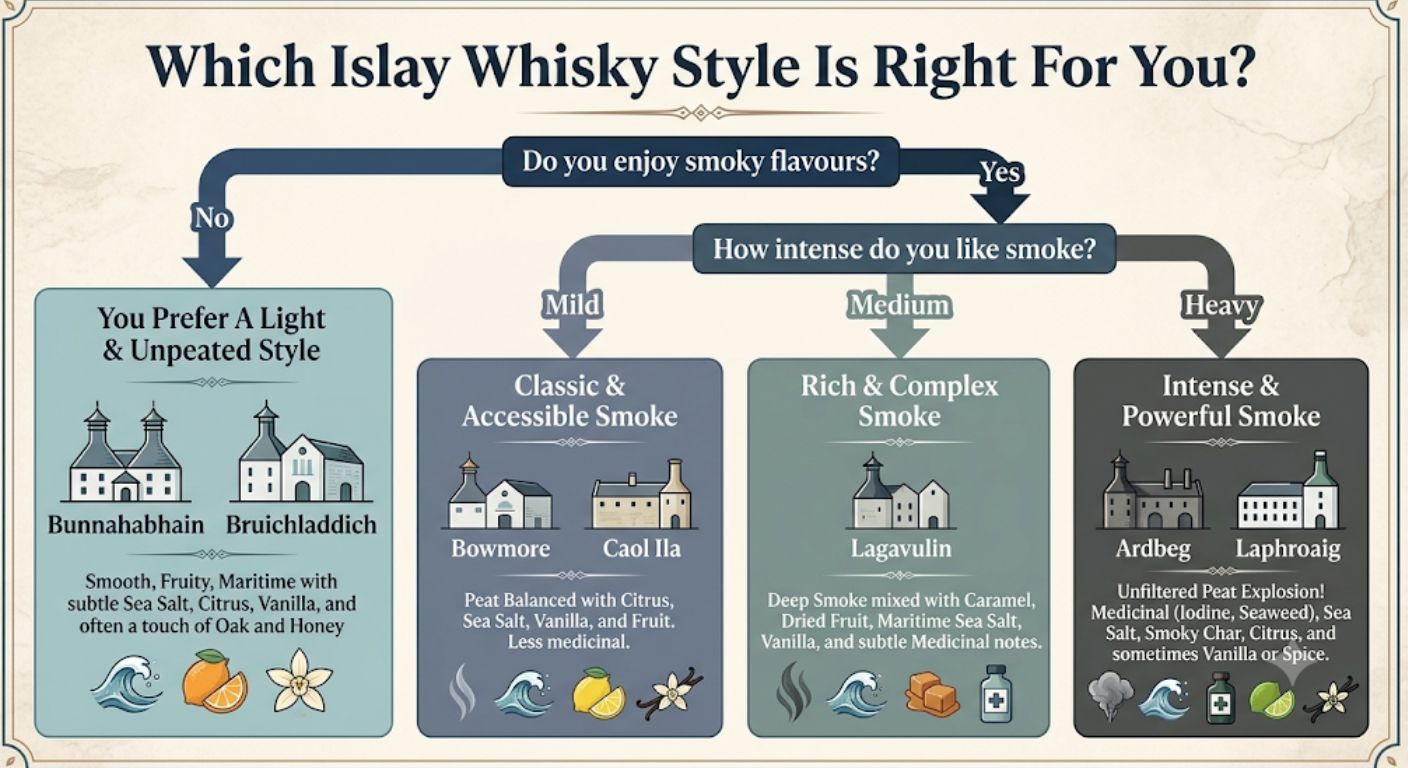
For customers buying their first Islay bottle, we often find the difference is not whether they like smoke in general, but whether they prefer clean coastal smoke, medicinal peat or heavier oily peat.
Why Is Peat So Important On Islay?
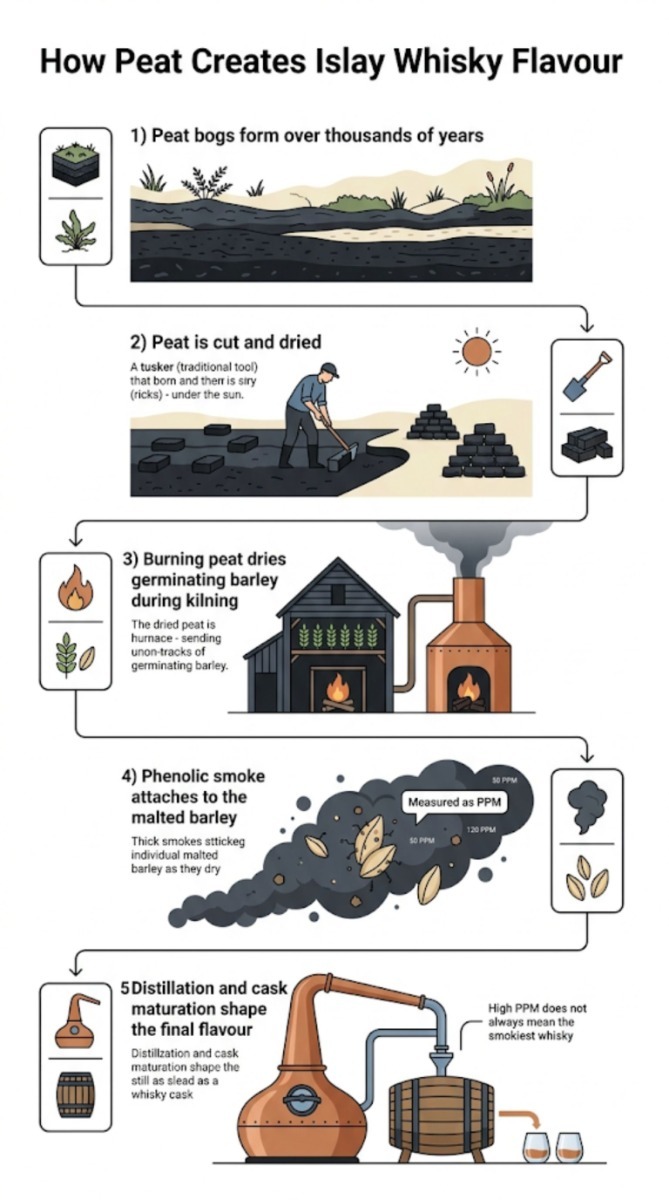
Peat is partially decayed vegetation formed over thousands of years in wet ground. In whisky production, peat smoke can be used during kilning to dry malted barley. That smoke leaves phenolic compounds on the malt, which later influence the flavour of the spirit.
PPM means parts per million of phenols. It is often used to describe peat level, but it usually refers to the malt before distillation, not the final bottled whisky. Fermentation, distillation, cask type, age and bottling strength all affect how smoky the whisky feels in the glass.
Key Islay Distilleries And Their Styles
Islay’s distilleries are close geographically, but their whiskies can feel very different. That is what makes the region useful for comparison tasting.
Caol Ila
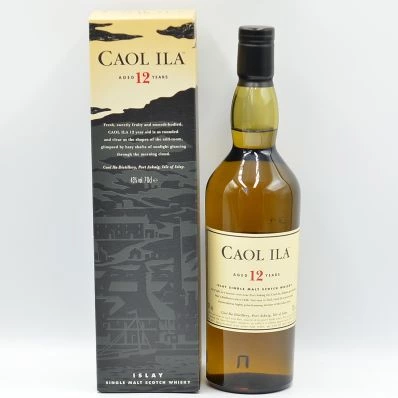
Caol Ila is often one of the most approachable ways into peated Islay whisky. Its style is usually cleaner, lighter and more coastal than the heavier south-coast malts. Expect smoke, citrus, brine and a sharper maritime edge rather than dense medicinal peat.
Port Charlotte
Port Charlotte is the heavily peated style produced by Bruichladdich. It is useful for drinkers who want modern Islay peat with weight and clarity, often showing smoke, cereal depth and coastal structure without simply copying the south-coast profile.
Port Ellen
Port Ellen is one of Islay’s most significant closed-distillery names. Historic bottlings are highly regarded by collectors because production stopped for decades, making older releases important reference points for Islay’s distilling history.
Is All Islay Whisky Peated?
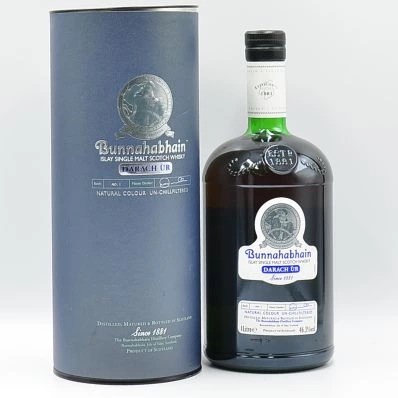
No. Islay is strongly associated with peat, but some Islay whisky is unpeated or only lightly peated. Bunnahabhain and Bruichladdich are the clearest examples, while some Caol Ila releases are also unpeated.
This matters when browsing Scotch whisky, because “Islay” does not automatically mean extreme smoke. Region tells you where the whisky comes from; the individual distillery and expression tell you far more about the actual drinking style.
Ardbeg, Laphroaig And Lagavulin: How They Differ
| Distillery | Typical peat character | General style | Best suited to |
|---|---|---|---|
| Ardbeg | Intense smoke | Bold, oily, powerful | Drinkers who want assertive peat |
| Laphroaig | Medicinal iodine | Seaweed, TCP, coastal smoke | Drinkers who like polarising whisky |
| Lagavulin | Rounded peat | Rich, smoky, balanced | Drinkers who want depth and polish |
These three names are often grouped together, but they are not interchangeable. Ardbeg tends to feel more forceful, Laphroaig more medicinal, and Lagavulin more rounded and composed.
Which Islay Whisky Is Best For Beginners?
Caol Ila 12 and Bowmore 12 are often sensible starting points because they show Islay character without overwhelming the palate. They give a clear sense of smoke, salt and coastal influence while staying balanced enough for newer drinkers.
Ardbeg 10 and Laphroaig 10 are better if you already know you enjoy strong peat. They are classic bottles, but they can be too direct for someone who has only tried lighter Speyside, Highland or Lowland styles.
How To Taste Islay Whisky In A Useful Order
A simple tasting order helps you understand the region without letting the smokiest whisky dominate everything that follows.
- Start with a lighter or cleaner Islay style, such as Caol Ila.
- Move to a balanced peated malt, such as Bowmore.
- Try a richer south-coast style, such as Lagavulin.
- Finish with the most medicinal or intense whisky, such as Laphroaig or Ardbeg.
This order keeps your palate fresh for the more delicate details before the heavier peat takes over.
When Is Islay Whisky The Right Choice?
Islay whisky makes sense if you enjoy bold flavour, coastal character and clear distillery identity. It is especially useful for drinkers who want whisky that feels distinctive rather than soft or neutral.
It may not suit someone who wants gentle fruit, light vanilla, or a very easy first dram. In that case, a softer Highland or Speyside malt may be a better starting point before moving into Islay peat.
FAQ
How many distilleries are on Islay?
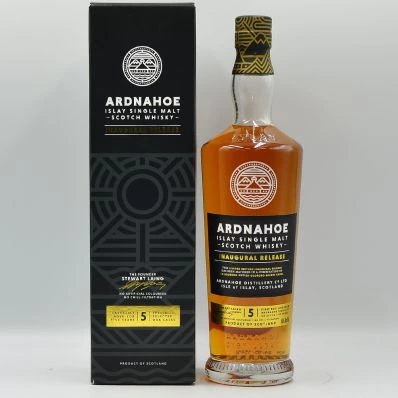
Islay has around ten active whisky distilleries, with additional historic and developing names depending on how you count sites, reopenings and future projects. The key names include Ardbeg, Bowmore, Bruichladdich, Bunnahabhain, Caol Ila, Kilchoman, Lagavulin, Laphroaig, Ardnahoe and Port Ellen.
What does PPM mean in peated whisky?
PPM means parts per million of phenols. It measures peat-derived compounds in malted barley, not the final bottled whisky. A high PPM often suggests a heavily peated style, but cask maturation, distillation and bottling strength affect how smoky the whisky actually tastes.
Is Islay whisky always smoky?
No. Islay is famous for smoky whisky, but some Islay malts are unpeated or lightly peated. Bunnahabhain and Bruichladdich are the main examples. Always check the specific bottle rather than assuming every Islay whisky will taste heavily smoky.
Which Islay whisky is most medicinal?
Laphroaig is usually the clearest reference point for medicinal Islay whisky. Its style often includes iodine, seaweed, TCP-like notes and coastal peat. Ardbeg is typically more intensely smoky, while Lagavulin is generally richer and more rounded.
Final Thoughts
Islay whisky is best understood as a region of strong distillery identities, not just a shorthand for peat. Smoke matters, but so do coastal influence, cask choice, age, ABV and production style.
For bottle discovery, start with the distillery profile first, then compare peat level and maturation details. The full Islay single malt selection is the natural place to continue once you know which side of the region suits your palate.
-
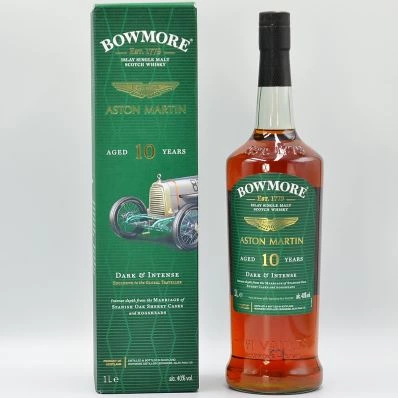 Bowmore 10 Year Old Islay Whisky Aston Martin Edition No.7 100clSpecial Price £83.98 Regular Price £99.99 Inc VATSaving £16.01
 -
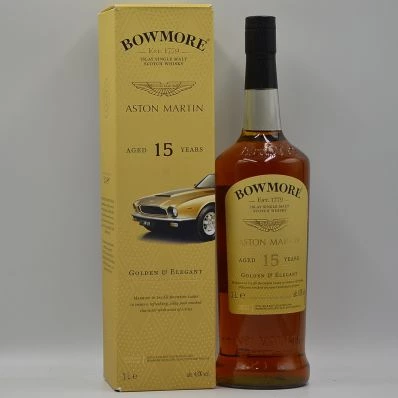 Bowmore 15 Year Old Islay Whisky Aston Martin Edition No.5 100clSpecial Price £142.98 Regular Price £169.99 Inc VATSaving £27.01
 -
-
-
-
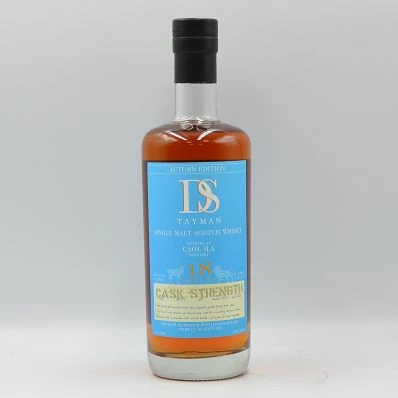
-
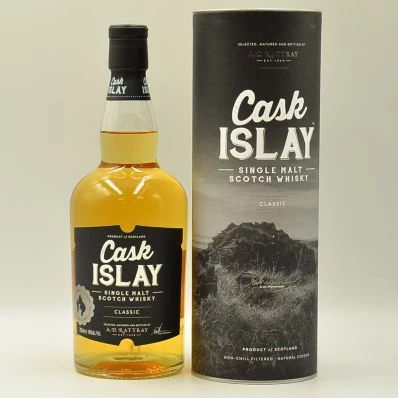 Cask Islay Classic Single Malt Whisky A.D. RattraySpecial Price £35.98 Regular Price £39.99 Inc VATSaving £4.01
 -
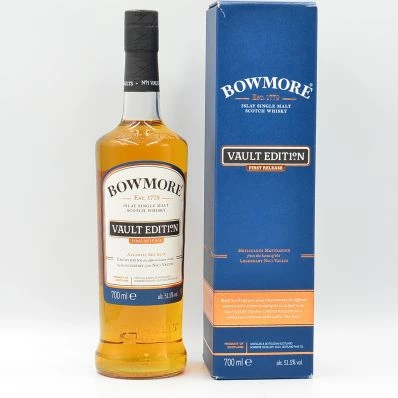 Bowmore Islay Whisky Vault Edition First Release: Atlantic Sea SaltSpecial Price £73.98 Regular Price £89.99 Inc VATSaving £16.01
 -
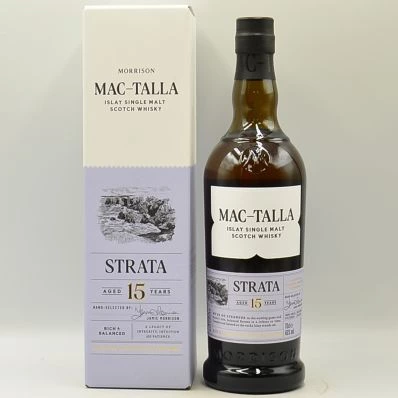
-
-
-
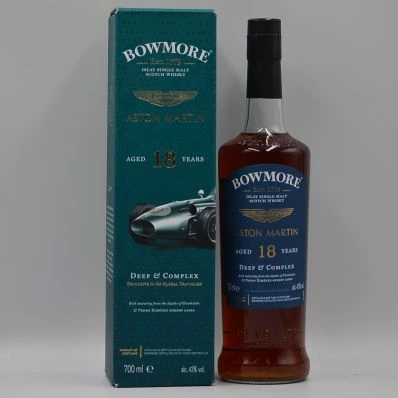 Bowmore 18 Year Old Islay Whisky Aston Martin Edition No.6Special Price £199.98 Regular Price £229.99 Inc VATSaving £30.01Out of stock

Comments