
 Chat with us on WhatsApp

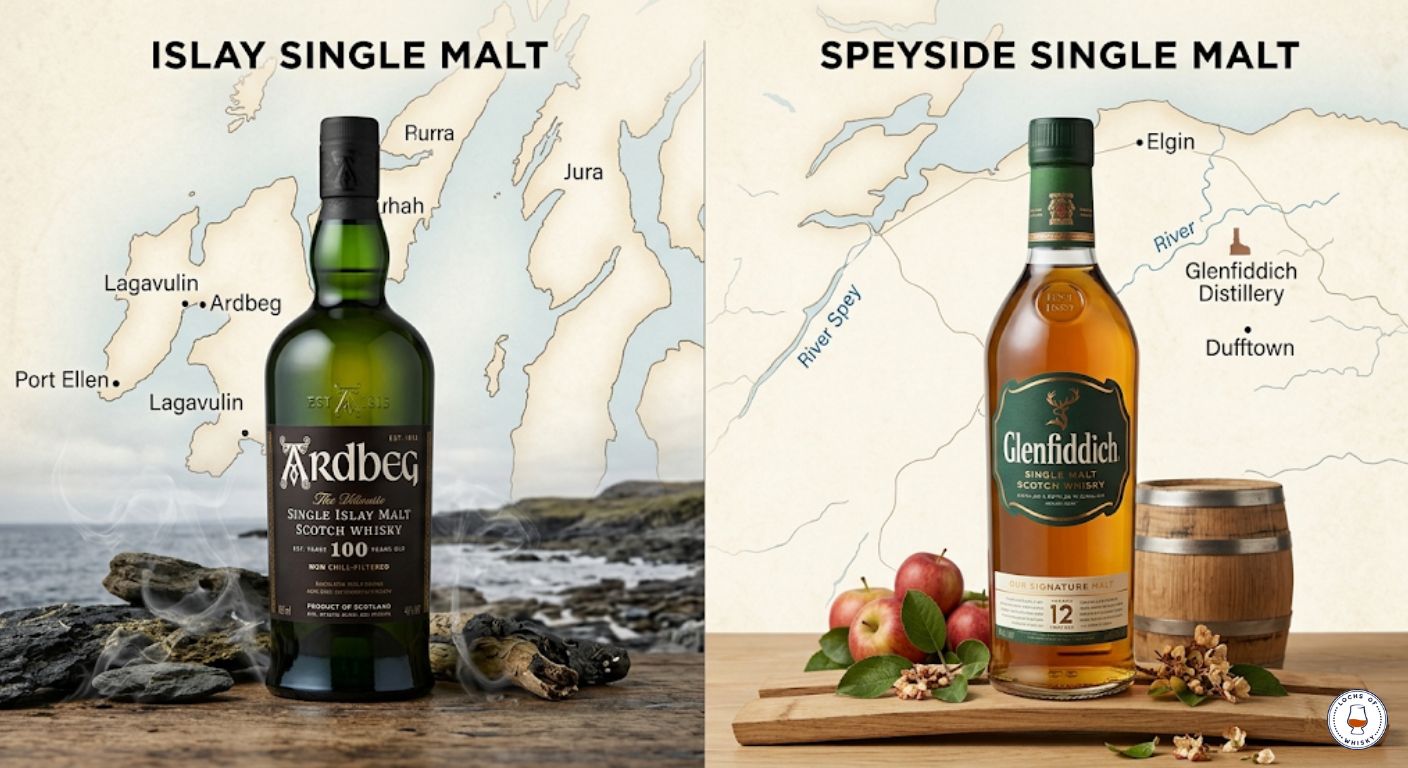
Islay vs Speyside Whisky: Which Style Suits You?
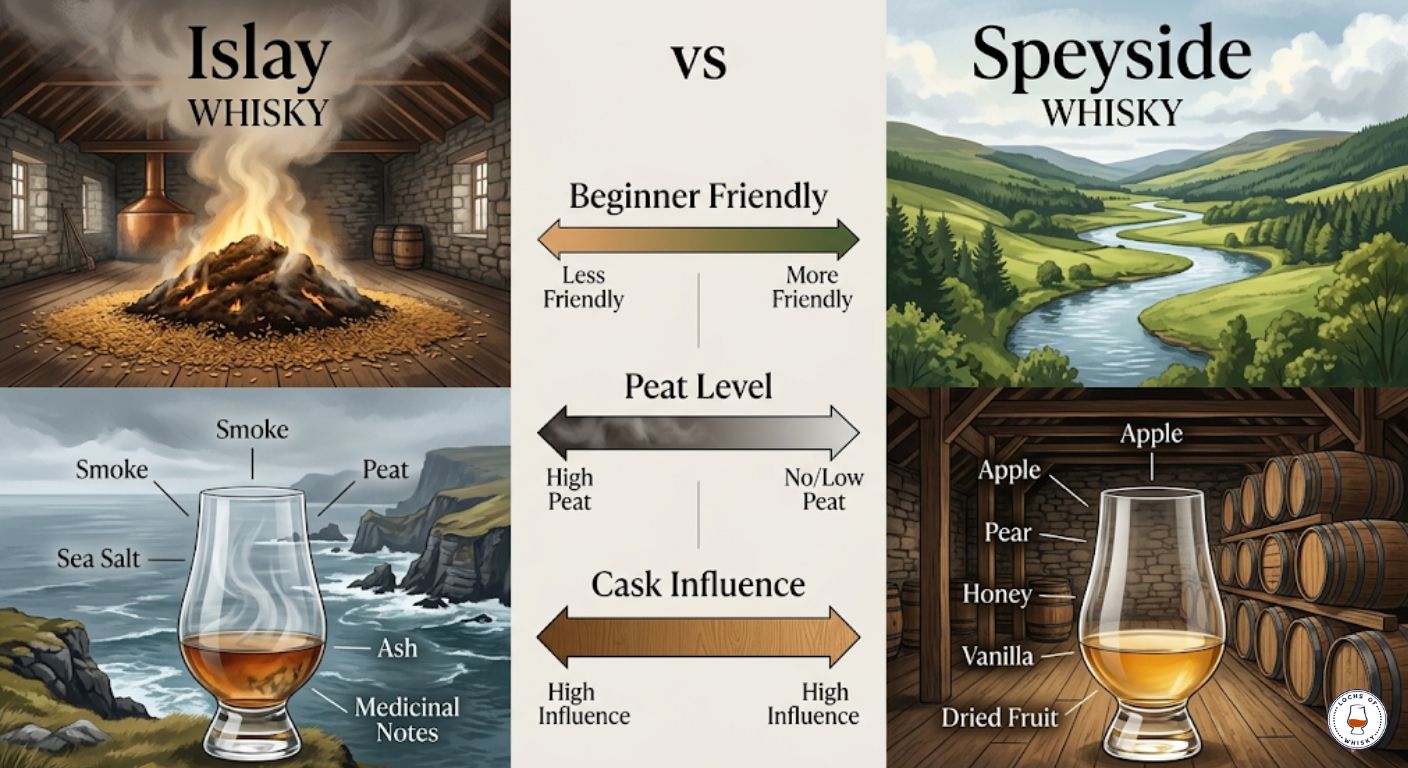
Choosing between Islay and Speyside whisky is mainly a choice between two broad flavour directions: smoke, peat and coastal weight on one side; fruit, honey, sherry cask richness and softer malt character on the other. The regions do not guarantee flavour, but they give useful buying signals.
This guide explains the practical differences between Islay and Speyside whisky, how peat, cask type, ABV, age statement and distillery style affect what ends up in the glass, and how to choose the right bottle for your taste or budget. For broader browsing, start with the Islay whisky selection if you already know you want peat and maritime character, or use this comparison first if you are still deciding.
-
-
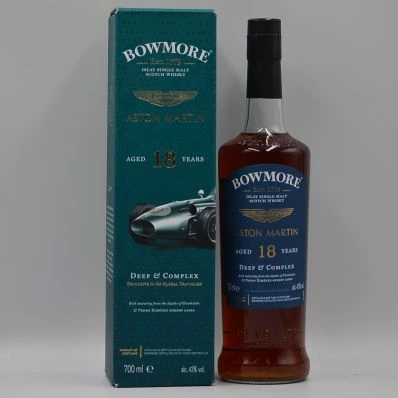 Bowmore 18 Year Old Islay Whisky Aston Martin Edition No.6Special Price £199.98 Regular Price £229.99 Inc VATSaving £30.01Out of stock
 -
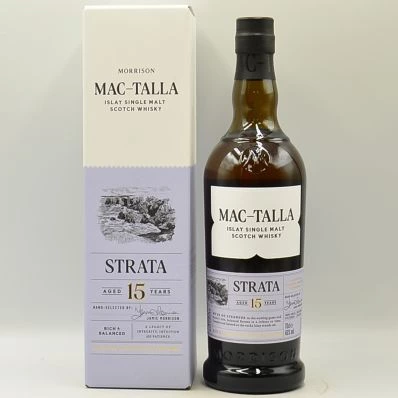
-
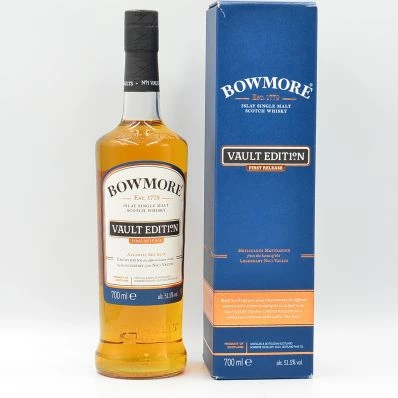 Bowmore Islay Whisky Vault Edition First Release: Atlantic Sea SaltSpecial Price £73.98 Regular Price £89.99 Inc VATSaving £16.01
 -
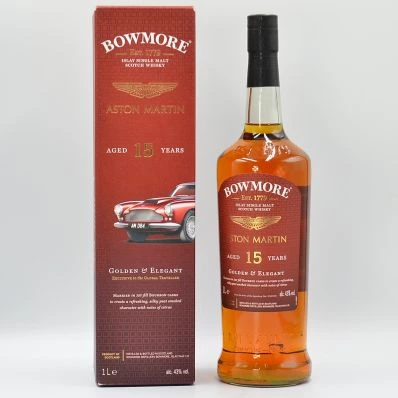
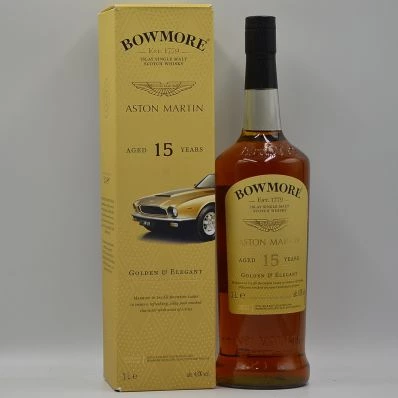 Bowmore 15 Year Old Islay Whisky Aston Martin Edition No.5 100clSpecial Price £142.98 Regular Price £169.99 Inc VATSaving £27.01
 -
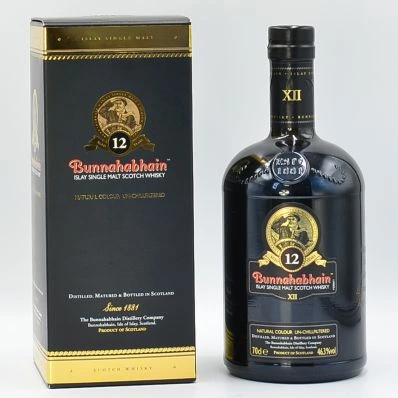
-
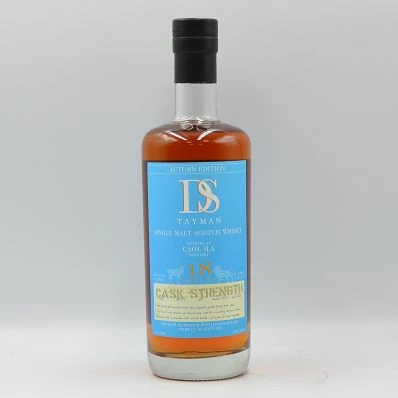
-
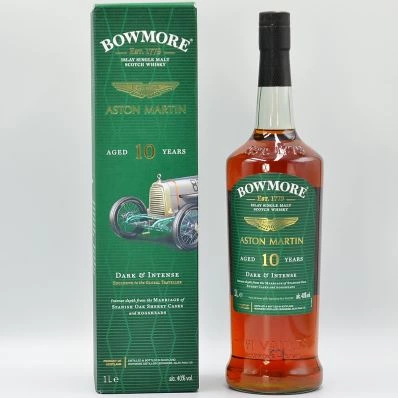 Bowmore 10 Year Old Islay Whisky Aston Martin Edition No.7 100clSpecial Price £83.98 Regular Price £99.99 Inc VATSaving £16.01
 -
-
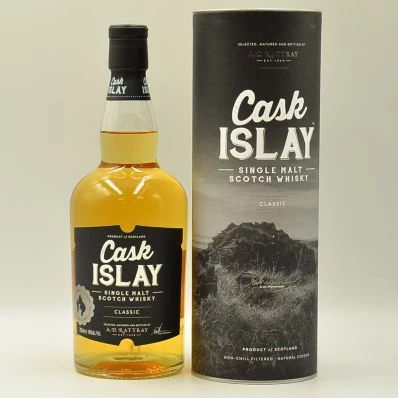 Cask Islay Classic Single Malt Whisky A.D. RattraySpecial Price £35.98 Regular Price £39.99 Inc VATSaving £4.01
 -
-
Islay vs Speyside Whisky: The Quick Comparison
| Decision Point | Islay Whisky | Speyside Whisky |
|---|---|---|
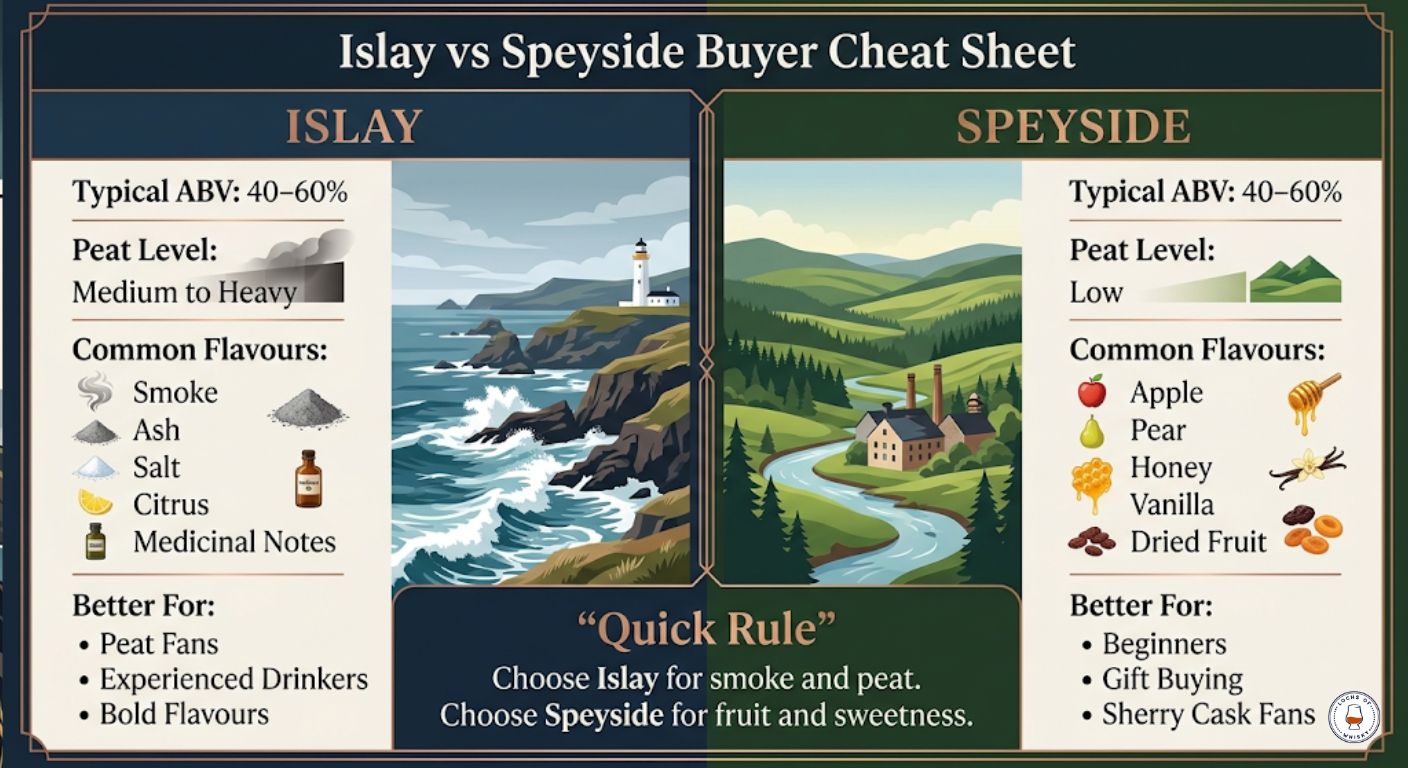
| Typical flavour direction | Smoke, peat, sea salt, ash, tar, medicinal notes, citrus | Apple, pear, honey, vanilla, dried fruit, malt, sherry spice |
| Peat level | Often medium to heavy, though not always | Usually light or unpeated, with some exceptions |
| Beginner suitability | Better for drinkers who already enjoy smoke or bold flavours | Usually easier for first-time single malt buyers |
| Cask influence | Bourbon, refill, sherry and wine casks all appear; peat often remains central | Sherry and bourbon casks are common; cask character often leads the style |
| Typical ABV range | 40–46% for standard releases; 50–60%+ for cask strength | 40–46% for many core malts; 46–60%+ for specialist releases |
| Common buyer risk | Underestimating smoke and medicinal peat |
Assuming all Speyside whisky is light or sweet |
What Does Islay Whisky Taste Like?
Islay whisky is usually associated with peat smoke, sea air, ash, iodine, tar, citrus and a heavier coastal profile. That reputation comes from the island’s long use of peat in the malting process, where smoke from burning peat dries the barley and leaves phenolic compounds that carry through into the finished whisky.
Some Islay whiskies are intensely smoky. Others are more restrained, fruit-led or cask-driven. The region is not a single flavour. The useful rule is that Islay raises the chance of peat and maritime character, especially when the label or product details mention peated malt, phenol level, cask strength or coastal smoke.
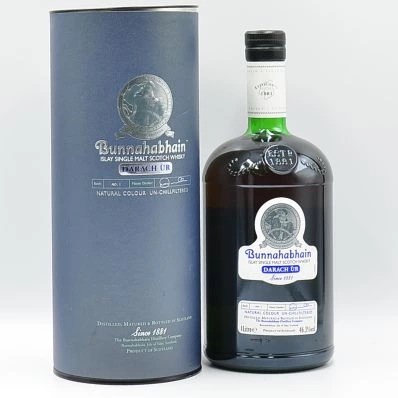
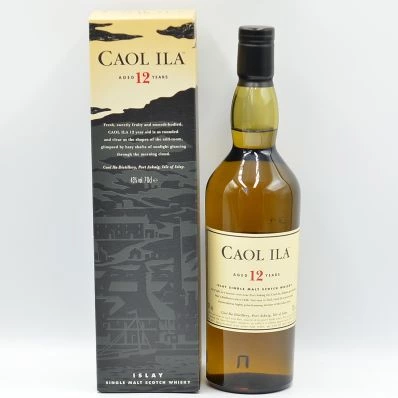
Distilleries such as Laphroaig are often used as reference points for medicinal Islay peat, while Caol Ila is frequently associated with cleaner smoke, citrus and coastal structure. Port Charlotte is useful to understand because it shows how heavily peated Islay whisky can still carry clear cask and distillery character rather than just smoke.
What Does Speyside Whisky Taste Like?
Speyside whisky is generally fruitier, softer and less smoky than Islay whisky. Common notes include apple, pear, honey, vanilla, malt, dried fruit, orange peel, baking spice and sherry cask richness. Many Speyside single malts sit around 40–46% ABV and work well for buyers who want flavour without heavy peat.
The style varies widely because Speyside has a high concentration of distilleries and a long history of both official and independent bottlings. Some are light and orchard-fruit driven. Others are dense, meaty, nutty or heavily sherried. Cask type matters as much as region here, especially when comparing bourbon-matured and sherry-matured releases.
For distillery context, Mortlach is a useful example of a richer, heavier Speyside profile, while Speyburn often shows the cleaner, fruitier side of the region. Closed or less commonly seen names such as Caperdonich also matter to collectors because independent bottlings can preserve styles no longer available from active production.
Is Speyside Part of the Highlands?
Speyside sits within the wider Highland area geographically, but it is treated as a separate Scotch whisky region because of its high concentration of distilleries around the River Spey and surrounding area. The Scotch Whisky Association recognises five Scotch whisky regions: Highland, Lowland, Speyside, Islay and Campbeltown.
This matters when reading labels. Some Speyside distilleries may historically use Highland language, but for buying purposes Speyside is usually the more useful style signal. If you want to compare the wider category before narrowing down by region, use the Scotch whisky range as the broader starting point.
For external regional definitions, the Scotch Whisky Association provides a useful overview of Scotch whisky regions.
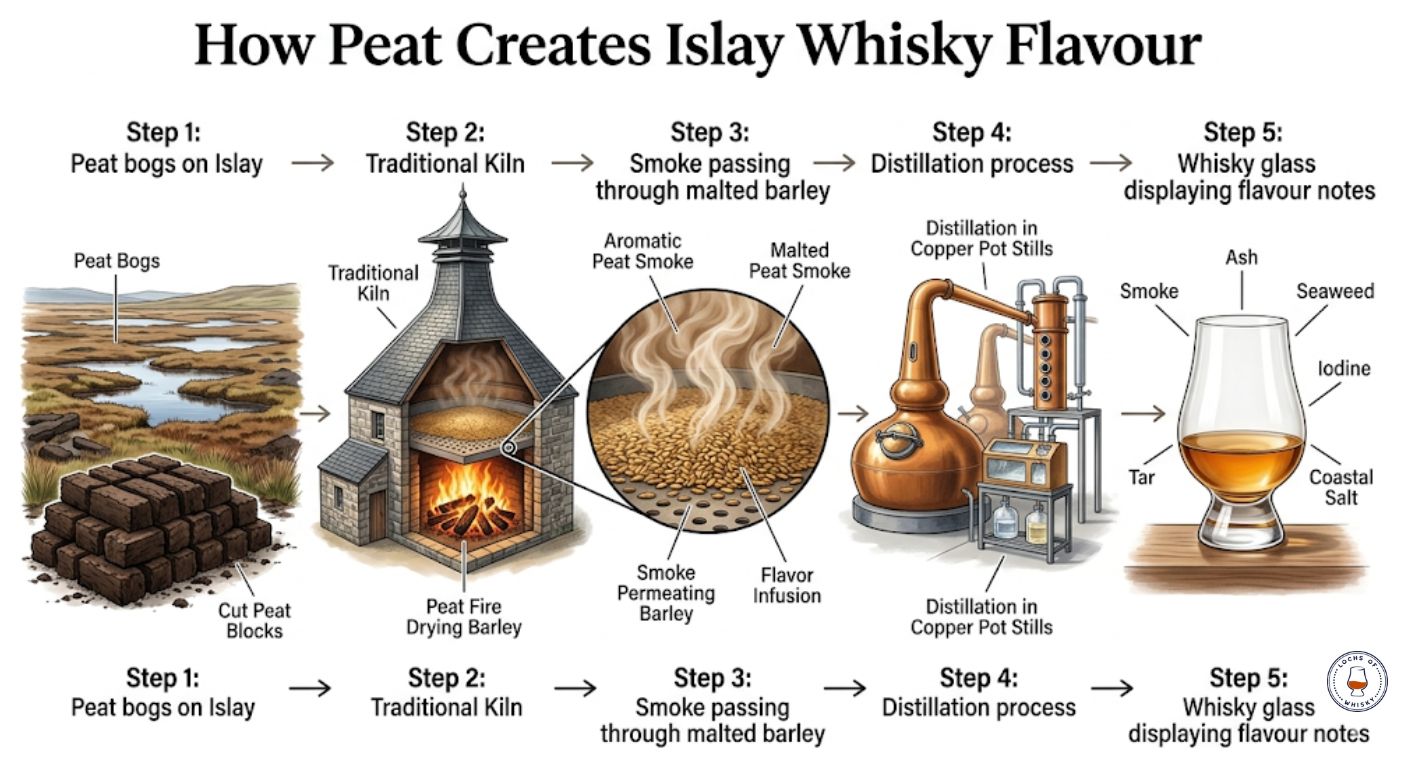
Why Is Islay Whisky Smoky?
Islay whisky is smoky when peat is burned during malting to dry the barley, allowing phenolic smoke compounds to attach to the grain before fermentation and distillation. These compounds can create flavours described as ash, bonfire smoke, iodine, seaweed, tar, antiseptic or smoked citrus.
The exact level depends on how heavily peated the malt is, how the spirit is cut during distillation, the still shape, the cask type, maturation length and bottling strength. A whisky bottled at 46% ABV may show smoke differently from a cask-strength version above 55% ABV. Age also changes the profile: older peated whisky can become softer, waxier and more integrated, while younger peated whisky can feel sharper and more direct.
Are All Islay Whiskies Peated?
No. Islay is strongly associated with peat, but not every Islay whisky is heavily peated. Some distilleries produce unpeated or lightly peated releases, and cask choice can push fruit, vanilla, sherry or wine character ahead of smoke.
This is where buyer error often happens. Region alone is not enough. Check the product details for peat references, ABV, cask type and tasting direction. If the bottle description says unpeated, bourbon cask, refill cask or sherry matured, expect a different experience from a heavily peated core Islay malt.
Is Speyside Whisky Always Sweet?
No. Speyside whisky is often fruitier and less smoky than Islay whisky, but it is not always light or sweet. Sherry casks can add dried fruit, walnut, spice, chocolate and leather. Heavier distillates can feel meaty, malty or oily rather than delicate.
The phrase “Speyside style” is useful, but it should not replace reading the bottle details. A 12-year-old Speyside bottled at 40% ABV from bourbon casks will usually feel very different from a 16-year-old sherry cask expression bottled at 48% or higher. Our customers often underestimate how much the cask changes a familiar regional style; the region gives the starting point, but the cask often decides the final direction.
How Cask Type Changes the Decision
Cask type is one of the biggest reasons two whiskies from the same region can taste completely different. Bourbon casks usually bring vanilla, coconut, citrus, orchard fruit and lighter oak. Sherry casks often bring dried fruit, spice, chocolate, nuts and a darker texture. Wine, port and other fortified wine casks can add red fruit, tannin and a heavier finish.
For Islay, peat can dominate the first impression, but cask type still matters. A refill bourbon cask Islay may feel sharper, saltier and more spirit-led. A sherry cask Islay may feel richer, darker and more savoury. For Speyside, the cask often leads the style more clearly because peat is usually lower or absent.
How ABV and Age Statement Affect Choice
ABV tells you how forcefully the whisky may present itself. Many standard single malts sit at 40–43% ABV, with 46% often giving more texture and flavour delivery. Cask-strength bottlings can exceed 55% ABV and may need careful pouring, especially for buyers new to single malt.
Age statement is useful, but it is not a quality guarantee. A 10- or 12-year-old from active casks can be more expressive than an older whisky from tired wood. In Islay whisky, age can soften peat. In Speyside whisky, age can deepen fruit, oak, spice and sherry influence. The most useful buying sequence is region first, then peat level, then cask type, then ABV and age.
Which Style Should Beginners Choose?
Most beginners should start with Speyside if they are unsure about smoke. A Speyside single malt around 40–43% ABV, usually bourbon or balanced sherry cask matured, gives a clearer introduction to malt flavour without the shock of heavy peat.
Choose Islay first only if you already enjoy smoked foods, black coffee, mezcal, strong coastal flavours or medicinal notes. If those flavours sound challenging, start with Speyside and move towards lightly peated whisky later. If you already know you want fruit-led Scotch rather than peat, browse the Speyside whisky collection after using the decision rules below.
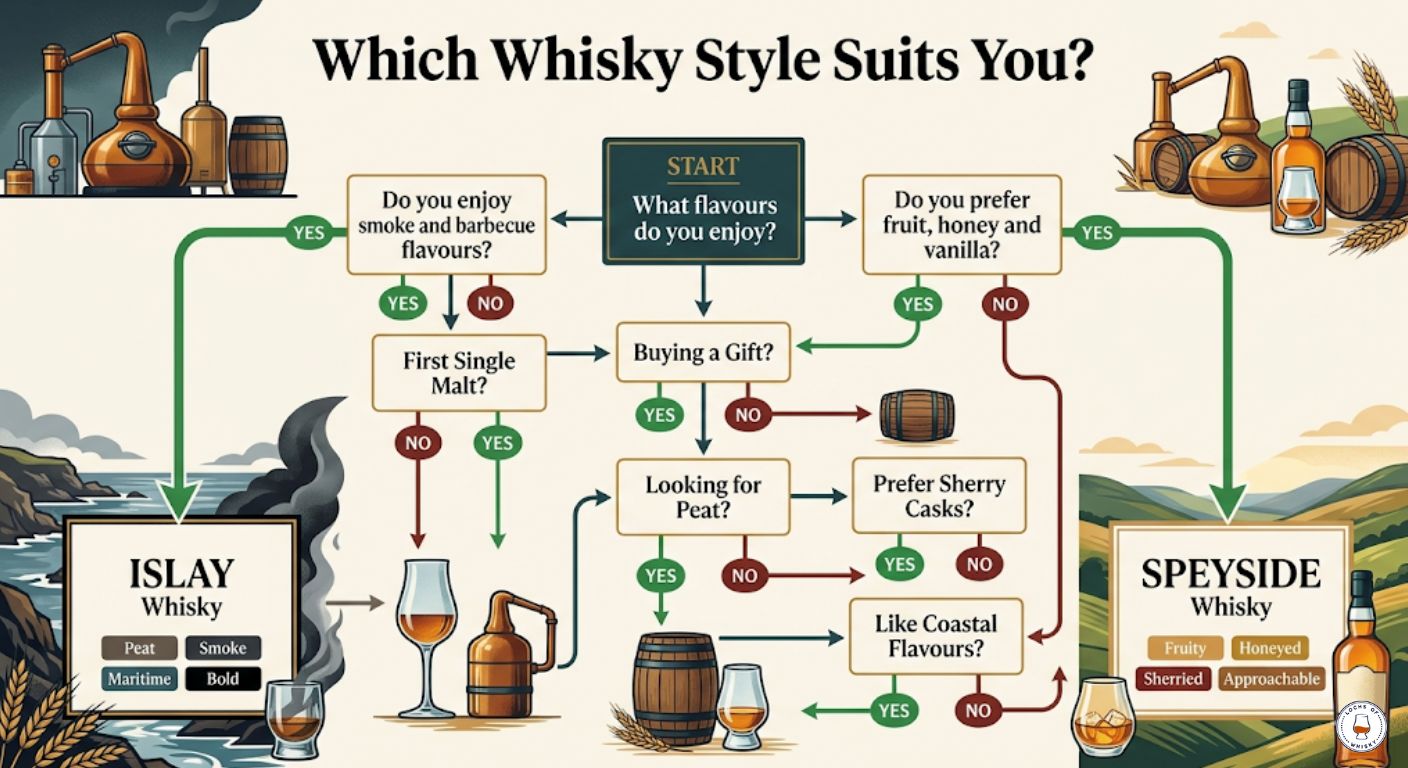
Decision Logic: Islay or Speyside?
- If you prefer smoke, sea salt, ash and medicinal flavours, choose Islay.
- If you prefer apple, pear, honey, vanilla and sherry cask richness, choose Speyside.
- If you are buying for someone new to Scotch, choose Speyside unless they specifically like smoky flavours.
- If your budget is £30–60, avoid cask-strength peat unless you know the recipient likes intense whisky.
- If your budget is £60–100, compare cask type carefully. This is where sherry casks, higher ABV and independent bottlings become more common.
- If buying old or collectible bottles, look beyond region. Distillery, bottler, vintage, fill level, packaging and provenance matter more.
Best Choice by Buyer Type
For someone who dislikes smoke
Choose Speyside or another lighter Scotch style. Look for unpeated language, 40–46% ABV, bourbon cask, refill cask or balanced sherry maturation. Avoid heavily peated Islay whisky unless the bottle clearly says it is unpeated or lightly peated.
For someone who wants bold flavour
Choose Islay if bold means smoke, salt, peat and medicinal character. Choose sherried Speyside if bold means dried fruit, spice, darker oak and a richer body without smoke.
For gifting
Speyside is usually safer unless the recipient already drinks peated whisky. Islay can be excellent for the right person, but it is more polarising. For gifts, check ABV, peat level and cask type before choosing.
For collectors
Region matters, but bottle identity matters more. Closed distilleries, limited independent bottlings, older vintages, natural cask strength and unusual cask histories can all be more important than whether the bottle is labelled Islay or Speyside.
Common Mistakes When Comparing Islay and Speyside
- Assuming all Islay whisky is heavily peated.
- Assuming all Speyside whisky is light, sweet or beginner-only.
- Ignoring ABV and buying cask strength by accident.
- Choosing by age statement without checking cask type.
- Buying a smoky whisky as a safe gift for someone whose preferences are unknown.
- Confusing regional style with a fixed rule. Regions guide expectations; they do not guarantee flavour.
FAQ
What is the main difference between Islay and Speyside whisky?
Islay whisky is usually more smoky, peated and coastal. Speyside whisky is usually fruitier, softer and more cask-led, with apple, pear, honey, vanilla, spice and sherry notes. The region gives a useful style signal, but cask type, ABV, age and distillery character can change the result.
Is Islay whisky better than Speyside whisky?
No. They serve different preferences. Islay suits drinkers who enjoy smoke, peat, salt and medicinal notes. Speyside suits drinkers who prefer fruit, malt, honey, vanilla or sherry cask richness. The better choice is the one that matches the buyer’s palate and tolerance for peat.
What does Speyside whisky taste like?
Speyside whisky commonly tastes of apple, pear, honey, vanilla, malt, dried fruit, orange peel and gentle spice. Many releases are unpeated or only lightly peated. Sherry casks can make Speyside whisky richer, darker and more dried-fruit driven, while bourbon casks keep the profile lighter and cleaner.
Why does Islay whisky taste medicinal or like iodine?
Medicinal and iodine-like notes usually come from peat smoke compounds created during malting. Islay’s coastal identity also shapes how drinkers describe the flavour, with seaweed, salt, tar, ash and antiseptic often used for heavily peated examples. Not every Islay whisky shows this profile equally.
Are there unpeated whiskies from Islay?
Yes. Islay is famous for peat, but some Islay distilleries produce unpeated or lightly peated releases. Always check the product description rather than relying on region alone. If the label or listing does not mention peat, smoke or phenol level, the whisky may be more restrained than expected.
Is Speyside good for beginners?
Yes, Speyside is usually one of the safer starting points for single malt Scotch. Look for bottles around 40–43% ABV with fruit, honey, vanilla or balanced sherry notes. Avoid assuming every beginner needs the cheapest bottle; clarity of style matters more than price alone.
Should I choose Islay or Speyside as a gift?
Choose Speyside if you do not know the recipient’s taste. Choose Islay only if they already enjoy smoky whisky, peated Scotch or bold savoury flavours. For gifts around £40–80, a balanced Speyside is usually lower risk than a heavily peated Islay.
Does water help Islay or Speyside whisky?
A few drops of water can open both styles, especially at 46% ABV or above. With Islay, water can soften alcohol and reveal citrus or sweetness beneath smoke. With Speyside, it can release fruit, malt and spice. Add water gradually; too much can flatten texture.
Is peat level shown on every bottle?
No. Some producers disclose phenol levels or PPM, but many do not. Product descriptions are usually more useful than the number alone because distillation, cask type, age and bottling strength all affect how smoky the whisky feels in the glass.
Which is better for old and rare whisky: Islay or Speyside?
Neither region is automatically better for old and rare whisky. Collectors usually look at distillery, bottler, vintage, age statement, cask type, fill level, packaging and condition. Speyside has many historic distillery names, while Islay has strong demand among peat-focused collectors.
Structured Summary: The Rules That Matter
- Region: Islay usually means peat and coastal character; Speyside usually means fruit, malt and cask influence.
- ABV: 40–43% is easier for most buyers; 46% gives more body; cask strength can be intense.
- Age: Older is not automatically better. Cask quality matters heavily.
- Cask type: Bourbon casks tend to be lighter and vanilla-led; sherry casks tend to be richer and darker.
- Gift buying: Speyside is safer unless the recipient already likes peat.
- Collector buying: Look beyond region to bottler, release details, condition and provenance.
The simplest shortcut is this: choose Islay for smoke, peat and coastal power; choose Speyside for fruit, honey, sherry cask depth and a softer entry into single malt Scotch. Once that decision is clear, bottle details become easier to read and buying mistakes become less likely.

Comments