
 Chat with us on WhatsApp


Scotch Whisky Regions By The Numbers: Production, Output & Style
Scotch whisky regions help buyers understand where a whisky comes from, but they do not guarantee flavour on their own. The official regions are Highland, Lowland, Speyside, Islay and Campbeltown, with the Islands usually discussed as a useful sub-region of the Highlands. Each region carries different production patterns, distillery density and style expectations.
This guide looks at Scotch whisky regions through practical numbers: distillery concentration, production scale, regional identity, typical flavour direction and buyer decision logic. It is designed to help you compare regions clearly before choosing a bottle, especially when weighing up smoke, cask type, age statement, ABV and price. For a wider selection across regions, start with Scotch whisky.
What Are The Official Scotch Whisky Regions?
The five official Scotch whisky regions are Highland, Lowland, Speyside, Islay and Campbeltown. These regions are recognised under the Scotch Whisky Regulations 2009 and are based on geography, not guaranteed flavour. The Islands are commonly used by retailers and drinkers as a practical grouping, but they sit within the Highland region legally.
The official regional system matters because Scotch whisky is a protected product. To be labelled as Scotch, the whisky must be made in Scotland, matured in oak casks in Scotland for at least three years and bottled at a minimum of 40% ABV. The Scotch Whisky Association provides official guidance on Scotch Whisky rules and regional protection through its industry resources.
Region is best treated as a starting point. It tells you where the whisky was produced and gives broad style clues, but cask type, age, peat level, still shape, fermentation and bottling strength often shape the final character more directly.
Scotch Whisky Regions At A Glance
| Region | Production Role | Typical Style Direction | Buyer Use |
|---|---|---|---|
| Speyside | Highest distillery concentration | Fruit, honey, malt, sherry cask influence | Good starting point for single malt buyers |
| Highland | Largest geographical region | Highly varied: coastal, waxy, fruity, rich, lightly peated | Best for exploring range and distillery character |
| Islay | Small island, high identity | Peat smoke, maritime notes, medicinal character | Best for smoke-led drinkers |
| Lowland | Historically lighter style, growing again | Grass, citrus, cereal, gentle fruit | Good for lighter, approachable malts |
| Campbeltown | Smallest official region | Oily, coastal, malty, sometimes lightly peated | Best for distinctive, old-school profiles |
| Islands | Unofficial practical grouping | Coastal, smoky, mineral, varied | Useful for island-led discovery |
Speyside: The Highest-Density Whisky Region
Speyside has the greatest concentration of malt whisky distilleries in Scotland. It sits within the north-east of the country around the River Spey and is often treated as the heartland of single malt production. The region is known for fruit-driven spirit, honeyed malt, orchard fruit, vanilla and sherry-cask richness.
Speyside is often the safest starting point for newer single malt drinkers because many bottles sit around 40–46% ABV and avoid heavy peat. That does not mean Speyside is simple. Older sherry-matured bottlings, single cask releases and cask-strength independent bottlings can be intense, tannic and expensive.
If you prefer rounded fruit, malt sweetness and sherry cask depth, Speyside is usually a strong first region to explore. If you dislike smoke, it is also one of the easiest regions to navigate without accidentally buying a heavily peated bottle.
Highland: The Largest And Most Varied Region
The Highlands cover the largest geographical area of any Scotch whisky region, so the style range is broad. Highland whisky can be coastal, waxy, fruity, spicy, lightly smoky, rich or delicate depending on the distillery and cask programme.
This makes Highland whisky less predictable than Speyside or Islay, but more useful for exploration. Northern Highland malts can show waxy, citrus-led or coastal character. Eastern Highland whiskies often lean drier or more structured. Western Highland distilleries may show maritime weight or peat influence. Southern Highland whiskies can be softer and more approachable.
Buyers should check distillery identity before relying on the Highland label. A lighter 40% ABV Highland malt and a cask-strength sherry-led Highland single cask may share a region but feel completely different in the glass. For regional browsing, the Highlands whisky category is a useful place to compare styles.
Islay: Small Region, Strong Style Identity
Islay is one of Scotland’s most recognisable whisky regions because peat smoke is so closely associated with the island. Many Islay whiskies show smoke, seaweed, brine, iodine, medicinal notes, ash, tar or coastal salinity. The exact profile depends heavily on peat level, fermentation, cask type and distillery style.
Islay is not only about peat. Some bottlings are lighter, fruitier or cask-led, and cask finishes can soften or sweeten the smoke. However, buyers should assume that Islay often means a more assertive flavour profile than Speyside or Lowland whisky.
If you already like smoky food, mezcal, heavily charred flavours or coastal savoury notes, Islay is a logical region to explore. If you are buying a gift for someone whose taste you do not know, avoid heavily peated Islay unless you are confident they enjoy smoke. The Islay whisky section is best used when smoke is a deliberate choice, not a guess.
Lowland: Lighter Styles And A Growing Distillery Base
Lowland whisky has historically been associated with lighter, grassier and more accessible styles. Common flavour directions include citrus, cereal, vanilla, soft fruit, fresh grass and gentle spice. Some Lowland distilleries have also used triple distillation, although this is not a legal requirement for the region.
The modern Lowland region is broader than its old reputation. Newer distilleries and independent bottlings have added more variety, including stronger cask influence, higher ABV releases and more experimental production choices.
Lowland whisky works well for buyers who want a lighter single malt, especially around 40–46% ABV. It is also useful for drinkers moving from blended Scotch into single malt because the flavour profile is often less smoky and less heavy. Browse Lowlands whisky when you want a cleaner, softer regional entry point.
Campbeltown: The Smallest Official Region
Yes, Campbeltown is an official Scotch whisky region. It was once one of Scotland’s most important whisky towns, with a far larger number of operating distilleries than it has today. Modern Campbeltown is small, but its regional identity remains strong because the whiskies are often oily, coastal, malty and distinctive.
Campbeltown malts can show salt, wax, gentle smoke, earth, cereal weight and old-fashioned dunnage character. They are rarely the most neutral bottles on the shelf. That is the point. Campbeltown suits drinkers who want character rather than easy sweetness.
For buyers, the main caution is availability. Campbeltown has fewer producers than Speyside or Highland, so sought-after releases can be limited. If you want a region with clear identity and less mainstream profile, Campbeltown whisky is one of the most useful areas to understand.
The Islands: Useful For Buyers, But Not An Official Region
The Islands are not a separate official Scotch whisky region under the regulations. They are usually treated as part of the Highlands, but retailers and drinkers often group them separately because island whiskies can share coastal, mineral, smoky or maritime traits.
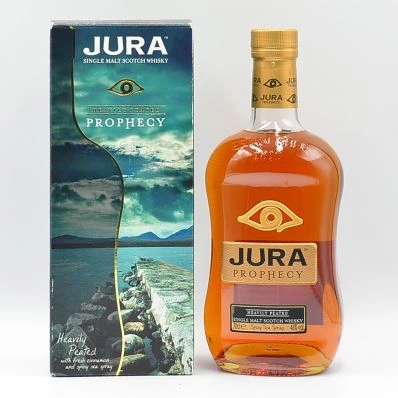
This grouping includes whiskies from places such as Skye, Orkney, Mull, Arran, Jura and Raasay. The styles vary widely, so “Island whisky” should not be treated as one flavour. Some bottles are smoky and coastal, while others are fruity, waxy or cask-led.
Island whisky is best used as a discovery category. If you like coastal character but do not want the full medicinal smoke of Islay, the Islands whisky category can be a strong middle ground.
Regional Output: Why Distillery Count Does Not Tell The Whole Story
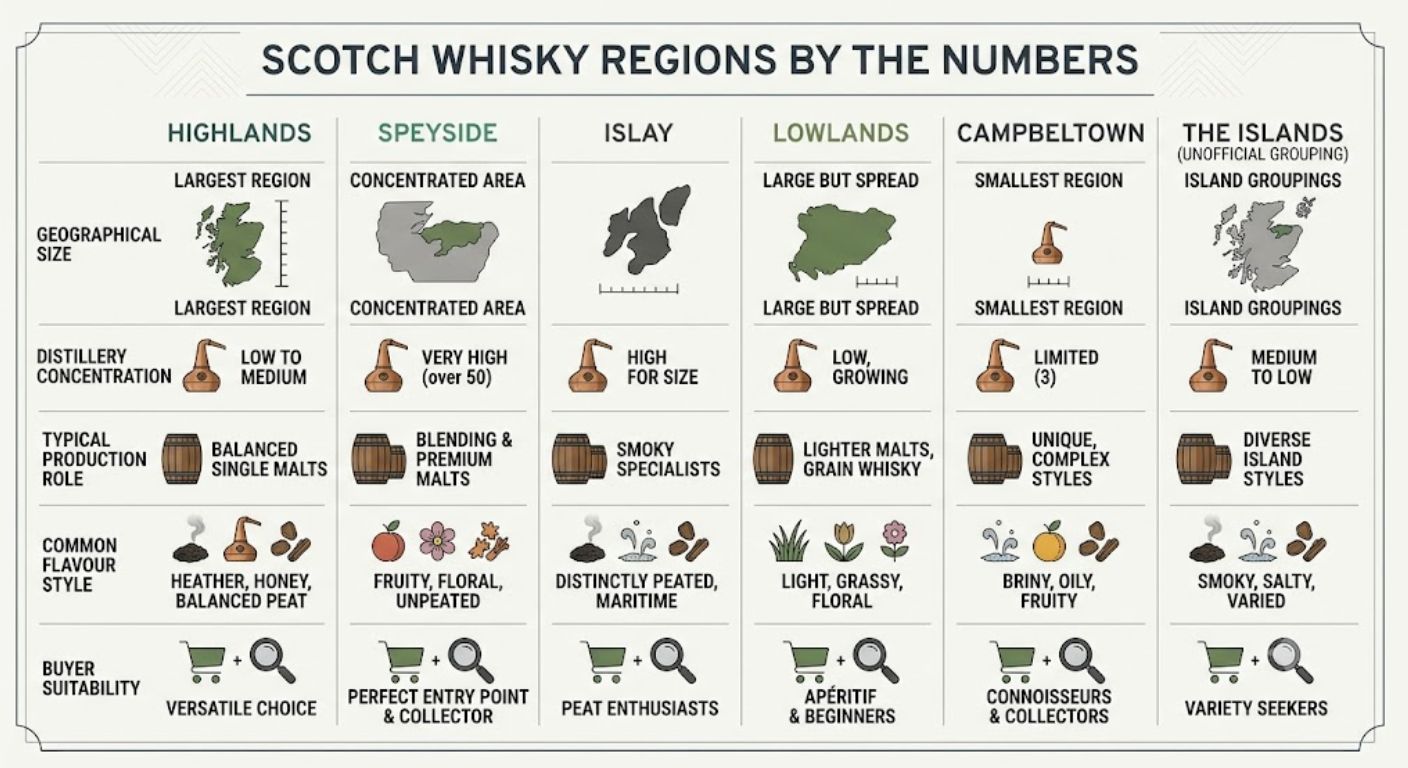
Distillery count is useful, but it does not equal production output. A region with many small malt distilleries may produce less spirit than a region with fewer but larger sites. Grain whisky distilleries also play a major role in total Scotch production, especially for blended Scotch.
Speyside has the highest concentration of malt distilleries, but total Scotch output is shaped by both malt and grain production. Large-volume producers supply the blending industry, while smaller malt distilleries may focus on single malt, independent bottlings, limited releases or visitor-led brand building.
For buyers, the key point is simple: regional reputation is not the same as production scale. A smaller region may have stronger collector identity, while a larger region may offer better availability and wider price variation.
How Region Affects Flavour
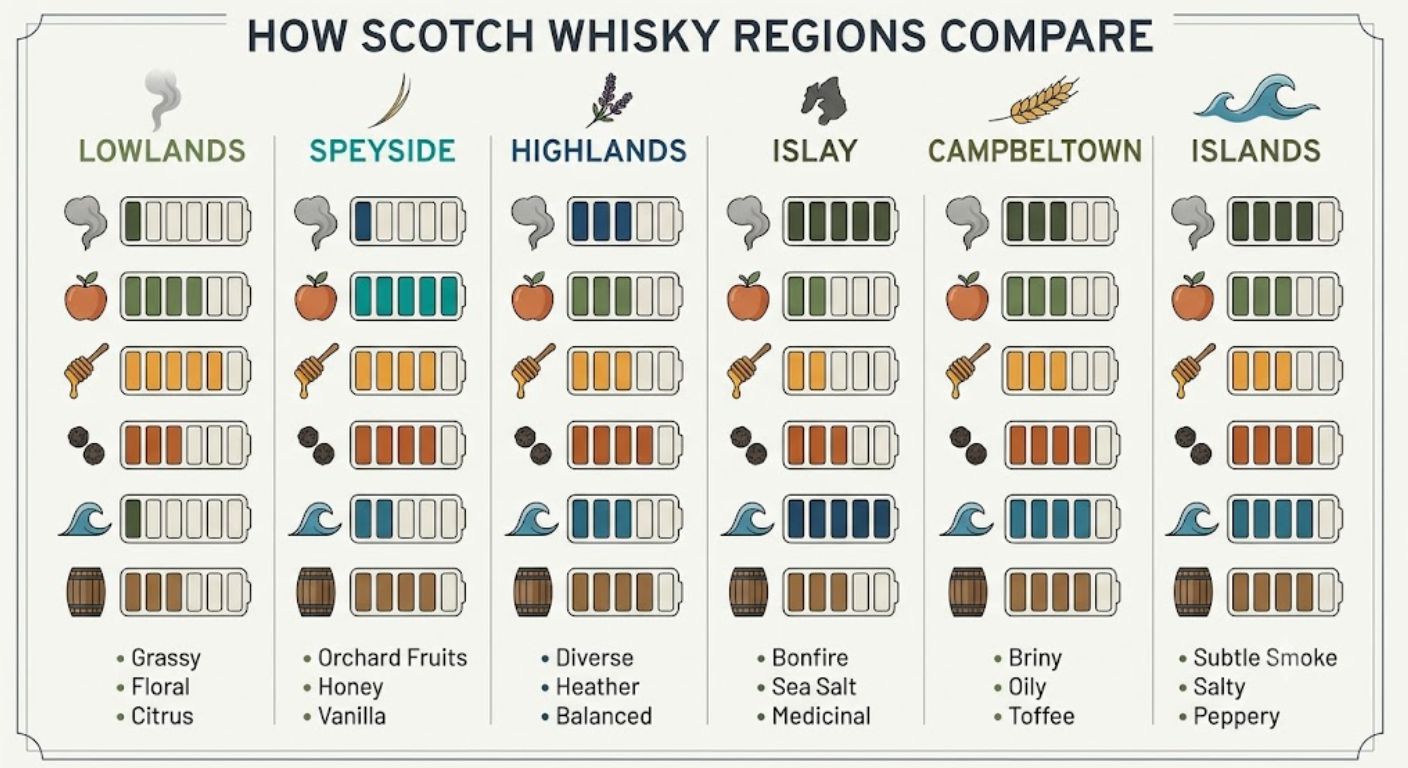
Region influences flavour, but it does not control it. Islay is strongly associated with peat smoke, Speyside with fruit and sherry casks, Lowland with lighter cereal styles, Campbeltown with oily coastal character and Highland with wide variation. These are tendencies, not guarantees.
Cask type often has more impact than region. Ex-bourbon casks usually bring vanilla, citrus, coconut and light oak. Sherry casks bring dried fruit, spice, dark sugar and sometimes tannin. Wine casks, port pipes and rum finishes can shift a whisky far away from its expected regional style.
ABV also matters. A 40% ABV official bottling will usually feel softer and more controlled than a 58% cask-strength independent bottling from the same region. Our customers often underestimate how much bottling strength changes the experience; two whiskies from the same distillery can feel unrelated if one is reduced to 40% and the other is bottled near cask strength.
ABV, Age And Cask Type By Region
| Factor | What To Check | Why It Matters |
|---|---|---|
| ABV | 40%, 43%, 46%, cask strength | Higher ABV usually means more intensity and less dilution |
| Age statement | Youngest whisky in the bottle | Older is not always better; cask quality matters |
| Cask type | Bourbon, sherry, wine, port, rum | Cask influence can override regional expectation |
| Peat level | Unpeated, lightly peated, heavily peated | Smoke is often the biggest buyer error |
| Bottler | Official or independent | Independent bottlings may show less standardised character |
Distillery Examples That Show Regional Range
Regional labels make more sense when tied to actual distilleries. Glen Scotia is a useful Campbeltown example because it shows how coastal weight, oiliness and subtle smoke can create a profile that does not fit neatly into Speyside-style sweetness or Islay-style peat.
In the Highlands, Brora shows why individual distillery history can matter more than broad regional identity. Closed or revived distilleries often carry collector interest because their production story, bottling history and availability differ from large-volume contemporary producers.
For island whisky, Isle of Raasay helps explain why the Islands are useful as a buyer category even though they are not an official region. Island distilleries can combine coastal influence, modern production decisions and varied cask strategies in ways that do not fit one simple flavour rule.
Decision Logic: Which Scotch Whisky Region Should You Choose?
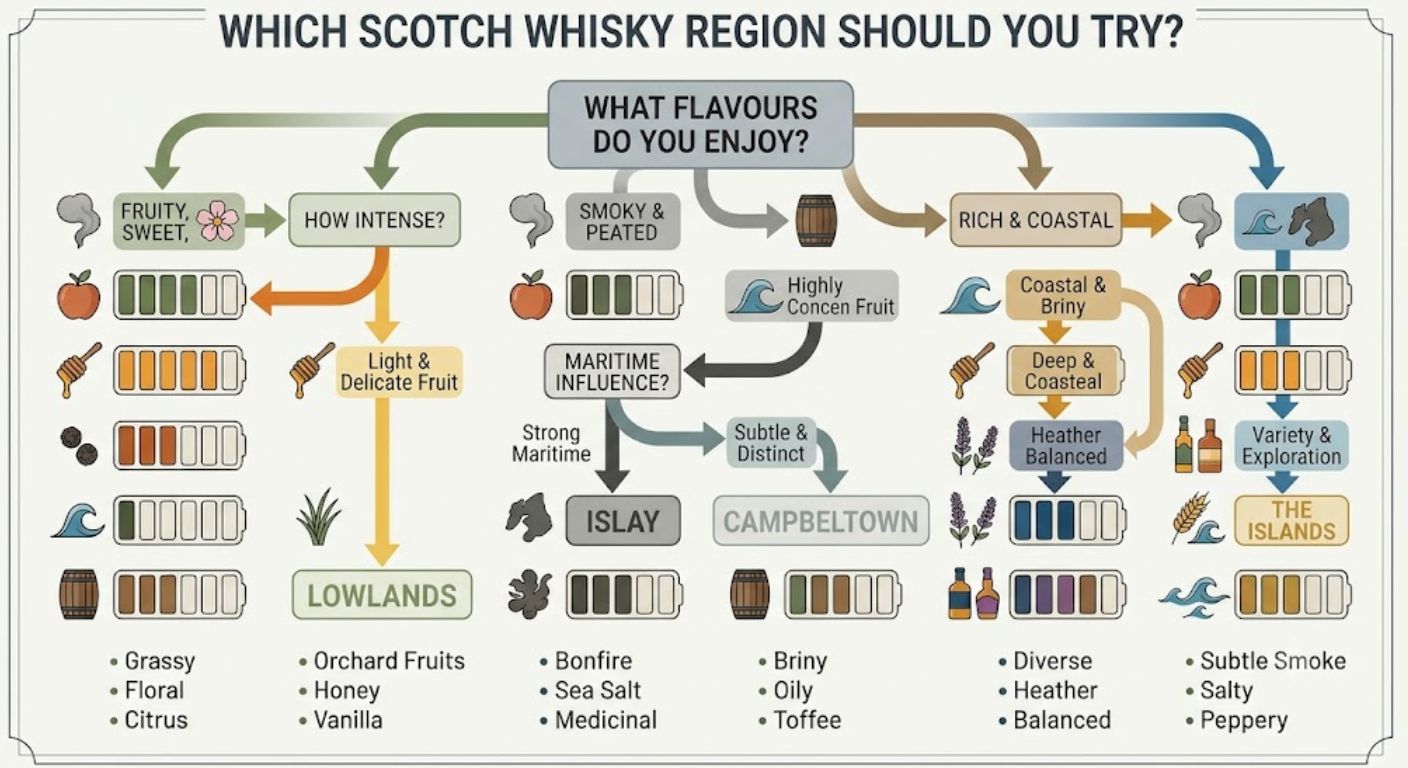
If you prefer soft fruit, honey, malt and sherry cask richness, start with Speyside. Look for 40–46% ABV if you want approachability, and consider sherry cask maturation if you prefer dried fruit and spice.
If you want variety and are happy to compare distillery by distillery, choose Highland. Do not buy Highland whisky on region alone; check the distillery, ABV and cask type first.
If you want smoke, brine, seaweed and medicinal character, choose Islay. Avoid heavily peated Islay as a blind gift unless the recipient already likes smoky whisky.
If you want lighter, cleaner and more cereal-led whisky, choose Lowland. This is often a good step from blended Scotch into single malt.
If you want oily, coastal, malty and distinctive whisky, choose Campbeltown. Expect more character and less neutral sweetness.
If you want coastal whisky without committing to Islay peat, choose the Islands. Check the distillery carefully because island styles vary widely.
Common Buyer Mistakes With Scotch Whisky Regions
- Assuming region guarantees flavour: it gives clues, not certainty.
- Ignoring ABV: cask-strength whisky can feel much more powerful than a 40% bottling.
- Confusing sherry finish with full sherry maturation: they are not the same thing.
- Buying Islay without checking peat: smoke is divisive.
- Assuming older always means better: inactive casks can produce flat older whisky.
- Overlooking independent bottlings: they can show a different side of a familiar region.
FAQ
What is the difference between Islay and Speyside whisky flavour?
Islay whisky is usually more smoky, maritime and medicinal, with flavours such as peat, brine, iodine and ash. Speyside whisky is usually fruitier and softer, with notes of apple, pear, honey, malt and sherry-cask richness. These are broad patterns, not fixed rules.
Is Campbeltown an official whisky region?
Yes. Campbeltown is one of the five official Scotch whisky regions. It is the smallest by active distillery count, but historically it was far more important. Modern Campbeltown whisky is often oily, coastal, malty and lightly smoky, giving it a distinct identity.
Why is Speyside separate from the Highlands?
Speyside is geographically within the north-east of Scotland, but it is recognised separately because of its very high concentration of distilleries and long production identity. The Scotch Whisky Regulations 2009 recognise Speyside as one of the five official Scotch whisky regions.
Are the Islands an official Scotch whisky region?
No. The Islands are not an official Scotch whisky region. They are normally treated as part of the Highlands under Scotch whisky regulations. Retailers and drinkers still use “Islands” because it helps group distilleries from places such as Skye, Orkney, Mull, Jura, Arran and Raasay.
Which Scotch whisky region is best for beginners?
Speyside and Lowland are usually the safest starting points. Speyside offers fruit, malt and sherry-cask richness, while Lowland whisky is often lighter and cleaner. Beginners should usually start around 40–46% ABV and avoid heavily peated Islay unless they already enjoy smoke.
Which region is best for smoky whisky?
Islay is the clearest choice for smoky Scotch whisky. Many Islay malts are heavily peated and show coastal, medicinal or maritime flavours. Some Highland, Island and Campbeltown whiskies can also be smoky, so check the peat level and tasting profile before buying.
Does age matter more than region?
Age matters, but it does not automatically matter more than region. A well-matured 10-year-old whisky can outperform an 18-year-old from tired casks. Region gives broad context, while age, cask quality, ABV and distillery character usually explain the bottle more accurately.
-
-
-
-
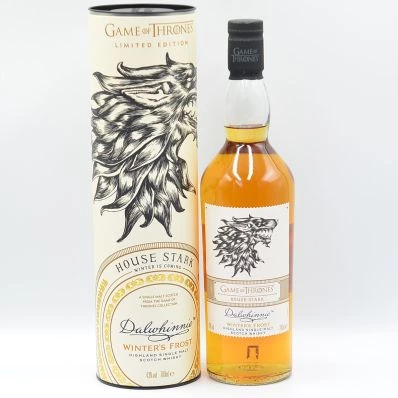 Game Of Thrones Whisky Dalwhinnie Winter's Frost House StarkSpecial Price £104.98 Regular Price £134.99 Inc VATSaving £30.01Out of stock
 -
-
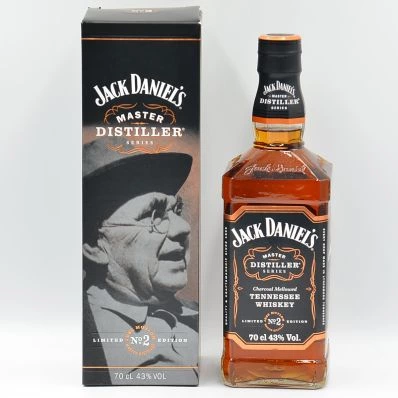 Jack Daniel's - Master Distiller Batch 2 Jess Motlow Limited Edition Bourbon Whiskey£164.99 Inc VATOut of stock
 -
-
-
-
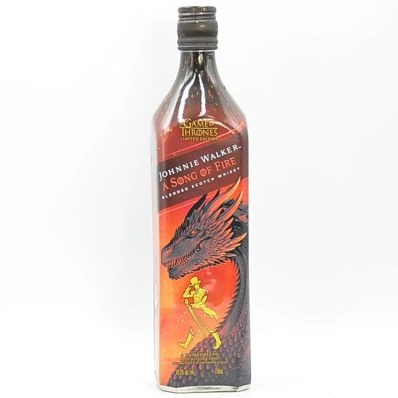 Game of Thrones Whisky Johnnie Walker A Song Of FireSpecial Price £139.98 Regular Price £144.99 Inc VATSaving £5.01
 -
Structured Summary: How To Use Scotch Whisky Regions
- Use region as a starting point: it gives useful clues, not a complete flavour guarantee.
- Check ABV before buying: 40–46% is usually more approachable; cask strength is more intense.
- Check peat level: especially with Islay, Islands, Highland and Campbeltown bottles.
- Read the cask information: bourbon, sherry, wine, port and rum casks can change the profile dramatically.
- Do not overvalue age alone: cask quality and distillery style are often more important.
- Use distillery identity: the producer often tells you more than the region.
The simplest shortcut is this: choose Speyside for fruit and balance, Islay for smoke, Lowland for lighter styles, Campbeltown for distinctive coastal weight, Highland for range and Islands for coastal discovery. To compare bottles across styles, regions and price tiers, browse the wider Scotch whisky selection.

Comments