
 Chat with us on WhatsApp


The Best Bourbon Cocktails: 10 Classics To Know
Bourbon works well in cocktails because it brings sweetness, oak, vanilla, spice and weight without needing complicated ingredients. The decision is not simply which drink sounds best. It is which style of bourbon cocktail suits the bottle, the occasion and the drinker.
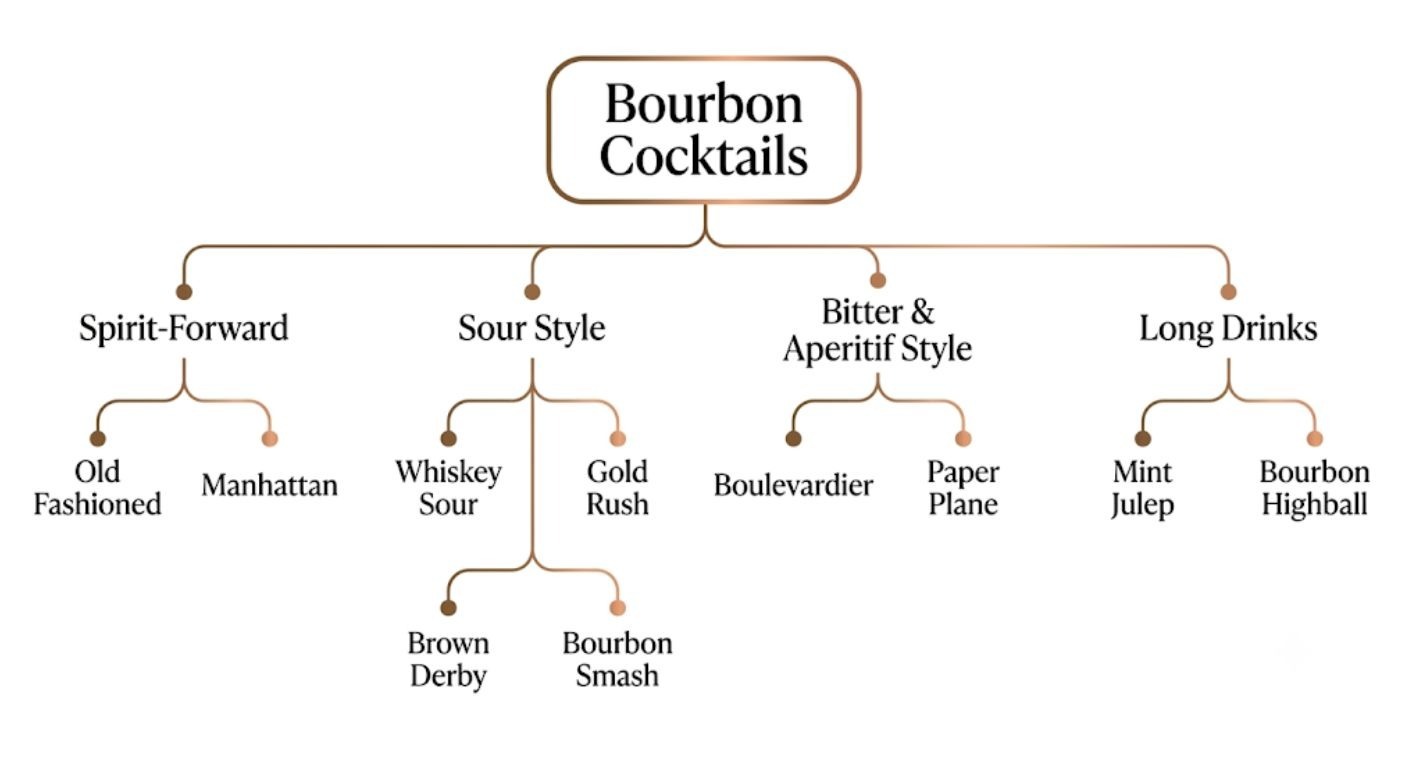
This guide covers ten classic bourbon cocktails worth knowing, from stirred drinks such as the Old Fashioned and Manhattan to shaken serves such as the Whiskey Sour and Gold Rush. It also explains how to choose the right bourbon for mixing, when proof matters, how citrus and bitters affect balance, and which drinks are easiest to make at home.
If you are choosing a bottle specifically for mixing, start with a bourbon that has enough strength to hold its flavour after dilution. Bottles around 45–50% ABV usually perform better than very light 40% options. You can browse the wider American whiskey selection if you want to compare bourbon, rye and other US whiskey styles before deciding.
What Makes A Good Bourbon Cocktail?
A good bourbon cocktail keeps the whiskey visible. Sugar, citrus, bitters, vermouth, mint, ginger or liqueur should frame the bourbon rather than hide it. If the drink tastes only of lemon, syrup or mixer, the balance is wrong.
Bourbon is legally defined in the United States by rules covering grain, distillation strength and maturation. Under the US standards of identity for distilled spirits, straight bourbon must be made from at least 51% corn, distilled to no more than 160 proof, matured in charred new oak barrels, and aged for at least two years. Those rules explain why bourbon brings a different structure to cocktails than Scotch whisky or Irish whiskey.
The best bourbon cocktails usually rely on four things:
- Enough proof: 45–50% ABV gives the drink more body after stirring or shaking.
- Clear flavour direction: high-rye bourbon adds spice; wheated bourbon gives a softer, sweeter profile.
- Fresh ingredients: fresh lemon, lime, mint and citrus peel are noticeably better than bottled alternatives.
- Controlled sweetness: syrup should balance alcohol and bitterness, not flatten the drink.
For most home cocktails, avoid using your most collectible bottle and avoid the cheapest bottle on the shelf. A reliable mid-shelf bourbon gives better value because the flavour remains present without wasting rare or expensive stock.
The 10 Best Bourbon Cocktails To Know
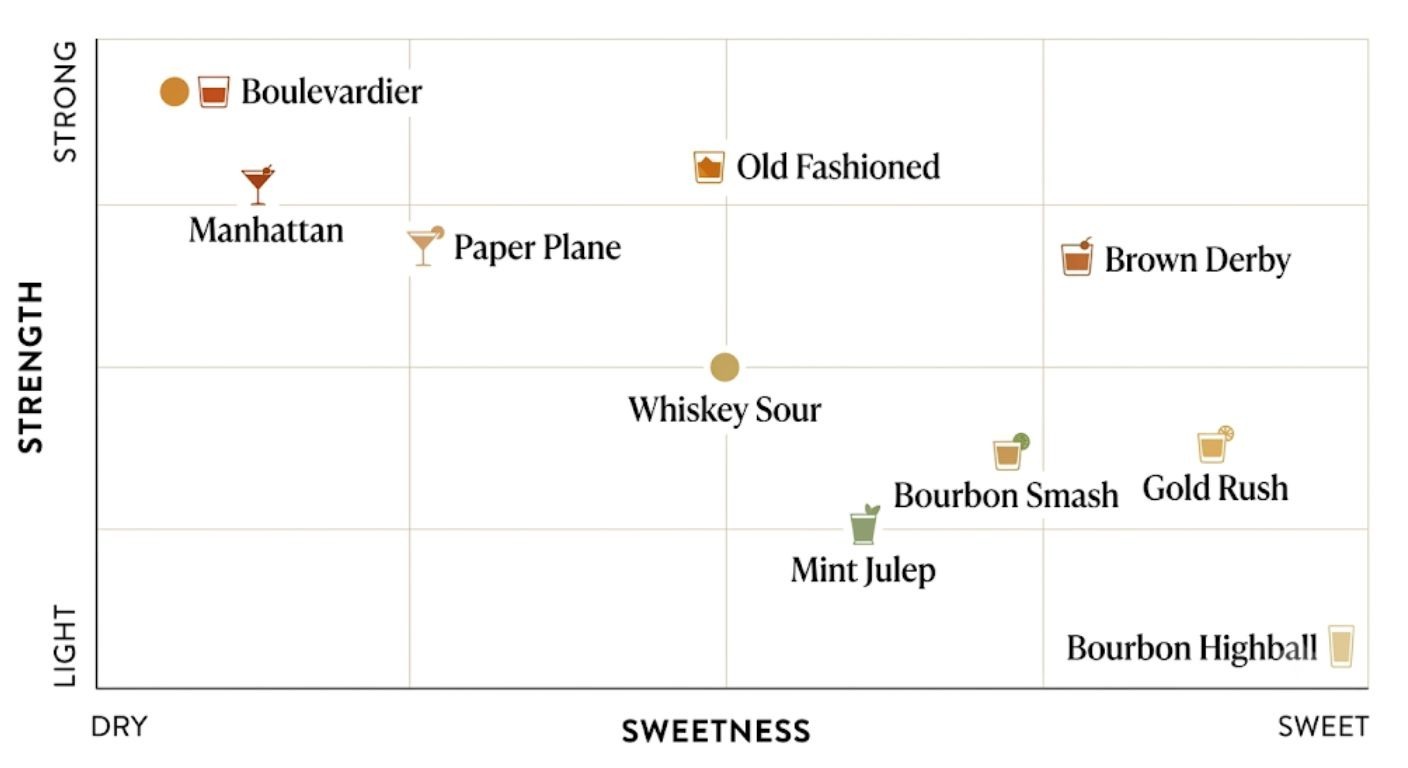
These ten drinks cover the main bourbon cocktail families: stirred, sour, long, bitter, mint-led and modern classics. They are not novelty drinks. They are useful reference points for understanding how bourbon behaves with sugar, citrus, bitters, vermouth and dilution.
1. Old Fashioned
The Old Fashioned is the benchmark bourbon cocktail: bourbon, sugar, bitters and citrus oil. It works because it does not disguise the whiskey. It softens the alcohol, adds aromatic depth and lets the cask character stay central.
Use bourbon around 45–50% ABV if possible. A lower-strength bottle can become thin once stirred over ice. A high-rye bourbon gives a drier, spicier result, while a wheated bourbon gives a rounder drink with more vanilla and soft caramel.
A standard build is:
- 60ml bourbon
- 5–10ml simple syrup or one sugar cube
- 2–3 dashes aromatic bitters
- Orange peel garnish
2. Whiskey Sour
The Whiskey Sour is one of the best bourbon cocktails for beginners because lemon and sugar make the drink approachable without removing the whiskey character. It is usually made with bourbon, fresh lemon juice and sugar syrup, with optional egg white for texture.
The useful rule is 3-2-1: three parts bourbon, two parts sour, one part sweet. In practice, that often means 60ml bourbon, 30ml lemon juice and 15ml sugar syrup. Adjust the syrup slightly if the bourbon is particularly dry or high proof.
Egg white is optional. It does not add flavour, but it gives the drink a smoother texture and a pale foam on top. If using egg white, dry shake first without ice, then shake again with ice. Aquafaba can be used as a plant-based alternative.
3. Manhattan
A Manhattan is a stirred whiskey cocktail made with whiskey, sweet vermouth and bitters. Rye is traditional for many drinkers, but bourbon gives a softer, sweeter version with more vanilla and oak.
Use a bourbon with enough spice or proof to avoid an overly sweet drink. High-rye bourbon often works well because the rye grain cuts through the vermouth. Softer wheated bourbon can work, but it needs a vermouth with bitterness and structure.
A typical bourbon Manhattan uses:
- 60ml bourbon
- 30ml sweet vermouth
- 2 dashes aromatic bitters
- Cherry or orange twist garnish
4. Mint Julep
The Mint Julep is a bourbon, mint, sugar and crushed ice drink closely associated with Kentucky. It looks simple, but it depends heavily on dilution. The crushed ice slowly lengthens the bourbon while mint and sugar lift the aroma.
Use a bourbon with solid oak and spice. Very soft bourbon can disappear as the ice melts. Around 45–50% ABV is useful, especially if the drink is served outdoors or over a large quantity of crushed ice.
Do not over-muddle mint. Press it gently to release aroma without making it bitter. The full history, recipe and bottle guidance sits in
5. Boulevardier
The Boulevardier is a bourbon or rye variation on the Negroni structure: whiskey, Campari and sweet vermouth. Bourbon makes the drink richer and rounder than gin, with oak and vanilla sitting against bitter orange.
This is a drink where proof matters. A light 40% bourbon can be overwhelmed by Campari and vermouth. Use 45% ABV or higher if available. A high-rye bourbon works especially well because the spice keeps the finish dry.
A standard equal-parts recipe is simple, but many drinkers prefer slightly more bourbon:
- 45ml bourbon
- 25ml Campari
- 25ml sweet vermouth
- Orange peel garnish
6. Gold Rush
The Gold Rush is a modern bourbon sour made with bourbon, honey syrup and lemon juice. It is softer than a Whiskey Sour because honey brings texture and floral sweetness rather than clean sugar.
Honey syrup is usually made by mixing honey with warm water. A 1:1 ratio is easy to pour and measure. A richer 3:1 honey-to-water syrup gives more body but can dominate lighter bourbons. Warm the mixture gently; do not boil it.
This drink works best with bourbon that has vanilla, oak and enough strength to balance the honey. Very delicate bottles can become sweet and flat.
7. Paper Plane
The Paper Plane is a modern equal-parts cocktail made with bourbon, Aperol, amaro and lemon juice. It is bright, bittersweet and citrus-led, so the bourbon needs enough structure to stay visible.
Aperol brings orange and gentle bitterness. Amaro adds herbal depth. Lemon gives acidity. Bourbon supplies weight, oak and sweetness. Use a bottle that is not too soft and not too expensive. This is not the place for an old or collectible bourbon.
A common build is:
- Equal parts bourbon, Aperol, amaro and fresh lemon juice
- Shake hard with ice
- Fine strain into a chilled glass
8. Bourbon Highball
The Bourbon Highball is bourbon lengthened with soda water, ginger ale or another clean mixer. It is simple, but the simplicity exposes poor balance. The mixer should lengthen the whiskey, not bury it.
Use soda water if you want the bourbon flavour to stay dry and visible. Use ginger ale if you want a sweeter, easier drink. Ginger beer gives more spice and bite, but it can overpower lighter bourbon.
A practical build is 50ml bourbon over ice, topped with 100–150ml mixer. Start with less mixer and add more only if needed.
9. Bourbon Smash
A Bourbon Smash sits between a sour and a mint drink. It usually combines bourbon, lemon, sugar and mint, sometimes with seasonal fruit. It is more flexible than a Mint Julep and brighter than an Old Fashioned.
The key is restraint. Too much fruit makes it taste like a fruit drink with whiskey added. Keep the bourbon base strong, use fresh lemon, and treat mint gently. Crushed ice works well because the drink is meant to be fresh and slightly diluted.
10. Brown Derby
The Brown Derby combines bourbon, grapefruit juice and honey syrup. It is sharper and more aromatic than a Gold Rush because grapefruit brings bitterness as well as acidity.
This drink suits bourbon with sweetness and oak. A high-rye bourbon can work, but too much spice may clash with the grapefruit. If the drink tastes thin, reduce the grapefruit slightly rather than adding more honey.
A useful starting point is:
- 45ml bourbon
- 30ml fresh grapefruit juice
- 15ml honey syrup
How To Choose Bourbon For Cocktails
The best bourbon for cocktails is not always the most expensive bottle. In fact, using a scarce or old bottle in a mixed drink often removes the details that made it worth buying in the first place. Cocktail bourbon needs strength, balance and enough flavour to survive dilution.
For most classic bourbon cocktails, look for:
- ABV: 45–50% is the most useful range for home mixing.
- Age: 4–9 years is often enough for oak depth without excessive price.
- Mash bill: high-rye for spice, wheated for softness, traditional bourbon for balance.
- Price: around £30–£60 is the practical UK sweet spot for most mixing bottles.
- Style: avoid fragile, low-proof bourbon for bitter or citrus-heavy drinks.
Customers regularly ask us whether it is worth using a premium bourbon in cocktails; in practice, the better question is whether the bottle’s main character will still be noticeable once citrus, bitters, vermouth or ice have done their work.
If you want a mixing bottle without moving into collectible territory, the Best Bourbon Under £50 category is the natural place to compare practical options.
Proof, Mash Bill And Flavour: The Decision Logic
Proof and mash bill matter because cocktails dilute whiskey. Shaking, stirring and serving over ice all reduce strength. A bourbon that tastes clear neat can become weak in a cocktail if the ABV is too low or the flavour profile is too soft.
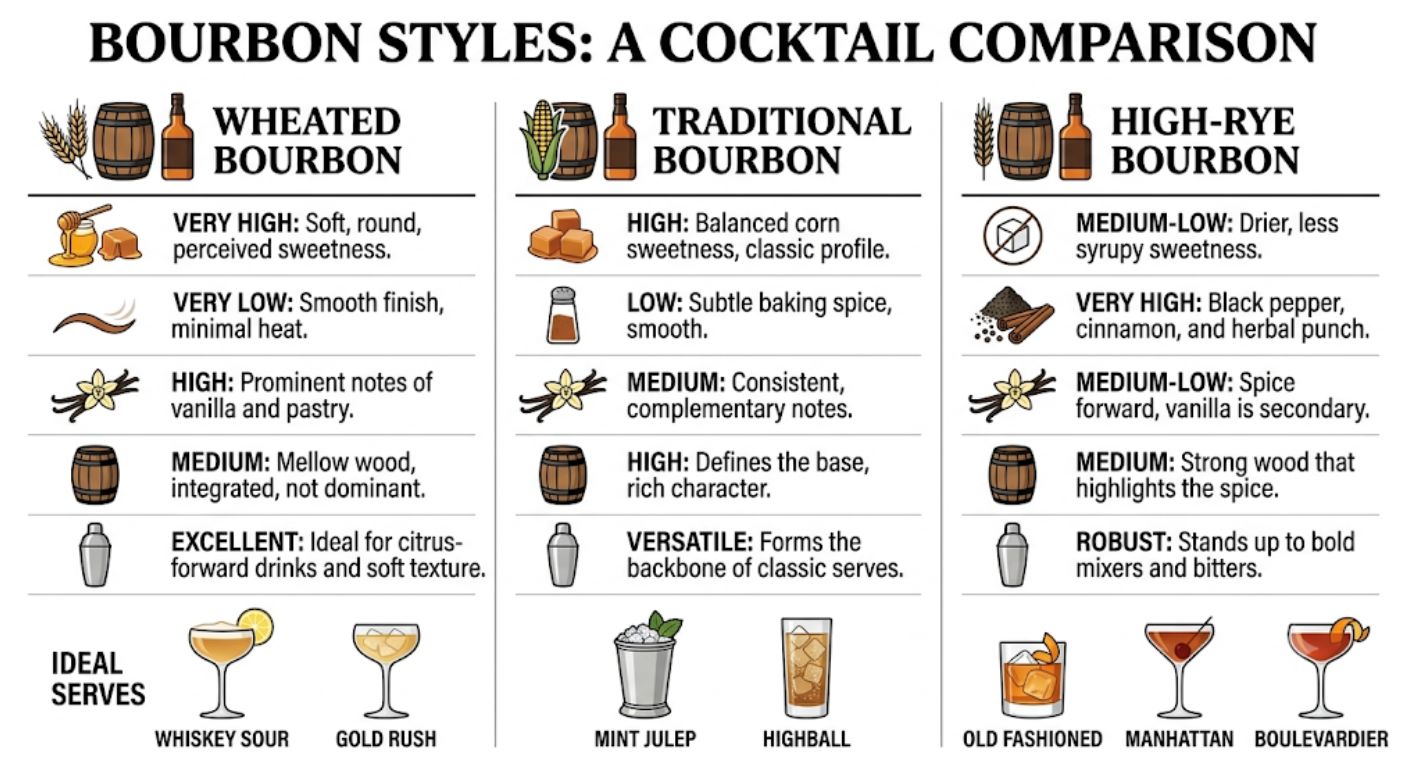
If you prefer a sweeter cocktail, choose wheated bourbon
Wheated bourbon replaces some or all of the rye grain with wheat. This usually gives a softer profile with vanilla, caramel and gentle cereal sweetness. It works well in Whiskey Sours, Gold Rush cocktails and easy long drinks.
W.L. Weller is one of the names associated with wheated bourbon. If you are exploring that style, the W.L Weller distillery guide gives useful context around the name and its place in American whiskey.
If you prefer spice and structure, choose high-rye bourbon
High-rye bourbon brings pepper, baking spice and a drier finish. It works well in an Old Fashioned, Manhattan or Boulevardier because the spice cuts through sugar, vermouth and bitter ingredients.
This is usually the better direction if you find bourbon cocktails too sweet. It is also useful when using strong ingredients such as Campari, ginger beer or rich vermouth.
If you want one bottle for most drinks, choose 45–50% ABV
A single home-bar bourbon should be strong enough for stirred drinks and balanced enough for sours. Bottles around 45–50% ABV usually give the best flexibility. Very high-proof bourbon can be excellent, but it needs more careful dilution and may overpower lighter drinks.
Wild Turkey is a useful reference point for the stronger, more assertive side of bourbon. For more context, use the Wild Turkey distillery guide.
Fresh Citrus, Bitters And Syrups
Most bourbon cocktails fail because the non-whiskey ingredients are poor or badly measured. Fresh citrus, good bitters and controlled syrup matter as much as bottle choice.
Fresh citrus
Use fresh lemon, lime or grapefruit juice where the recipe depends on acidity. Bottled lemon juice tastes flat and can make a Whiskey Sour or Gold Rush feel harsh rather than clean. Citrus peel also matters because the oils sit on the surface of the drink and change the aroma before the first sip.
Bitters
Bitters are not optional decoration in an Old Fashioned or Manhattan. They add spice, bitterness and structure. Aromatic bitters are the standard starting point. Orange bitters can be useful with bourbon, especially in stirred drinks with citrus peel.
Syrups
Simple syrup is usually equal parts sugar and water. Honey syrup can be 1:1 for easy mixing or richer if you want more texture. Keep syrups refrigerated and make small batches rather than keeping them for months.
Home Bar Tools That Actually Matter
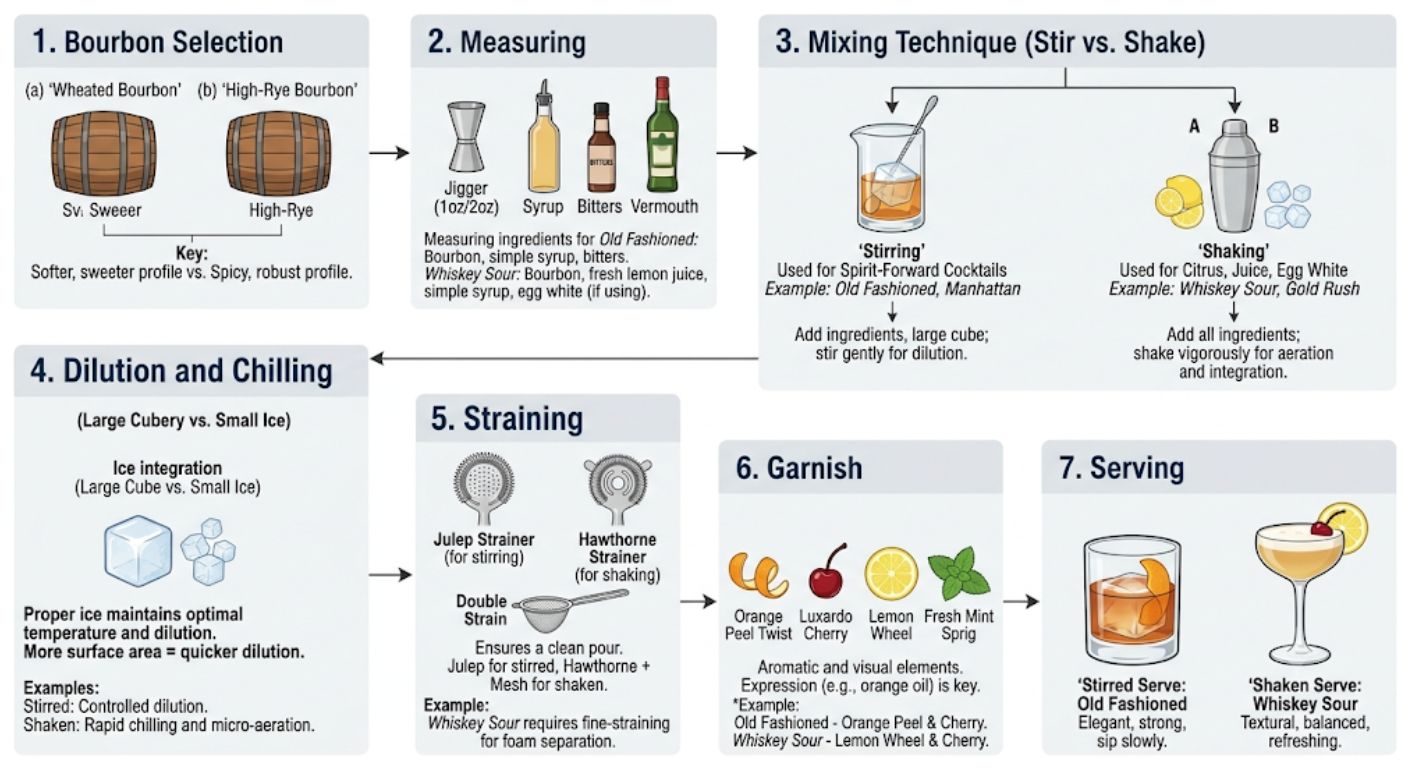
You do not need a professional bar setup to make good bourbon cocktails. You do need accurate measuring and the right method for the drink.
- Jigger: essential for keeping recipes balanced.
- Mixing glass: useful for stirred drinks such as an Old Fashioned, Manhattan or Boulevardier.
- Bar spoon: gives controlled stirring without over-diluting too quickly.
- Cocktail shaker: needed for Whiskey Sours, Gold Rush, Paper Plane and Smash-style drinks.
- Strainer: keeps ice shards, mint and citrus pulp out of the finished drink.
- Muddler: useful for mint, but pressure should be gentle.
The tool that matters most is the jigger. Guessing measures is the fastest way to make bourbon cocktails too sweet, too sharp or too weak.
How To Batch Bourbon Cocktails For A Crowd
Batching works best for spirit-led or simple sour-style drinks. It works badly when fresh mint, egg white, sparkling mixers or crushed ice are added too early. Mix the stable ingredients in advance, then finish the drink close to serving.
For eight drinks, the easiest method is to scale the recipe directly. If one drink uses 60ml bourbon, eight drinks use 480ml bourbon. If the recipe uses 30ml lemon juice, eight drinks use 240ml lemon juice.
Use this practical rule:
- Spirit-only drinks: batch bourbon, vermouth, bitters and syrup ahead of time.
- Citrus drinks: add fresh citrus on the day, ideally within 12–18 hours of serving.
- Carbonated drinks: never batch soda, ginger ale or sparkling ingredients in advance.
- Dilution: add a small amount of chilled water if the drink will not be stirred or shaken individually.
Old Fashioneds, Manhattans and Boulevardiers are the easiest bourbon cocktails to batch. Whiskey Sours can be batched, but egg white versions are better shaken individually.
Where Distillery Character Still Matters
Cocktails reduce some detail, but they do not erase distillery character completely. The difference between a soft wheated bourbon, a high-rye bourbon and a craft bourbon still shows, especially in simple drinks.
Leipers Fork is an example of a smaller American whiskey producer where distillery context matters to the bottle. If you are exploring craft bourbon rather than large-scale labels, the Leipers Fork distillery guide gives a clearer view of that producer context.
For cocktails with only two or three ingredients, distillery character matters more. In an Old Fashioned, Highball or Julep, the bourbon is exposed. In a Paper Plane or Boulevardier, the other ingredients are stronger, so proof and structure matter more than subtle tasting detail.
Decision Shortcuts For Choosing The Right Bourbon Cocktail
Use the drink style to guide both the recipe and the bottle.
- If you want the bourbon to stay central: choose an Old Fashioned, Julep or Highball.
- If you want something approachable: choose a Whiskey Sour or Gold Rush.
- If you like bitter drinks: choose a Boulevardier or Paper Plane.
- If you like sweeter, softer drinks: use wheated bourbon in a Gold Rush or Whiskey Sour.
- If you like spice and dryness: use high-rye bourbon in a Manhattan, Old Fashioned or Boulevardier.
- If your budget is £30–£60: prioritise 45–50% ABV over age statement.
- If the bottle is old, scarce or collectible: drink it neat or with minimal dilution rather than mixing it.
If you are choosing a bottle for regular home mixing rather than a single recipe, compare availability and style across Best Selling Bourbon before narrowing by proof, mash bill and price.
Common Mistakes With Bourbon Cocktails
- Using weak bourbon in strong recipes: 40% ABV can disappear in a Boulevardier, Sour or long drink.
- Adding too much sugar: bourbon already brings sweetness from corn and new oak.
- Using bottled citrus: it flattens sour-style drinks and gives a harsher finish.
- Over-muddling mint: bruised mint can taste bitter and vegetal.
- Ignoring dilution: stirring and shaking are part of the recipe, not just cooling steps.
- Using collectible bottles casually: rare or old bourbon can lose its point once mixed with citrus, bitters or vermouth.
FAQ
What bourbon cocktail should beginners start with?
Most beginners should start with a Whiskey Sour or Gold Rush. Both use bourbon, citrus and sweetness to soften the alcohol without hiding the whiskey completely. Use a bourbon around 45% ABV and avoid very high-proof bottles until you know how much strength you enjoy.
What is the best bourbon proof for cocktails?
For most bourbon cocktails, 45–50% ABV is the safest range. It gives enough flavour after ice dilution without becoming aggressive. Lower-strength bourbon can work in simple Highballs, but it may taste thin in Old Fashioneds, Manhattans, Sours and Boulevardiers.
Do you need egg white for a Whiskey Sour?
No. Egg white is optional. It gives a Whiskey Sour a smoother texture and a foamy top, but the core drink is bourbon, lemon juice and sugar syrup. If using egg white, dry shake without ice first, then shake again with ice. Aquafaba can be used as a plant-based alternative.
Can you batch bourbon cocktails in advance?
Yes, but only some parts should be batched. Spirit-led drinks such as Old Fashioneds, Manhattans and Boulevardiers work well in advance. Citrus should be added on the day, ideally within 12–18 hours. Do not batch soda, ginger ale, crushed ice, mint or egg white too early.
What is honey syrup for a Gold Rush?
Honey syrup is honey loosened with warm water so it mixes evenly into a cold drink. A 1:1 ratio of honey to water is easiest for cocktails. A richer 3:1 syrup gives more texture but can dominate lighter bourbon. Warm gently and refrigerate after making.
Is bourbon better than rye for cocktails?
It depends on the drink. Bourbon gives more sweetness, vanilla and oak. Rye gives more spice and dryness. Bourbon works especially well in a Gold Rush, Whiskey Sour and Mint Julep. Rye is often sharper in a Manhattan or Boulevardier, but bourbon gives a rounder version.
Should you use expensive bourbon in cocktails?
Usually, no. Most cocktails are better served by a reliable mid-shelf bourbon around £30–£60 and 45–50% ABV. Expensive, old or collectible bottles often have subtleties that disappear once mixed with citrus, sugar, bitters or vermouth.
-
-
-
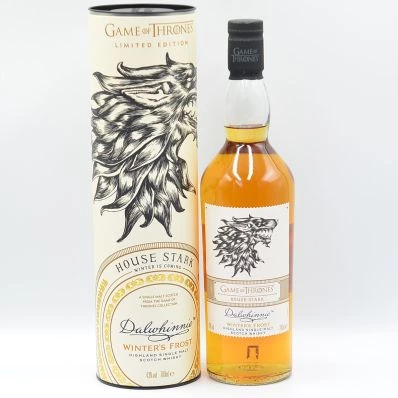 Game Of Thrones Whisky Dalwhinnie Winter's Frost House StarkSpecial Price £104.98 Regular Price £134.99 Inc VATSaving £30.01
 -
-
-
-
-
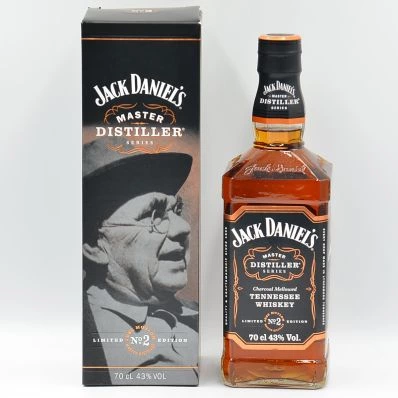 Jack Daniel's - Master Distiller Batch 2 Jess Motlow Limited Edition Bourbon Whiskey£164.99 Inc VATOut of stock
 -
-
-
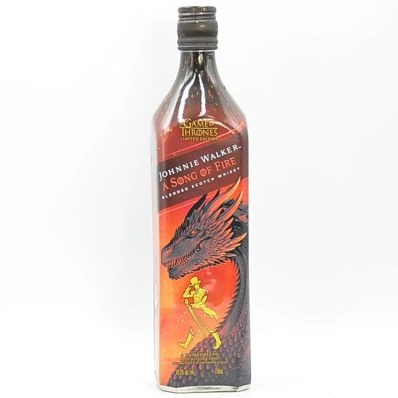 Game of Thrones Whisky Johnnie Walker A Song Of FireSpecial Price £139.98 Regular Price £144.99 Inc VATSaving £5.01
Summary: The Key Rules For Better Bourbon Cocktails
- ABV: choose 45–50% for most bourbon cocktails.
- Age: 4–9 years is usually enough for mixing; older is not automatically better.
- Mash bill: high-rye gives spice, wheated gives softness, traditional bourbon gives balance.
- Citrus: use fresh lemon, lime or grapefruit juice.
- Bitters: essential in Old Fashioneds and Manhattans, not just decoration.
- Budget: £30–£60 is the practical range for most UK home-bar bourbon.
- Collectible bottles: avoid using rare or old bourbon in citrus-heavy or bitter cocktails.
The best bourbon cocktails are not about hiding whiskey. They are about choosing the right structure for the bottle: stirred for depth, sour for brightness, highball for length, bitter for contrast, and mint-led for freshness.
For bottle choice, start with proof and flavour profile before price. A balanced mid-shelf bourbon will usually make a better cocktail than a fragile low-proof bottle or an expensive collectible opened for the wrong purpose.

Comments