
 Chat with us on WhatsApp


Top 10 Whiskies To Buy From £50–£100
The £50–£100 price bracket is one of the strongest places to look for characterful whisky. It moves beyond most entry-level releases without entering the premium pricing attached to older age statements, limited packaging or heavily marketed names.
The best whisky from £50 to £100 should offer more than a recognisable label. Look for meaningful specifications such as a clear age statement, a distinctive cask programme, an ABV above the legal minimum or presentation without chill filtration. Our dedicated Scotch whiskies from £50 to £100 category brings together bottles within this price range. Prices can change between batches and retailers, so the figures below should be treated as typical UK ranges rather than fixed prices.
What Makes A Whisky Good Value From £50–£100?
Good value does not simply mean receiving the oldest whisky for the lowest price. A younger whisky bottled at 46% ABV with a well-managed cask programme can offer more weight and definition than an older release bottled at 40% ABV.
Useful value signals include:
- ABV: Bottlings at 46% ABV or above often retain more texture and flavour concentration.
- Age statement: A stated age provides useful maturation context, but it should not be treated as the sole measure of quality.
- Cask information: Ex-bourbon, Oloroso sherry, Pedro Ximénez and wine casks create different profiles and should be chosen according to taste.
- Non-chill filtration: This can preserve more of the whisky’s natural oils and texture.
- Natural colour: This offers greater transparency about the appearance created during maturation.
The Scotch Whisky Association explains that Scotch must mature in oak casks for at least three years, although many expressions remain in cask considerably longer. Age matters, but cask quality, spirit character and bottling strength often have an equally important effect on the finished whisky.

The Whisky Integrity Checklist
- Prefer 46% ABV or above when you want greater texture and concentration.
- Check whether the whisky is non-chill filtered.
- Look for natural colour where production transparency matters.
- Read the cask details rather than relying only on the age statement.
- Consider whether the price reflects the liquid or mainly the reputation of the brand.
Top 10 Whiskies From £50–£100
1. Arran 10 Year Old
Typical price: £50–£60
Region: Islands
ABV: 46%
Cask style: Predominantly ex-bourbon with sherry-cask influence
Arran 10 Year Old is a useful benchmark for technically sound single malt at the lower end of this bracket. It is bottled at 46% ABV, is generally presented without chill filtration and allows the distillery’s bright fruit-led character to remain clear.
The profile usually combines orchard fruit, citrus, malt and light spice rather than heavy oak or smoke. It suits drinkers who want a step up from lighter entry-level malts without moving into an aggressive cask-strength release. Learn more about the island producer in our Arran distillery guide.
2. Bunnahabhain 12 Year Old
Typical price: £50–£60
Region: Islay
ABV: 46.3%
Cask style: Ex-bourbon and sherry casks
Bunnahabhain 12 Year Old shows that an Islay single malt does not need to be heavily peated. Its character is more closely associated with dried fruit, nuts, malt, coastal notes and gentle spice.
The combination of a 12-year age statement, 46.3% ABV and sherry-cask influence gives it considerable substance for its price. It is a sensible choice for someone who enjoys richer Scotch but does not want medicinal smoke. Our Bunnahabhain distillery overview provides further context on its distinctive place within Islay.
3. Clynelish 14 Year Old
Typical price: £55–£70
Region: Highlands
ABV: 46%
Cask style: Predominantly American oak
Clynelish 14 Year Old is recognised for its waxy texture, citrus character and restrained coastal salinity. These qualities make it markedly different from heavily sherried or strongly peated malts.
Its value lies in the combination of a distinctive distillery character, a 14-year age statement and a useful 46% bottling strength. It suits drinkers who value texture and spirit identity more than overt sweetness. The history and production context are covered in our Clynelish distillery guide.
4. Glen Scotia 15 Year Old
Typical price: £60–£75
Region: Campbeltown
ABV: 46%
Cask style: Predominantly American oak
Glen Scotia 15 Year Old offers a mature Campbeltown profile without moving into the increasingly expensive prices associated with some bottles from the region. It typically combines baked fruit, oak spice, vanilla and a slightly coastal or oily quality.
The 15-year age statement gives the oak time to integrate while the 46% ABV helps preserve texture. It makes sense for buyers who want an established regional style and a mature single malt rather than maximum smoke or sherry intensity.
5. Balblair 15 Year Old
Typical price: £70–£90
Region: Highlands
ABV: 46%
Cask style: Ex-bourbon maturation with Spanish oak finishing
Balblair 15 Year Old is a strong option for buyers who want noticeable maturity without crossing the £100 mark. Its cask structure brings together fruit-led distillery character with richer dried-fruit, cocoa and spice notes from Spanish oak.
This is not simply a bottle to choose because it carries a 15-year age statement. Its appeal comes from the balance between maturation, strength and cask influence. It suits drinkers who find heavily sherried whisky too dense but want more depth than a bourbon-cask-led malt.
6. Port Charlotte 10 Year Old
Typical price: £55–£70
Region: Islay
ABV: 50%
Cask style: Predominantly American whiskey casks with additional wine-cask influence
Port Charlotte 10 Year Old is designed for drinkers who want assertive peat supported by sufficient strength and maturation. At 50% ABV, it carries smoke, citrus, malt and coastal character with more weight than many standard-strength Islay releases.
The peat is substantial, but the whisky is not solely about smoke. The cask programme adds fruit and sweetness around the phenolic core. Buyers exploring this style can use our broader peated whisky buyer’s guide to compare smoke intensity, cask influence and regional character.
7. Ardbeg Uigeadail
Typical price: £65–£80
Region: Islay
ABV: 54.2%
Cask style: Ex-bourbon and sherry casks
Ardbeg Uigeadail combines high-strength Islay peat with richer sherry-cask influence. The result is usually denser and sweeter than a straightforward bourbon-cask peated whisky, with smoke supported by dried fruit, dark sugar and spice.
It offers considerable concentration for the price, but it is not the safest choice for a beginner. The strength and smoke can dominate an inexperienced palate. A small amount of water can help separate the sweeter cask notes from the peat.
One thing our customers do not always flag until after choosing a bottle is how differently a whisky above 50% ABV drinks from a standard 40% release, so the strength is worth checking before committing.
8. GlenAllachie 15 Year Old
Typical price: £70–£85
Region: Speyside
ABV: 46%
Cask style: Pedro Ximénez and Oloroso sherry casks
GlenAllachie 15 Year Old is suited to drinkers looking for a rich, sherry-led Speyside malt. Its character commonly centres on raisins, dark fruit, cocoa, spice and treacle-like sweetness.
The combination of a substantial age statement, 46% ABV and active sherry casks makes it feel deliberately structured rather than dependent on branding. It may be too rich for someone who prefers citrus-led or delicate whisky, but it is a clear choice for buyers who want concentrated sherry influence.
9. Redbreast 12 Year Old Cask Strength
Typical price: £80–£100
Country: Ireland
ABV: Usually around 55–59%, depending on batch
Cask style: Ex-bourbon and Oloroso sherry casks
Redbreast 12 Year Old Cask Strength brings together traditional single pot still weight, fruit, spice and high bottling strength. Batch ABV varies, so the label should be checked before purchase.
It suits experienced drinkers who want greater intensity than the standard 12-year-old release. The high strength carries concentrated fruit and spice, but it also benefits from careful dilution. It is less appropriate for someone specifically looking for an easy, low-strength introduction to Irish whiskey.
10. Nikka From The Barrel
Typical price: £50–£60
Country: Japan
ABV: 51.4%
Style: Blended Japanese whisky
Nikka From The Barrel is a compact, high-strength blend that offers a different proposition from the single malts dominating this list. Its profile commonly includes fruit, caramel, pepper, oak and warming spice.
The bottle provides concentration and blending complexity at the lower end of the £50–£100 range. It is a practical choice for drinkers who are open to world whisky and do not require an age statement. Those who judge value mainly by stated age may find it less immediately convincing.
Quick Comparison Of The Top 10
| Whisky | Style | ABV | Main Character | Best Suited To |
|---|---|---|---|---|
| Arran 10 Year Old | Island single malt | 46% | Citrus, orchard fruit and malt | Balanced, fruit-led whisky |
| Bunnahabhain 12 Year Old | Unpeated Islay single malt | 46.3% | Dried fruit, nuts and coastal notes | Rich whisky without heavy smoke |
| Clynelish 14 Year Old | Highland single malt | 46% | Waxy citrus and restrained salinity | Texture and distillery character |
| Glen Scotia 15 Year Old | Campbeltown single malt | 46% | Fruit, oak spice and coastal weight | Mature regional character |
| Balblair 15 Year Old | Highland single malt | 46% | Fruit, cocoa and spice | Balanced cask influence |
| Port Charlotte 10 Year Old | Peated Islay single malt | 50% | Smoke, citrus and coastal malt | Structured heavy peat |
| Ardbeg Uigeadail | Peated Islay single malt | 54.2% | Smoke, dried fruit and dark sweetness | Powerful sherried peat |
| GlenAllachie 15 Year Old | Speyside single malt | 46% | Raisins, cocoa and rich spice | Sherry-cask richness |
| Redbreast 12 Cask Strength | Irish single pot still whiskey | Batch dependent | Fruit, spice and full texture | Experienced high-strength drinkers |
| Nikka From The Barrel | Japanese blended whisky | 51.4% | Fruit, caramel and pepper | Concentrated world whisky |

How To Choose The Right Bottle
Choose A Bourbon-Cask-Led Whisky For Clarity
Ex-bourbon casks commonly support vanilla, citrus, honey and orchard-fruit notes while allowing the underlying spirit to remain visible. Arran 10 and Clynelish 14 are suitable starting points when you want definition rather than heavy dried-fruit sweetness.
Choose Sherry Casks For Richness
Oloroso and Pedro Ximénez casks can add dried fruit, nuts, dark sweetness and spice. Bunnahabhain 12 offers a balanced interpretation, while GlenAllachie 15 and Ardbeg Uigeadail place greater emphasis on rich cask influence.
Choose Peated Whisky Carefully
Peat can range from earthy and gently smoky to medicinal, maritime and intense. Port Charlotte 10 and Ardbeg Uigeadail suit established peat drinkers. Someone buying a first serious bottle may find a balanced unpeated malt easier to assess.
Do Not Buy On Age Alone
An older whisky is not automatically better value. Extended maturation can add complexity, but it can also increase the price without guaranteeing better balance. Compare the age with the ABV, cask information, filtration status and identity of the distillery.
When The £50–£100 Range Makes Sense
This price bracket makes sense when you want a bottle with more production detail, maturity or concentration than a standard entry-level release. It is particularly useful for:
- Exploring a recognised distillery at a more representative bottling strength.
- Choosing a gift for someone whose preferred whisky style is already known.
- Comparing bourbon-cask, sherry-cask and peated styles.
- Buying a mature age-statement whisky without entering premium pricing.
- Trying cask-strength whisky while remaining below £100.
Avoid spending near the top of the bracket solely because a bottle has elaborate packaging or a famous name. A technically stronger £60 bottle may offer more character than a presentation-led £95 release.
FAQ
What is the best value single malt Scotch for the money?
Arran 10, Bunnahabhain 12 and Clynelish 14 are strong reference points because each combines a clear distillery identity with a stated age and an ABV of at least 46%. The right choice depends on whether you prefer bright fruit, richer sherry influence or waxy coastal character.
Is an 18-year-old whisky worth the extra cost?
An 18-year-old whisky can offer deeper maturation and greater oak integration, but the age statement does not guarantee better value. Much of the additional price may reflect limited stocks or brand positioning. Our guide to 18-year-old whisky examines the category in more detail.
What does non-chill filtered mean for whisky quality?
Non-chill filtered whisky has not undergone the process used to remove compounds that can create haze at low temperatures. Retaining these natural oils can contribute to a fuller texture. It is a useful transparency and presentation signal, although it does not independently prove that a whisky is better.
What is the difference between sherry-cask and bourbon-cask peated whisky?
Bourbon casks usually preserve cleaner smoke alongside vanilla, citrus and malt. Sherry casks add dried fruit, nuts, spice and sweetness, which can soften or deepen the edges of the peat. Choose bourbon-cask maturation for clarity and sherry-cask influence for a richer, heavier profile.
Is cask-strength whisky better value?
Cask-strength whisky can offer good value because it is bottled with less dilution and allows the drinker to add water according to taste. It is not automatically better. Poor balance remains poor balance at a higher strength, and inexperienced drinkers may find the alcohol intensity difficult to assess.

‹
Best Sellers
-
-
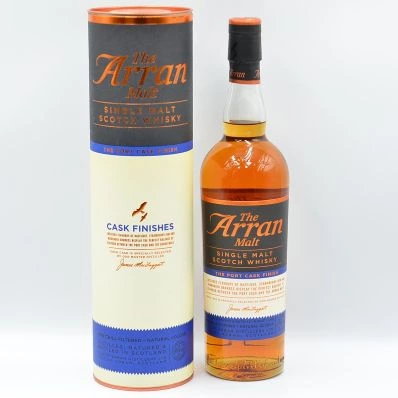 Arran Cask Finishes Port Scotch Whisky
Special Price
£87.98
Regular Price
£97.99
Inc VAT
Saving £10.01
Arran Cask Finishes Port Scotch Whisky
Special Price
£87.98
Regular Price
£97.99
Inc VAT
Saving £10.01
-
-

-
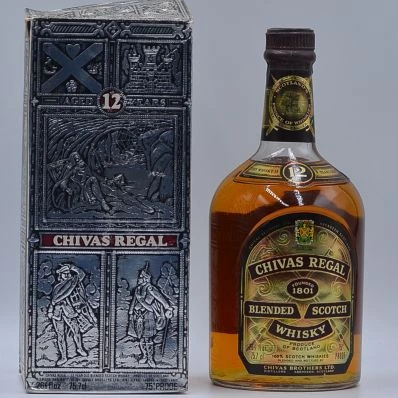 Chivas Regal 12 Year Old Scotch Whisky 75 Proof 1970s
Special Price
£47.98
Regular Price
£59.99
Inc VAT
Saving £12.01
Chivas Regal 12 Year Old Scotch Whisky 75 Proof 1970s
Special Price
£47.98
Regular Price
£59.99
Inc VAT
Saving £12.01
-
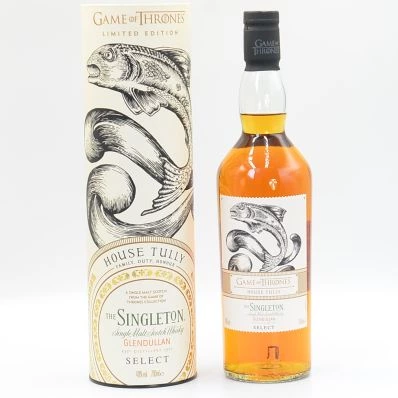 Game of Thrones Whisky Singleton Glendullan House Tully
Special Price
£73.98
Regular Price
£84.99
Inc VAT
Saving £11.01
Game of Thrones Whisky Singleton Glendullan House Tully
Special Price
£73.98
Regular Price
£84.99
Inc VAT
Saving £11.01
-
-
-
-
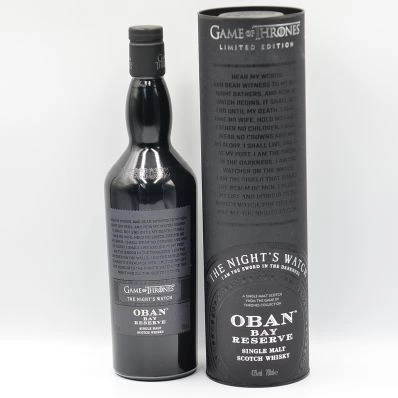 Game of Thrones Whisky Oban Bay Reserve The Night's Watch
Special Price
£72.98
Regular Price
£84.99
Inc VAT
Saving £12.01
Game of Thrones Whisky Oban Bay Reserve The Night's Watch
Special Price
£72.98
Regular Price
£84.99
Inc VAT
Saving £12.01
-
-
›
-
-
Arran Cask Finishes Port Scotch WhiskySpecial Price £87.98 Regular Price £97.99 Inc VATSaving £10.01
-
-
Chivas Regal 12 Year Old Scotch Whisky 75 Proof 1970sSpecial Price £47.98 Regular Price £59.99 Inc VATSaving £12.01
-
Game of Thrones Whisky Singleton Glendullan House TullySpecial Price £73.98 Regular Price £84.99 Inc VATSaving £11.01
-
-
-
-
Game of Thrones Whisky Oban Bay Reserve The Night's WatchSpecial Price £72.98 Regular Price £84.99 Inc VATSaving £12.01
-
-

Final Thoughts
The £50–£100 range rewards buyers who look beyond age and branding. ABV, cask type, filtration status and distillery character provide a more reliable picture of what is in the bottle.
Arran 10 and Clynelish 14 offer clarity and spirit character. Bunnahabhain 12 and GlenAllachie 15 provide different levels of sherry influence. Port Charlotte 10 and Ardbeg Uigeadail suit buyers seeking peat, while Redbreast and Nikka broaden the selection beyond Scotland.
For further bottle and distillery-led discovery, explore the wider Scotch whisky collection.

Comments