
 Chat with us on WhatsApp


Best Highland Whisky
Highland whisky covers the largest and most geographically varied whisky-producing region in Scotland. That scale creates a buying problem. Two Highland single malts can share the same regional label while tasting completely different depending on where they were distilled, how they were matured, and how they were bottled.
Some Highland whiskies are light and floral at 40% ABV. Others are coastal, waxy, sherried, smoky, or bottled at full cask strength above 55%. Age statement alone does not solve the decision either. A well-made 10-year-old matured in active casks can show more character than an older whisky from tired oak.
This guide breaks Highland whisky into practical buying categories rather than treating the region as one flavour style. It explains what Highland whisky is known for, how the sub-regions differ, what to expect from common cask types, and which styles suit different budgets and experience levels. It also covers beginner-friendly bottles, smooth Highland whisky under £50, and how Highland whisky compares with Speyside.
Most buyers do better once they stop thinking of “Highland whisky” as a single flavour profile and start treating it as a broad regional framework.
Early in your search, it is worth browsing the full Highlands whisky collection to see how varied the category actually is.

What Is Highland Whisky Known For?
Highland whisky is known for diversity more than uniformity. Unlike Islay, where peat and maritime smoke dominate many bottlings, or Lowland whisky, which often leans lighter and softer, the Highlands contain a wide spectrum of styles.
Typical Highland characteristics include:
- Heather honey sweetness
- Orchard fruit notes
- Malt richness
- Dried fruit from sherry casks
- Coastal salinity in northern and western distilleries
- Light to moderate peat smoke
- Fuller texture than many Speyside whiskies
The Highland region stretches from the southern Highlands near Perthshire to northern coastal distilleries and island-associated producers. Geography, climate, still shape, fermentation length, and cask policy all influence flavour more heavily than the regional label alone.
This matters when buying. A bottle from a northern coastal distillery can taste significantly more maritime and mineral-driven than a softer central Highland malt matured in ex-bourbon barrels.
For broader regional context, the Scotch whisky category provides a wider overview of how Highland whisky fits into Scotch as a whole.
Highland Whisky Flavour Profiles
Light and Floral Highland Whisky
Southern and eastern Highland distilleries often produce lighter styles with floral aromas, vanilla sweetness, citrus, and soft oak influence.
Common characteristics include:
- Honey
- Vanilla
- Green apple
- Pear
- Citrus peel
- Soft spice
These whiskies are often approachable for beginners because peat influence is limited and the texture remains relatively clean.
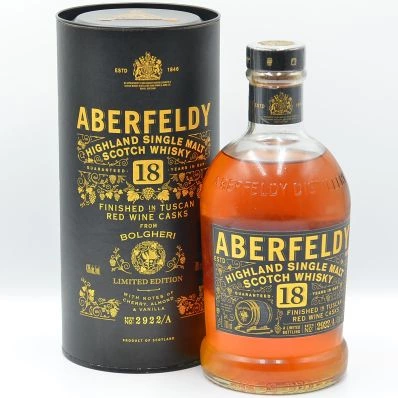
The Aberfeldy distillery guide is a useful example of this softer Highland style, particularly in bourbon-led maturation.

Fruity and Sherried Highland Whisky
Many Highland producers rely heavily on sherry cask maturation or finishing. Oloroso and Pedro Ximénez casks can introduce:
- Raisin
- Fig
- Dark chocolate
- Cinnamon
- Nutmeg
- Toffee
- Dried orange peel
This style tends to appeal to buyers moving beyond entry-level single malt. ABV also matters here. Richer Highland whiskies bottled at 46% or higher usually carry more texture and cask influence than heavily diluted entry bottlings.
One thing we regularly see with our customers is that many expect all sherry cask Highland whisky to taste sweet. In practice, some are dry, nutty, and oak-forward depending on cask quality and maturation length.

Coastal and Maritime Highland Whisky
Northern Highland distilleries frequently develop coastal characteristics from warehouse conditions and production style.
These whiskies can show:
- Salted caramel
- Brine
- Mineral notes
- Waxiness
- Pepper
- Dry oak
The Old Pulteney distillery guide is closely associated with this coastal Highland profile.

Peated Highland Whisky
Highland peat exists, but it differs from Islay peat. Highland peat influence is usually softer and earthier rather than medicinal or iodine-heavy.
Typical Highland peat notes include:
- Heather smoke
- Bonfire ash
- Earth
- Charred wood

Highland Sub-Regions Explained
Northern Highlands
Northern Highland distilleries often produce robust whiskies with coastal influence, waxy texture, and spice-driven finishes.
Characteristics commonly include:
- Pepper
- Salt
- Honey
- Waxy texture
- Dry oak
The Ben Nevis distillery guide represents a more muscular Highland style with oily texture and dense spirit character.
Central Highlands
Central Highland producers usually focus on balanced and approachable styles.
Expect:
- Honey sweetness
- Malt richness
- Vanilla
- Light fruit
- Gentle oak spice
This area often suits buyers looking for smooth Highland whisky under £50.
Western Highlands
Western Highland whiskies can carry stronger coastal and lightly smoky characteristics due to Atlantic influence.
These whiskies often feel fuller and more maritime than central Highland bottlings.
Eastern Highlands
Eastern Highland distilleries frequently produce fruit-driven whiskies with elegant structure and cleaner finishes.
Many beginner-friendly Highland whiskies come from this side of the region.

Difference Between Highland and Speyside Whisky
What Is the Difference Between Highland and Speyside Whisky?
Speyside is geographically located within the Highlands, but it operates as its own recognised Scotch whisky region because of its concentration of distilleries and relatively distinct flavour identity.
Most Speyside whiskies focus on:
- Orchard fruit
- Honey
- Soft spice
- Sherry influence
- Elegant texture
Highland whisky covers a wider range of styles including coastal, smoky, waxy, and more oak-forward expressions.
In practical buying terms:
- Speyside usually offers more consistency
- Highland whisky offers more stylistic range
- Speyside is often easier for beginners
- Highlands provide broader experimentation
How Cask Type Shapes Highland Whisky
Cask maturation heavily influences Highland whisky character. Two whiskies from the same distillery can taste completely different depending on the oak policy used.
Bourbon Casks
Ex-bourbon maturation usually produces:
- Vanilla
- Coconut
- Citrus
- Honey
- Creamy texture
This style tends to work well for buyers seeking approachable Highland whisky.
Sherry Casks
Oloroso and PX casks often introduce:
- Dark fruit
- Walnut
- Chocolate
- Spice
- Richer texture
These whiskies typically feel fuller and heavier.
Wine and Secondary Finishes
Some Highland distilleries use:
- Port casks
- Madeira casks
- Bordeaux wine casks
- Rum casks
These finishes can add complexity, but quality varies significantly between producers.
For deeper technical context on oak influence, the guide to whisky cask types explains how maturation changes flavour structure.
Best Highland Single Malt for Beginners
The best Highland single malt for beginners is usually a whisky with moderate ABV, limited peat influence, and balanced cask maturation.
Good starting characteristics include:
- 40–46% ABV
- Ex-bourbon maturation
- Light sherry influence
- Minimal smoke
- Medium texture
Entry-level Highland whiskies often work best when they avoid extremes. Very heavily sherried or high-strength bottlings can overwhelm newer drinkers.
Common beginner-friendly Highland styles include:
- Honey-led malts
- Citrus-driven whiskies
- Soft vanilla profiles
- Light coastal influence
Smooth Highland Whisky Under £50
There are still strong Highland single malts available below £50, although cask quality and ABV become increasingly important in this range.
Buyers should prioritise:
- 43–46% ABV where possible
- Clear age statements
- Reliable distillery character
- Active oak maturation
Whiskies under £50 often rely more heavily on ex-bourbon maturation because first-fill sherry casks increase production costs substantially.
At this price point, avoid assuming older automatically means better. A younger Highland malt bottled naturally at 46% ABV may outperform an older whisky reduced heavily to 40%.
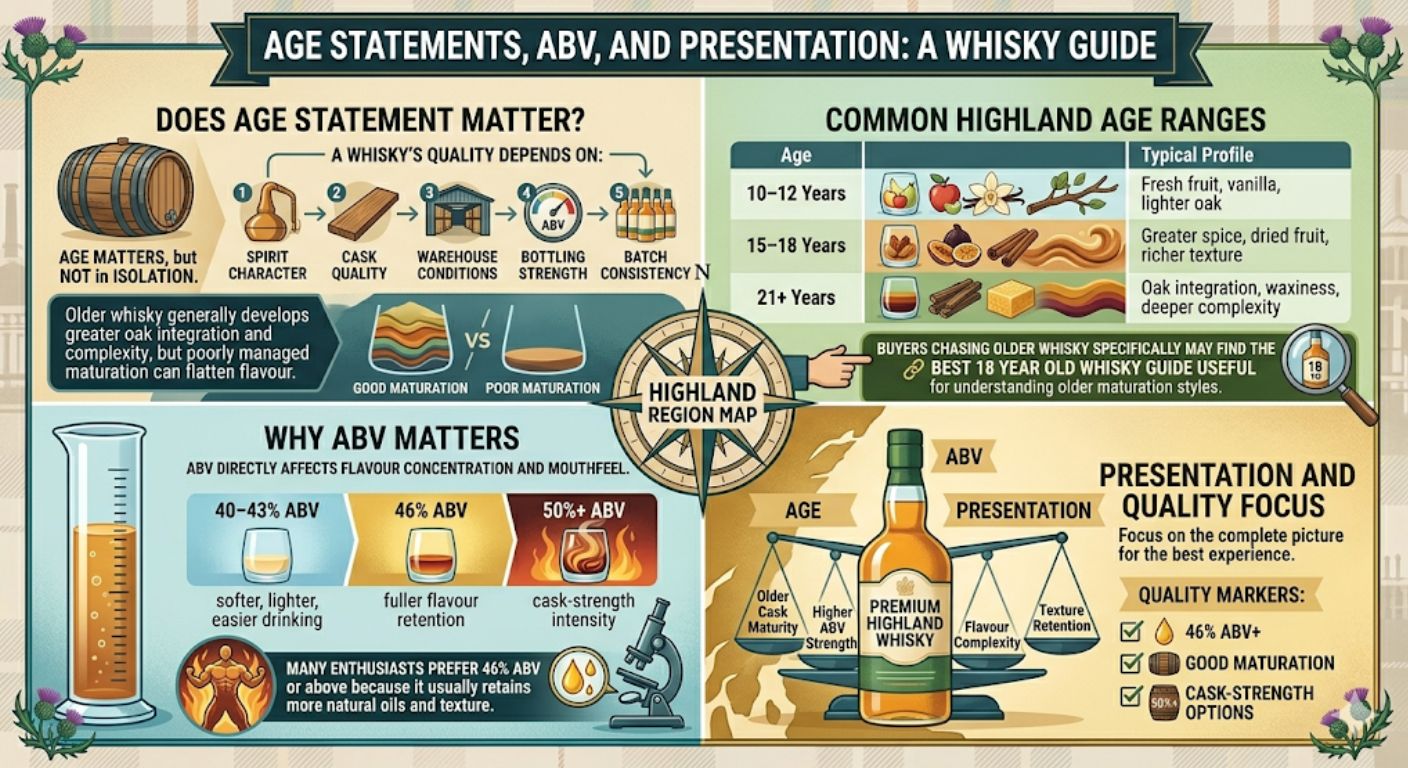
Age Statements, ABV, and Presentation
Does Age Statement Matter?
Age matters, but not in isolation.
A whisky’s quality depends on:
- Spirit character
- Cask quality
- Warehouse conditions
- Bottling strength
- Batch consistency
Older whisky generally develops greater oak integration and complexity, but poorly managed maturation can flatten flavour.
| Age | Typical Profile |
|---|---|
| 10–12 Years | Fresh fruit, vanilla, lighter oak |
| 15–18 Years | Greater spice, dried fruit, richer texture |
| 21+ Years | Oak integration, waxiness, deeper complexity |
Buyers chasing older whisky specifically may find the Best 18 Year Old Whisky guide useful for understanding older maturation styles.
Why ABV Matters
ABV directly affects flavour concentration and mouthfeel.
- 40–43% ABV: softer, lighter, easier drinking
- 46% ABV: fuller flavour retention
- 50%+ ABV: cask-strength intensity
Many enthusiasts prefer 46% ABV or above because it usually retains more natural oils and texture.
Natural Colour and Chill Filtration
Many specialist buyers now look for:
- Non-chill-filtered whisky
- Natural colour bottlings
- Higher bottling strength
These production choices usually preserve more texture and flavour compounds.
This does not automatically make a whisky better, but it often results in a fuller mouthfeel and stronger distillery character.
How To Taste Highland Single Malt Whisky
Step 1: Nose the Whisky
Start by nosing gently rather than inhaling deeply.
Look for:
- Fruit
- Oak spice
- Malt sweetness
- Coastal notes
- Smoke level
Step 2: Take a Small Sip
The first sip adjusts the palate to alcohol strength.
Focus on:
- Texture
- Sweetness
- Spice
- Smoke
- Finish length
Step 3: Add Water Carefully
Adding a few drops of water can reduce surface tension and reveal hidden aromas.
This often opens:
- Citrus notes
- Spice
- Floral character
- Oak sweetness
Step 4: Compare the Finish
The finish usually reveals cask influence most clearly.
Longer finishes often indicate:
- Active oak
- Higher ABV
- Richer spirit character
The Scotch Whisky Association also provides useful regulatory guidance on Scotch production standards through the Scotch Whisky Association.
Is Highland Park a Highland Whisky?
Is Highland Park a Highland Whisky?
Technically, Highland Park falls within the wider Highland whisky region because Orkney is geographically classified under Highland Scotch whisky regulations. In practice, many enthusiasts and retailers treat Island distilleries as their own stylistic subgroup because island whiskies often show stronger maritime and smoky characteristics than mainland Highland malts.
This distinction is mostly practical rather than legal.
Highland Whisky Buying Guide UK
If You Prefer Light and Easy Drinking Whisky
Choose:
- Bourbon cask maturation
- 40–43% ABV
- Southern or eastern Highland styles
- Minimal peat influence
Avoid:
- Heavy sherry casks
- Cask-strength releases
- Strong coastal styles
If You Prefer Richer Whisky
Choose:
- Oloroso maturation
- 46% ABV or higher
- Older age statements
- Northern Highland distilleries
Avoid:
- Light NAS bottlings
- Heavy dilution
If You Want Coastal Character
Choose:
- Northern Highland distilleries
- Maritime maturation
- Slightly waxy texture
- Medium ABV bottlings
The Dalwhinnie distillery guide provides a good example of how Highland climate and elevation influence style.
If You Are Buying as a Gift
Focus on:
- Recognisable distilleries
- 10–18 year age statements
- Moderate ABV
- Balanced flavour profile
Extremely peated or cask-strength whiskies can be risky unless you know the recipient’s preferences well.
Highland Whisky and Collectability
Not all Highland whisky is collectible. Collector interest usually depends on:
- Closed distilleries
- Independent bottlings
- Limited releases
- Historic production eras
- High-quality cask selection
Older bottlings from established Highland distilleries often attract long-term enthusiast interest because production style, ownership, and maturation policies change over time.
However, scarcity alone does not guarantee demand. Provenance, bottler reputation, and distillery reputation matter more than limited numbers on a label.
FAQ
What is Highland whisky known for?
Highland whisky is known for diversity rather than one fixed flavour profile. Depending on the distillery and sub-region, Highland whiskies can range from light and floral to coastal, smoky, waxy, or heavily sherried. Honey, orchard fruit, spice, and malt richness are common themes across many Highland single malts.
Are Highland whiskies peated?
Some Highland whiskies are peated, but peat levels are usually softer and less medicinal than Islay whisky. Highland peat often shows earthy smoke, bonfire ash, or heather character rather than heavy iodine or seaweed notes.
What is the best Highland single malt for beginners?
Most beginners do best with approachable Highland whiskies bottled around 40–46% ABV with limited peat influence. Honey-led and bourbon-cask styles are generally easier entry points than heavily smoky or cask-strength bottlings.
Is Highland whisky smokier than Speyside?
Highland whisky can be smokier than Speyside, although this depends on the distillery. Speyside generally focuses on fruit and sweetness, while some Highland producers incorporate moderate peat and coastal smoke. Highland peat is normally less medicinal than Islay whisky.
What is a smooth Highland whisky under £50?
Smooth Highland whiskies under £50 often combine bourbon-cask maturation, moderate ABV, and soft oak influence. Buyers usually get better value focusing on reliable distillery character and natural presentation rather than chasing the oldest possible age statement.
Does adding water improve Highland single malt?
Adding a few drops of water can open up hidden aromas and soften alcohol intensity, particularly in whiskies bottled above 46% ABV. Water often reveals additional fruit, spice, or floral notes that remain muted when tasted neat.
-
-
-
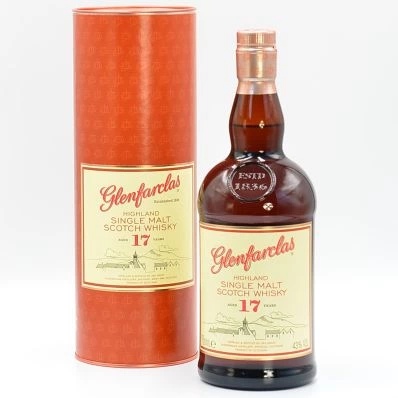 Glenfarclas 17 Year Old Highland Scotch WhiskySpecial Price £139.98 Regular Price £174.99 Inc VATSaving £35.01
 -
-
-
-

Structured Summary
Key Buying Rules
- Highland whisky is defined by diversity, not one flavour style
- Bourbon casks usually produce lighter and softer profiles
- Sherry casks create richer and heavier whisky
- 46% ABV or higher often preserves more texture and flavour
- Coastal Highland whiskies usually show salt, wax, or maritime notes
- Peated Highland whisky is generally softer than Islay peat
Common Buyer Mistakes
- Assuming all Highland whisky tastes similar
- Buying purely by age statement
- Ignoring ABV
- Treating all sherry cask whisky as sweet
- Choosing cask-strength bottles too early
Decision Shortcuts
- New to single malt: start with lighter bourbon-cask Highland whisky
- Prefer rich texture: choose sherry maturation and higher ABV
- Want smoke without Islay intensity: explore peated Highland whisky
- Shopping under £50: prioritise distillery quality over age
For ongoing exploration, the Highland whisky region guide expands further on geography, production style, and regional identity.

Related Products
-
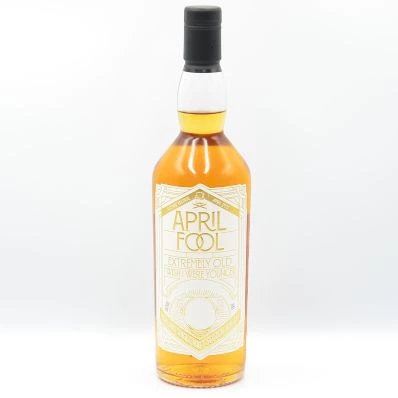 Ardnamurchan 5 Year Old Single Malt Whisky April Fool Second Release 2022Special Price £145.98 Regular Price £161.99 Inc VATSaving £16.01
 -
-
Comments