
 Chat with us on WhatsApp


Best Islay Whisky
Islay whisky occupies a very specific part of the Scotch whisky market. Buyers are usually not deciding whether they want smoke or peat — they are deciding which style of peat, which level of intensity, and which distillery profile suits them best. The challenge is that Islay single malts vary far more than many first-time buyers expect. A medicinal 40% ABV whisky from Laphroaig drinks very differently from a heavily sherried cask-strength Ardbeg or an unpeated Bunnahabhain matured in ex-sherry casks.
This guide explains what makes Islay whisky distinct, how peat and smoke influence flavour, which distilleries suit different buyers, and how to approach Islay whisky based on budget, experience level, ABV preference, and cask style. It also covers beginner-friendly bottles, heavily peated releases, independent bottlings, and the practical differences between distillery styles across the island.
For readers looking to explore the broader category, the full Islay Whisky collection provides a useful starting point across official bottlings and independent releases.

What Makes Islay Whisky Different?
Islay whisky is defined less by geography alone and more by production style. The island’s distilleries became closely associated with peat smoke, coastal maturation conditions, maritime character, and heavily phenolic spirit styles. That does not mean every Islay whisky tastes the same.
Some distilleries produce intensely medicinal spirit with iodine and TCP-style notes. Others lean toward bonfire smoke, charred oak, sea salt, citrus, or dried fruit. A growing number of Islay distilleries also produce lightly peated or completely unpeated whisky.
- Peat intensity
- Cask maturation
- Distillery spirit character
- Alcohol strength
Buyers often assume peat level alone determines flavour quality. In practice, cask type and distillery style matter just as much. A bourbon-cask Islay whisky at 46% ABV can feel bright and coastal, while a sherry-matured release at cask strength may drink darker, richer, and more heavily textured.
How to Pronounce Islay and Laphroaig
Islay is pronounced “Eye-luh”. Laphroaig is pronounced “Luh-froyg”. These pronunciations regularly confuse first-time buyers because the names derive from Scottish Gaelic rather than modern English spelling patterns. Distillery names across Islay often retain older Gaelic naming structures tied to local geography and coastal landmarks.
What Is Peated Whisky?
Peated whisky is whisky made using malted barley dried with peat smoke during the kilning process. The smoke introduces phenolic compounds into the grain, creating flavours associated with smoke, earth, iodine, ash, seaweed, charcoal, and medicinal notes.
Peat itself is decomposed vegetation cut from bogland. Different peat sources create different aromatic profiles. Islay peat often produces medicinal, maritime, and iodine-heavy characteristics compared with mainland peat sources, which can feel drier or more wood-smoke driven.
Peat intensity is often measured in PPM, or phenol parts per million, although PPM is only a rough guide. A whisky with extremely high PPM does not always taste proportionally smokier once matured in oak for years. The Scotch Whisky Association provides broader regulatory context on how Scotch whisky is defined and protected.
Difference Between Peat and Smoke in Whisky
Peat and smoke are related but not identical. Peat refers to the fuel source used during barley drying. Smoke describes the flavour impression created in the finished whisky.
A whisky can feel smoky without tasting heavily peated. Likewise, heavily peated whisky may present medicinal or earthy notes rather than straightforward campfire smoke.
- Peat contributes earthy, medicinal, mossy, iodine, or coastal notes.
- Smoke contributes bonfire, ash, charcoal, soot, or burnt wood notes.
- Cask maturation softens or reshapes both over time.
This distinction matters when buyers search for the best smoky single malt whisky. Some whiskies emphasise bonfire smoke and charred oak, while others lean toward saline medicinal intensity.
The Scotch flavour profiles guide explains how peat interacts with other flavour families across Scotch whisky styles.
The Main Islay Distillery Styles
Laphroaig
Laphroaig produces one of the most recognisable medicinal profiles in Scotch whisky. Iodine, antiseptic smoke, seaweed, and coastal salinity define much of the core range.
The classic 10 Year Old sits around 40–43% ABV depending on market. Higher-strength releases such as Cask Strength expressions amplify the medicinal intensity significantly.
Ardbeg
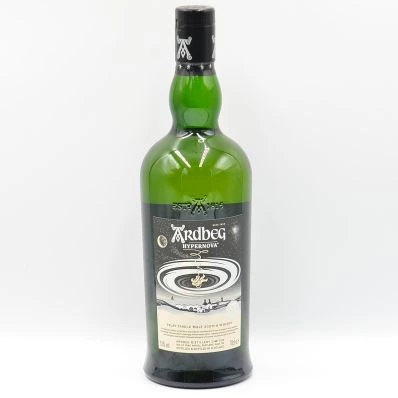
Ardbeg generally balances heavy peat with higher sweetness and richer texture than Laphroaig. Bottlings such as Ardbeg 10 and Uigeadail often combine smoke with espresso, dark chocolate, treacle, and charred citrus.
Uigeadail, bottled around 54% ABV, remains one of the stronger heavily peated sherry-influenced whiskies widely available below the ultra-premium bracket.
The Ardbeg 10 review breaks down the standard bottling in greater detail.
Lagavulin
Lagavulin occupies a middle ground between medicinal peat and rounded sherry influence. Lagavulin 16 remains one of the most recognisable Islay single malts globally because the smoke integrates more softly than many competitors.
At 43% ABV, it often suits buyers looking for mature smoke rather than aggressive phenolic intensity.
Caol Ila
Caol Ila is frequently described as cleaner and more coastal than southern Islay distilleries. Citrus, white pepper, sea salt, and elegant smoke tend to dominate the distillery profile.
Independent bottlers regularly release Caol Ila because the spirit performs well across different cask types and ages. These bottlings can show the distillery in a more direct form than the standard official range.
Bunnahabhain
Bunnahabhain differs significantly from many Islay neighbours because much of the core range is lightly peated or unpeated. Sherry influence, coastal salinity, nuts, dried fruit, and soft maritime character dominate the profile more than smoke.
The distillery has become one of the most approachable entry points for buyers searching for smooth Islay whisky for beginners.
Bruichladdich, Port Charlotte and Octomore
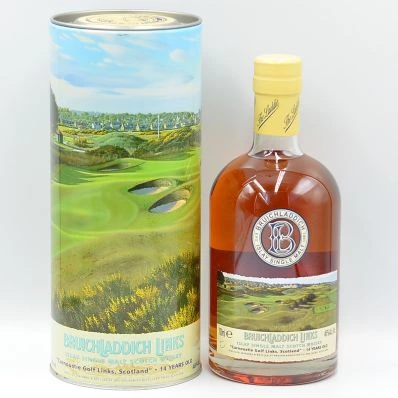
Bruichladdich operates across multiple styles. Bruichladdich itself is unpeated, Port Charlotte is heavily peated, and Octomore is extremely heavily peated.
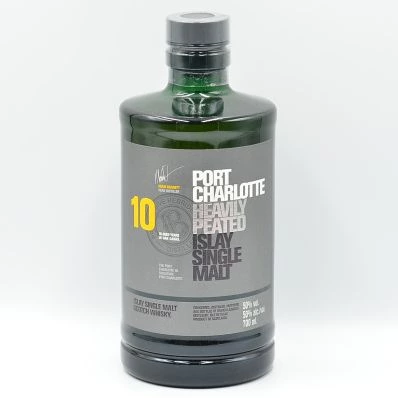
Port Charlotte 10 has become one of the strongest-value modern heavily peated Islay whiskies because it combines high smoke levels with complexity and cask balance rather than raw intensity alone.
Octomore is widely considered the peatiest Scotch whisky series in the world. Some releases exceed 300 PPM. That does not automatically make Octomore the smokiest-tasting whisky on the palate. Extended maturation, oak influence, alcohol strength, and spirit balance all affect the final result.
Most buyers underestimate how much cask integration changes peat character over time. We regularly see our customers assume higher PPM always means harsher whisky, but older heavily peated releases often drink softer than younger bottlings with lower peat levels.
Best Islay Whisky for Beginners

The best beginner Islay whisky is usually not the smokiest. New drinkers tend to adapt more easily to lighter peat levels, softer ABV ranges, or whiskies where sherry maturation balances the smoke.
Bunnahabhain 12 Year Old
- Around 46.3% ABV
- Mostly unpeated
- Sherry-led profile with coastal character
Bowmore 12 Year Old
- Moderate peat
- Balanced smoke and sweetness
- Accessible introduction to maritime Islay character
Caol Ila 12 Year Old
- Cleaner smoke profile
- Citrus-driven spirit
- Less medicinal than southern Islay distilleries
Lagavulin 16 Year Old
- Mature integrated smoke
- Softer texture despite strong peat influence
- Usually better for buyers who want smoke without raw aggression
Many first-time buyers searching for top Islay Scotch whisky UK expect all Islay whisky to taste aggressively smoky. That usually leads to buying something too intense too early.
Best Peated Islay Whisky for Heavy Smoke Fans

Buyers specifically looking for maximum peat intensity generally divide into two groups: medicinal peat fans and bonfire smoke fans.
For Medicinal Peat
- Laphroaig 10
- Laphroaig Cask Strength
- Ardbeg Corryvreckan
These whiskies emphasise iodine, antiseptic smoke, seaweed, and coastal salinity.
For Bonfire Smoke
- Port Charlotte 10
- Lagavulin 16
- Ardbeg Uigeadail
These profiles lean more toward ash, charred oak, embers, espresso, and barbecue smoke.
For Extreme Peat
- Octomore releases
- Some independent young Caol Ila bottlings
- High-strength Ardbeg committee releases
Buyers chasing maximum peat often overlook alcohol strength. A heavily peated whisky bottled above 55% ABV drinks substantially more aggressively than a similar profile at 43%.
Cask Maturation and Why It Matters
Cask type changes Islay whisky dramatically. It affects sweetness, texture, colour, smoke integration, and price.
Bourbon Casks
Bourbon casks usually create vanilla, citrus, coconut, and brighter smoke definition. This style often suits drinkers who want clearer distillery character.
Sherry Casks
Sherry casks usually introduce dried fruit, treacle, dark chocolate, spice, and heavier texture. Sherry maturation often softens aggressive peat while adding richness.
Wine and Specialty Finishes
Wine and specialty finishes are increasingly common across independent bottlings and modern releases. These can add red fruit, tannin, sweetness, and additional spice layers.
Some buyers actively seek natural colour and non-chill-filtered releases. Others prioritise balance over production philosophy.
The whisky cask types guide explains how different oak styles influence maturation.
Best Islay Whisky by Budget
Under £50
Strong options usually include Laphroaig 10, Ardbeg 10, Caol Ila 12, and Port Charlotte 10. These bottles provide recognisable Islay character without moving into premium-age pricing.
The best whisky under £50 guide covers broader value-focused options beyond Islay.
£50–100
This range offers stronger cask influence, older age statements, and more complexity. Examples include Lagavulin 16, Ardbeg Uigeadail, Bunnahabhain 18, and selected independent bottlings.
For many buyers, this remains the strongest value tier for Islay single malt.
£100+
At this level, older age statements, cask-strength releases, single casks, festival bottlings, and older vintages become more common. Quality differences become more dependent on cask selection than age statement alone.
Independent Bottlings vs Official Bottlings
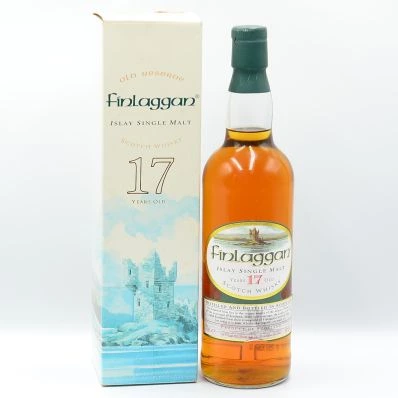
Official bottlings define the core identity of most Islay distilleries. Independent bottlers often showcase more experimental or unusual cask profiles.
Independent Caol Ila, Bunnahabhain, and Laphroaig bottlings regularly appear at higher ABV, natural colour, non-chill-filtered presentation, and single cask strength.
These releases can offer stronger distillery transparency but also more variation between batches. Collectors often favour older independent Islay bottlings because they preserve production eras no longer replicated today.
Islay Whisky vs Other Scotch Regions

Islay whisky is usually the first region associated with peat, but regional style is more nuanced than simple smoke levels.
Compared with Speyside whisky, Islay tends to be smokier and more coastal. Compared with Highland whisky, Islay usually carries stronger maritime influence. Compared with Campbeltown whisky, Islay often feels more phenolic and medicinal. Compared with Lowland whisky, Islay is typically fuller and smokier.
Readers exploring regional structure more broadly can also review the Scotch whisky regions guide.
New Islay Distilleries and Modern Production
Modern Islay production is expanding beyond the classic distillery lineup. Ardnahoe represents part of the newer generation of Islay distilleries focused on traditional worm-tub distillation combined with modern independent ownership.
Some buyers also include island distilleries such as Jura in broader smoky Scotch discussions due to regional proximity and shared coastal influence. Jura differs stylistically from Islay peat-heavy production, but it is often considered by buyers exploring island whisky more broadly.
Decision Logic: Which Islay Whisky Should You Choose?
If You Are Completely New to Islay
Start with Bunnahabhain 12, Bowmore 12, or Caol Ila 12. Avoid Octomore, young cask-strength peat bombs, and high-ABV festival releases until you know whether medicinal peat suits you.
If You Like Sherry-Cask Whisky
Choose Ardbeg Uigeadail, Bunnahabhain 12 or 18, or sherry-matured independent bottlings. Sherry influence adds dried fruit, spice, and texture, which can make peat feel rounder and less sharp.
If You Prefer Pure Smoke and Maritime Character
Choose Laphroaig 10, Caol Ila 12, or Port Charlotte 10. These bottles keep the smoke, salt, iodine, and coastal character close to the front of the whisky.
If You Want Maximum Complexity
Look for older age statements, single casks, cask-strength releases, and independent bottlings. These bottles usually require more careful buying because the outcome depends heavily on cask quality and bottling strength.
If Your Budget Is Under £60
Prioritise standard core releases, younger heavily peated expressions, and bourbon-cask maturation. Avoid paying heavily inflated prices for limited editions unless the release has a clear production distinction.
FAQ
What is the best Islay whisky for beginners?
Bunnahabhain 12 and Caol Ila 12 are usually safer entry points than heavily medicinal Islay whiskies. Both offer coastal character and smoke without the aggressive iodine profile found in some southern Islay distilleries. Buyers new to peat generally adapt better to moderate ABV and softer smoke integration.
What is the peatiest Scotch whisky in the world?
The Octomore series from Bruichladdich is widely recognised as the most heavily peated Scotch whisky range. Some releases exceed 300 PPM. However, higher PPM does not always mean the whisky tastes harsher, because maturation and cask balance soften the peat over time.
Is all Islay whisky smoky?
No. Bunnahabhain’s core range is mostly lightly peated or unpeated, and Bruichladdich also produces completely unpeated spirit. Islay is strongly associated with peat, but the island produces a wider range of styles than many buyers expect.
What is the difference between peat and smoke?
Peat refers to the decomposed organic material burned during barley drying. Smoke describes the flavour profile created by that process. Some whiskies taste earthy and medicinal, while others feel more like bonfire smoke or charcoal.
Which Islay whisky offers the best value?
For many buyers, Port Charlotte 10, Ardbeg 10, and Caol Ila 12 remain strong-value Islay whiskies because they combine recognisable distillery character with reasonable pricing below the premium collector bracket.
What ABV should beginners start with?
Most beginners adjust more comfortably to whiskies around 40–46% ABV. Cask-strength Islay whisky above 55% ABV can feel significantly more intense because alcohol amplifies peat, spice, and smoke simultaneously.
Structured Summary
Key Buying Rules
- Peat level alone does not determine quality.
- Cask type changes Islay whisky dramatically.
- Bourbon casks emphasise brighter smoke.
- Sherry casks add richness and texture.
- Higher ABV increases peat intensity noticeably.
- Older Islay whisky often drinks softer than younger releases.
Common Buyer Mistakes
- Starting with extremely heavily peated whisky too early.
- Ignoring ABV when comparing bottles.
- Assuming all Islay whisky tastes medicinal.
- Overvaluing PPM figures alone.
- Paying premium pricing for limited editions without understanding the cask or release context.
Fast Decision Shortcuts
- New to peat: Bunnahabhain 12 or Caol Ila 12
- Heavy smoke: Laphroaig 10 or Port Charlotte 10
- Rich sherry influence: Ardbeg Uigeadail
- Mature balanced smoke: Lagavulin 16
- Extreme peat: Octomore
Readers looking to compare official bottlings, independent releases, and wider regional Scotch styles can browse the wider Scotch whisky category for further exploration.

Comments