
 Chat with us on WhatsApp

Best Rye Whiskey: A UK Buyer's Guide
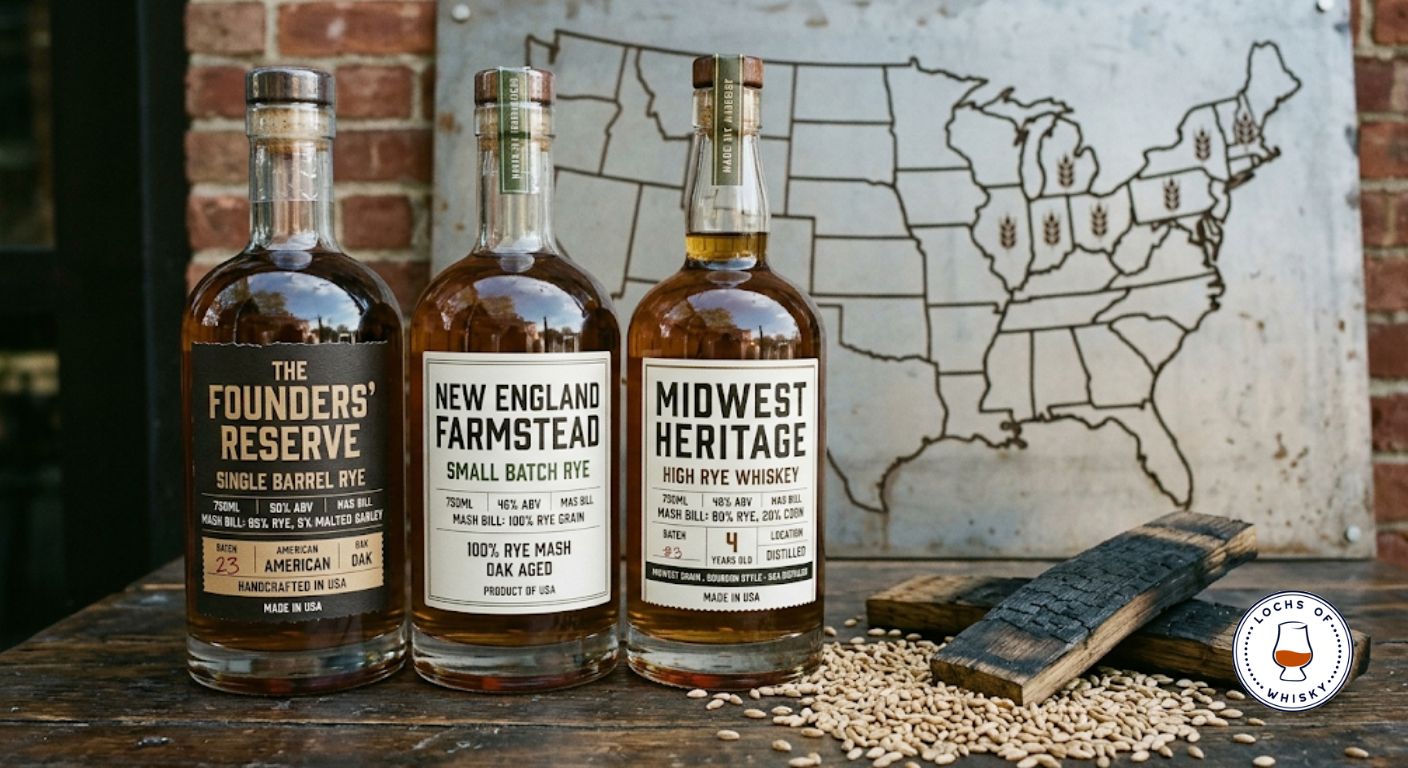
Choosing the best rye whiskey is not just about picking the strongest bottle or the most familiar American label. Rye varies heavily by mash bill, ABV, age, cask treatment and regional style, which means two bottles labelled rye can drink very differently.
This guide explains how to judge rye whiskey properly before buying in the UK. It covers the legal definition, flavour expectations, beginner-friendly choices, cocktail use, price tiers, American and Canadian differences, and the main mistakes to avoid. It also shows where rye sits within wider rye whiskey and American whiskey selections, so the buying decision is based on structure rather than guesswork.
What Makes A Whiskey A Rye Whiskey?
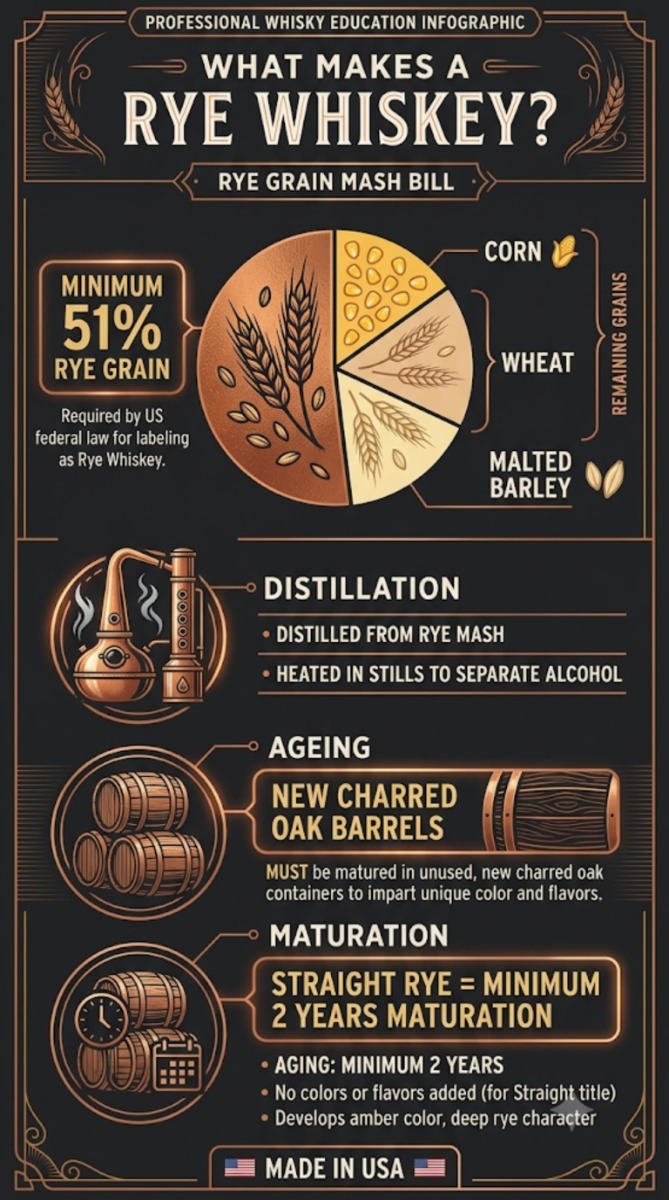
American rye whiskey must be made from a mash bill containing at least 51% rye grain, distilled to no more than 160 proof, and matured in new charred oak containers. Straight rye must usually be aged for at least two years.
The 51% rule matters because rye grain gives the whiskey its defining character: drier, sharper and spicier than corn-led bourbon. The remaining grain bill can include corn, malted barley, wheat or other grains, which is why some ryes feel soft and rounded while others are lean, herbal and peppery.
For a regulatory reference, the US eCFR standards for distilled spirits set out the federal framework for American whiskey categories, including rye and straight whiskey classifications.
How Rye Whiskey Tastes Compared With Bourbon
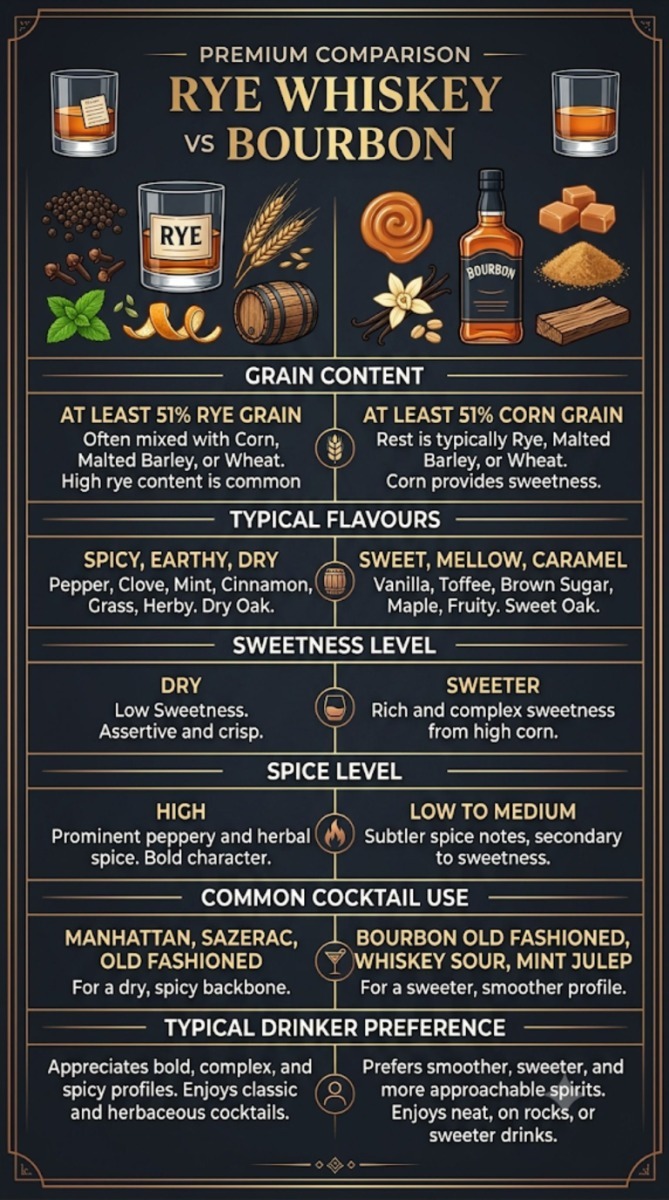
Rye whiskey is usually drier, spicier and more pepper-led than bourbon, while bourbon is usually sweeter because it must be made with at least 51% corn. Rye often shows black pepper, clove, mint, citrus peel, baking spice and dry oak.
This does not mean rye is always aggressive. A lower-rye Kentucky-style bottle can feel close to bourbon, with caramel, vanilla and oak wrapped around a firmer spice line. A high-rye mash bill, such as the 95% rye style commonly associated with Indiana production, tends to be leaner, more herbal and more direct.
The main buyer error is assuming rye is simply “bourbon with more spice”. It can be, but that depends on the mash bill. A barely legal 51% rye and a 95% rye are not the same drinking experience.
Best Rye Whiskey Styles For Beginners
Beginners usually do better with rye whiskey between 40% and 46% ABV, a moderate rye content, and a flavour profile that still carries vanilla, caramel or brown sugar from new oak. This keeps the rye spice clear without making the bottle feel too dry or sharp.
Good beginner-style rye usually has:
- ABV: 40–46% for easier drinking
- Mash bill: around 51–70% rye for balance
- Age: usually 3–6 years, where available
- Style: vanilla, light oak, baking spice and pepper
- Price: often £35–£60 in the UK
Commonly recommended entry points include Sazerac Rye, Rittenhouse Rye, Old Overholt, Woodford Reserve Rye and Michter’s US*1 Rye. Availability and pricing vary in the UK, so it is worth checking current stock rather than assuming US-value bottles will land at the same price here.
One thing our customers often underestimate is how much ABV changes the first impression of rye; a 50% bottled-in-bond rye can feel much firmer than a 45% bottle even when the flavour profile looks similar on paper.
How To Read A Rye Whiskey Label
A rye label should be read in this order: whiskey type, mash bill if disclosed, age statement, ABV, producer or bottler, and cask information. The label does not always give the full mash bill, but the details it does give are enough to avoid most buying mistakes.
Rye Whiskey
This confirms the whiskey meets the minimum rye requirement. In America, that means at least 51% rye grain and maturation in new charred oak.
Straight Rye Whiskey
Straight rye has been aged for at least two years and must meet tighter rules around additives. If it is under four years old, an age statement is usually required.
Bottled In Bond
Bottled-in-bond rye is bottled at 100 proof, or 50% ABV. It can offer strong value and structure, but it may be too firm for buyers who want a softer first rye.
Single Barrel Rye
Single barrel rye comes from one barrel rather than a batch. It can show more individuality, but consistency varies more between bottles.
Cask Finished Rye
Some rye whiskeys are finished in rum, port, wine, stout or toasted barrels. These can soften the spice, add sweetness or create a richer finish, but the finish should support the rye character rather than cover it.
American Rye Regions And Production Styles
American rye is not one fixed style. The state, producer, mash bill and maturation regime all influence the final whiskey.
Kentucky-Style Rye
Kentucky-style rye is often closer to bourbon in feel. It commonly uses a rye percentage just above the legal minimum, supported by corn and malted barley. Expect caramel, vanilla, oak, baking spice and a rounded finish.
Indiana High-Rye Whiskey
Indiana rye, often associated with MGP-sourced whiskey, is frequently built around a 95% rye mash bill. These bottles tend to be drier, spicier and more herbal, with less corn sweetness.
Pennsylvania And Maryland Influence
Historically, Pennsylvania and Maryland were central to rye whiskey’s older American identity. Modern producers sometimes reference these styles, especially when aiming for earthier, grain-forward or historically inspired rye.
Modern Craft Rye
Craft rye can be excellent, but it needs closer checking. Look for age, ABV, cask disclosure and producer transparency. Young rye can be interesting, but it can also feel raw if the oak has not had enough time to integrate the grain spice.
Rye Whiskey Brands And Distilleries Worth Understanding
For UK buyers, a few names appear regularly because they sit at useful points across price, availability and style.
Sazerac is closely associated with New Orleans cocktail history and approachable straight rye. It is often a strong reference point for buyers who want classic rye character without excessive ABV.
Michter's sits in a softer, polished style, often useful for drinkers moving from bourbon into rye. It is not usually the cheapest option, but it can be easier to understand than more aggressive high-rye bottles.
Whistlepig operates at a higher price tier and is known for rye-led releases with stronger age, cask and sourcing narratives. It suits buyers who already know they enjoy rye and want more structure or maturity.
Best Rye Whiskey By Budget
Rye pricing in the UK does not always match US expectations. Bottles that are considered budget staples in America can sit in the mid-range once imported, taxed and distributed.
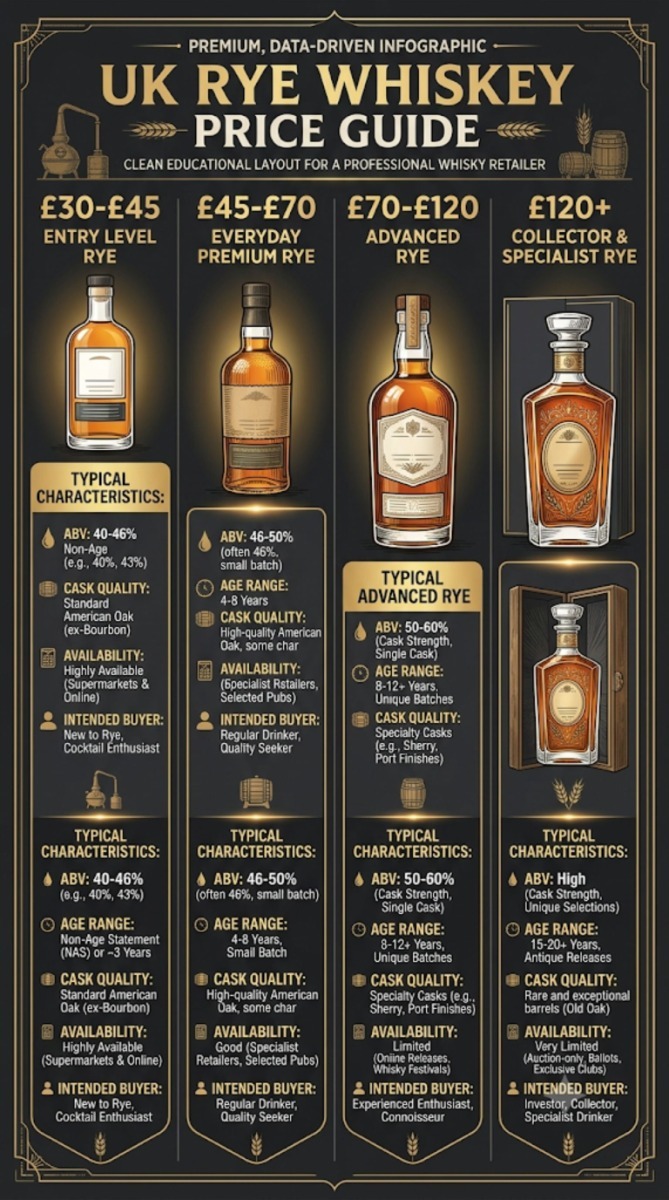
£30–£45: Entry-Level Rye
This range is where buyers look for a first rye, cocktail rye or a bottle that shows the category clearly without a high spend. Expect younger straight rye, familiar American names, and ABV around 40–45%.
Choose this range if you want rye for Manhattans, Old Fashioneds or a first comparison against bourbon.
£45–£70: Stronger Everyday Rye
This is often the most useful range for UK buyers. Bottles may show better balance, higher ABV, more age, or a more distinctive mash bill. This is where many buyers find a rye that works neat and in cocktails.
Choose this range if you already know you like American whiskey and want a rye with more definition.
£70–£120: Premium Rye
At this level, the buyer should expect a clear reason for the price: age statement, limited release, single barrel selection, higher proof, stronger cask influence or a respected producer.
Avoid paying this much for vague labelling. If the age, cask or producer story is unclear, the price needs closer scrutiny.
£120+: Collector And Specialist Rye
This is where rye becomes more about provenance, scarcity, older stock, single casks and recognised labels. These bottles are not necessary for beginners. They suit collectors or drinkers who already understand what rye style they prefer.
Best Rye Whiskey For Cocktails
Rye works especially well in classic cocktails because its dryness and spice cut through sugar, bitters and vermouth. Bourbon can make the same drinks softer and sweeter; rye usually gives them more structure.
Rye Manhattan
Use rye when you want a Manhattan with spice, grip and less sweetness. A 45–50% ABV rye usually stands up well against sweet vermouth.
- 50ml rye whiskey
- 25ml sweet vermouth
- 2 dashes Angostura bitters
- Stir with ice and strain into a chilled glass
Rye Old Fashioned
Rye gives an Old Fashioned a drier finish than bourbon. It works well when the whiskey has enough oak, vanilla and spice to balance the sugar.
- 50ml rye whiskey
- 1 bar spoon sugar syrup
- 2 dashes bitters
- Stir with ice and garnish with orange peel
Sazerac
The Sazerac is one of rye’s defining cocktails. It needs a rye with enough spice and ABV to hold its shape against bitters, sugar and an anise rinse.
Canadian Rye Vs American Rye Whiskey
American rye has a strict grain rule: at least 51% rye. Canadian rye is different because “rye” is often used as a traditional category term, even when rye grain is not the majority component.
This distinction matters for buyers. A Canadian whisky labelled rye may be smooth, light and blend-led rather than intensely rye-forward. American rye is usually the clearer choice if you want the grain character to define the bottle.
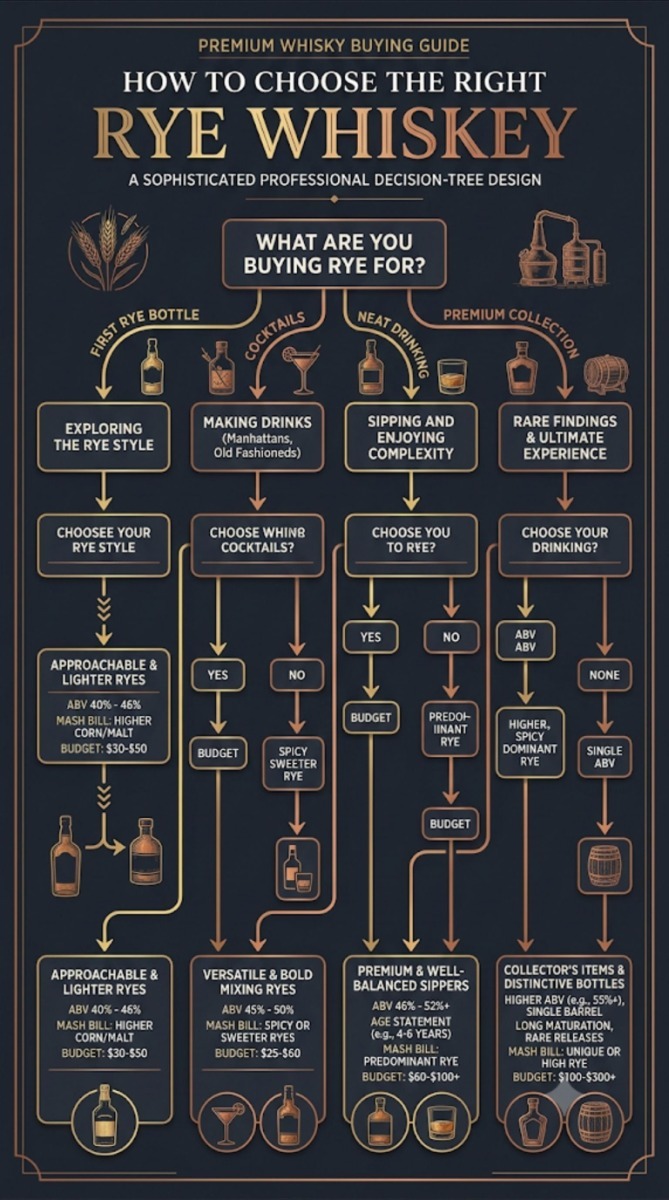
Decision Logic: Which Rye Whiskey Should You Buy?
Use the bottle’s structure before relying on brand familiarity.
- If you are new to rye: choose 40–46% ABV, moderate rye content and a balanced oak profile.
- If you like bourbon: start with Kentucky-style rye rather than 95% rye.
- If you want cocktails: choose 45–50% ABV so the whiskey does not disappear.
- If you like dry, spicy whiskey: look for high-rye mash bills and less corn influence.
- If you want a sipping rye: consider age, cask quality and integration rather than ABV alone.
- If your budget is £30–£60: avoid overpaying for vague premium labels; look for straight rye, clear ABV and recognised producers.
- If spending over £100: make sure there is a clear reason: age, barrel selection, limited release, cask finish or collector relevance.
Where Rye Fits Within American Whiskey
Rye sits alongside bourbon, Tennessee whiskey and other American styles, but it serves a different buyer need. Bourbon is usually the sweeter entry point. Rye is the sharper, drier and more spice-led alternative.
For broader comparison across the category, the American whiskey selection gives useful context for how rye relates to bourbon, Tennessee whiskey and other US releases.
Common Mistakes When Buying Rye Whiskey
- Buying by ABV alone: high proof does not automatically mean better balance.
- Ignoring mash bill: a 51% rye and a 95% rye can taste very different.
- Assuming all rye is harsh: many modern ryes are rounded and approachable.
- Expecting US pricing in the UK: import costs often move value bottles into higher price bands.
- Confusing Canadian rye with American rye: the labelling traditions are not identical.
- Buying premium rye without checking why it costs more: age, cask, barrel selection and producer reputation should justify the price.
FAQ
What is the best rye whiskey for beginners?
The best beginner rye is usually 40–46% ABV, moderately spicy and not too dry. Look for straight rye with a balanced oak profile, vanilla notes and clear pepper spice. Sazerac Rye, Rittenhouse Rye, Old Overholt and Michter’s-style bottles are common starting points.
What does rye whiskey taste like?
Rye whiskey usually tastes drier and spicier than bourbon. Common notes include black pepper, clove, cinnamon, mint, citrus peel, dry oak and sometimes herbal grain. Lower-rye styles can show more caramel and vanilla, while high-rye styles feel sharper and more pepper-led.
Is rye whiskey better than bourbon for an Old Fashioned?
Rye is often better if you want a drier, spicier Old Fashioned. Bourbon gives more sweetness and softness, while rye adds grip and structure. For cocktails, a rye around 45–50% ABV usually works better than a lighter 40% bottle.
Is rye whiskey good for a Manhattan?
Yes. Rye is a traditional and highly effective choice for a Manhattan because its spice balances sweet vermouth. A 45–50% ABV rye gives the drink better structure, while softer bourbon can make the same cocktail rounder and sweeter.
What is the mash bill requirement for American rye whiskey?
American rye whiskey must contain at least 51% rye grain in the mash bill. It must also be distilled within the legal proof limit and matured in new charred oak. Straight rye usually requires at least two years of maturation.
Why is rye whiskey more expensive in the UK?
Many American rye bottles are imported in smaller volumes than mainstream bourbon. UK pricing includes shipping, duty, VAT and distribution margins, so US budget bottles can appear closer to £40–£60 once they reach UK shelves.
Is Canadian rye the same as American rye?
No. American rye has a strict 51% rye grain rule. Canadian rye is often a broader traditional term and does not always mean rye grain dominates the mash bill. If you want a clearly rye-led profile, American rye is usually the safer choice.
Should I choose rye whiskey by age statement?
Age helps, but it is not the only factor. A well-made four to six-year rye can outperform an older bottle if the cask quality, mash bill and ABV are better balanced. For premium rye, age should support the price, not replace proper bottle information.
Summary: How To Choose The Best Rye Whiskey
- ABV: 40–46% for beginners; 45–50% for cocktails; higher proof for experienced drinkers.
- Mash bill: 51–70% rye for balance; high-rye mash bills for sharper spice.
- Age: two years minimum for straight rye; four to six years is often a practical sweet spot.
- Cask: new charred oak is central to American rye; finishes should add depth without masking rye spice.
- Budget: £35–£60 is the useful UK entry range; over £100 needs clear justification.
The safest buying shortcut is simple: choose a straight rye, check the ABV, understand whether it is soft Kentucky-style or high-rye, and match the bottle to how it will be used. For a broader category view, browse the full American whiskey range and compare rye against bourbon, Tennessee whiskey and other US styles.

Related Products
-
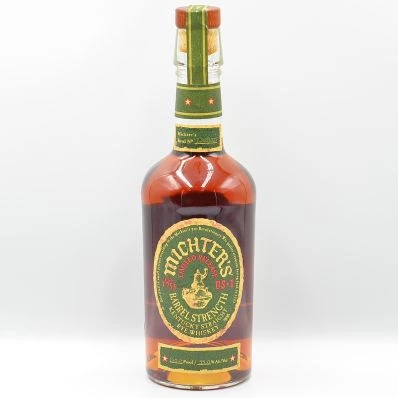 Michter's US*1 Barrel Strength Rye Whiskey Batch 22B327 2022Special Price £164.98 Regular Price £179.99 Inc VATSaving £15.01
 -
-
-
Comments