
 Chat with us on WhatsApp


Best Whisky Under £50: How to Choose Quality, Character and Value
Finding the best whisky under £50 is not simply a matter of choosing the oldest bottle or the most recognisable name. At this price, buyers must compare whisky style, alcohol strength, cask influence and production quality. A lightly matured 12-year-old at 40% ABV may be approachable, while a younger whisky bottled at 46% can offer more texture and distillery character.
This guide explains what £50 can realistically buy, how to compare bottles and which styles suit different drinkers. It covers accessible single malts, dependable blends, smoky Scotch and selected American and world whiskies without treating price as the only measure of quality.
For bottles currently within this price range, browse the Scotch whisky under £50 selection. Availability and prices can change, so use the principles below to judge each bottle rather than relying on a fixed ranking.
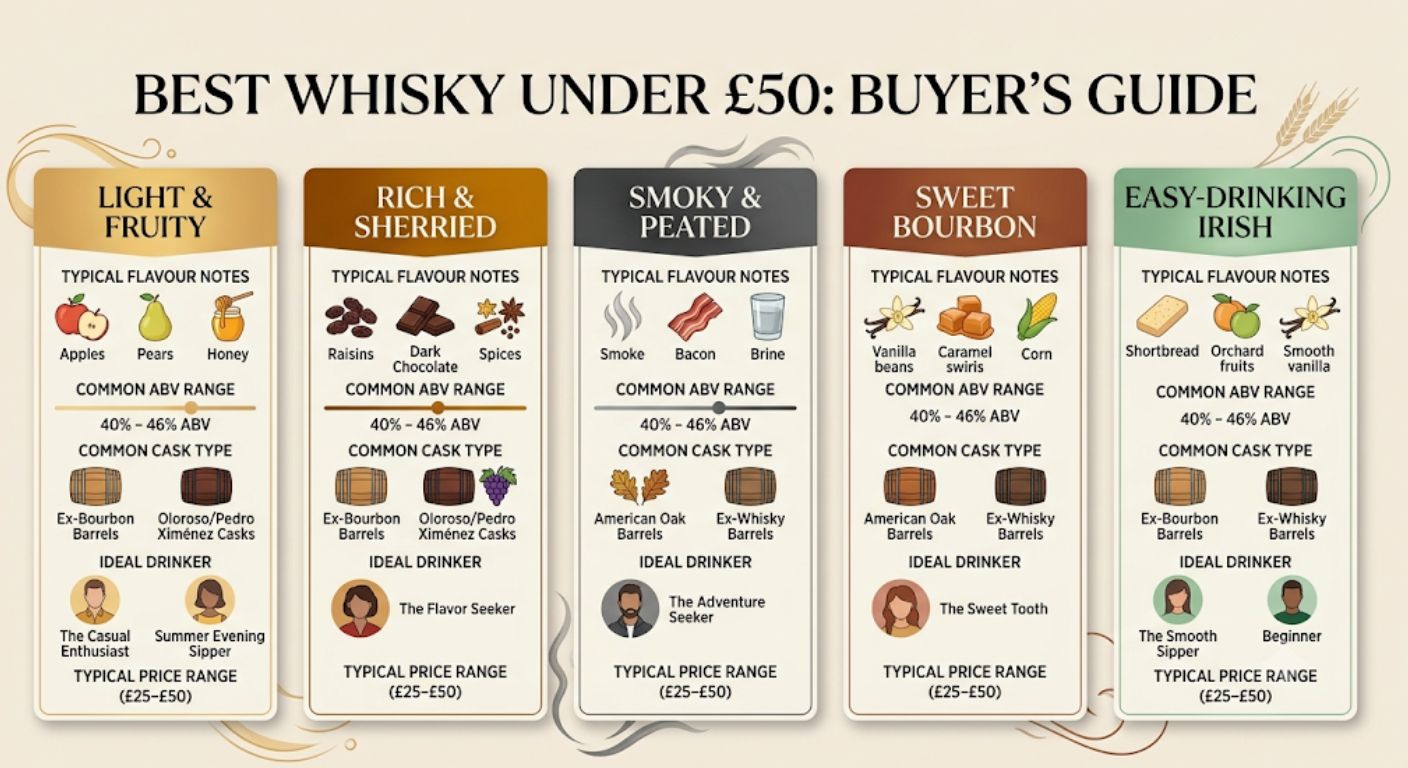
Whisky Under £50 at a Glance
| Whisky style | Typical price | Common ABV | Typical character | Best suited to |
|---|---|---|---|---|
| Entry-level single malt Scotch | £30–£50 | 40–46% | Fruit, malt, vanilla or gentle spice | New single malt drinkers and everyday pours |
| Blended Scotch | £20–£45 | 40–43% | Balanced, soft and consistent | Mixed groups, highballs and approachable drinking |
| Peated Scotch | £32–£50 | 40–46% | Smoke, coastal notes, ash or medicinal peat | Drinkers who already know they enjoy smoke |
| Sherry-influenced Scotch | £35–£50 | 40–46% | Dried fruit, spice, nuts and chocolate | Richer after-dinner drinking |
| Bourbon | £25–£50 | 40–50% | Vanilla, caramel, oak and sweet spice | Neat drinking and classic whiskey cocktails |
| Irish whiskey | £25–£50 | 40–46% | Soft fruit, cereal sweetness and light spice | Beginners and drinkers who prefer a gentler profile |
| World whisky | £35–£50 | 40–50% | Varies by country, grain and climate | Exploring production styles beyond Scotland |
The table shows why there is no single bottle that is automatically best for every buyer. A good purchase depends on whether you want sweetness, smoke, sherry influence, higher strength or an easy introduction to whisky.
What Does £50 Buy in Today’s Whisky Market?
A £50 budget gives access to a broad range of established whiskies, including many age-stated single malts, well-made blends, approachable bourbons and selected independent bottlings. It is high enough to move beyond basic mixing whisky but still requires careful comparison.
Within Scotch, buyers can commonly find:
- 10- and 12-year-old single malts from established distilleries.
- No-age-statement releases bottled at a higher strength.
- Whiskies matured in ex-bourbon, sherry or virgin oak casks.
- Blended malts combining whisky from more than one distillery.
- Occasional independent bottlings or limited batches.
Whisky prices are not determined by age alone. Packaging, advertising, production scale, cask costs, alcohol strength and brand demand can all affect the shelf price. A heavily promoted 12-year-old at 40% ABV is not necessarily better than a younger, less familiar whisky bottled at 46% without chill filtration.
The legal baseline also matters. The Scotch Whisky Association’s definition of Scotch whisky confirms that it must be produced and matured in Scotland, aged in oak for at least three years and bottled at no less than 40% ABV. These are minimum requirements, not indicators that every Scotch will offer the same depth or character.
Buyers with a stricter limit can use our guide to whisky under £30 to understand what changes at the lower end of the market. Below £30, blends and discounted entry-level single malts become more common, while higher-strength and specialist releases are harder to find.
How to Assess Quality and Value Under £50
Good value means receiving suitable flavour, texture and production character for the price. It does not mean buying the bottle with the largest discount or the longest age statement.
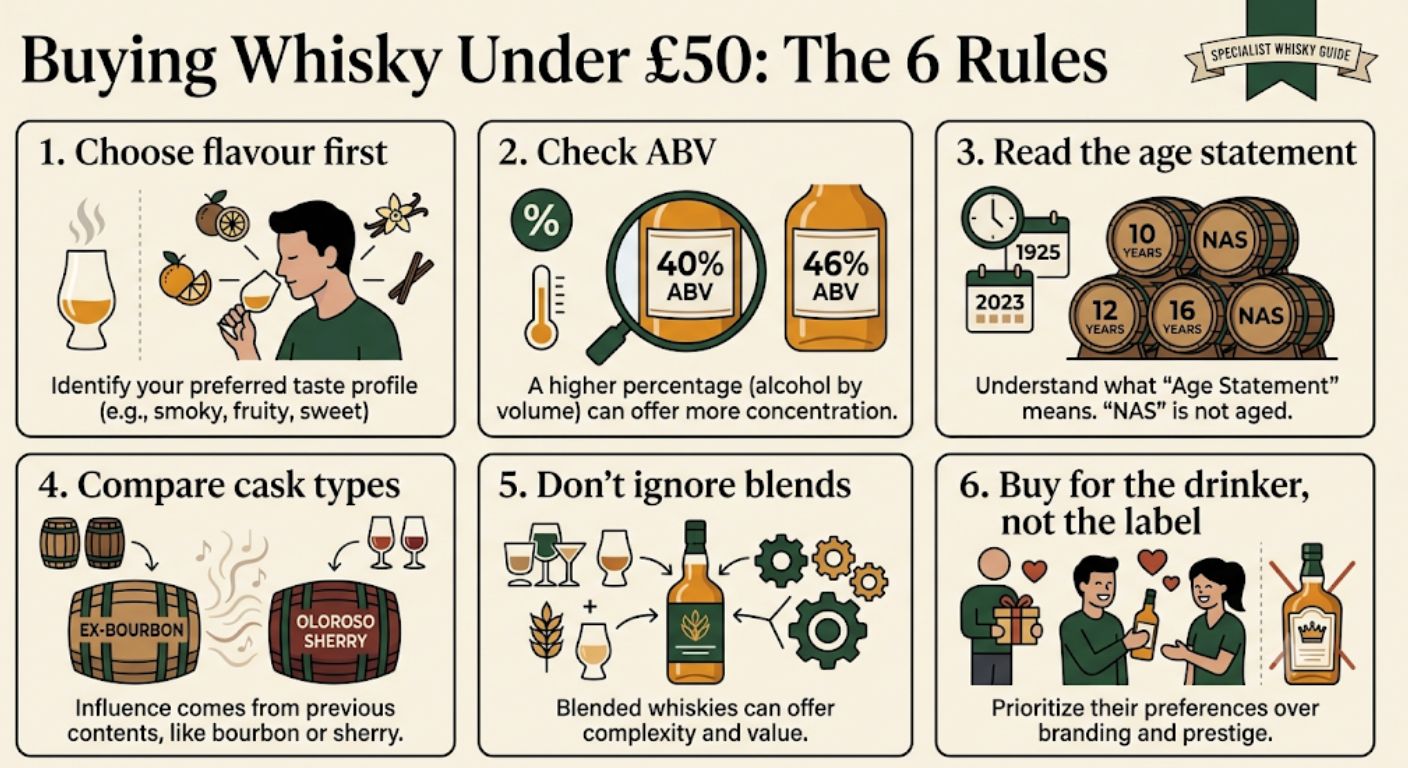
Check the alcohol strength
Most standard whisky is bottled between 40% and 46% ABV. A higher strength can preserve more texture and allow the drinker to adjust the whisky with water, but it does not automatically guarantee better quality.
- 40–43% ABV: usually lighter and easier to approach.
- 46% ABV: often offers greater weight, texture and flavour concentration.
- Above 50% ABV: may indicate cask strength or a deliberately robust bottling and will usually benefit from careful dilution.
One thing our customers do not always check until after choosing a bottle is the ABV: a cask-strength expression can feel dramatically more intense than a standard release from the same distillery.
Understand what the age statement tells you
An age statement identifies the youngest whisky in the bottle. A 12-year-old Scotch may contain older components, but none can be younger than 12 years.
Age provides useful information about maturation time, but it does not reveal cask quality. A well-managed 10-year-old matured in active oak can show more balance and depth than an older whisky drawn from tired casks. Younger whisky may retain more fresh fruit, cereal and distillery character, while longer maturation usually introduces more oak, spice and dried-fruit notes.
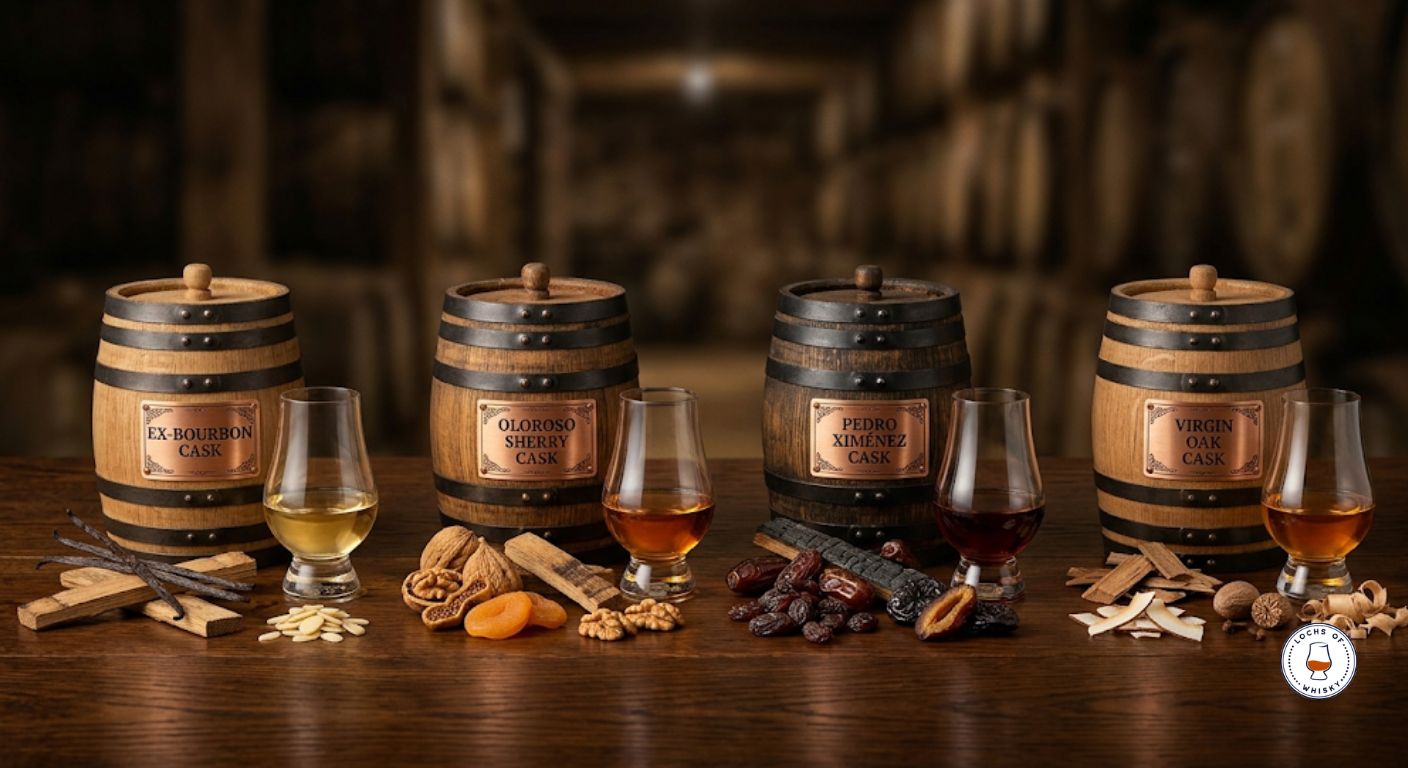
Look at the cask type
Cask information often gives a clearer indication of flavour than the region or age statement.
- Ex-bourbon casks commonly contribute vanilla, citrus, honey and coconut notes.
- Oloroso sherry casks tend to add dried fruit, nuts, spice and richer oak.
- Pedro Ximénez casks can produce sweeter raisin, syrup and dark-fruit notes.
- Virgin oak usually creates stronger vanilla, toast and wood spice.
- Wine-cask finishes may add fruit or tannin but vary considerably between releases.
A cask finish is not the same as full maturation. A finished whisky spends most of its ageing period in one cask type before being transferred to another for a shorter period. Full sherry maturation usually creates a more integrated cask influence, although the result depends on the quality and activity of the wood.
Do not treat technical specifications as a scoring system
Natural colour and non-chill filtration can indicate a less interventionist presentation, but they should be considered alongside balance and drinkability. A naturally coloured whisky can still be unbalanced, while a chill-filtered 40% bottling may remain a dependable and enjoyable introduction to its distillery.
The important question is whether the specifications support the style you want. Buyers seeking weight and texture may prefer 46% ABV and non-chill filtration. Someone choosing a soft, accessible gift may reasonably favour a familiar 40% expression in clear packaging.
Choose Whisky by Style, Not Just by Price
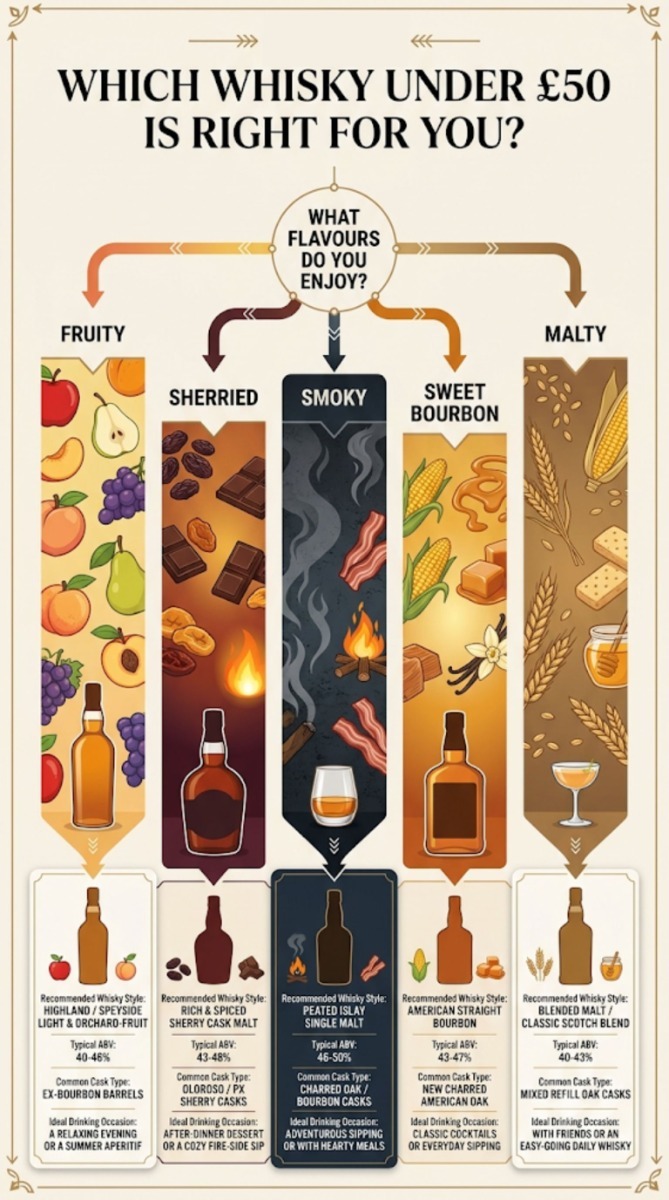
The safest way to reduce buyer error is to begin with the intended flavour profile. Distillery, region, age and cask should then be used to narrow the choice.
Light, fruity and approachable whisky
For a gentle introduction, look for ex-bourbon maturation, 40–46% ABV and descriptions centred on apple, pear, citrus, honey or vanilla. These whiskies usually contain less heavy peat and less aggressive oak.
Speyside and selected Highland or island distilleries often produce suitable examples, although region should be treated as guidance rather than a guarantee. The Arran distillery guide provides useful context for a distillery known for a clear, fruit-led spirit that often works well in bourbon-cask maturation.
If your aim is specifically to buy malt whisky rather than compare all categories, the best single malt whisky under £50 guide provides a more focused route through age statements, cask types and distillery styles.
Rich, sherried whisky
Choose sherry-influenced whisky if you prefer dried fruit, cinnamon, nuts, dark chocolate or a fuller texture. Look for references to Oloroso or Pedro Ximénez casks, but check whether the whisky was fully matured or only finished in them.
At under £50, many sherried whiskies are bottled at 40–46% ABV and may use a combination of bourbon and sherry casks. This can offer better balance than an aggressively sweet or heavily tannic release. It is also a useful style for gifting because the flavour is rich without necessarily being smoky.
Smoky and peated whisky
Peated whisky ranges from soft bonfire smoke to intense medicinal peat. New drinkers should start with moderate smoke rather than assuming every Islay whisky will be equally aggressive.
- Soft smoke: gentle ash, toasted cereal and light coastal notes.
- Coastal smoke: pepper, salt, seaweed and dry peat.
- Medicinal peat: iodine, tar, antiseptic and dense smoke.
Talisker 10 is commonly used as a bridge into coastal smoke because it combines pepper and maritime character with measured peat. Bowmore 12 is generally softer and fruitier, while Laphroaig 10 and Ardbeg 10 represent a stronger medicinal or tarry direction.
Do not buy heavily peated whisky as a safe gift unless you know the recipient enjoys smoke. Peat is not a quality level; it is a production choice with a distinct flavour effect.
Malty, cereal-led and spirit-driven whisky
Some drinkers prefer whisky that shows malt, bread, wax, nuts or fermentation character rather than dominant cask sweetness. These bottles can be particularly rewarding because the wood supports rather than overwhelms the underlying spirit.
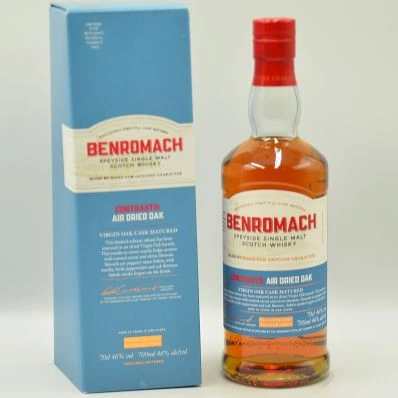
Releases from Deanston distillery often provide a useful reference point for waxy, cereal-led Highland malt, while Benromach is relevant for buyers interested in traditional Speyside character combined with measured smoke and sherry influence.
Sweet American whiskey
Bourbon is a logical choice for drinkers who enjoy vanilla, caramel, toasted oak and sweet spice. Many dependable bourbons fall between £25 and £50, often at 40–50% ABV.
Higher-proof bourbon can provide more flavour and stand up well in an Old Fashioned, but a bottle intended for neat drinking should still be balanced. Check the proof rather than assuming that an expensive-looking bottle will contain a stronger or older whiskey.
Irish and world whisky
Irish whiskey can be a straightforward starting point for drinkers who want soft fruit, cereal sweetness and restrained oak. Triple distillation is common, although not universal, and can contribute to a lighter texture.
World whisky requires more attention to individual producers because regulations, grain types and climates vary by country. Japanese, English, Indian, Australian and Scandinavian whiskies can all appear below £50, but buyers should check bottle size as well as price. Some apparently affordable releases are sold in 50cl rather than 70cl bottles.
For a wider view of Scottish styles and producers, the Scotch whisky collection provides access to bottles across different regions, distilleries and price levels.
Single Malt or Blended Whisky: Which Offers Better Value?
Neither category is automatically better. Single malt is made from malted barley at one distillery, while blended Scotch combines one or more malt whiskies with grain whisky. Blended malt contains malt whisky from multiple distilleries but no grain whisky.
- Choose single malt when you want to explore the identity of a particular distillery.
- Choose blended malt when you want a fuller malt profile built from several distilleries.
- Choose blended Scotch when consistency, balance and accessibility matter more than a single-distillery identity.
Blends can offer strong value because grain whisky provides softness while the malt components contribute fruit, smoke and structure. Monkey Shoulder, Johnnie Walker Black Label, Maclean’s Nose and Campbeltown Loch illustrate different approaches to blending, although their availability and pricing vary.
Single malt usually gives clearer distillery provenance, but buyers should not pay a premium for the words “single malt” alone. Compare ABV, age, cask information and flavour suitability before deciding.
Is Whisky Under £50 Suitable for Experienced Drinkers?
Yes. The price range contains many bottles with clear distillery character, useful age statements and technically strong presentation. Experienced drinkers may need to look beyond the most heavily advertised releases, but good whisky does not stop being worthwhile because it is affordable.
Enthusiasts should pay particular attention to:
- Independent bottlings from less familiar distilleries.
- Batch releases bottled at 46% ABV or above.
- Whiskies that prioritise spirit character over elaborate packaging.
- Less fashionable distilleries with established production quality.
- Blended malts with transparent composition or a clearly defined style.
The limitation is choice rather than quality. Highly aged, small-batch and cask-strength releases increasingly sit above £50, particularly when demand is strong. Buyers seeking a substantial step up in age, cask concentration or rarity should compare the options in our £50–£100 whisky guide.
What Is the Best Whisky Under £50 for a Gift?
The safest gift is a recognisable, clearly labelled whisky in a style that matches the recipient’s preferences. For an unknown palate, choose a fruit-led or lightly sherried bottle at 40–46% ABV. Avoid heavily peated or cask-strength whisky unless you know the recipient already enjoys those styles.
Use the following order of priority:
- Match the style. Find out whether the recipient enjoys sweet, smoky, fruity or spicy whisky.
- Check the bottle size. Confirm that the price relates to a standard 70cl bottle.
- Check the ABV. A bottle above 50% may be unsuitable for a casual drinker.
- Look for clear provenance. Distillery, age, cask and bottler information make the gift easier to understand.
- Consider presentation last. A box or tube is useful, but it should not replace substance.
Age-stated single malts from established distilleries are usually straightforward to explain and give. A well-made blend may be a better choice for a mixed group or someone who values smoothness and consistency over distillery detail.
Decision Guide: Which Whisky Should You Choose?
- If you are completely new to whisky: choose a fruit-led Speyside, Highland or Irish whiskey at 40–43% ABV.
- If you want more texture: look for 46% ABV, ideally with clear cask and filtration information.
- If you enjoy dried fruit and spice: choose an Oloroso sherry-influenced malt.
- If you enjoy vanilla and caramel: choose bourbon or bourbon-cask-matured Scotch.
- If you want gentle smoke: begin with a coastal or lightly peated style rather than a heavily medicinal Islay.
- If you already enjoy peat: compare smoke type as well as intensity.
- If you want distillery identity: choose single malt.
- If you want balance and accessibility: consider a well-constructed blend or blended malt.
- If you are buying a gift: prioritise a recognisable style, clear age statement and moderate ABV.
- If you want older or more specialised whisky: increase the budget rather than buying an unknown bottle solely because it is discounted.
A budget should operate as a limit, not as a target. A £38 whisky that suits the drinker is a better purchase than a £50 bottle chosen only to use the full allowance.
If the available bottles under £50 do not offer the age, cask type or strength you want, compare them with our best whisky under £100 guide. The higher bracket provides more access to older whisky, specialist maturation and higher-strength releases.
For premium age statements, limited releases and more concentrated cask influence, the whisky under £200 guide explains what buyers should expect before paying the additional premium.
Common Buying Mistakes
Assuming older whisky is always better
Age measures time, not cask quality or balance. Younger whisky can retain freshness and spirit character that is lost through extended maturation.
Choosing by region alone
Regions provide useful historical and geographical context, but distilleries within the same region can produce very different styles. Cask type and peat level may be more useful decision factors.
Ignoring the ABV
A bottle at 57% ABV will drink very differently from one at 40%. Check the strength before buying, especially when choosing for a beginner or as a gift.
Confusing colour with age
Darker whisky is not automatically older or richer. Colour can result from active casks, finishing, batch composition or permitted colouring.
Paying for packaging rather than information
Heavy bottles and elaborate boxes increase presentation value but do not confirm liquid quality. Prioritise distillery, bottler, cask, age and strength information.
Buying smoke for someone who has not tried peat
Peated whisky is highly distinctive. Start with measured smoke or establish the recipient’s preference before choosing a heavily medicinal expression.
Frequently Asked Questions
What is the best Scotch whisky for beginners?
A light, fruit-led single malt at 40–43% ABV is usually the most reliable starting point. Glenfiddich 12 is widely recognised because its pear, malt and gentle oak character is approachable without being neutral. Arran 10 or Deanston Virgin Oak may suit beginners who want more texture and a clearer malt character.
Is single malt under £50 actually good value?
Yes. The category includes numerous 10- and 12-year-old single malts, alongside younger releases bottled at 46% ABV. Good value depends on cask quality, balance and production character rather than age alone. Compare the specification with similarly priced blends and bourbons before deciding.
Is single malt better than blended whisky?
No. Single malt offers the identity of one distillery, while blended whisky allows producers to combine malt and grain whiskies for balance and consistency. A strong blend can outperform an ordinary single malt at the same price. Choose according to flavour and purpose, not category prestige.
What is the best peated Scotch for beginners under £50?
Talisker 10 and Bowmore 12 are common starting points because they combine smoke with fruit and coastal character. They are generally less medicinal than Laphroaig 10. Begin with moderate peat and avoid buying the most intensely smoky Islay whisky solely because it is considered more distinctive.
What does 46% non-chill filtered mean in whisky?
Non-chill-filtered whisky retains more of the naturally occurring oils and fatty compounds that can contribute to texture. Bottling at around 46% ABV also reduces the risk of the whisky becoming cloudy at lower temperatures. These details can support flavour and mouthfeel, but they do not guarantee balance or quality.
Does a higher ABV mean better whisky?
No. Higher ABV can provide more concentration and allow greater control when adding water, but the spirit must still be balanced. A well-composed whisky at 43% may be more enjoyable than an aggressive cask-strength release. Treat ABV as a style and presentation indicator rather than a quality score.
What is the best whisky under £50 for a gift?
Choose an age-stated, fruit-led or lightly sherried whisky at 40–46% ABV unless you know the recipient prefers peat. Familiar distillery names and clear packaging make the bottle easier to understand, but flavour suitability matters more than brand recognition or the weight of the box.
How long does whisky last once opened?
An opened bottle can remain in good condition for one to two years or longer when stored upright, tightly closed and away from sunlight or heat. Oxidation becomes more noticeable as the bottle empties because more air occupies the space above the liquid. Move a small remainder into a smaller clean bottle for longer storage.
Should I spend the full £50?
No. Set the maximum according to your budget, then select the bottle that best matches the intended style. A suitable £35 bottle is better value than an unsuitable £50 bottle. Spend more only when the additional cost provides a meaningful change in age, strength, cask quality or provenance.
‹
Best Sellers
-
-
-
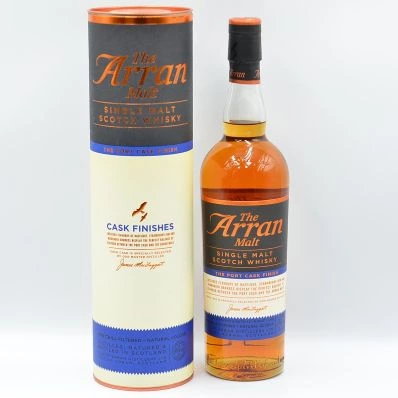 Arran Cask Finishes Port Scotch Whisky
Special Price
£87.98
Regular Price
£97.99
Inc VAT
Saving £10.01
Arran Cask Finishes Port Scotch Whisky
Special Price
£87.98
Regular Price
£97.99
Inc VAT
Saving £10.01
-
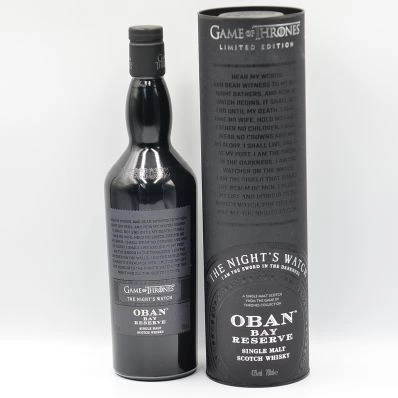 Game of Thrones Whisky Oban Bay Reserve The Night's Watch
Special Price
£72.98
Regular Price
£84.99
Inc VAT
Saving £12.01
Game of Thrones Whisky Oban Bay Reserve The Night's Watch
Special Price
£72.98
Regular Price
£84.99
Inc VAT
Saving £12.01
-
-
-
-
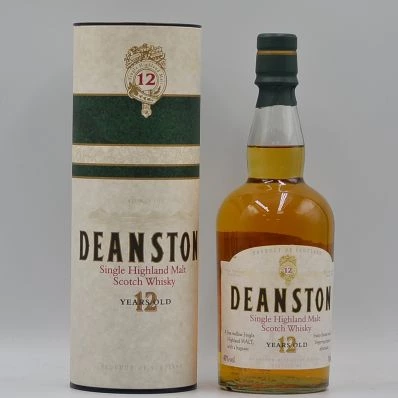 Deanston 12 Year Old Highland Whisky 2000s
Special Price
£56.98
Regular Price
£63.99
Inc VAT
Saving £7.01
Deanston 12 Year Old Highland Whisky 2000s
Special Price
£56.98
Regular Price
£63.99
Inc VAT
Saving £7.01
-
-
-
-
›
-
-
-
Arran Cask Finishes Port Scotch WhiskySpecial Price £87.98 Regular Price £97.99 Inc VATSaving £10.01
-
Game of Thrones Whisky Oban Bay Reserve The Night's WatchSpecial Price £72.98 Regular Price £84.99 Inc VATSaving £12.01
-
-
Deanston 12 Year Old Highland Whisky 2000sSpecial Price £56.98 Regular Price £63.99 Inc VATSaving £7.01
-
-
Summary: How to Find the Best Whisky Under £50
- Begin with style: decide whether you want fruit, sherry, smoke, malt or bourbon sweetness.
- Check the ABV: 40–43% is usually approachable; 46% often provides more texture; cask strength needs careful dilution.
- Use age as context: it confirms maturation time but does not measure cask quality.
- Read the cask information: bourbon, sherry, virgin oak and wine casks create different flavour directions.
- Do not dismiss blends: well-constructed blended whisky can provide better balance and value than an ordinary single malt.
- Approach peat carefully: smoke ranges from light ash to intense medicinal character.
- Check bottle size: particularly when comparing world whisky and imported releases.
- Avoid paying for presentation alone: prioritise provenance and production information.
The most common mistakes are choosing by age alone, treating region as a fixed flavour rule, overlooking alcohol strength and buying heavily peated whisky for an unknown palate. The simplest shortcut is to identify the preferred flavour first, then compare ABV, cask type and distillery character within the available budget.
For current bottles across approachable malts, blends and more specialist releases, explore the available whisky categories and use these criteria to judge each bottle on its own merits.

Comments