
 Chat with us on WhatsApp


The Manhattan: Bourbon vs Rye, Which Makes the Better Drink?
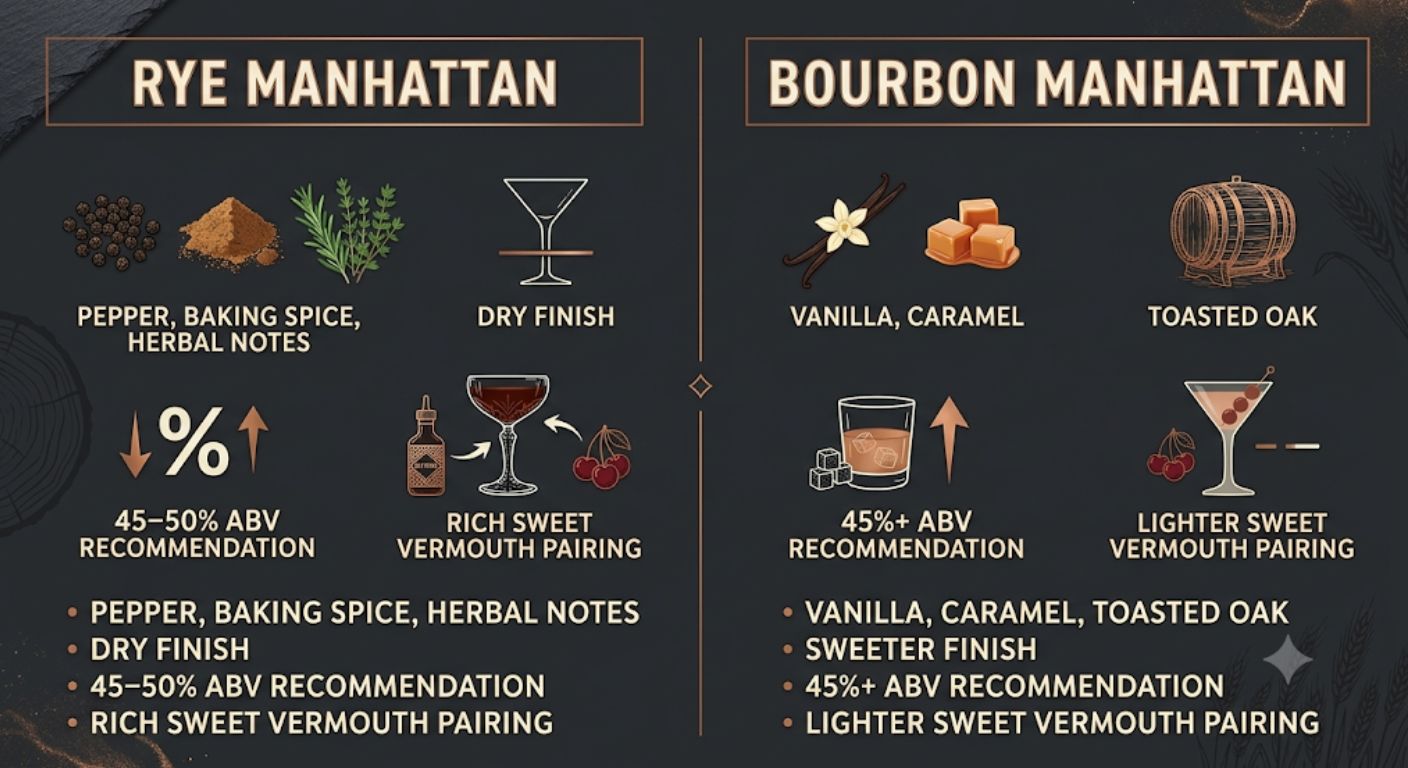
The Manhattan combines American whiskey, sweet vermouth and bitters, but changing the whiskey changes the drink considerably. Rye produces a drier, spicier Manhattan with a firmer structure. Bourbon brings more vanilla, caramel and rounded sweetness.
Neither version is automatically wrong. The better choice depends on the balance you want and the vermouth you are using. Rye remains the traditional starting point, while bourbon suits drinkers who prefer a softer cocktail. Exploring the wider range of American whiskey also shows how proof, mash bill and maturation affect the final drink.
Quick Answer: Is Bourbon or Rye Better in a Manhattan?
Rye generally makes the more balanced and traditional Manhattan. Its peppery spice, herbal character and drier finish stand up to sweet vermouth without making the drink feel heavy. Bourbon makes a smoother and sweeter variation, which can work well when paired with a lighter vermouth or a slightly reduced vermouth measure.
The decision is therefore less about identifying one universally superior whiskey and more about controlling sweetness, strength and texture.
Bourbon vs Rye Manhattan: The Main Differences
| Characteristic | Rye Manhattan | Bourbon Manhattan |
|---|---|---|
| Core flavour | Pepper, baking spice, herbs and dry grain | Vanilla, caramel, oak and sweet corn |
| Sweetness | Usually restrained | Fuller and potentially sweeter |
| Structure | Firm, sharp and clearly defined | Round, soft and rich |
| Best vermouth match | Rich, full-flavoured sweet vermouth | Lighter or drier sweet vermouth |
| Best suited to | Traditional cocktail drinkers | Drinkers who prefer softer whiskey flavours |
For a broader explanation of how these spirits differ beyond cocktails, see our guide to bourbon versus rye whiskey. This article focuses specifically on how those differences affect a Manhattan.
Why Rye Works So Well in a Manhattan
Rye whiskey must contain at least 51% rye grain in its mash bill. That grain commonly contributes pepper, dry spice, herbs and a firmer finish. These qualities provide contrast against the sugar and botanical richness of sweet vermouth.
The result is a Manhattan in which the whiskey remains clearly identifiable after stirring and dilution. Rye does not simply add heat. It provides the backbone that keeps the cocktail from becoming too soft or syrupy.
A rye around 45–50% ABV is usually a dependable choice. Lower-strength whiskey can work, but it is more likely to lose definition once vermouth, bitters and melting ice are introduced. Bottled-in-Bond rye at 50% ABV is particularly useful because it retains its flavour and structure during mixing.
Expressions associated with Sazerac tend to produce a classic, accessible style, while the bolder rye character associated with WhistlePig can create a more assertive cocktail. The wider rye whiskey category includes both lighter mixing styles and richer, higher-proof bottlings.
When Bourbon Makes the Better Manhattan
Bourbon must contain at least 51% corn, which usually gives it a sweeter and rounder profile. Vanilla, caramel and toasted oak can make the cocktail feel richer and more approachable than a rye-based version.
This works particularly well for drinkers who find rye too dry, peppery or sharp. A bourbon Manhattan can also suit an after-dinner setting, where its fuller sweetness feels intentional rather than excessive.
The main risk is imbalance. A sweet, corn-led bourbon combined with a rich vermouth can produce a heavy drink. Choose bourbon at around 45% ABV or above and consider reducing the vermouth from 30 ml to 20–25 ml.
A balanced bourbon such as those associated with ????Woodford can retain enough spice and oak to avoid disappearing beneath the vermouth. We find our customers often focus on the whiskey brand first, but the vermouth choice can make just as much difference to whether a Manhattan tastes balanced.
How to Make a Classic Manhattan
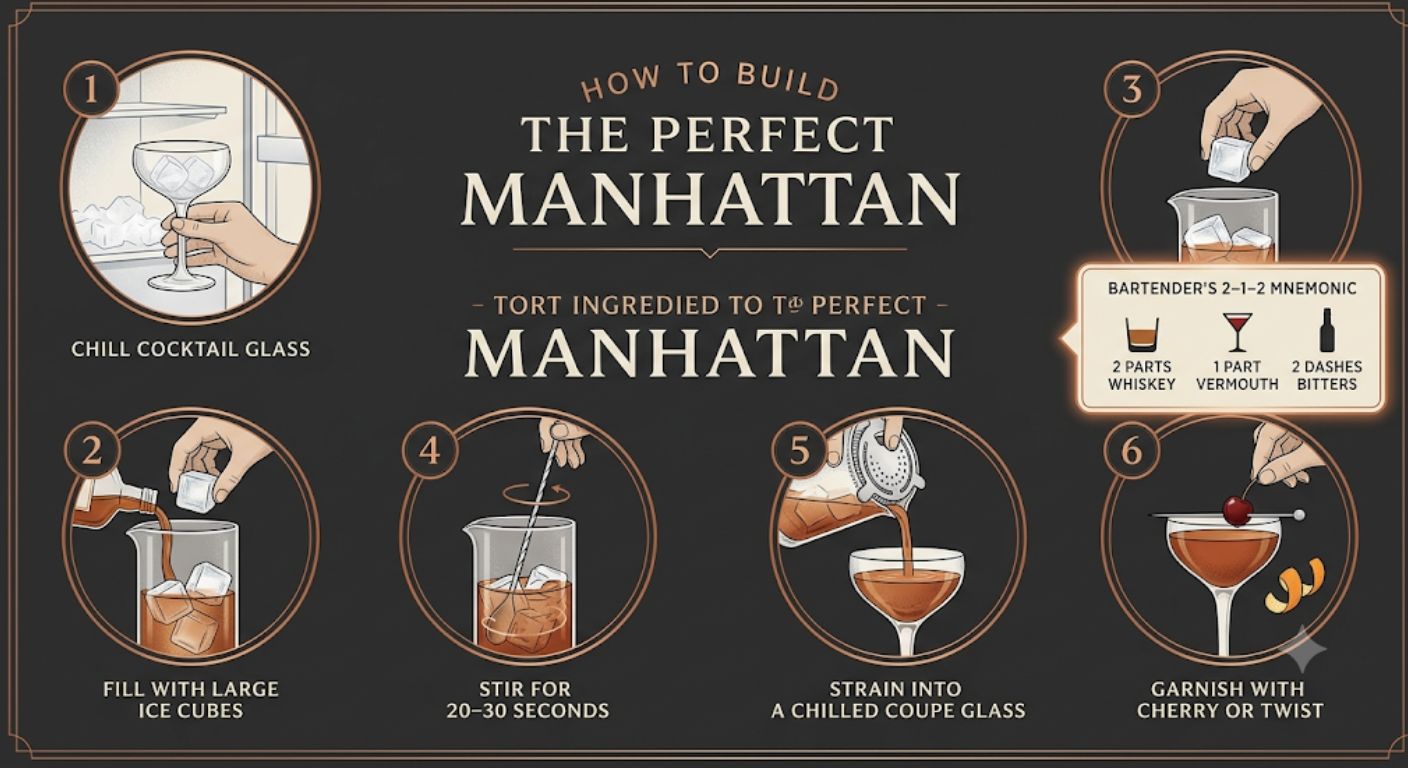
- Chill a coupe or Nick & Nora glass.
- Add 60 ml rye or bourbon, 30 ml sweet vermouth and two dashes of aromatic bitters to a mixing glass.
- Fill the mixing glass with solid ice cubes.
- Stir for approximately 20–30 seconds until chilled and lightly diluted.
- Strain into the chilled glass and garnish with a quality cocktail cherry or orange twist.
The measurements follow the useful 2-1-2 mnemonic: two parts whiskey, one part vermouth and two dashes of bitters. The International Bartenders Association’s Manhattan recipe also specifies rye whiskey, sweet red vermouth and bitters, stirred with ice and strained into a chilled cocktail glass.
Should You Shake or Stir a Manhattan?
A Manhattan should be stirred rather than shaken. Stirring chills and dilutes the ingredients while preserving a smooth, clear texture. Shaking introduces air and small ice fragments, which can make the drink cloudy and alter its mouthfeel. Use plenty of cold ice and stop once the mixing glass feels thoroughly chilled.
How to Choose the Right Vermouth
Sweet vermouth is not a minor ingredient. It can represent one-third of the drink, so its weight and sweetness must suit the whiskey.
- For spicy rye: use a rich vermouth such as Cocchi Vermouth di Torino or Carpano Antica Formula.
- For sweeter bourbon: consider a lighter vermouth such as Dolin Rouge.
- For a drier result: reduce the vermouth slightly rather than adding more bitters.
Vermouth is wine-based and should be refrigerated after opening. For the clearest flavour, use it within roughly two to three months rather than leaving the bottle indefinitely in a drinks cabinet.
Which Version Should You Choose?
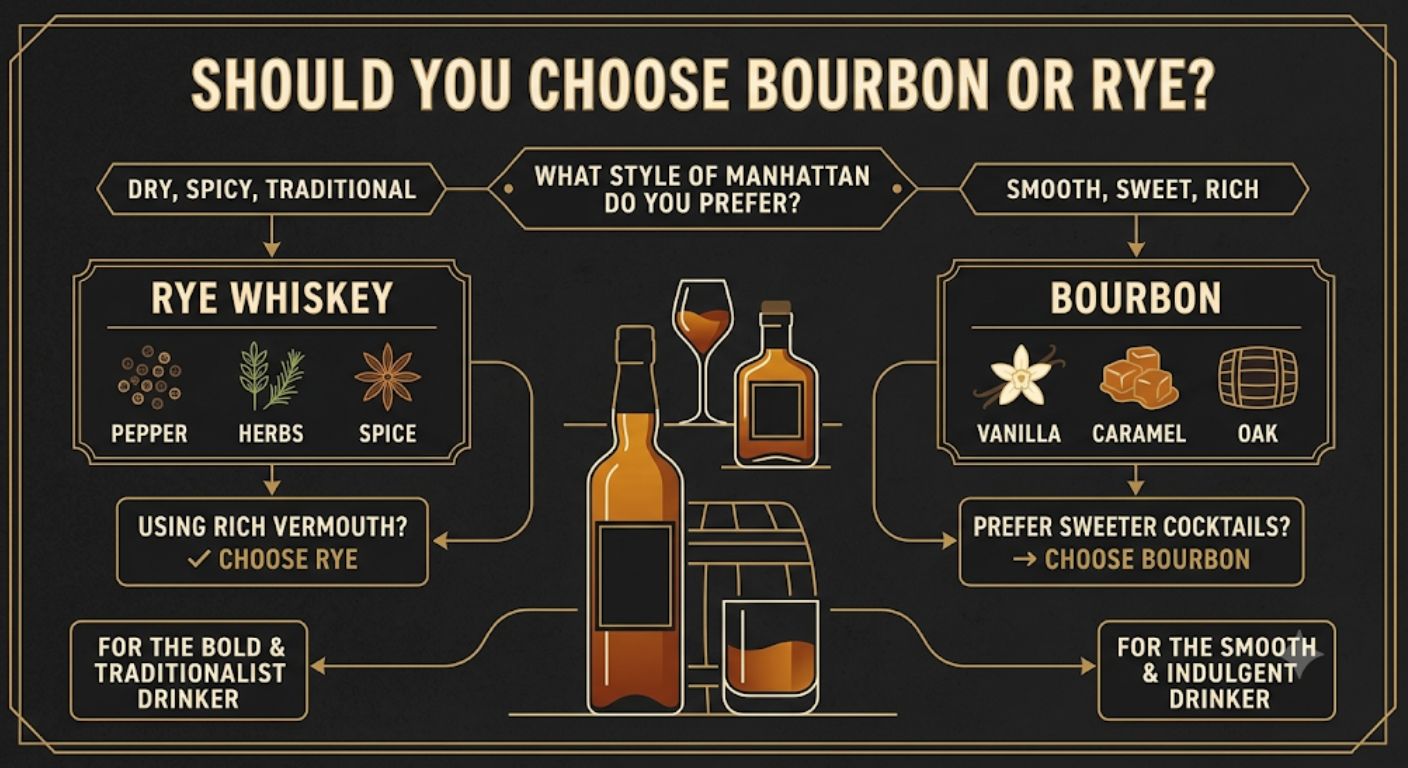
Choose rye when:
- You want a traditional, spice-led Manhattan.
- You are using a rich or strongly flavoured vermouth.
- You prefer a drier finish and clearer whiskey structure.
Choose bourbon when:
- You prefer vanilla, caramel and softer oak flavours.
- You find rye too peppery or austere.
- You are willing to adjust the vermouth measure to control sweetness.
Avoid using very delicate whiskey below 40% ABV where possible. It may taste pleasant neat but can become thin once mixed and diluted. Expensive or highly limited bottles are also unnecessary: balance and sufficient strength matter more than prestige in this cocktail.
Frequently Asked Questions
Why use rye instead of bourbon in a Manhattan?
Rye contributes pepper, dry spice and herbal character that balance the sweetness of the vermouth. Bourbon is usually softer and sweeter, which can produce a richer but less sharply defined drink. Rye is therefore the safer choice when you want a traditional Manhattan with a dry, structured finish.
Is a Manhattan too sweet with bourbon?
It can be, particularly when a sweet bourbon is combined with a rich vermouth. Use bourbon at 45% ABV or above, select a lighter vermouth and reduce the vermouth measure to around 20–25 ml when necessary. The finished drink should taste rounded, not syrupy.
What proof whiskey is best for a Manhattan?
Whiskey between 45% and 50% ABV usually provides enough strength to remain distinct after dilution. A 50% ABV Bottled-in-Bond rye is especially reliable, although a well-structured 45% ABV bourbon can also work. Proof matters more than price because the whiskey must retain its character once mixed.
How long does sweet vermouth last after opening?
Keep opened sweet vermouth refrigerated with the cap tightly closed. It will gradually oxidise, so it is best used within two to three months. Vermouth that smells flat, sharply acidic or noticeably stale can weaken the entire cocktail, even when the whiskey is good.
-
-
-
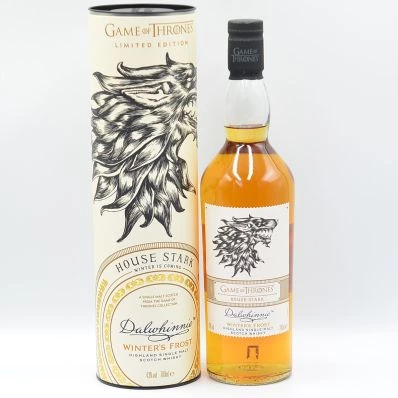 Game Of Thrones Whisky Dalwhinnie Winter's Frost House StarkSpecial Price £104.98 Regular Price £134.99 Inc VATSaving £30.01Out of stock
 -
-
-
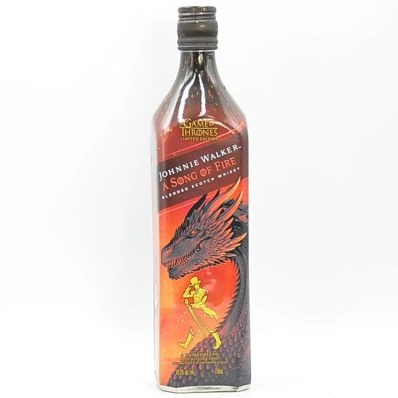 Game of Thrones Whisky Johnnie Walker A Song Of FireSpecial Price £139.98 Regular Price £144.99 Inc VATSaving £5.01
 -
-
-
-
-
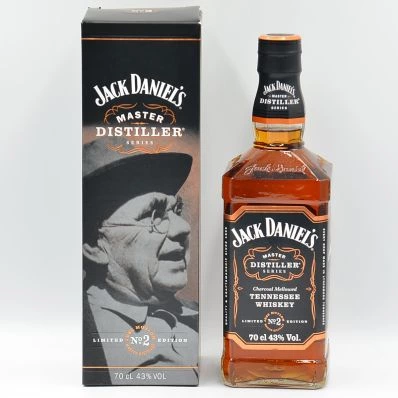 Jack Daniel's - Master Distiller Batch 2 Jess Motlow Limited Edition Bourbon Whiskey£164.99 Inc VATOut of stock
Final Verdict: Bourbon or Rye?
Rye makes the better Manhattan when the aim is a traditional drink with spice, structure and controlled sweetness. Bourbon makes a softer, richer alternative and may suit drinkers who prefer vanilla and caramel over pepper and herbs.
Start with rye and the standard 2-1-2 formula, then try the same recipe with bourbon and adjust the vermouth if required. For the wider context around this and other whiskey-based serves, our guide to the classic bourbon cocktails explains where the Manhattan sits within the broader cocktail tradition.


Comments