
 Chat with us on WhatsApp


Best Lowland Whisky
Lowland whisky occupies a very different place in Scotch from the heavier regional styles many buyers first associate with Scotland. The region is known for lighter, grassy, floral, and often citrus-led spirit, with many bottlings positioned at approachable ABVs and matured in active bourbon or sherry casks rather than heavily peated styles.
This guide explains what defines Lowland whisky, how the region differs from Highland and Islay Scotch, which distilleries shape the category, and how to choose the right bottle based on flavour profile, age statement, cask influence, and budget. It also covers the role of triple distillation, the modern Lowland revival, and which bottles tend to suit beginners versus experienced drinkers.
If you want to explore the full regional range, the Lowlands Whisky collection includes official distillery releases alongside independent bottlings and older discontinued expressions.

What Defines Lowland Whisky?
Lowland whisky is typically lighter and more delicate than Scotch from Islay or parts of the Highlands. Common flavour characteristics include floral notes, citrus peel, fresh grass, vanilla, soft oak, gentle spice, and malt sweetness.
Most Lowland whiskies are unpeated or only lightly peated. The region developed a reputation for approachable spirit partly because several historic distilleries used triple distillation to create a softer profile with fewer heavy oils.
That does not mean all Lowland whisky tastes the same. Modern distilleries now produce everything from bourbon-led citrus styles to wine-cask matured expressions and experimental peated releases.
For a broader breakdown of Scotland’s whisky-producing areas, the guide to the Scotch whisky regions explains how regional styles developed historically.
Where Is the Lowland Whisky Region?
The Lowlands region covers the southern part of mainland Scotland below an imaginary boundary line running roughly from Greenock to Dundee. It includes distilleries near Glasgow, Edinburgh, Fife, and the Borders.
Historically, the region was heavily industrialised and closely connected to large-scale production, blending, and grain whisky. Many Lowland malt distilleries closed during the 20th century, leaving only a small number operating for decades.
That changed during the modern whisky revival. New distilleries across the region have reopened or launched entirely new operations, creating a broader range of Lowland styles than existed even 20 years ago.
The Scotch Whisky Association maintains official information on Scotch whisky production and protected regional identity.
Is Lowland Whisky Triple Distilled?
Not all Lowland whisky is triple distilled, although the practice is strongly associated with the region. Historically, some Lowland distilleries used triple distillation to produce a lighter, cleaner spirit.
Today, Auchentoshan remains the best-known example, using triple distillation across its core range.
Triple distillation means the spirit passes through three stills instead of the more common two used in most Scotch production. The process generally produces a lighter texture, softer alcohol integration, less oily character, and cleaner citrus and cereal notes.
The style often appeals to newer Scotch drinkers because it avoids the heavier smoke, maritime notes, and dense sherry influence found elsewhere.
Historically, Littlemill and Rosebank were also associated with triple distillation traditions. Modern Rosebank releases continue to reference that production heritage following the distillery’s revival.
What Does Lowland Whisky Taste Like?
Lowland whisky is usually defined by freshness and restraint rather than intensity. The classic regional profile leans toward lemon zest, green apple, hay, grass, vanilla cream, soft oak, floral notes, and honeyed malt.
Compared with peat-heavy regions, Lowland whisky often feels drier, lighter, and easier to approach at younger ages.
Cask selection still matters heavily. Bourbon casks tend to emphasise citrus and vanilla, while sherry maturation introduces dried fruit, spice, and darker sweetness.
For a deeper explanation of maturation influence, the whisky cask types guide covers how different woods shape flavour and texture.
Key Lowland Distilleries
Auchentoshan
Auchentoshan is probably the distillery most strongly associated with the classic modern Lowland profile. Triple distillation gives the spirit a notably clean, approachable character.
Core releases often sit around 40–43% ABV, with bourbon and sherry maturation shaping citrus-led flavour profiles and light oak structure.
The Three Wood expression is widely recognised for its heavier sherry influence, using bourbon, Oloroso, and Pedro Ximénez casks.
For buyers new to Scotch, Auchentoshan 12 Year Old is frequently one of the easier starting points because the alcohol integration is soft and the oak influence remains controlled.
Glenkinchie
Glenkinchie sits close to Edinburgh and forms part of Diageo’s Classic Malts range. Compared with Auchentoshan, the spirit is slightly fuller and more cereal-driven.
Typical characteristics include floral malt, soft orchard fruit, biscuit, cereal notes, light spice, and gentle oak.
Glenkinchie 12 Year Old usually sits around 43% ABV and works well for drinkers who want a traditional Lowland profile without aggressive cask influence.
Many customers looking for their first regional Scotch comparison bottle start with Glenkinchie because it demonstrates the Lowland style clearly without relying on heavy finishing casks.
Bladnoch
Bladnoch is one of Scotland’s oldest operating distilleries and has become a major part of the modern Lowland revival.
Current releases vary significantly in style depending on cask programme. The range includes bourbon matured releases, STR wine casks, Oloroso sherry maturation, and higher-strength bottlings.
Compared with the softer citrus-led profile of Auchentoshan, Bladnoch often produces a richer and more modern style with heavier cask influence and higher bottling strengths.
Collectors also follow older independent bottlings from earlier production eras because output from previous ownership periods can vary considerably.
Littlemill
Littlemill closed in the 1990s and has since become one of the more collectible closed Lowland distilleries.
Historic bottlings are known for floral complexity, tropical fruit development, and waxier texture in older vintages.
Because the distillery is permanently closed, availability is limited and prices have risen across both official and independent releases.
This is one area where buyers should pay close attention to bottling era, independent bottler reputation, and fill condition when purchasing older stock.

The Modern Lowland Revival
For decades, the Lowlands had relatively few active malt distilleries compared with Speyside or the Highlands. That has changed rapidly.
Modern Lowland distilleries now include Kingsbarns, Daftmill, Lochlea, Holyrood, Lindores Abbey, Annandale, Glasgow Distillery, and Clydeside.
The region has shifted from being viewed as a narrowly defined “light whisky” area into a more diverse production region with broader experimentation.
Newer producers now use STR wine casks, heavier char levels, organic barley, peated runs, higher ABV bottlings, and long fermentations.
As a result, modern Lowland whisky can vary far more dramatically than older regional stereotypes suggest.
Best Lowland Whisky for Beginners
1. Auchentoshan 12 Year Old
A soft introduction to single malt Scotch with citrus, vanilla, and gentle oak. Usually bottled at 40% ABV and widely available under roughly £45–50.
2. Glenkinchie 12 Year Old
More cereal-driven and slightly drier than Auchentoshan. Works well for buyers exploring regional differences for the first time.
3. Kingsbarns Balcomie
Sherry-cask influence adds more dried fruit and spice without becoming overly heavy.
4. Bladnoch Vinaya
A modern Lowland style with brighter fruit and more active cask influence than traditional examples.
5. Daftmill Seasonal Releases
Harder to find but highly regarded for elegant farmhouse-style Lowland spirit and careful maturation.
If your budget sits below £50, lighter Lowland malts usually provide better balance than heavily sherried or cask-strength Scotch at the same price point.
Lowland Whisky vs Other Scotch Regions
Lowland vs Islay
Lowland whisky is usually lighter, fresher, and less smoky. Islay whisky focuses heavily on peat, maritime influence, smoke, iodine, and coastal character.
The best Islay whisky guide covers the opposite end of the Scotch flavour spectrum.
Lowland vs Highland
Highland whisky varies widely but tends to produce fuller-bodied spirit with more oak weight and broader flavour variation.
The best Highland whisky guide explains the scale and diversity of the Highland region.
Choosing the Right Lowland Whisky
If You Are New to Scotch
Start with bottles around 40–43% ABV, bourbon cask maturation, and 10–12 year age statements. Avoid heavily wine-finished or high-strength releases initially.
If You Dislike Peat and Smoke
Lowland whisky is one of the safest starting regions because most expressions remain unpeated or lightly peated.
If You Prefer Sherry Influence
Look for Oloroso maturation, PX finishing, STR wine casks, and higher-strength releases. Bladnoch and Kingsbarns both produce richer Lowland styles than traditional citrus-led expressions.
If You Collect Closed Distilleries
Littlemill and Rosebank attract significant collector attention because historic stock is finite. Pay attention to fill level, bottling condition, independent bottler reputation, release era, and original packaging.
Are All Lowland Whiskies Unpeated?
No. Most Lowland whisky is unpeated, but modern distilleries increasingly experiment with peat levels and cask influence.
Historically, the region built its reputation on lighter spirit styles rather than smoke. Newer producers now release occasional peated bottlings, although peat remains less dominant than in Islay production.
If you specifically want non-smoky Scotch, Lowland whisky is still one of the safer regional starting points.
Whisky Distilleries to Visit Near Glasgow and Edinburgh
Several Lowland distilleries sit close to Scotland’s two largest cities.
Near Glasgow, relevant sites include Auchentoshan, Glasgow Distillery, and Clydeside. Near Edinburgh, relevant sites include Glenkinchie, Holyrood, and Port of Leith.
This accessibility partly explains why many visitors first encounter Lowland whisky before exploring more remote regions.
Why Lowland Whisky Still Matters
Lowland whisky is sometimes overlooked because it lacks the obvious intensity of heavily peated Islay Scotch or rich sherried Speyside malt. That misses the point of the region entirely.
The best Lowland whisky focuses on spirit clarity, balance, and drinkability. When distillation and cask management are handled properly, lighter spirit exposes flaws quickly. There is less heavy oak or peat available to hide poor production.
We regularly see our customers surprised by how much regional style matters once they compare a Lowland malt directly against an Islay or Highland bottle side by side.
The region also matters historically. Lowland distilleries helped shape blending, grain whisky production, and Scotland’s industrial whisky trade long before single malt became globally dominant.
For buyers interested in exploring beyond the major supermarket brands, the Scotch whisky selection includes Lowland single malts, independent bottlings, and older regional releases from across Scotland.

FAQ
What is the best Lowland whisky for beginners?
Auchentoshan 12 Year Old and Glenkinchie 12 Year Old are usually the easiest starting points. Both sit around 40–43% ABV, avoid heavy peat influence, and show the lighter floral and citrus-led character associated with the region.
Is Lowland whisky always triple distilled?
No. Triple distillation is strongly associated with the region historically, but not all Lowland distilleries use it. Auchentoshan remains the main modern distillery continuing the practice across its core range.
What does Lowland whisky taste like?
Most Lowland whisky focuses on lighter flavours including citrus, grass, vanilla, floral notes, soft oak, and gentle spice. Peat is usually absent or very restrained compared with Islay Scotch.
Is Lowland whisky good for people who dislike smoky whisky?
Yes. Lowland whisky is often recommended for drinkers who want Scotch without heavy smoke or medicinal peat flavours. Most expressions remain unpeated and approachable.
Are closed Lowland distilleries collectible?
Yes. Closed distilleries such as Littlemill and Rosebank attract collector demand because no new spirit production exists from their historic eras. Condition, bottler reputation, and scarcity all influence desirability.
Summary
Key Points
- Lowland whisky is usually lighter, floral, grassy, and citrus-led.
- Triple distillation is associated with the region but not universal.
- Most Lowland whisky is unpeated.
- Bourbon and sherry casks dominate maturation styles.
- Beginner-friendly bottlings often sit around 40–43% ABV.
- Modern distilleries have expanded the region beyond its historic style.
Common Mistakes
- Assuming all Lowland whisky tastes identical.
- Expecting heavy peat or maritime flavours.
- Ignoring cask influence when comparing bottles.
- Overlooking ABV differences between beginner and enthusiast releases.
Decision Shortcuts
- Want soft citrus and easy-drinking style: start with Auchentoshan.
- Want more traditional cereal-led Scotch: choose Glenkinchie.
- Want richer cask influence: look at Bladnoch or Kingsbarns.
- Want collectible closed distillery stock: explore Littlemill and Rosebank releases.
For broader regional exploration, the Lowlands Whisky category provides a structured starting point across active distilleries, independent bottlings, and older releases.

Related Products
-
-
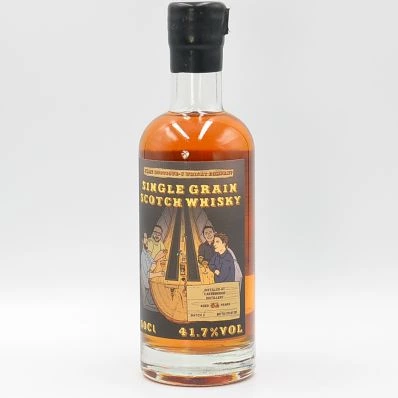 Carsebridge 52 Year Old Single Grain Whisky 1964 Batch 2 TBWCSpecial Price £329.98 Regular Price £449.99 Inc VATSaving £120.01
Comments